How Much Are Real Pearls Worth?
How Much Is a Pearl Necklace Worth?
What Is the Vintage Pearl Necklace Value?
How Much Are Freshwater Cultured Pearls Worth?
How Valuable Are Pearls?
How Much Are Natural Pearls Worth?
How Much Are Single Pearls Worth?
What Pearls Are the Most Valuable?
What Are the Most Expensive Pearls?
How Much Is a Black Pearl Worth?
Are Black Pearls More Expensive Than White?
How Much Is a Real Pearl Necklace Worth?
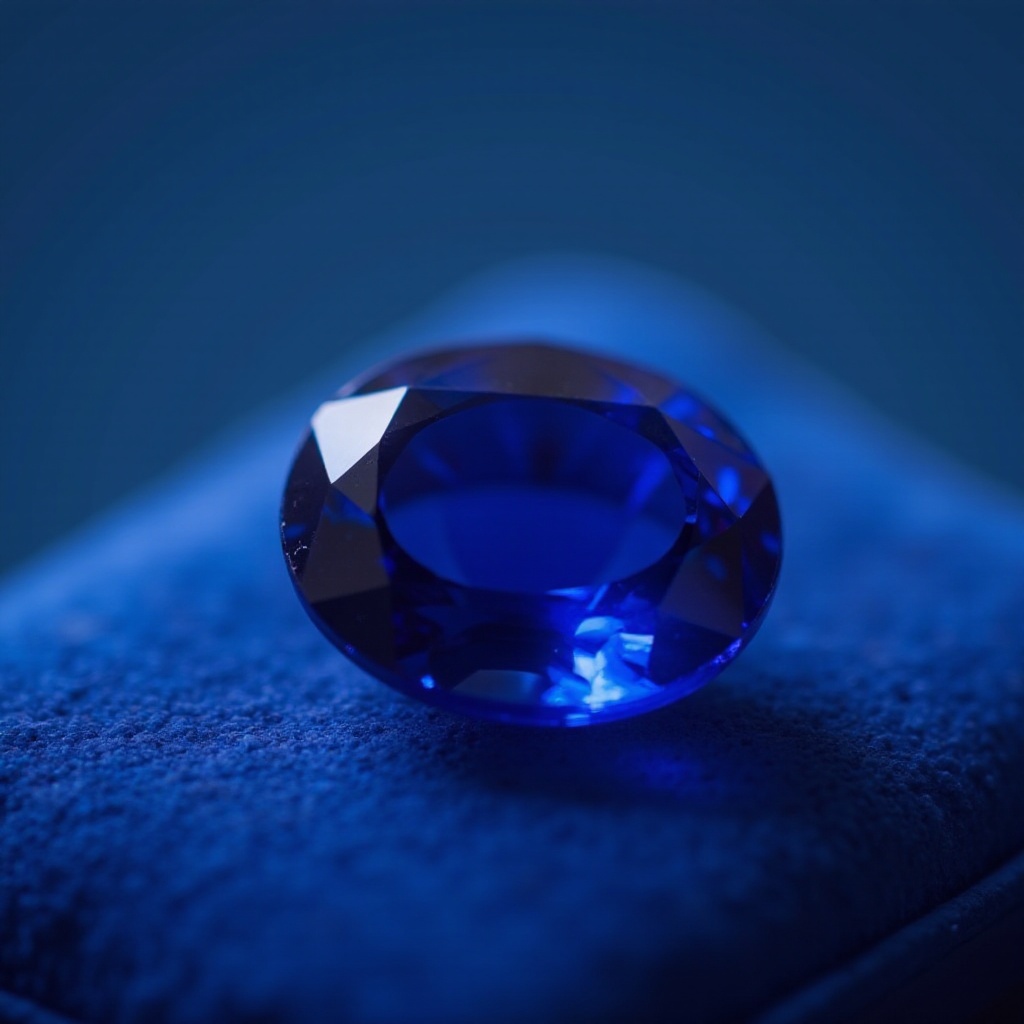
How Much Is a Blue Pearl Worth?
Sapphire crystal refers to a synthetic, transparent material made from corundum, the same mineral family as sapphires. Unlike natural sapphires, sapphire crystal is specifically manufactured for industrial purposes, including watches, lenses, and high-durability screens.
Due to its exceptional hardness (9 on the Mohs scale), sapphire crystal is highly resistant to scratches and is often used in watch faces, smartphone screens, and camera lenses. It offers a balance between clarity, toughness, and aesthetic appeal.
Although it is not typically used in fine jewelry like natural sapphires, sapphire crystal plays an essential role in technology and luxury goods due to its ability to withstand wear and tear. It’s also highly transparent, providing clear visibility and protection from environmental damage.
Sapphire crystal should not be confused with natural sapphires, as it is a man-made material designed for durability rather than color or gemstone value.
Are Tahitian Pearls Expensive?
Yes, Tahitian pearls are generally considered expensive. They are highly valued for their unique and luxurious appearance, characterized by their dark, iridescent colors, which can range from black to peacock green, purple, and blue.
The rarity of Tahitian pearls contributes significantly to their cost. These pearls are produced by the black-lipped oyster, which is only found in the South Pacific, primarily around French Polynesia. The harvesting process is labor-intensive, and it takes several years for these oysters to produce pearls of desirable quality.
Larger, perfectly round, and high-luster Tahitian pearls can be especially costly. Pearls that display rare colors or have fewer imperfections tend to command higher prices. Additionally, the overall quality and size of the pearl necklace or jewelry setting can increase the price.
While Tahitian pearls are expensive compared to other types of pearls, their distinct beauty and rarity make them a coveted choice for fine jewelry, especially for luxury pieces such as earrings, necklaces, and bracelets.
Do Pearls Increase in Value Over Time?
Pearls can increase in value over time, but this depends on various factors such as type, quality, size, and rarity. High-quality pearls, like South Sea and Tahitian pearls, have the potential to appreciate in value, especially those with exceptional luster, roundness, and minimal imperfections.
Natural pearls, which are much rarer than cultured pearls, tend to see significant increases in value over time due to their scarcity. Cultured pearls, on the other hand, may not see the same dramatic value increase, though rare or large pearls may still appreciate.
The market for pearls can be influenced by demand, trends, and the overall condition of the jewelry. Well-maintained, classic pearl pieces from renowned designers can hold or increase in value, especially if they are vintage or antique.
However, pearls generally don’t increase in value as significantly as other gemstones like diamonds. Their value is more dependent on market trends and the pearl's inherent qualities rather than on the long-term appreciation seen in other luxury goods.
Do Pawn Shops Buy Pearls?
Yes, pawn shops do buy pearls. Many pawn shops accept pearls, especially if they are part of valuable jewelry pieces like necklaces, earrings, or rings. However, the price they offer depends on factors such as the type, quality, and condition of the pearls.
Pawn shops typically prefer high-quality pearls like South Sea, Tahitian, or cultured pearls. Natural pearls are especially valuable and may fetch higher offers. The age, size, and luster of the pearls also play a significant role in determining the value.
If you're looking to sell pearls at a pawn shop, it's a good idea to have them appraised by a professional first. This ensures you understand their true worth before negotiating. Keep in mind that pawn shops may offer lower prices than other selling options, as they need to resell the items at a profit.