In the world of jewelry, the terms "bangle" and "bracelet" are often used interchangeably, yet they embody distinct characteristics and histories that appeal to diverse tastes and traditions. So, what is the difference between a bangle and a bracelet?
This comprehensive guide dives deep into the essence of both bangles and bracelets, exploring their definitions, historical significance, and the nuances that set them apart. We'll also provide practical guides for selecting the perfect piece for any occasion or as a thoughtful gift. Join us as we compare bangle vs bracelet and learn to make informed jewelry choices!
Exploring Bracelets: What Are They?
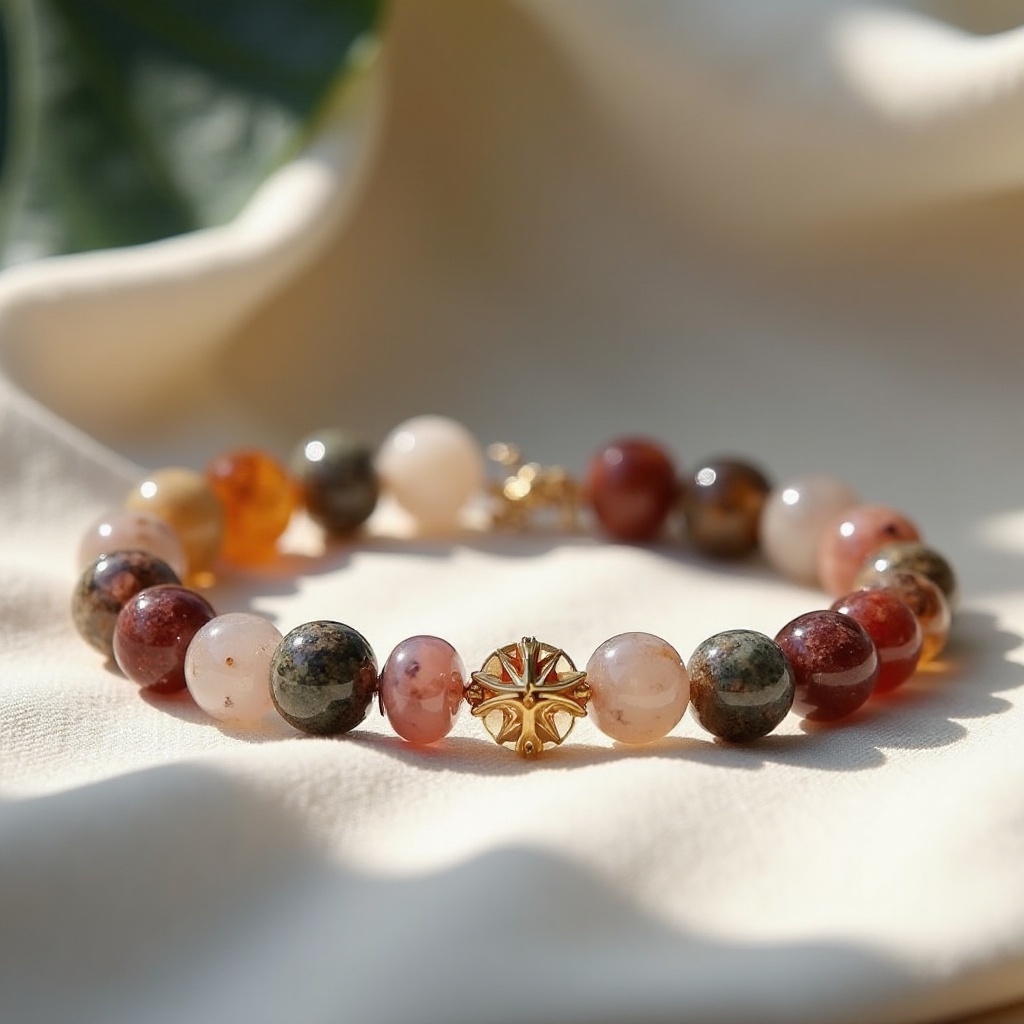
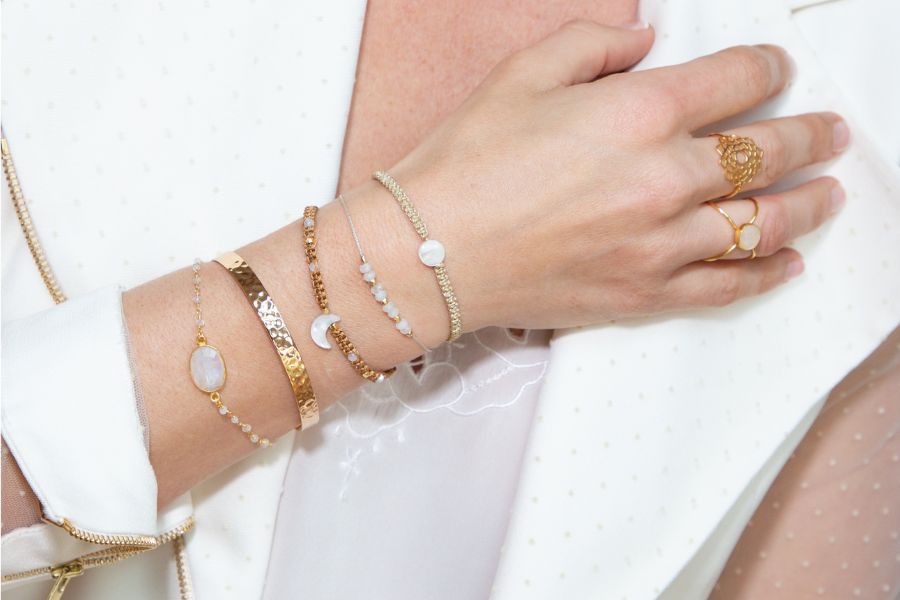
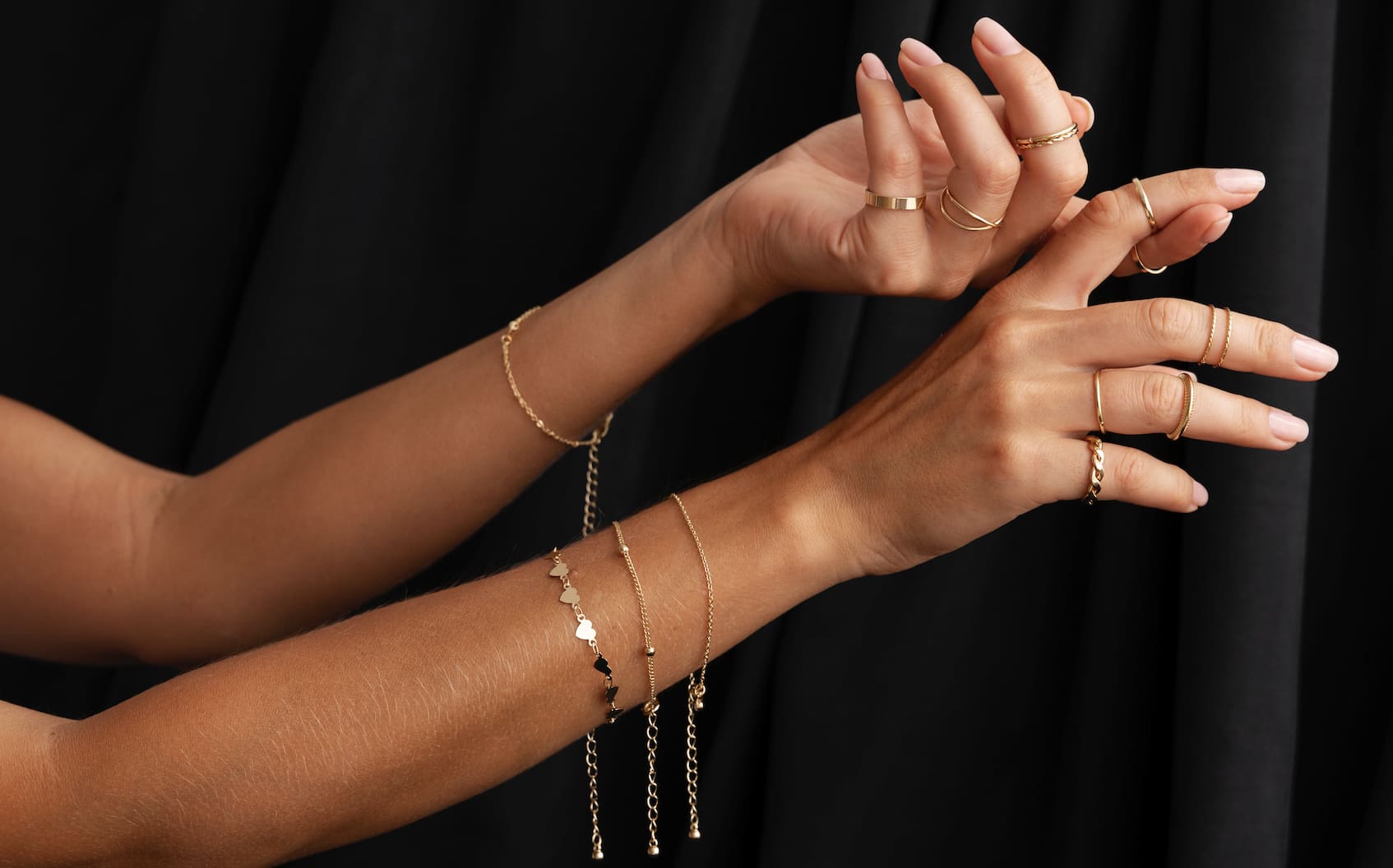
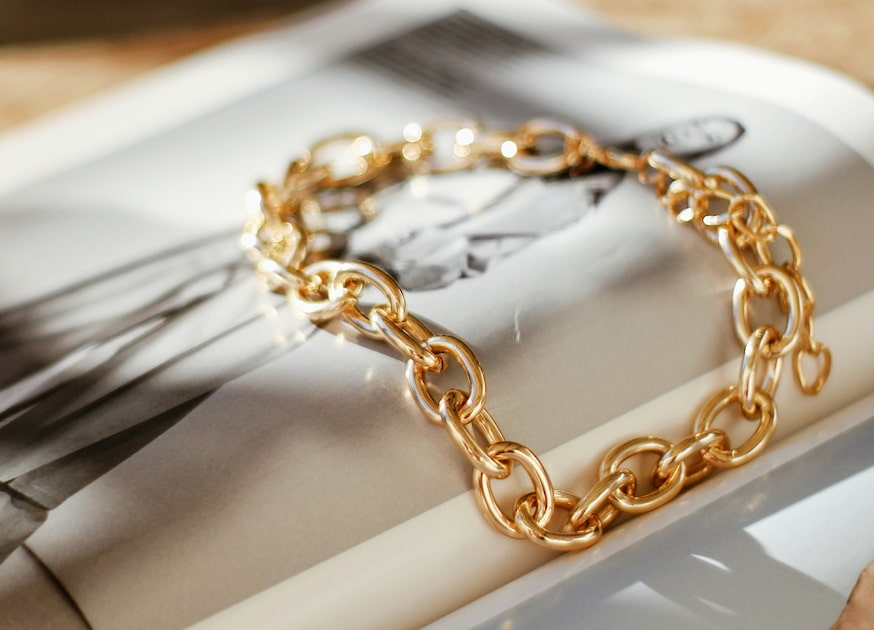
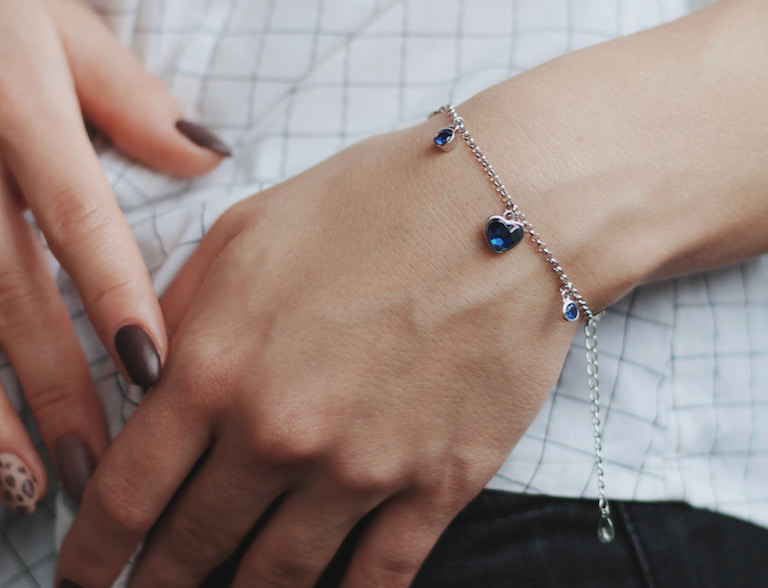
Bracelets are versatile pieces of jewelry that encircle the wrist and enhance the beauty of your hand. They can be made from a variety of materials including metal, leather, cloth, plastic, or beads. Bracelets can be adorned with gemstones, charms, or intricate patterns and can vary in thickness from delicate chains to robust cuffs. This versatility not only makes bracelets popular among diverse fashion styles but also allows them to be both a standalone statement piece and a subtle addition to a layered look.
What sets bracelets apart is their closure mechanisms, such as clasps, toggles, or adjustable slips, allowing for easy adjustment and movement. This flexibility adds both functionality and a decorative touch, making bracelets a fundamental accessory in both casual and formal wardrobes.
The Evolution of Bracelets Through Time
Bracelets have been adorning wrists since ancient times, evolving through various forms and materials to become the fashion staples we know today. The journey from primitive charms to modern-day statement pieces reflects cultural shifts and technological advancements in jewelry-making.
Ancient Egyptians crafted bracelets from bones, stones, and woods to signify status and adherence to deity worship. Greek soldiers wore leather bracelets thick enough to serve as a form of defense. The Romans, on the other hand, viewed bracelets as a display of wealth and power, often decorating them with precious stones and metals. In the medieval period, bracelets became more ornamental and symbolic, often exchanged as tokens of affection or loyalty.
The Industrial Revolution introduced new materials and mass-production techniques, transforming bracelets from exclusive luxury items to accessible fashion statements for the broader public. Today, bracelets remain a popular form of jewelry that echoes both the traditional and modern influences, reflecting personal tastes, cultural histories, and fashion trends through the ages.
Understanding Bangles: What Sets Them Apart?
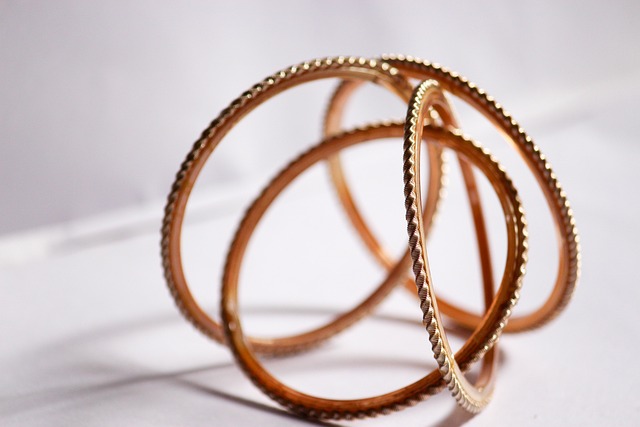
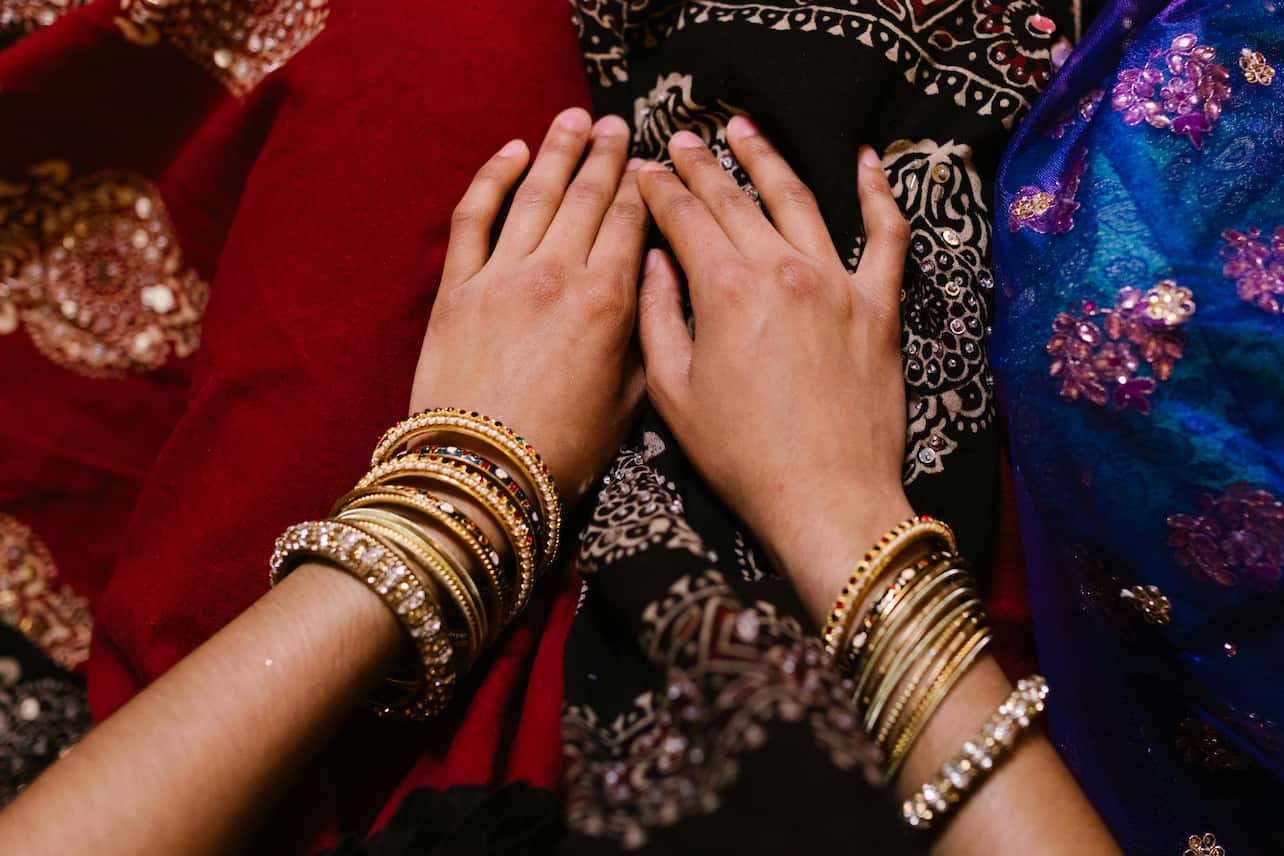
So, what are bangle bracelets? Bangles are rigid, circular pieces traditionally made from metal, wood, glass, or plastic. They are usually slipped over the hand onto the wrist without the need for a clasp or opening, which gives them a seamless appearance. Bangles can be worn singly or in multiples, creating a charming clinking sound with every movement.
The solid form of a bangle can hold symbolic meanings in various cultures—representing luck, marital status, or even prosperity. Due to their rigid structure, bangles are often seen as a bold statement piece that can be both minimalist when worn alone or create a dramatic flair when stacked in multiples. Their simplicity and elegance make bangles a timeless piece of jewelry that transcends changing fashion trends.
The Historical Journey of Bangles
Now that you know "What is a bangle bracelet," let's explore its history as well. Bangles have adorned wrists for millennia, tracing back to ancient civilizations such as those in Mesopotamia, India, and Egypt. Archaeological finds have unearthed bangles made of terracotta, stone, and precious metals, indicating their significance in various cultural rites and as status symbols.
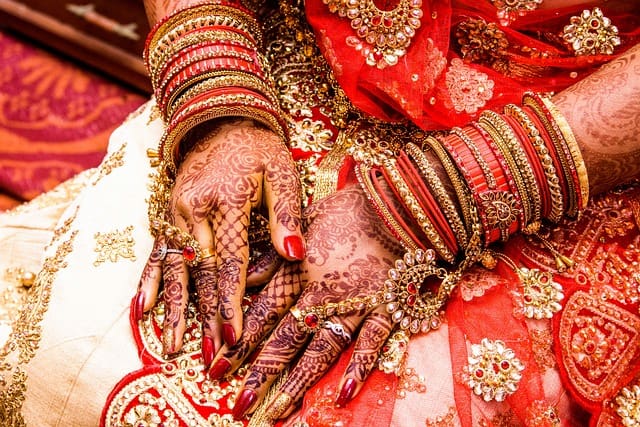
In places like India, bangles are much more than pretty ornaments. They hold deep cultural and symbolic meanings, particularly in weddings. Indian brides often wear bangles that vary in material and color, depending on regional and family traditions. These bangles can be made of glass, symbolizing good luck and protection in marriage, or be gold-plated, reflecting family heritage.
Over centuries, bangles have evolved but have consistently remained a staple in traditional ceremonies and everyday fashion, reflecting both the enduring cultural heritage and the evolving aesthetic preferences of societies.
Comparing Bangles and Bracelets: Key Differences
When distinguishing between bangles and bracelets, it's important to understand their key differences, which influence style, wearability, and cultural significance. Here are the main aspects that set bangles and bracelets apart:
Variety in Style: Types of Bangles and Bracelets
As we've learned the bangle and bracelet difference, both come in a myriad of forms, each with its unique charm and fashion statement. Let's take a closer look:
Types of Bangles
Types of Bracelets
Choosing the Perfect Bangle: A Buyer's Guide
When picking the perfect bangle, it's all about understanding your style preferences and knowing what suits your daily activities. Here's a guide to help you make the best choice:
Selecting the Ideal Bracelet for Any Occasion
Choosing the right bracelet involves matching your accessory to the event and your outfit while keeping comfort in mind. Here's a practical guide to help you select the ideal bracelet for any setting:
The Art of Gifting: Why Choose Bangles or Bracelets?
Choosing to give a bangle or bracelet as a gift can be a thoughtful and stylish decision. Here's why they make excellent presents:
Conclusion
As we conclude our detailed comparison of bangle vs bracelet, we've explored their distinct styles, historical significance, and cultural values. Bangles, with their unbroken circle, symbolize continuity and are often cherished as heirlooms, embodying traditions and memories. Bracelets, on the other hand, offer versatility and personalization, suitable for everyday wear and special occasions alike. Whether you opt for the elegance of a bangle or the adaptability of a bracelet, each offers a unique way to express personal style and cultural appreciation.