Can you sleep with a necklace on? This question is a common concern for many who want to keep their cherished pieces close, even during the night. While the idea of drifting off to sleep with your favorite pendant or chain might seem harmless, there are various aspects to consider before making it a nightly habit.
In this guide, we'll explore the pros and cons of sleeping with a necklace on and delve into the suitability of different materials for nighttime wear, from the delicate allure of silver and pearls to the robust charm of gold and platinum. Read on to learn all the insights.

Pros of Sleeping with a Necklace On
For many who are asking, "Is it ok to sleep with a necklace on?", the idea comes with several appealing benefits. Here are some of the advantages:
Cons of Sleeping with a Necklace On
Despite these benefits, there are significant drawbacks that should be considered. Here's why it is bad to sleep with a necklace on:

Suitability of Different Types of Materials
When considering whether it is safe to sleep with a necklace on, different materials react differently when exposed to prolonged contact with skin and exposure to elements like sweat and friction from bedding. Here's a look at the suitability of various necklace materials for wearing during sleep:
Silver Necklace
Silver necklaces are generally lightweight and hypoallergenic, making them a popular choice for everyday wear. However, wearing a silver necklace to sleep can accelerate the tarnishing process due to contact with sweat and oils from the skin. Plus, the necklace could become entangled with bedding or hair during sleep, potentially causing discomfort or even injury.
Pearl Necklace
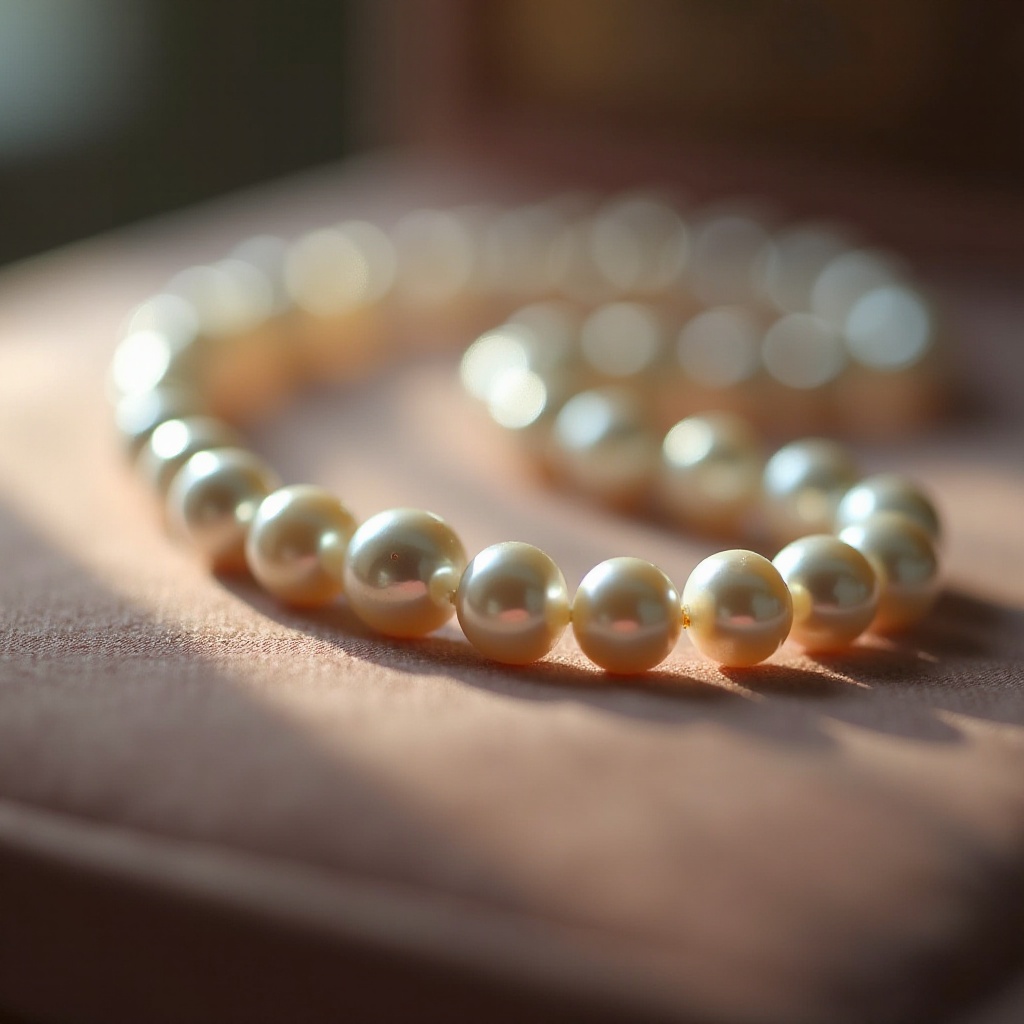
Pearl necklaces, prized for their elegance and sophistication, are often worn on special occasions. However, pearls are particularly delicate and can be easily damaged by exposure to skin oils, sweat, and friction. They require careful handling and are not recommended for overnight wear. Sleeping in pearls can dull their luster and lead to surface scratches that are difficult, if not impossible, to repair.

Gold Necklace
Gold, especially higher karats, is more resistant to tarnishing and corrosion. It is one of the safer choices for wearing overnight occasionally. However, the risk of physical damage such as bending, scratching, or breaking still exists, particularly with thinner chains or more intricate designs.
Platinum Necklace
Platinum is highly valued in jewelry making due to its exceptional durability, hypoallergenic property, and natural white sheen that does not fade or tarnish over time. It is significantly more resistant to damage than gold or silver, making it one of the best choices for wearing during sleep occasionally. Nonetheless, like other metal necklaces, wearing a platinum necklace to sleep may increase the risk of it becoming tangled or twisted, potentially causing discomfort or irritation.
Titanium Necklace
Titanium necklaces are lightweight, durable, and hypoallergenic, making them an ideal choice for those with sensitive skin or metal allergies. Although titanium is highly resistant to corrosion and does not tarnish, wearing a titanium necklace to sleep may still pose a risk of it becoming tangled or twisted during the night.
Brass and Copper Necklace
Brass and copper necklaces are less common than other metal options but are prized for their unique aesthetic appeal. However, they are more prone to oxidation, leading to tarnish when exposed to skin oils and sweat. Moreover, some people may experience skin irritation or allergic reactions from these metals, which can be exacerbated by prolonged contact during sleep. Therefore, these materials are not recommended for overnight wear.
Conclusions
So, can you sleep with a necklace on? While there are certain benefits to keeping that special piece close to you even as you sleep, the potential risks and discomforts generally outweigh the benefits. Durable and hypoallergenic materials like platinum and titanium may pose fewer risks, whereas pearl or brass necklaces are strongly discouraged for overnight wear. Ultimately, removing your necklace before bed is always recommended to protect you from chocking or skin irritation and preserve the beauty and integrity of your jewelry, ensuring it can be cherished for years to come.