Diamonds are graded based on the "4 Cs" — Cut, Color, Clarity, and Carat Weight.
- Cut: This refers to how well a diamond is shaped and faceted. A well-cut diamond reflects light properly, enhancing its brilliance.
- Color: Diamonds are graded on a scale from D (colorless) to Z (light yellow or brown). The less color, the higher the grade.
- Clarity: This measures the presence of internal or external flaws, called inclusions and blemishes. The fewer imperfections, the higher the clarity grade.
- Carat Weight: This indicates the size of the diamond. Larger diamonds are rarer and typically more valuable.
Each diamond is evaluated based on these criteria, and the combination of the grades determines its overall value.
What Are Vvs Diamonds?
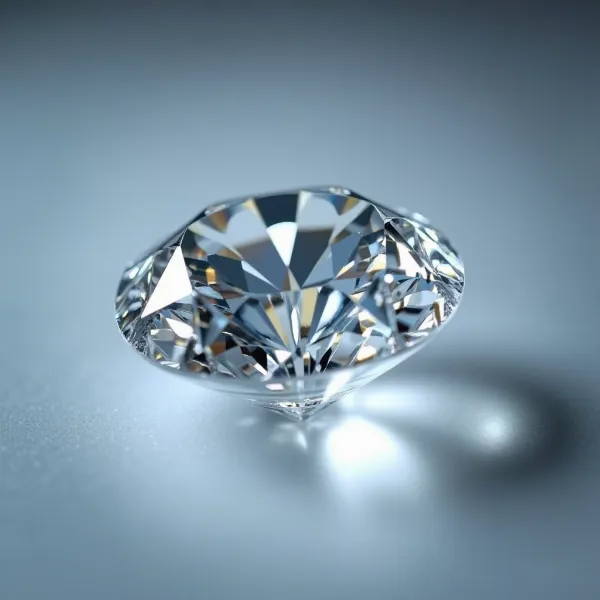
VVS diamonds stand for "Very, Very Slightly" included diamonds. This grade is part of the clarity scale used to evaluate diamonds.
- VVS1: These diamonds have minuscule inclusions that are extremely difficult to detect, even under 10x magnification.
- VVS2: These diamonds also have very small inclusions that are hard to see under magnification, but they may be slightly more visible compared to VVS1.
VVS diamonds are of exceptional clarity, making them nearly flawless to the naked eye. Due to their high clarity, VVS diamonds tend to be more expensive than diamonds with lower clarity grades, like VS or SI diamonds. They are ideal for those seeking near-perfect stones with excellent sparkle and brilliance.
How Do You Rate a Diamond?
Diamonds are rated based on the 4 Cs: Cut, Color, Clarity, and Carat Weight.
- Cut: A diamond's cut determines how well it reflects light. A well-cut diamond has better brilliance and sparkle. It's graded from Excellent to Poor.
- Color: Diamonds are graded for color from D (colorless) to Z (light yellow or brown). The less color, the higher the grade.
- Clarity: This measures the presence of inclusions or blemishes. Diamonds with fewer imperfections are rated higher, ranging from Flawless (no imperfections) to Included (visible imperfections).
- Carat Weight: The size of the diamond is measured in carats. Larger diamonds are rarer and tend to be more valuable.
Each of these factors is combined to determine the overall quality and value of a diamond. Higher grades in each category increase the diamond's price and appeal.
What Is a High Quality Diamond?
A high-quality diamond is one that excels in the 4 Cs: Cut, Color, Clarity, and Carat Weight.
- Cut: A high-quality diamond has an excellent or ideal cut, meaning it maximizes brilliance and sparkle by reflecting light properly.
- Color: Diamonds that are colorless (graded D-F) are considered high quality. The less color, the higher the value.
- Clarity: A high-quality diamond has minimal inclusions or blemishes, often graded Flawless (FL) or Internally Flawless (IF). These diamonds appear perfect to the naked eye.
- Carat Weight: While larger diamonds are often more expensive, a high-quality diamond can still be smaller but possess exceptional clarity, cut, and color.
In essence, a high-quality diamond balances these 4 factors, resulting in a visually stunning and valuable stone.
What Are the Best Diamond Grades?
The best diamond grades are typically found at the top of the 4 Cs scale:
- Cut: The ideal or excellent cut grades are the best, as they maximize the diamond's brilliance and sparkle.
- Color: The highest color grades are D, E, and F, which are considered colorless. These diamonds have no noticeable color, enhancing their value.
- Clarity: The best clarity grades are Flawless (FL) and Internally Flawless (IF). These diamonds have no visible inclusions or blemishes, even under magnification.
- Carat Weight: While carat weight is a matter of personal preference, diamonds with higher carat weights, combined with excellent cut, color, and clarity, are considered the best.
Overall, diamonds with D-F color, FL-IF clarity, and excellent or ideal cuts are considered the best quality diamonds available.
How to Understand Diamond Quality?
To understand diamond quality, focus on the 4 Cs: Cut, Color, Clarity, and Carat Weight.
- Cut: The cut affects how a diamond reflects light. A well-cut diamond appears more brilliant and sparkly. Look for diamonds with Excellent or Ideal cuts.
- Color: Diamonds are graded from D (colorless) to Z (yellow or brown). Higher-quality diamonds are colorless, with D-F being the most valuable.
- Clarity: Clarity measures the presence of inclusions and blemishes. Higher-quality diamonds, such as Flawless (FL) or Internally Flawless (IF), have no visible imperfections.
- Carat Weight: Carat weight measures the size of the diamond. While size is important, quality in the other Cs plays a significant role in overall value.
By considering these factors, you can assess a diamond's quality and determine its value. Always remember that the combination of all 4 Cs is crucial for understanding diamond quality.
What Is Vvs1 Diamond?
A VVS1 diamond is a diamond with a clarity grade of "Very, Very Slightly Included" on the clarity scale.
- Clarity: Inclusions in a VVS1 diamond are extremely difficult to detect under 10x magnification, even for a trained gemologist. These diamonds have very few microscopic imperfections, making them nearly flawless.
- Visual Appearance: To the naked eye, a VVS1 diamond looks flawless, offering exceptional brilliance and clarity.
VVS1 diamonds are considered to be of very high quality and are priced higher than diamonds with lower clarity grades. However, they may not be significantly different from flawless diamonds, except in very close examination.
How Does Diamond Vvs1 Vs Vvs2 Compare?
The main difference between VVS1 and VVS2 diamonds lies in the visibility of inclusions under magnification.
- VVS1: Inclusions in a VVS1 diamond are extremely difficult to detect, even for a trained gemologist under 10x magnification. These diamonds are nearly flawless.
- VVS2: VVS2 diamonds also have very small inclusions, but they may be slightly more visible than those in a VVS1 diamond when viewed under magnification.
While both VVS1 and VVS2 diamonds are of very high clarity, VVS1 diamonds generally have fewer or less noticeable inclusions, making them more valuable. However, to the naked eye, there is virtually no difference in appearance, and both offer exceptional brilliance.
What Are Vs Diamonds?
VS diamonds stand for "Very Slightly Included" diamonds, a clarity grade in the GIA (Gemological Institute of America) scale.
- VS1: Diamonds with the VS1 grade have inclusions that are difficult to detect under 10x magnification, even for a trained gemologist.
- VS2: Diamonds with the VS2 grade have inclusions that are still hard to see under magnification but may be more noticeable than those in a VS1 diamond.
VS diamonds are considered high-quality stones with minimal imperfections. While they may not be completely flawless, their inclusions are typically not visible to the naked eye, ensuring great brilliance and beauty. These diamonds offer excellent value for those seeking quality without the higher price tag of flawless diamonds.
Is a Si1 Diamond Good?
An SI1 diamond, which stands for "Slightly Included 1," is considered a good quality diamond, offering excellent value for money.
- Clarity: SI1 diamonds have inclusions that are noticeable under 10x magnification but are generally not visible to the naked eye. This makes them ideal for buyers seeking quality without the premium price of higher clarity diamonds.
- Appearance: The inclusions in SI1 diamonds are typically minor and do not significantly affect the diamond’s brilliance or sparkle.
Overall, SI1 diamonds strike a balance between affordability and quality, offering a visually stunning appearance with only slight inclusions when examined closely. They are a popular choice for those looking for a high-quality diamond at a more accessible price.
What Is the Diamonds Luster?
A diamond's luster refers to its ability to reflect light, creating a brilliant shine. It is determined by the surface quality and how well the diamond interacts with light.
- Surface Reflection: Luster is influenced by the diamond’s cut and polish. A well-cut diamond with smooth surfaces will reflect light better, increasing its luster.
- Effect of Luster: Diamonds with high luster exhibit a sparkling, almost mirror-like shine. The more intense the light reflection, the higher the luster.
Luster is a key factor in a diamond’s overall appearance, contributing significantly to its brilliance. While the term luster is often confused with "fire" or "brilliance," it specifically refers to how well the diamond’s surface reflects light.
Are I3 Diamonds Worth Buying?
I3 diamonds are graded as "Included 3," which indicates the presence of significant inclusions or imperfections visible to the naked eye.
- Clarity: I3 diamonds typically have visible flaws that can affect their overall appearance. These inclusions may reduce the diamond’s brilliance and sparkle.
- Value: While I3 diamonds are more affordable due to their clarity issues, they may not offer the same aesthetic appeal as diamonds with higher clarity grades.
- Considerations: If you're on a tight budget and the diamond's imperfections are not a concern, I3 diamonds could be a cost-effective option. However, if you're looking for a visually flawless or brilliant stone, diamonds with higher clarity grades would be a better choice.
Overall, I3 diamonds can be worth buying for those prioritizing cost over appearance, but they may not be the best investment for those seeking long-lasting beauty and value.
How Do Vs Vs Vvs Diamonds Differ?
VS and VVS diamonds differ primarily in their clarity grades, which reflect the presence and visibility of inclusions.
- VS (Very Slightly Included): VS diamonds have small inclusions that are difficult to detect under 10x magnification but can be noticeable to a trained eye. They offer good value and are considered high-quality diamonds.
- VVS (Very, Very Slightly Included): VVS diamonds have inclusions that are extremely hard to detect, even for experienced gemologists under magnification. VVS diamonds are closer to flawless, making them rarer and more expensive than VS diamonds.
The main difference is that VVS diamonds have fewer or less noticeable imperfections, making them of higher quality and more valuable than VS diamonds. Both types, however, appear nearly flawless to the naked eye.
Is Vs2 Diamond Good?
A VS2 diamond, which stands for "Very Slightly Included 2," is a good quality diamond that offers excellent value for money.
- Clarity: VS2 diamonds have inclusions that are difficult to see with the naked eye but may be noticeable under 10x magnification. These inclusions are typically small and do not significantly affect the diamond’s brilliance.
- Appearance: The imperfections in a VS2 diamond are minor and, to most observers, are not visible. This makes VS2 diamonds a great option for those who want high-quality stones at a more affordable price compared to diamonds with higher clarity grades.
Overall, a VS2 diamond is a great choice for those who seek a balance between quality and price, as it offers near-flawless appearance without the higher cost of diamonds with flawless clarity.
How Does G Vs F Diamond Compare?
G and F diamonds are both considered high-quality stones, with only a slight difference in their color grades.
- Color: F diamonds are graded as "Colorless," while G diamonds are graded as "Near Colorless." This means F diamonds have no noticeable color, while G diamonds may show a slight hint of color when compared to higher-quality stones.
- Appearance: The difference between F and G diamonds is difficult to detect to the naked eye. Both appear colorless in most settings and are highly valued for their brilliance and beauty.
- Value: F diamonds are typically more expensive than G diamonds due to their higher color grade. However, the price difference may not be significant, and G diamonds still offer great value with minimal color distinction.
Overall, both F and G diamonds are excellent choices for those seeking a high-quality, visually stunning stone, with the primary difference being their slight color variation.
Is F Si2 a Good Diamond?
An F SI2 diamond can be a good choice depending on your priorities for clarity and color.
- Color: F diamonds are considered colorless, offering high-quality visual appeal with no noticeable color, making them a good choice for those looking for a brilliant, white diamond.
- Clarity: SI2 diamonds have inclusions that are visible to the naked eye, which may affect the overall appearance. However, the inclusions are often not too noticeable unless closely inspected.
For those prioritizing a bright, colorless appearance over perfection in clarity, an F SI2 diamond can be a good option. It offers a balance of quality and price but may not be ideal if you’re seeking a flawless or nearly flawless diamond. The visual impact largely depends on the specific inclusions in the SI2 diamond.
How Do Si Diamonds Vs Vvs Differ?
SI (Slightly Included) diamonds and VVS (Very, Very Slightly Included) diamonds differ in their clarity, which impacts their appearance and value.
- Clarity: SI diamonds have noticeable inclusions that are visible under magnification and may be visible to the naked eye in some cases. VVS diamonds, on the other hand, have inclusions that are extremely difficult to detect even under 10x magnification.
- Appearance: SI diamonds may show small imperfections, but they typically do not affect the diamond's brilliance significantly. VVS diamonds, due to their minimal imperfections, offer exceptional clarity and are visually closer to flawless.
- Value: VVS diamonds are generally more expensive than SI diamonds due to their higher clarity grade and rarity. SI diamonds provide a good value for those who prioritize size or other factors over flawless clarity.
Overall, VVS diamonds are higher in quality and cost more, while SI diamonds offer a more affordable option with slightly noticeable inclusions.
What Is the Transparency of a Diamond?
The transparency of a diamond refers to its ability to allow light to pass through it without being obstructed by impurities or inclusions.
- Clarity Impact: Diamonds with higher clarity grades, such as Flawless (FL) or Internally Flawless (IF), typically have better transparency. Fewer inclusions or blemishes allow more light to pass through, enhancing the diamond's brilliance.
- Effect on Appearance: A transparent diamond will exhibit more sparkle and brilliance, while inclusions or lower clarity grades can hinder light flow and reduce transparency. Transparency is a key factor in a diamond’s overall visual appeal.
Diamonds with good transparency are highly valued because they reflect light effectively, contributing to their radiant appearance.