Ever wondered about the magic behind mood rings? These intriguing pieces of jewelry that claim to reflect your mood through vibrant colors, have fascinated us since the 1970s. But how do mood rings work, and can they truly reveal your inner feelings?
In this comprehensive guide, we'll explain how a mood ring works, decode what the different colors mean, and examine whether mood rings actually work or if they're just a clever gimmick. Join us as we dive into the intriguing world of mood rings and discover the science and symbolism behind these captivating accessories.
How Do Mood Rings Work?
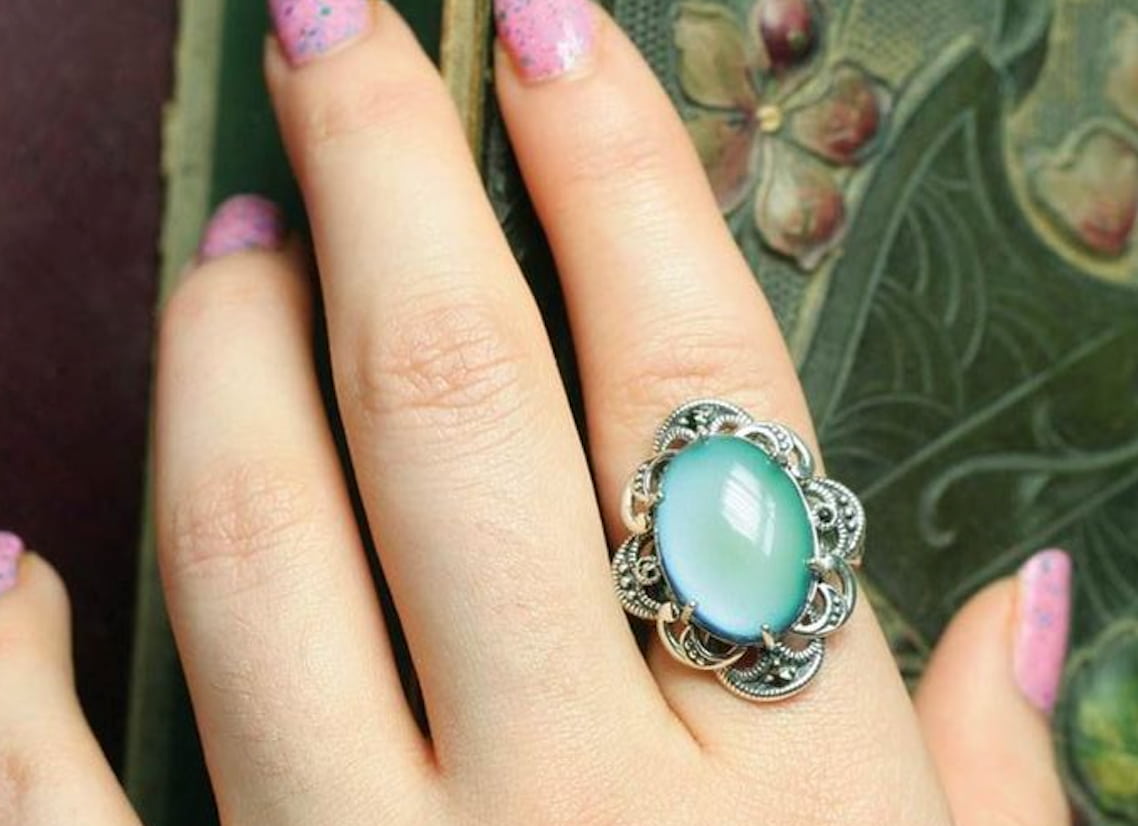
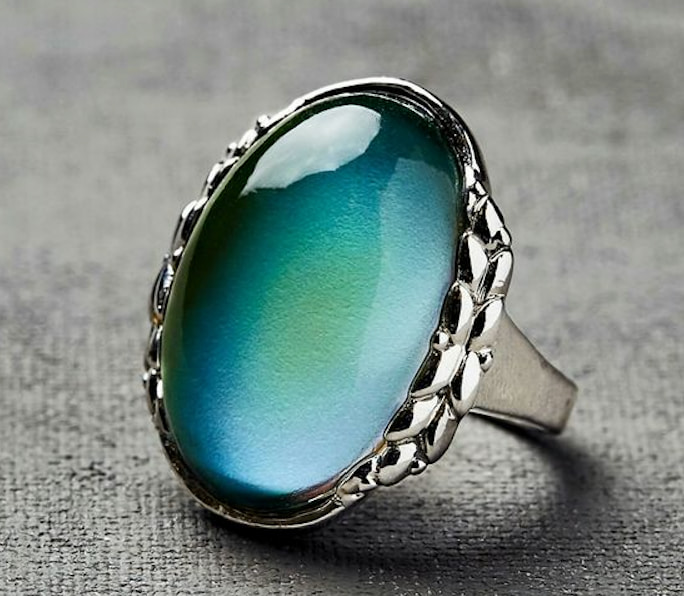
Mood rings operate on a simple yet fascinating premise. At the heart of every mood ring is a thermochromic element, typically a liquid crystal that changes color based on temperature. This element is encapsulated in a protective shell, usually made of quartz or glass, which forms the centerpiece of the ring.
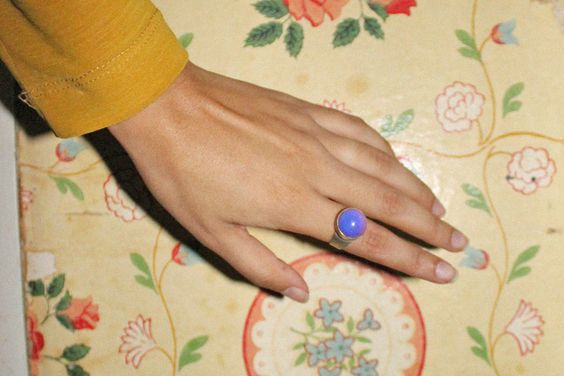
When you wear a mood ring, the liquid crystal inside reacts to changes in your skin temperature. Your skin temperature can fluctuate based on your emotional state because your body responds to feelings like stress or happiness by altering peripheral blood flow.
For instance, when you're stressed or anxious, your blood vessels constrict, reducing blood flow to your extremities and lowering the temperature of your fingers. Conversely, when you're calm and relaxed, your blood vessels dilate, increasing blood flow and raising the temperature of your fingers.
When the temperature-sensitive liquid crystals in a mood ring absorb heat, they change their molecular structure, which alters the wavelengths of light they reflect. This change in structure causes the colors of the ring to shift.
Mood Ring Color Meanings
As we've learned, mood rings change colors based on temperature, which is thought to correspond with one's emotional state. Each color signifies a different emotional or physical state. Here is a breakdown of what the colors of a mood ring might mean:
Do Mood Rings Really Work?
So, do mood rings actually work? While mood rings change color, it's crucial to understand that these changes are primarily reactions to the temperature shifts of your skin, not direct indicators of specific emotions.
Since our body temperature can be influenced by our emotions—like stress causing a drop in skin temperature—a mood ring might seem to actually reflect changes in our emotional state. However, this is a correlation to physiological responses rather than a direct emotional gauge.
Scientifically, mood rings are not reliable tools for emotional analysis. Numerous factors other than emotional state can affect skin temperature, including the external environment, physical activity, and even what you eat or drink. For instance, stepping into a warmer room or holding a hot drink can cause the ring to change color, irrespective of your mood.
Thus, while mood rings are an enjoyable novelty and can be a fun conversation starter, they should not be used as a method to genuinely assess emotional or psychological state. They offer a visual and often beautiful representation of the changes our bodies go through, but these should be viewed with a sense of play rather than psychological insight.
Conclusion
So, how do mood rings work? They work by utilizing thermochromic liquid crystals that change color in response to temperature variations, supposedly reflecting the wearer's emotional state. Each color corresponds to specific emotional states, such as green for normal and average, and dark blue for happy. While the science behind how mood ring works is rooted more in temperature changes than in reading feelings, the allure of interpreting the colors remains strong. Whether you believe in their accuracy or enjoy them as a nostalgic novelty, mood rings undoubtedly add a colorful twist to our understanding of jewelry and emotions.