The value of emeralds varies greatly based on several factors, including size, color, clarity, and origin. On average, high-quality emeralds can range from $500 to $5,000 per carat. However, rare and exceptional specimens, such as those from Colombia, can fetch upwards of $20,000 or more per carat.
The most valuable emeralds are typically a rich, vibrant green with minimal inclusions. The stone’s size also plays a significant role, with larger stones commanding a higher price per carat. For example, a 1-carat emerald might be worth several hundred dollars, while a 10-carat emerald can cost tens of thousands of dollars depending on its quality.
Other factors such as the cut and the market demand for emeralds also influence their price. Overall, emeralds are generally considered one of the more expensive gemstones, particularly those with top-tier characteristics.
How Expensive Is an Emerald?
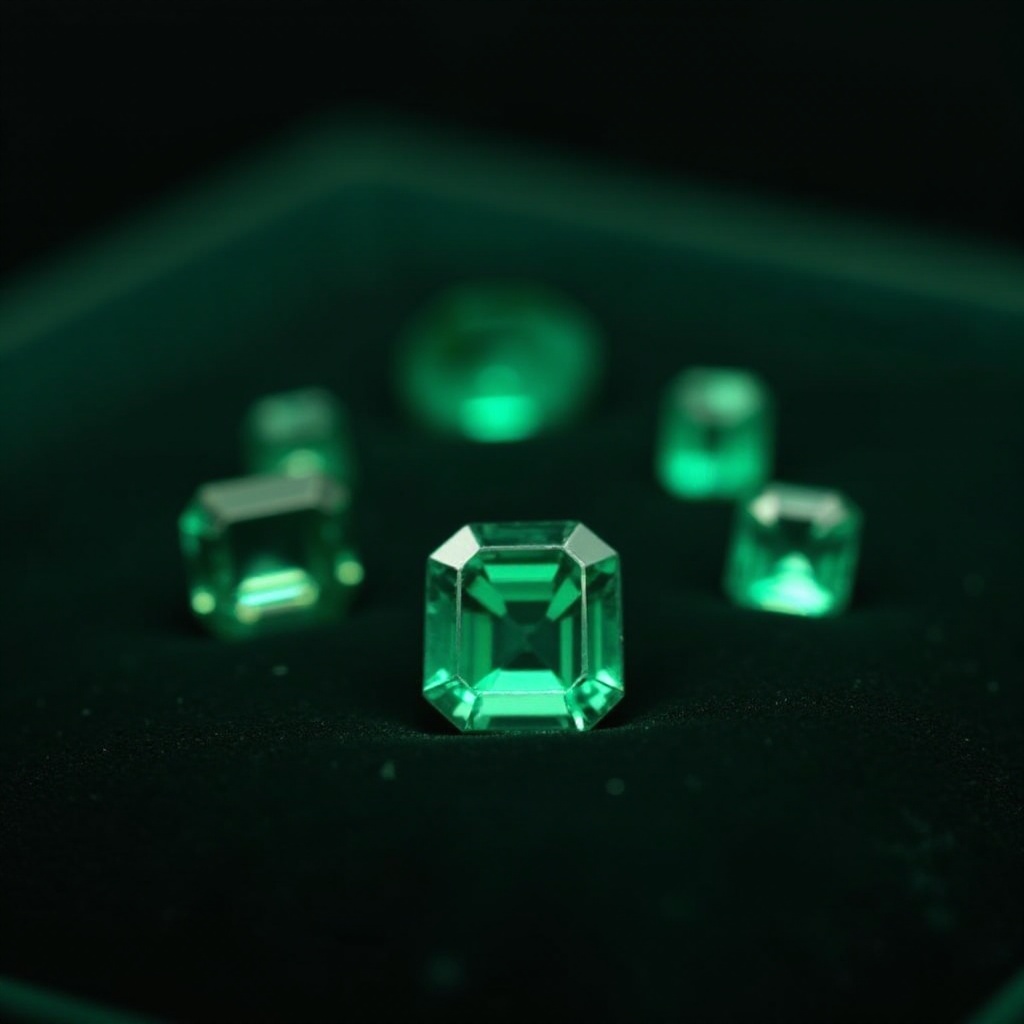
Emeralds can range in price from a few hundred dollars to several thousand dollars per carat, depending on factors like color, clarity, size, and origin. The highest-quality emeralds, especially those from Colombia, can be valued at over $20,000 per carat.
The most expensive emeralds feature a deep, vivid green color with minimal inclusions, making them highly desirable to collectors and jewelers. Larger emeralds also command higher prices, with stones above 5 carats often being significantly more expensive.
While emeralds from other regions, such as Zambia or Brazil, are generally more affordable, they may still fetch several thousand dollars per carat for top-tier stones. In general, emeralds rank among the more expensive gemstones, especially when they exhibit exceptional color and clarity.
How Much Is a Real Emerald Worth?
A real emerald's value depends on factors like color, clarity, size, and origin. On average, a real emerald can be worth anywhere from $500 to $5,000 per carat. Higher-quality emeralds, especially those from Colombia, can be valued much higher, with some reaching $20,000 or more per carat.
The most valuable emeralds are rich in green color with minimal inclusions and come from prestigious sources like Colombia, Zambia, or Brazil. Larger emeralds tend to be more expensive, with stones exceeding 5 carats often priced significantly higher per carat.
The clarity, or lack of inclusions, also significantly impacts the price, with stones that are clearer and more transparent being more valuable. In general, real emeralds with exceptional characteristics are among the more expensive gemstones.
Are Emeralds Rarer Than Diamonds?
Yes, emeralds are generally considered rarer than diamonds. While diamonds are abundant and found in several parts of the world, emeralds are much more limited in their natural availability, especially high-quality ones.
Emeralds of the finest quality, especially those with rich, vivid green color and minimal inclusions, are much rarer. These gemstones are primarily sourced from Colombia, Zambia, and Brazil, with the Colombian variety being particularly valued.
Diamonds, on the other hand, are more commonly mined in various locations globally, making them more accessible and less rare compared to emeralds. The rarity of emeralds, particularly those of exceptional quality, contributes to their higher price in many cases.
How to Value an Emerald?
Valuing an emerald involves evaluating several key factors: color, clarity, size, and origin.
Color is the most important factor, with the best emeralds exhibiting a rich, vibrant green, often described as "emerald green." The more intense and even the color, the higher the value.
Clarity also plays a significant role, with fewer inclusions or "blemishes" resulting in a higher value. While emeralds typically have inclusions, those with minimal visible inclusions are more valuable.
Size is another factor, as larger emeralds are rarer and thus more expensive per carat. The carat weight and overall size of the emerald affect its price substantially.
Lastly, the origin of the emerald impacts its value. Colombian emeralds, for example, are often the most sought-after and highest-priced due to their superior color and quality.
To determine the exact value, it is recommended to have the emerald professionally appraised by a gemologist who can assess these factors in detail.
How Rare Are Emeralds?
Emeralds are considered rare, especially high-quality ones. While emeralds are found in several locations worldwide, such as Colombia, Zambia, and Brazil, only a small percentage of them meet the criteria for top-tier gemstones.
The rarity of emeralds is influenced by factors like color, size, and clarity. Fine emeralds with a vivid green color, minimal inclusions, and large sizes are much rarer than diamonds.
Emeralds are also rarer than diamonds because they are more challenging to find in large, high-quality stones. Additionally, emeralds' chemical composition makes them more prone to inclusions, which can limit the number of flawless or near-flawless gems available on the market.
As a result, emeralds, especially those of exceptional quality, are among the rarest and most expensive gemstones.
How Much Is an Emerald Ring?
Emeralds are considered rare, especially high-quality ones. While emeralds are found in several locations worldwide, such as Colombia, Zambia, and Brazil, only a small percentage of them meet the criteria for top-tier gemstones.
The rarity of emeralds is influenced by factors like color, size, and clarity. Fine emeralds with a vivid green color, minimal inclusions, and large sizes are much rarer than diamonds.
Emeralds are also rarer than diamonds because they are more challenging to find in large, high-quality stones. Additionally, emeralds' chemical composition makes them more prone to inclusions, which can limit the number of flawless or near-flawless gems available on the market.
As a result, emeralds, especially those of exceptional quality, are among the rarest and most expensive gemstones.
Why Are Emeralds So Expensive?
Emeralds are expensive due to their rarity, high demand, and the factors that influence their quality. Unlike diamonds, emeralds are difficult to find in large, high-quality stones. The best emeralds are vibrant green, with minimal inclusions, which makes them rare and highly sought after.
Emeralds are primarily found in limited regions, with the finest stones coming from Colombia, adding to their exclusivity. The mining process itself is labor-intensive and often requires careful extraction due to the fragility of the stones.
Additionally, emeralds require specialized cutting techniques to enhance their appearance, which can further drive up the cost. The price also reflects their demand in both fine jewelry and as collector’s items.
As a result, these factors combined—rarity, quality, color, and mining difficulty—make emeralds significantly more expensive than many other gemstones, especially those of superior quality.
How to Sell Emeralds?
Selling emeralds involves several key steps to ensure you get the best price. First, have the emerald appraised by a certified gemologist to assess its quality, color, size, and clarity. This will give you an accurate idea of its value.
Next, decide on the selling method. You can sell emeralds through a jewelry store, an auction house, or online marketplaces. Jewelry stores typically offer lower prices due to their need for resale margins, while auction houses may fetch higher prices for rare stones.
For a more direct approach, consider selling to gemstone dealers or online platforms that specialize in emeralds or gemstones. It's important to gather certificates or documentation proving the authenticity and quality of the emerald to increase buyer confidence.
Finally, be prepared to negotiate the price. Understanding the market value and being clear on your expectations will help ensure a successful sale.
Where to Buy Emeralds?
Emeralds can be purchased from several reputable sources, both online and in physical stores. High-end jewelry stores and gemstone dealers are excellent options for purchasing high-quality emeralds, as they often provide certification and guarantee authenticity.
For those seeking more variety, online marketplaces like Etsy, Blue Nile, and James Allen offer emerald rings and loose stones with detailed descriptions and certifications. These platforms also provide customer reviews, which can help in making informed decisions.
If you’re looking for rare or top-quality emeralds, visiting specialized gemstone dealers or auction houses is an option. These sellers often carry gemstones from renowned sources like Colombia and Zambia, ensuring higher quality and exclusivity.
It’s also wise to ensure that the emerald comes with proper documentation, such as a certificate of authenticity and grading, to confirm the quality and value of the stone. Always research the seller and check reviews to ensure a safe transaction.