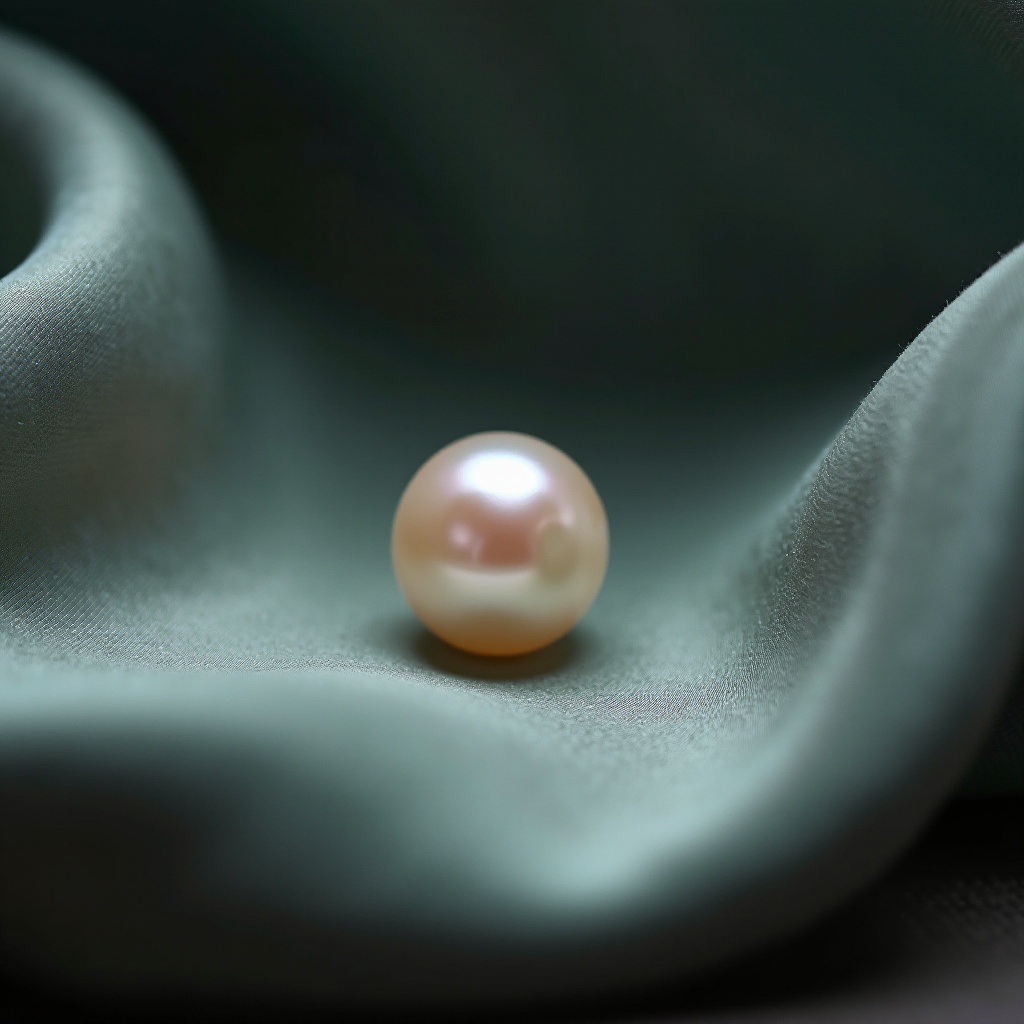
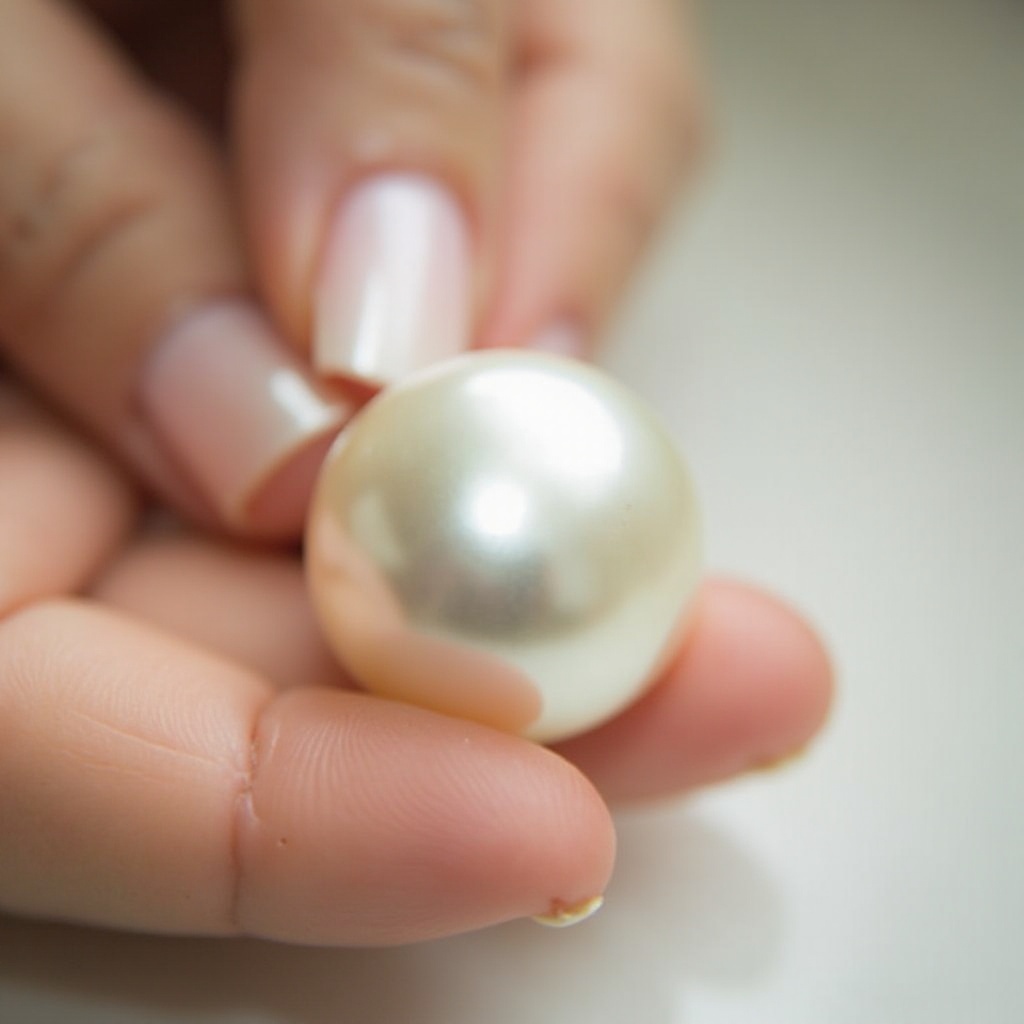
Pearls have captivated people for centuries with their timeless beauty and elegance. These exquisite gemstones, formed naturally or through cultivation, vary significantly in price, ranging from affordable pieces to highly valuable, rare specimens worth millions. If you’ve ever wondered, “How much are pearls worth?”, you come to the right place. This guide provides a detailed breakdown of pearl types, the factors influencing pearl cost, and tips for finding high-quality options at the right price. Read on!
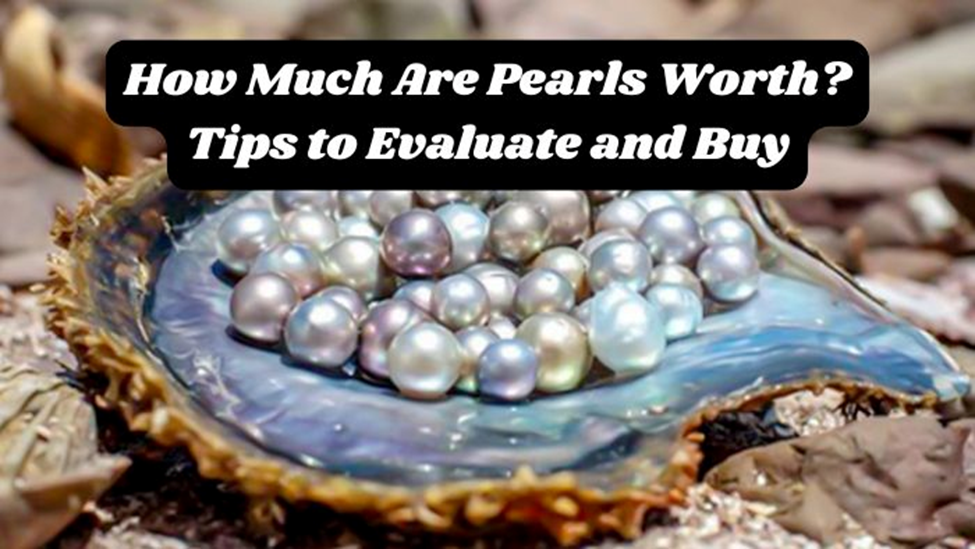
How Much Do Pearls Cost for Different Types?
Pearls come in various types, each with unique characteristics that influence their price. Below is a detailed explanation of the four main types of pearls and their price ranges:
1. Akoya Pearls
Akoya pearls are synonymous with classic sophistication and are cherished for their perfectly round shapes and high-gloss luster. Cultured in saltwater oysters along the coasts of Japan and China, these pearls are considered the gold standard for traditional pearl jewelry, such as necklaces, earrings, and bracelets.
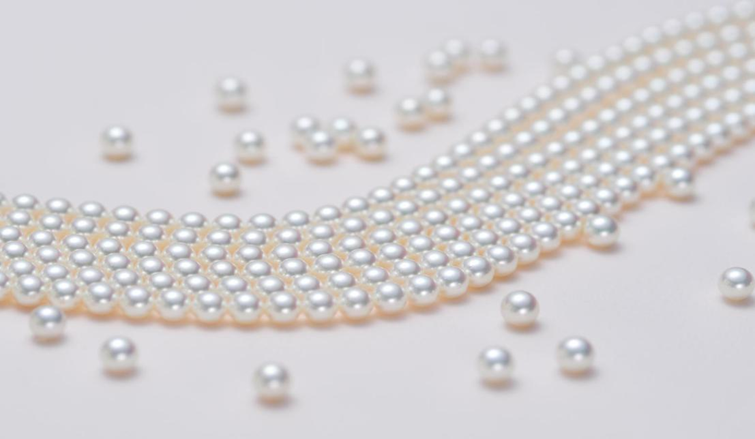
While most Akoya pearls are white with subtle overtones of rose or silver, some also come in cream shades, offering a versatile palette for elegant designs. Sizes typically range from 6mm to 9mm, with larger pearls being rarer and more valuable. How much do these real pearls cost? Akoya pearl prices reflect their quality, with affordable options starting around $300 and high-end pieces, especially flawless and large strands, exceeding $10,000.
2. Freshwater Pearls
Freshwater pearls are celebrated for their versatility, affordability, and variety, making them a favorite among jewelry enthusiasts. Mostly grown in mussels in China, they are available in a range of shapes, such as round, oval, button, and baroque. These pearls also come in an impressive color spectrum, ranging from classic white to soft pinks, lavender, and even rich purples.
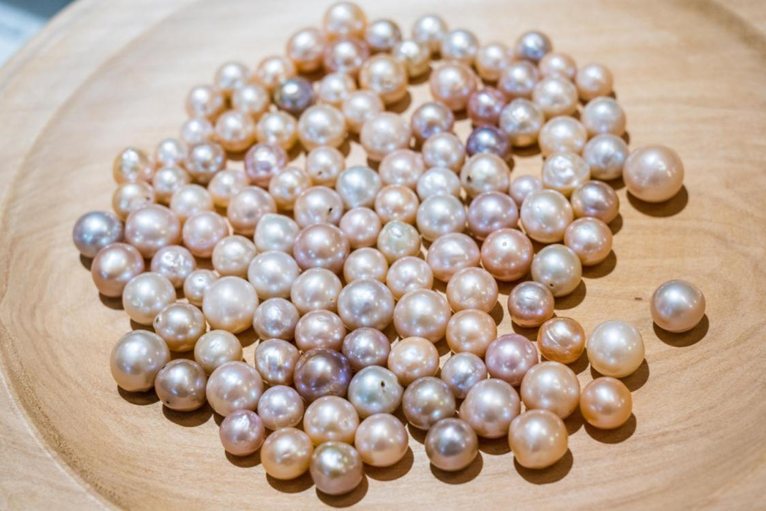
How much do pink pearls cost? Pink freshwater pearls, depending on their size and luster, typically range from $100 to $2,000, offering excellent value for buyers seeking beauty on a budget. These pearls are available in sizes from 4mm to 12mm, with larger, well-matched pearls being more expensive.
3. Tahitian Pearls
Tahitian pearls, often called "black pearls," are renowned for their dramatic and exotic appeal. Grown in black-lipped oysters in the pristine lagoons of French Polynesia, these pearls are naturally dark and showcase unique overtones of green, blue, peacock, and aubergine. Their large size, typically between 8mm and 18mm, and their dazzling luster make them a standout choice for luxury jewelry. Unlike other pearls, Tahitian pearls are rarely perfectly round, with drop and oval shapes being common and equally beautiful.
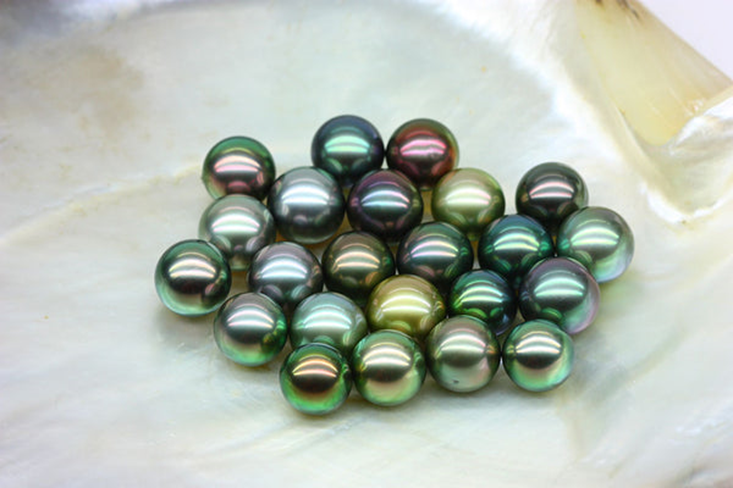
The price of Tahitian pearls varies widely, from $500 for smaller, lightly blemished pearls to $30,000+ for flawless, large specimens with vibrant overtones. Often featured in high-end designs, Tahitian pearls symbolize elegance and sophistication with a modern twist.
4. South Sea Pearls
South Sea pearls are the pinnacle of pearl luxury, prized for their impressive size, soft luster, and warm hues. Cultivated in the waters of Australia, Indonesia, and the Philippines, these pearls grow larger than any other type, ranging from 9mm to 20mm or more. They are available in exquisite shades of white, silver, and gold, with golden South Sea pearls being especially rare and coveted.
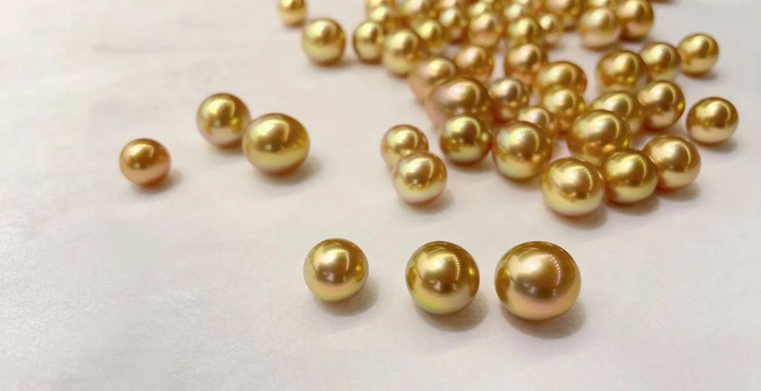
The thick nacre of these pearls contributes to their velvety appearance and durability, making them ideal for heirloom-quality jewelry. South Sea pearls are often crafted into elegant statement pieces, such as necklaces and earrings, and are valued for their exclusivity. Prices start around $1,000 for smaller or blemished pearls and can exceed $100,000 for flawless, large specimens with exceptional color and luster.
Factors That Affect the Cost of Pearls
The value of pearls depends on multiple factors. Here’s a look at some of the key elements that influence pearl prices:
Natural Pearls Vs. Cultured Pearls in Costs
When purchasing pearls, you may encounter both natural and cultured varieties. While natural pearls form without human intervention, cultured pearls are created with the assistance of pearl farmers.
How to Find Affordable High-Quality Pearls?
When shopping for pearls, there are several strategies you can use to find high-quality pieces at affordable prices:
1.Look for Freshwater Pearls: Freshwater pearls are often more affordable compared to saltwater varieties but can still be very high-quality if chosen carefully.
2.Buy Directly from Farmers: Purchasing pearls directly from pearl farmers or wholesale distributors can often lower costs by eliminating middlemen.
3.Consider Smaller Pearls: If you're on a budget, consider buying smaller pearls. They may be more affordable but can still offer good value and beauty.
4.Shop During Off-Season: Many pearl retailers offer sales during certain seasons or off-peak periods. You can often find good deals during these times.
5.Check for Cultured Pearls: If you’re looking for a more affordable option, cultured pearls are typically less expensive than natural ones while still offering great quality.
Conclusion
The value of pearls varies based on factors like type, size, luster, shape, and origin. Some pearls can cost thousands of dollars, while others, particularly cultured or freshwater varieties, are more affordable. By understanding these factors, you can confidently determine the price pearls cost and make an informed purchase. Whether you’re investing in a timeless necklace or seeking unique pink or oyster pearls, the beauty of these gemstones lies in their variety and elegance.
So, how much are pearls worth? The answer depends on a variety of factors, but with the right knowledge, you can find beautiful and high-quality pearls at almost any price range.