To clean sterling silver, begin by using a soft cloth to gently wipe away any surface dirt or tarnish. For more stubborn tarnish, mix a solution of warm water and mild dish soap. Soak the silver briefly and use a soft toothbrush to scrub. For heavy tarnish, create a paste with baking soda and water. Apply it to the silver with a cloth, gently rubbing it in, then rinse and dry thoroughly.
Alternatively, you can use a silver polish cloth or a commercial silver cleaner, following the manufacturer's instructions. Avoid harsh chemicals or abrasive materials, as they may damage the finish. Regular cleaning and storing silver properly can help prevent tarnish buildup and maintain its shine.
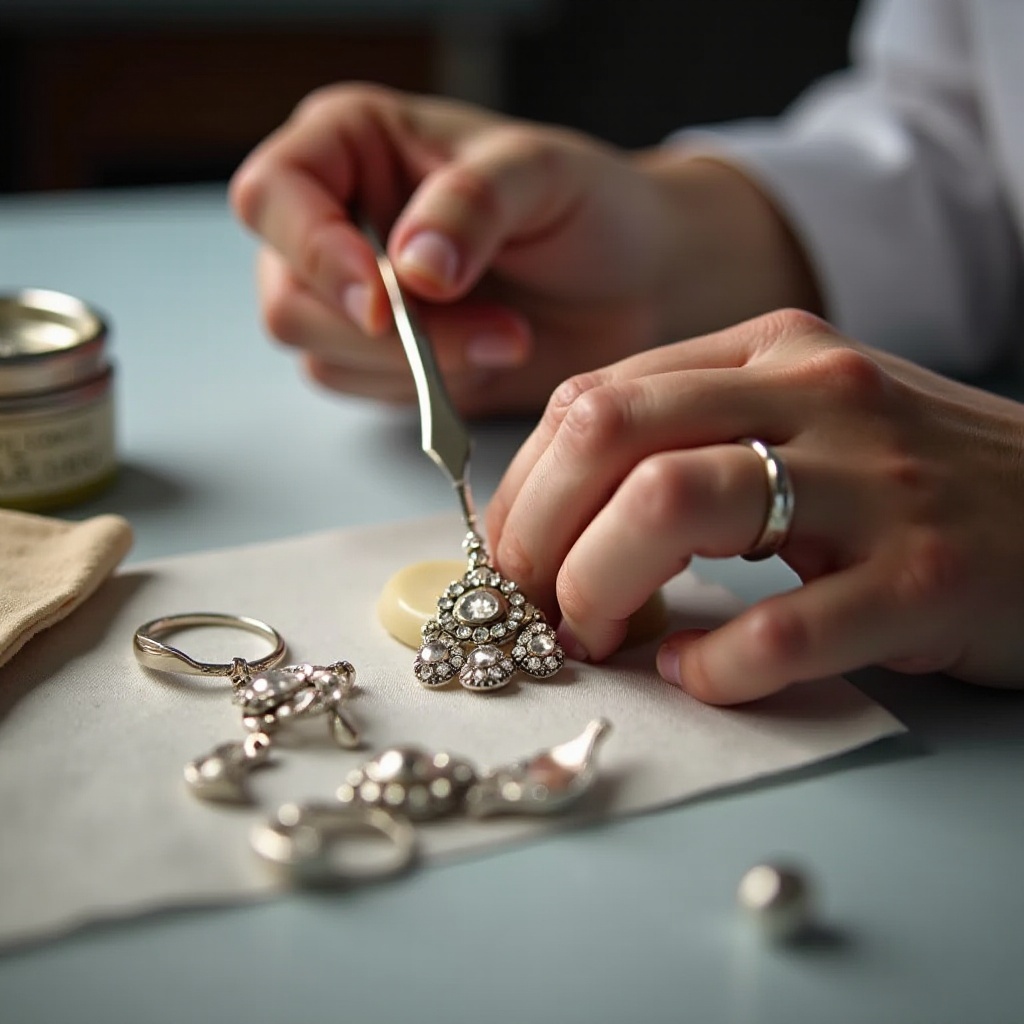
How to Clean Sterling Silver Necklace?
To clean a sterling silver necklace, start by using a soft, lint-free cloth to wipe off any surface dirt or oils. If tarnish is present, mix a solution of warm water and a mild dish soap. Soak the necklace briefly, then use a soft toothbrush to gently scrub intricate areas.
For more stubborn tarnish, you can create a paste using baking soda and water. Apply the paste to the necklace with a soft cloth, gently rub it in, then rinse and dry thoroughly.
Alternatively, use a silver polish cloth or a commercial cleaner specifically designed for sterling silver. Be sure to follow the manufacturer's instructions to avoid damaging the necklace. Avoid using abrasive materials or harsh chemicals that could scratch or dull the silver. Regular maintenance and proper storage will help keep your sterling silver necklace shiny and tarnish-free.
How to Clean Sterling Silver Ring?
To clean a sterling silver ring, start by wiping it with a soft, lint-free cloth to remove any dirt or oils. If tarnish is visible, mix warm water with mild dish soap. Soak the ring briefly and use a soft toothbrush to clean intricate details.
For stubborn tarnish, create a paste using baking soda and water. Apply the paste with a cloth, gently rub it in, then rinse and dry thoroughly.
You can also use a silver polish cloth or a commercial cleaner designed for sterling silver, following the instructions on the label. Be cautious with harsh chemicals, as they can damage the finish. Avoid using abrasive materials that may scratch the ring.
Regular cleaning and proper storage in a tarnish-free pouch will help maintain the ring’s shine and keep it looking new.
How to Remove Tarnish from Sterling Silver?
To remove tarnish from sterling silver, start by using a soft cloth to gently wipe away surface dirt. If tarnish remains, mix a solution of warm water and mild dish soap. Soak the silver briefly, then use a soft toothbrush to scrub any tarnished areas.
For heavier tarnish, create a paste using baking soda and water. Apply the paste to the tarnished areas with a soft cloth, gently rubbing it in. Rinse the silver with water and dry thoroughly.
Alternatively, use a silver polish cloth or a commercial silver cleaner specifically designed for tarnish removal. Follow the product’s instructions carefully. Avoid using abrasive materials or harsh chemicals, as they may scratch or damage the silver.
Regular cleaning and proper storage, such as keeping the silver in an anti-tarnish cloth or pouch, will help prevent tarnishing in the future.
How to Clean Tarnished Sterling Silver?
To clean tarnished sterling silver, start by wiping the surface with a soft, lint-free cloth to remove any dirt or oils. If tarnish remains, mix warm water with a few drops of mild dish soap. Soak the silver briefly, then scrub gently with a soft toothbrush.
For more stubborn tarnish, create a paste using baking soda and water. Apply the paste to the tarnished areas with a cloth, rubbing gently. Rinse thoroughly with water and dry completely.
Alternatively, use a silver polish cloth or a commercial silver cleaner designed for tarnish removal. Always follow the manufacturer's instructions. Avoid abrasive materials or harsh chemicals that could damage the finish.
Regular maintenance, such as cleaning and storing sterling silver in a tarnish-free pouch, can help prevent future tarnishing and keep it looking shiny.
How to Shine Sterling Silver?
To shine sterling silver, start by cleaning it to remove any dirt, oils, or tarnish. Use a soft, lint-free cloth to wipe the surface, or mix mild dish soap and warm water. Soak the silver briefly, then scrub gently with a soft toothbrush.
For extra shine, use a silver polish cloth specifically designed to enhance the silver's luster. Gently rub the cloth over the silver in circular motions to restore its shine.
For more stubborn tarnish, create a paste using baking soda and water. Apply the paste to the silver with a cloth, rub gently, then rinse and dry thoroughly.
Avoid using abrasive materials or harsh chemicals that can scratch or dull the surface. Regular cleaning and proper storage in an anti-tarnish pouch will help maintain the shine and keep the silver looking its best.
How to Clean Sterling Silver with Baking Soda?
To clean sterling silver with baking soda, start by making a paste. Mix three parts baking soda with one part water to form a thick paste. Apply the paste to the tarnished areas using a soft cloth or a soft-bristled toothbrush.
Gently rub the paste onto the silver in circular motions, focusing on tarnished spots. Once you’ve cleaned the surface, rinse the silver thoroughly with warm water and dry it with a soft cloth.
For heavily tarnished pieces, you can also create a cleaning solution by lining a bowl with aluminum foil, adding a mixture of baking soda, salt, and hot water. Soak the silver in the solution for a few minutes, then rinse and dry.
Always avoid using abrasive materials to prevent scratching the silver. Regular cleaning with baking soda will help maintain your sterling silver's shine and reduce tarnishing.
How Do I Clean Sterling Silver at Home?
To clean sterling silver at home, start by wiping it with a soft, lint-free cloth to remove dirt and oils. For light tarnish, mix warm water with a small amount of mild dish soap, then soak the silver for a few minutes. Gently scrub with a soft toothbrush to remove tarnish from intricate areas.
For heavier tarnish, make a paste using baking soda and water. Apply the paste to the silver with a cloth, gently rub it in, and rinse with warm water.
Alternatively, you can use a silver polish cloth or a commercial silver cleaner, following the manufacturer's instructions. Avoid using harsh chemicals or abrasive materials, as they may scratch or damage the silver.
Store your silver in an anti-tarnish pouch or cloth to prevent future tarnishing and maintain its shine.
How to Untarnish Sterling Silver?
To untarnish sterling silver, start by cleaning it with a soft cloth to remove surface dirt. For light tarnish, mix warm water and mild dish soap, then soak the silver for a few minutes. Use a soft toothbrush to scrub the tarnished areas gently.
For more stubborn tarnish, create a paste with baking soda and water. Apply the paste to the silver, rubbing gently in circular motions. Rinse thoroughly with water and dry with a soft cloth.
Another method is to use a tarnish-removing silver polish cloth or a commercial silver cleaner designed for tarnish removal. Always follow the instructions provided with the product.
For heavily tarnished silver, you can also use an aluminum foil and baking soda solution. Line a bowl with foil, add hot water, baking soda, and salt, and soak the silver for a few minutes. Rinse and dry after cleaning.
Proper storage and regular cleaning can help prevent tarnish from building up again.
How to Polish Sterling Silver at Home?
To polish sterling silver at home, start by cleaning the silver with warm, soapy water to remove dirt and oils. Soak the silver briefly and use a soft toothbrush to scrub any intricate details. Rinse and dry it thoroughly with a lint-free cloth.
Next, use a silver polish cloth, which is specifically designed to restore shine. Gently rub the cloth over the silver in small circular motions.
For heavier tarnish, you can create a paste by mixing baking soda and water. Apply the paste to the silver with a soft cloth, gently rub it in, then rinse and dry thoroughly.
Avoid using abrasive materials or harsh chemicals, as they can damage the surface. Regular polishing with a silver polish cloth will help maintain its shine and prevent tarnish buildup.
Store sterling silver in an anti-tarnish pouch or cloth to reduce the risk of tarnishing between cleanings.
What Cleans Sterling Silver?
Sterling silver can be cleaned using several methods. For light cleaning, use a soft, lint-free cloth to gently wipe off dirt and oils. If tarnish is present, mix warm water with mild dish soap. Soak the silver briefly and scrub gently with a soft toothbrush.
For more stubborn tarnish, baking soda and water can create an effective paste. Apply the paste with a cloth, rub gently, then rinse and dry thoroughly.
Silver polish cloths or commercial cleaners designed for sterling silver can also be used. Be sure to follow the manufacturer's instructions for best results.
Avoid using harsh chemicals or abrasive materials, as they can scratch and damage the silver. Regular cleaning and proper storage in an anti-tarnish cloth or pouch will help maintain the silver's shine and prevent tarnishing.
How to Get Tarnish Off Sterling Silver?
To get tarnish off sterling silver, start by cleaning it with a soft, lint-free cloth to remove dirt or oils. If tarnish remains, create a solution of warm water and mild dish soap. Soak the silver briefly, then scrub with a soft toothbrush.
For more stubborn tarnish, use a paste made from baking soda and water. Apply it gently with a cloth, rub in circular motions, and then rinse thoroughly with water.
Another option is to use a silver polish cloth or a commercial silver cleaner specifically designed to remove tarnish. Always follow the product's instructions to avoid damaging the silver.
Avoid using abrasive materials, as they may scratch or dull the surface. Regular cleaning and proper storage, such as keeping silver in an anti-tarnish pouch, will help prevent tarnish buildup.
How to Fix Sterling Silver Tarnish?
To fix sterling silver tarnish, start by cleaning the silver with a soft, lint-free cloth to remove dirt and oils. For light tarnish, mix warm water and mild dish soap, soak the silver briefly, and scrub gently with a soft toothbrush.
For more stubborn tarnish, create a paste using baking soda and water. Apply the paste to the tarnished areas using a soft cloth, rub gently in circular motions, then rinse thoroughly with water.
You can also use a silver polish cloth or commercial tarnish remover designed specifically for sterling silver. Always follow the manufacturer’s instructions to ensure the best results without damaging the silver.
If the tarnish is severe, you may use an aluminum foil and baking soda solution. Soak the silver in the solution for a few minutes, rinse, and dry it thoroughly.
Proper storage, such as keeping your sterling silver in an anti-tarnish pouch, will help prevent future tarnishing and keep it looking polished.
What Can I Use to Clean Sterling Silver?
To clean sterling silver, you can use several common household items. For light cleaning, a soft, lint-free cloth works well to wipe away dirt and oils. For tarnish, mix warm water with mild dish soap, soak the silver briefly, and use a soft toothbrush to scrub.
Baking soda and water can create an effective paste for removing tarnish. Apply the paste gently with a cloth, rub in circular motions, and rinse with water.
Silver polish cloths or commercial silver cleaners are specifically designed to clean and shine sterling silver. Always follow the product instructions to ensure the best results.
For more severe tarnish, you can use an aluminum foil, baking soda, and hot water solution. Soak the silver in this solution for a few minutes, rinse, and dry thoroughly.
Avoid using abrasive materials or harsh chemicals that could scratch or damage the silver. Regular cleaning will help maintain its shine and prevent tarnish buildup.
Can You Clean Sterling Silver?
Yes, you can clean sterling silver at home using a few simple methods. Start by using a soft, lint-free cloth to wipe away dirt and oils. For tarnish, mix warm water with mild dish soap, soak the silver briefly, and scrub gently with a soft toothbrush.
For stubborn tarnish, create a paste using baking soda and water. Apply the paste to the silver with a soft cloth, rub gently, and rinse with water.
Silver polish cloths or commercial silver cleaners are also effective options. Just follow the instructions provided with the product.
For severe tarnish, you can use an aluminum foil, baking soda, and hot water solution. Soak the silver in the solution for a few minutes, then rinse and dry thoroughly.
Avoid using abrasive materials or harsh chemicals, as they can damage or scratch the silver. Regular cleaning and proper storage in an anti-tarnish pouch will help maintain the silver's shine and prevent tarnish buildup.
What Is the Best Way to Clean Sterling Silver?
The best way to clean sterling silver depends on the level of tarnish and the type of silver item. For light tarnish, use a soft, lint-free cloth to gently wipe the surface. If tarnish persists, mix warm water with mild dish soap and soak the silver briefly. Use a soft toothbrush to clean hard-to-reach areas.
For stubborn tarnish, create a paste by mixing baking soda with water. Apply it gently to the silver with a cloth, rub in circular motions, rinse thoroughly, and dry.
Silver polish cloths or commercial cleaners designed for sterling silver are also effective. Always follow the instructions to avoid damage.
For severe tarnish, an aluminum foil, baking soda, and hot water solution works well. Soak the silver for a few minutes, rinse, and dry it thoroughly.
To keep sterling silver looking its best, avoid abrasive materials and store it in an anti-tarnish pouch or cloth to reduce tarnish buildup.