If you find that your turquoise jewelry has become dirty, you might feel a strong urge to clean it and restore its pristine appeal. However, cleaning delicate items like turquoise jewelry can present a challenge. So, how to clean turquoise jewelry effectively without incurring any damage?
If you are wondering how to clean silver and turquoise jewelry, this blog is for you. In the following sections, we will delve into the importance of care, the essential cleaning supplies needed, and provide a step-by-step guide on how to clean turquoise stones. Additionally, we will introduce some tips for maintaining your turquoise jewelry and highlight common pitfalls to avoid. Dive right in!

Why Turquoise Needs Special Care
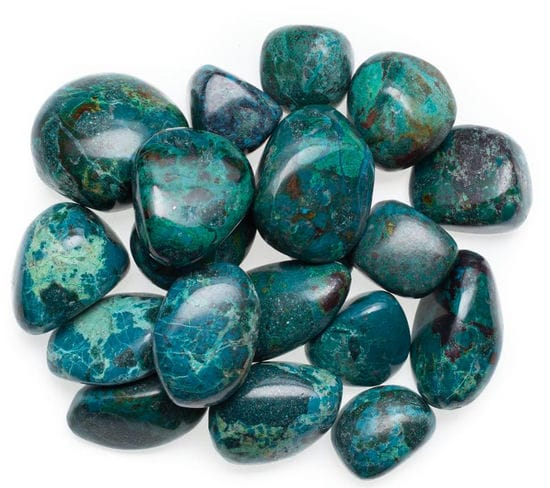
Turquoise is a unique and beautiful gemstone that requires special care to maintain its vibrant color and delicate structure. Before delving into the steps of how to clean silver turquoise jewelry, it is important to know the reasons why turquoise needs special care:
Porosity and Absorption
Turquoise is a porous stone, meaning it can easily absorb liquids and oils. Exposure to water, lotions, perfumes, and other substances can cause discoloration and dull its natural luster. Even natural skin oils can affect the stone over time, leading to changes in color and appearance.
Sensitivity to Chemicals
Chemicals found in household cleaning products, cosmetics, and even some jewelry cleaning solutions can damage turquoise. These substances can react with the minerals in the stone, causing it to weaken, crack, or lose its vibrant color.
Softness and Fragility
On the Mohs scale of mineral hardness, turquoise ranks between 5 and 6, making it softer than many other gemstones. This softness makes turquoise prone to scratches, chips, and other forms of physical damage.
Environmental Factors
Turquoise can be affected by environmental conditions such as extreme heat, direct sunlight, and humidity. Prolonged exposure to sunlight can cause the stone to fade, while excessive heat can lead to dehydration and cracks. Humidity can also impact the setting of the stone, especially if it's mounted on materials like sawdust, which can swell and loosen the turquoise.
Supplies You'll Need
Properly cleaning and maintaining your turquoise jewelry requires a few essential supplies, which we list here:
Mild Soap: A gentle, non-detergent soap helps create a safe cleaning solution that won’t damage the delicate turquoise or the metal settings.
Soft Cloth: A microfiber or chamois cloth is perfect for wiping away dust and polishing the jewelry without scratching the stones or silver.
Soft-Bristled Brush: A soft-bristled toothbrush or makeup brush allows you to clean intricate areas and detailed settings gently and effectively.
Clean Water: Distilled water is ideal for rinsing your jewelry, as it prevents mineral deposits that can occur with tap water.
Cotton Swabs: Cotton swabs, such as Q-tips, are excellent for applying the cleaning solution to small, hard-to-reach areas without causing damage.
Non-Metallic Bowl: Use a plastic or glass bowl to mix your cleaning solution. Avoid metal bowls as they can react with the cleaning solution or the jewelry itself, potentially causing damage.
Step-by-Step Cleaning Guide
Ok, it’s time to get down to the cleaning business. How do you clean turquoise jewelry? Follow these steps to clean your turquoise jewelry effectively and safely:
Prepare the Cleaning Solution
In a non-metallic bowl, mix a small amount of mild soap with distilled water to create a gentle cleaning solution. Avoid using hot water, as it can damage the turquoise.
Dip the Soft Cloth
Dip a corner of the soft cloth into the cleaning solution. Make sure the cloth is damp, not soaking wet, to prevent excessive moisture from reaching the stone.
Gently Wipe the Jewelry
Carefully wipe the surface of the turquoise jewelry with the damp cloth, using gentle, circular motions. Focus on removing any surface dirt or oils.
Use the Soft-Bristled Brush
For intricate areas and detailed settings, use the soft-bristled brush. Dip the brush into the cleaning solution and gently scrub these areas to dislodge any dirt or residue.
Clean Small Areas with Cotton Swabs
Dip a cotton swab in the cleaning solution and use it to clean small, hard-to-reach areas of the jewelry. This is particularly useful for detailed or filigree work.
Rinse with Clean Water
Rinse the jewelry under a gentle stream of distilled water to remove any soap residue. Make sure not to submerge the jewelry completely, especially if it has intricate settings.
Pat Dry with a Soft Cloth
Immediately after rinsing, use a dry, soft cloth to pat the jewelry dry. Avoid rubbing the turquoise vigorously to prevent scratching or damaging the stone.
Air Dry Completely
Allow the jewelry to air dry completely before storing it. Place it on a soft towel in a dry, shaded area to ensure all moisture evaporates.
Store Properly
Once the jewelry is completely dry, store it in a soft fabric pouch or a jewelry box lined with a soft material. This will protect it from dust, moisture, and scratches.
Tips for Maintaining Turquoise Jewelry
Turquoise jewelry pieces are delicate items that require routine maintenance to stay attractive. Here are some tips for efficient maintenance:
Handle with Clean Hands
Always handle your turquoise jewelry with clean hands to avoid transferring oils, lotions, or other substances that could stain or damage the stone.
Wear with Care
Put on your turquoise jewelry after applying makeup, perfume, hairspray, or lotion to minimize contact with these potentially damaging substances.
Keep it Dry
Always remove your turquoise jewelry before washing your hands, bathing, swimming, or engaging in activities that could expose it to water or sweat.
Common Mistakes to Avoid
When handling turquoise jewelry items, there are some common mistakes you had better steer clear of:
Using Harsh Chemicals
Avoid cleaning your turquoise jewelry with harsh chemicals, such as commercial jewelry cleaners, bleach, or ammonia. These substances can react with the minerals in turquoise, causing discoloration and damage.
Exposing to Excessive Moisture
Do not expose your turquoise jewelry to excessive moisture. Water can penetrate the porous surface of turquoise, leading to discoloration and weakening of the stone.
Storing Incorrectly
Improper storage can lead to scratches, tarnishing, and other forms of damage. Avoid tossing your turquoise jewelry into a drawer or leaving it on a surface where it can come into contact with other hard objects.
Conclusion
Now you know how to clean and restore turquoise jewelry. As we’ve demonstrated in this blog, cleaning turquoise jewelry is an easy and rewarding process. By using gentle, non-abrasive cleaning methods and proper storage techniques, you can maintain the vibrant beauty of your turquoise pieces for years to come.