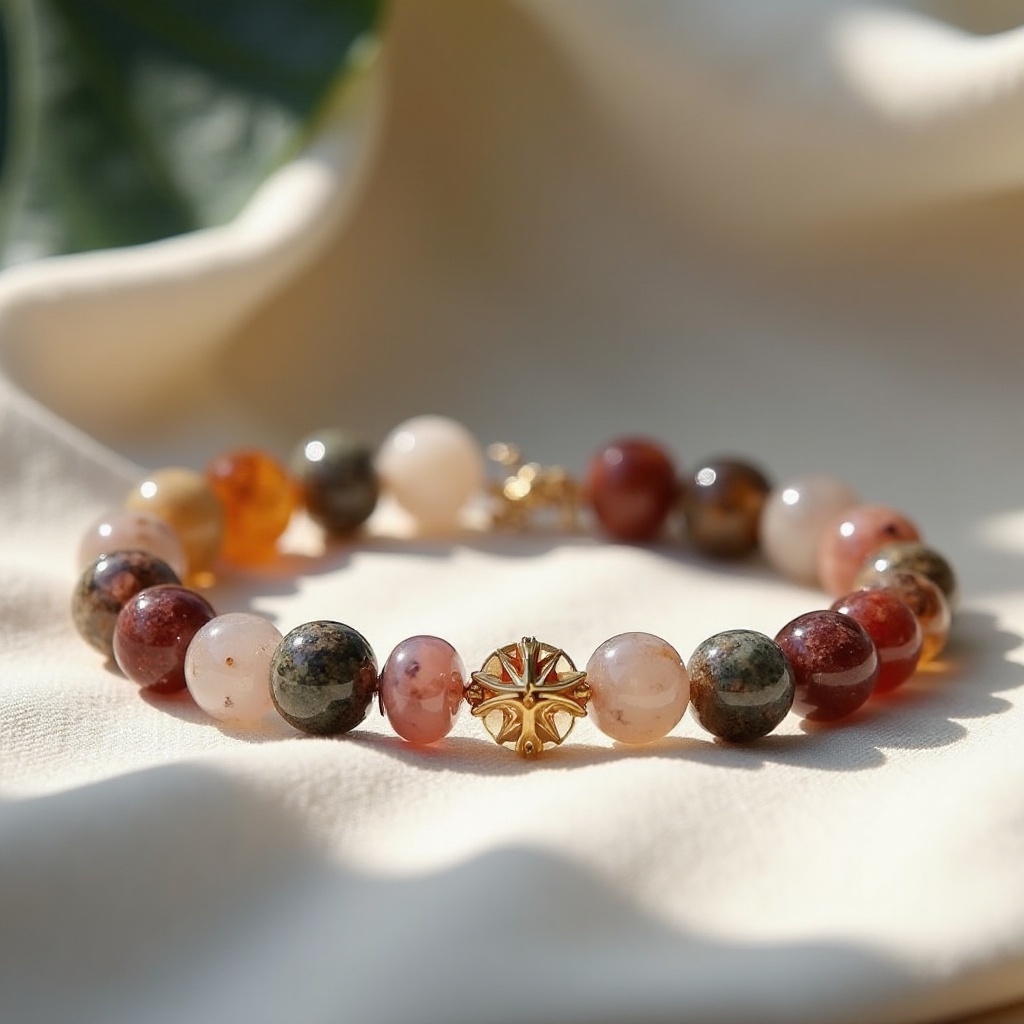
Sliding knot bracelets are a favorite for many jewelry lovers because they are stylish, adjustable, and easy to wear. But like any piece of jewelry, they can sometimes run into issues. The knots might get stuck, the bracelet may loosen too much, or the cord may fray. Luckily, these problems are usually fixable at home with just a little patience.
In this guide, we’ll dive into how to fix a sliding knot bracelet, explore what makes them unique, review common issues, and walk through the practical steps you can follow to get yours working like new again. Without further ado, let’s get started!
What is a Sliding Knot Bracelet?
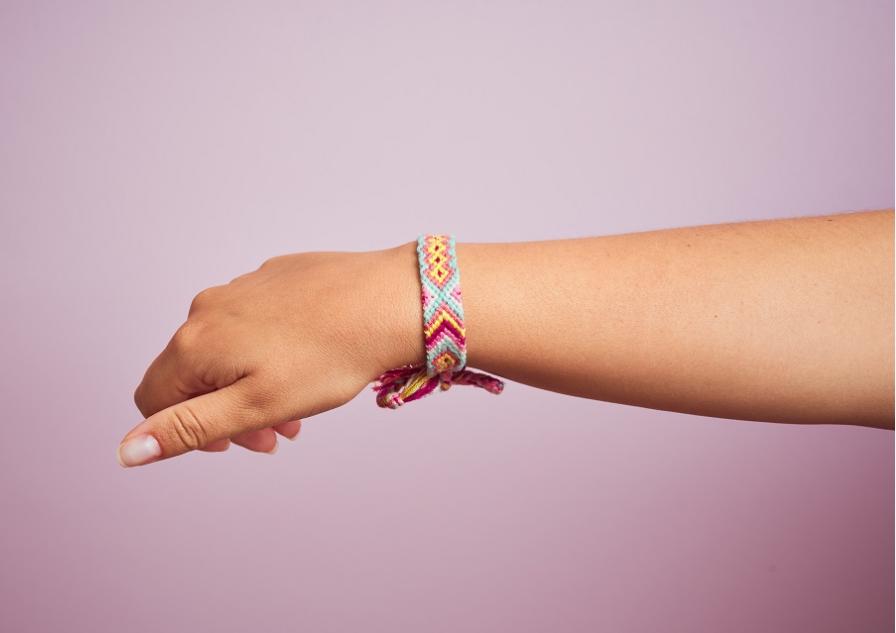
A sliding knot bracelet is a type of bracelet that uses one or two knots to make the band adjustable. Instead of a clasp, you simply pull on the ends to tighten or loosen it. This design makes it popular among handmade jewelry enthusiasts, as it’s easy to craft and adjust to different wrist sizes.
The knots are often referred to as slip knots. They allow the bracelet to expand or contract without untying completely. This flexibility means you can wear the bracelet loosely for comfort or snugly for a secure fit. It also makes sliding knot bracelets a great gift since the sizing isn’t as restrictive as a fixed bracelet.
There are variations of the sliding knot design, including the single sliding knot bracelet, the double sliding knot bracelet, and versions with decorative toggles or beads. No matter the style, the adjustable mechanism is what makes this type of bracelet so appealing.
Common Problems with a Sliding Knot Bracelet
As lovely as adjustable sliding knot bracelets are, there can be problems over time. Knots may stiffen, cords can wear out, or the bracelet may no longer tighten properly. Below are the most common issues you might face.
The Knot Won’t Move
One of the most frustrating issues is when the knot becomes stiff or refuses to slide. This usually happens when dirt, sweat, or friction causes the cord fibers to stick together. The bracelet may feel stuck in one position, making it difficult to either loosen or tighten as needed.
The Bracelet Becomes Too Loose
Sometimes the knots slip too easily, leaving the bracelet unable to stay tight around the wrist. This is especially common with cords that have become worn down, overly smooth, or stretched out from repeated use. The bracelet may look fine at first but gradually loosens while being worn.
Frayed or Broken Cord
Over time, the cord material can fray or even snap completely. This not only makes the bracelet look unattractive but also weakens its structure and makes it less reliable. At this point, restringing the bracelet with fresh cord is usually necessary, especially if you want it to last. Knowing how to tie a slip knot on a bracelet can make this process easier.
Tangled or Overlapping Knots
In some designs, particularly a double sliding knot bracelet, the knots can overlap or tangle with each other. This prevents the bracelet from adjusting smoothly and may cause uneven tightening. The bracelet can feel clunky or unbalanced until the knots are carefully reset into their proper positions.
How to Fix a Sliding Knot Bracelet?
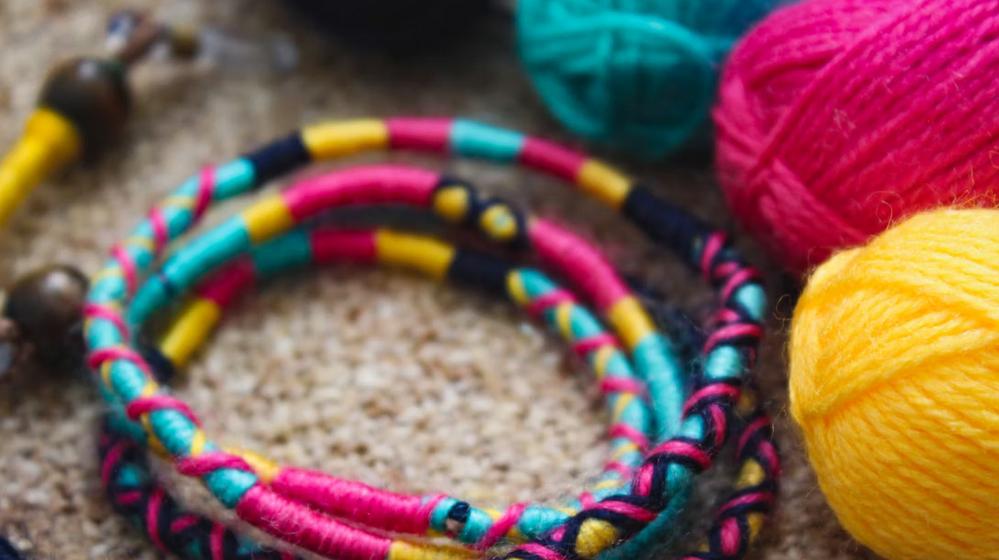
Fixing a sliding knot bracelet is simpler than it might seem. With a few basic steps, you can restore the adjustability and appearance of your bracelet. Here’s how to fix a bracelet that you pull to tighten:
Step 1: Identify the Problem
Before attempting any repair, take a moment to carefully inspect your bracelet. Is the knot too tight? Does the cord appear frayed, worn, or uneven? Or is the bracelet simply slipping loose when you wear it?
Pinpointing the exact issue will guide you in choosing the right solution, whether that means loosening, retying, or replacing parts of the knot. Skipping this step can lead to wasted effort if you treat the wrong problem.
Step 2: Loosen a Stuck Knot
How to fix a sliding knot bracelet that won't move?
If the knot won’t slide, gently wiggle it back and forth while pulling lightly on the bracelet ends. Sometimes, moisture, or even applying a single drop of conditioner or wax, can help soften the fibers.
In many cases, a stuck knot only needs a little patience and careful movement to loosen up. Avoid pulling too aggressively, as this may only lock the knot tighter or damage the cord.
Step 3: Retie the Slip Knot
When the knot no longer holds tension, retying is usually the best option. Start by untying the old knot completely, then form a fresh bracelet slip knot.
Thread the cord end back through the loop, making sure the knot is snug but still able to slide.
How to tie an adjustable knot on a bracelet with two strings? For bracelets made with two strings, the process is slightly different:
This creates two opposing slip knots that slide against each other. The result is a balanced double sliding knot bracelet that adjusts smoothly and holds its tension.
This method can take some practice, but once mastered, it’s one of the most reliable fixes for restoring strength and adjustability to your bracelet.
Step 4: Reinforce the Knot
For bracelets that constantly loosen, add an extra loop or double the knot for strength. This creates an adjustable sliding knot bracelet that holds far more securely.
A double sliding knot bracelet is particularly useful for smooth materials like leather or nylon, where a single knot may slip. Reinforcing also adds durability, meaning you won’t have to repeat repairs as often.
Step 5: Replace the Cord if Necessary
If the cord is too frayed, thin, or completely broken, replacement is the only solution. Cut a new piece of cord (usually twice the circumference of your wrist for proper adjustment) and thread it back through the beads or charms.
Finish it with fresh slip knots to restore the adjustable function. While this takes a little more work, it essentially gives your bracelet a new lease of life.
Many people take this opportunity to upgrade the cord with a different color or material, refreshing the look of their accessory while bringing it back to full working order.

Conclusion
So, you know how to fix a sliding knot bracelet. As we have seen, it is easier than many people think. By identifying the problem, loosening or retying the knots, reinforcing them for extra security, or even replacing the cord, you can bring your bracelet back to life.
So next time your bracelet feels stuck, loose, or worn out, don’t rush to replace it. With a little care and patience, you can restore it to full function and keep enjoying your favorite accessory for years to come!