To check if a pearl is real, you can use a few simple methods. The most common test is the "tooth test." Rub the pearl gently against your teeth. A real pearl feels gritty or slightly sandy, while a fake one feels smooth.
Another method is to examine the surface. Real pearls have unique imperfections, and their surfaces are never perfectly smooth. You can also check the luster; real pearls have a deep, rich luster, whereas fake pearls may look overly shiny.
Lastly, examine the drill hole. Real pearls typically have slightly irregular holes, while imitation pearls have uniform, smooth holes.
How Can You Tell Real Vs Fake Pearls?
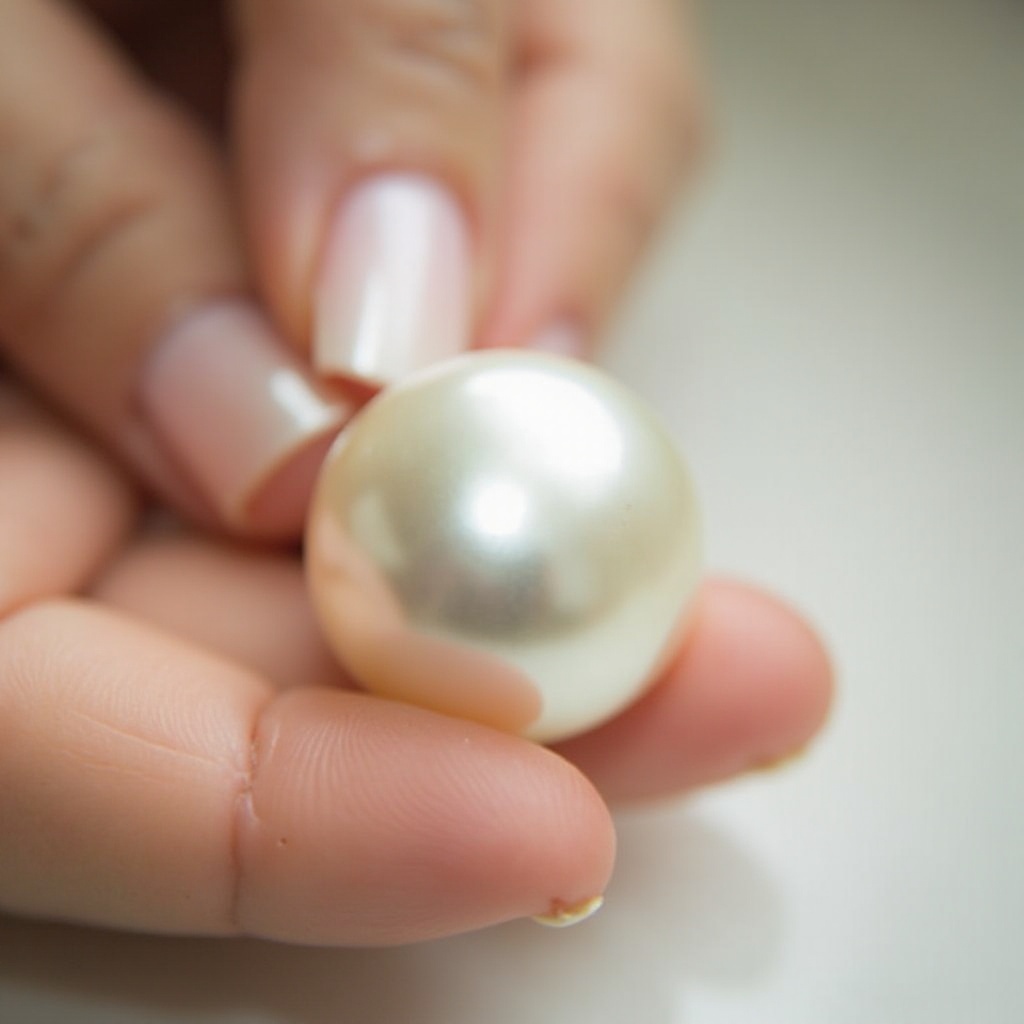
To distinguish real pearls from fake ones, start by feeling their texture. Real pearls have a gritty texture when rubbed against your teeth, while imitation pearls feel smooth. This is due to the natural material of real pearls versus the smooth surface of artificial ones.
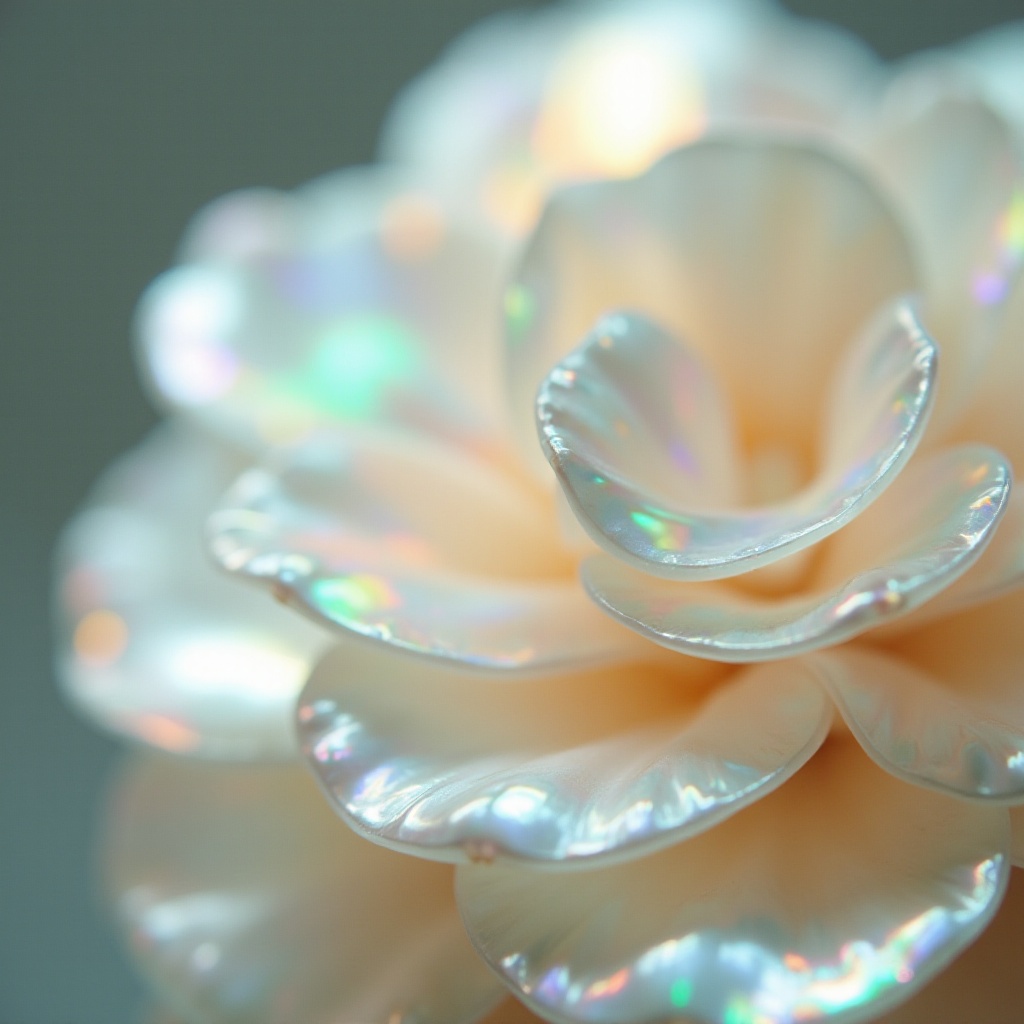
Next, inspect the surface. Authentic pearls often have slight imperfections and irregularities. If the pearl appears too perfect, it might be synthetic. The luster is another indicator: real pearls have a deep, rich, and subtle shine, while fakes often appear overly shiny or dull.
Lastly, look at the drill hole. Real pearls usually have slightly irregular holes, while imitation pearls have uniform, perfectly smooth holes. You can also check the price: genuine pearls tend to be more expensive due to their rarity and natural formation.
How Do You Know Pearls Are Real?
To determine if pearls are real, there are several key tests. The "tooth test" is the most common. Rub the pearl gently against your teeth; real pearls will feel slightly gritty, while fake pearls feel smooth.
Another method is to examine the surface. Real pearls have slight imperfections, and their surface is rarely perfect. Fake pearls often have a uniform, flawless appearance.
You can also check the luster. Real pearls reflect light with a soft, rich glow, while imitations often have an artificial shine. Lastly, inspect the drill hole; real pearls tend to have irregular, natural holes, whereas fake pearls have smooth, uniform ones.
What Do Real Pearls Look Like?
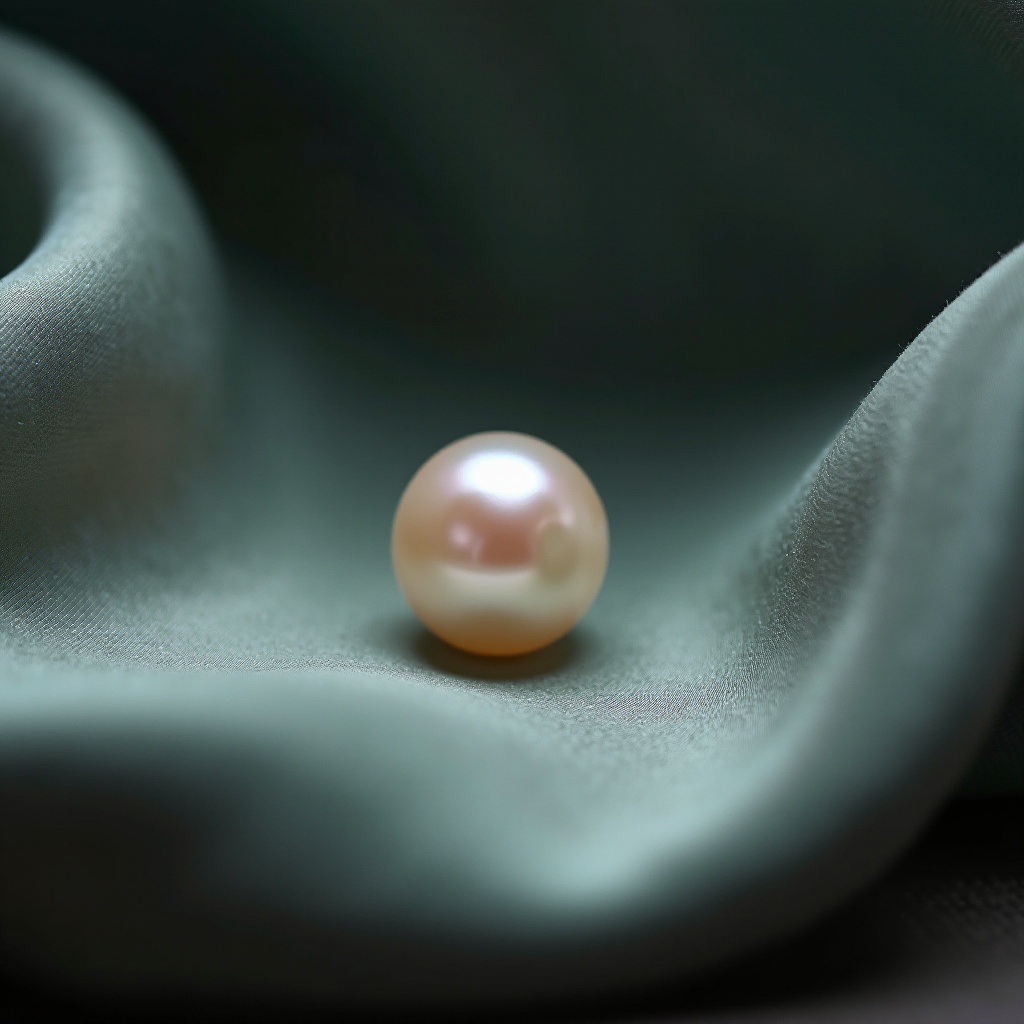
Real pearls have a unique, lustrous appearance that sets them apart from imitations. They reflect light in a soft, glowing way, giving them a rich, deep shine. The surface of a real pearl is rarely flawless, often showing slight imperfections and irregularities.
The color of real pearls can vary, ranging from white, cream, pink, and silver to darker shades like black and gold, depending on the type. Their shape can also differ, though most pearls are round, while others may be oval or baroque (irregular).
The texture of a real pearl is gritty to the touch, particularly when rubbed against teeth, as opposed to fake pearls, which feel smooth. Additionally, real pearls have a unique, individual feel and are not perfectly uniform in size or shape.
How to Identify Real Pearls at Home?
To identify real pearls at home, start with the "tooth test." Gently rub the pearl against your teeth. Real pearls will feel gritty, while fake ones will feel smooth.
Next, examine the surface. Real pearls often have small imperfections or irregularities, whereas imitation pearls are typically flawless and uniform in appearance.
Check the luster: real pearls have a deep, rich glow that reflects light softly. Fake pearls may appear overly shiny or dull. Lastly, inspect the drill hole. Natural pearls tend to have slightly uneven, irregular holes, while imitation pearls have smooth, uniform ones.
How to Identify Pearl Is Original?
To identify if a pearl is original, start with the "tooth test." Rub the pearl gently against your teeth. Real pearls feel gritty or slightly rough, while fake pearls feel smooth.
Examine the surface for imperfections. Authentic pearls often show minor irregularities, while imitation pearls have a flawless, uniform appearance. Also, check the luster. Real pearls have a deep, rich shine that reflects light softly, while fake pearls may appear overly shiny or dull.
Additionally, inspect the drill hole. Real pearls tend to have irregular, slightly rough holes, while imitation pearls often have smooth, perfect holes. Finally, consider the price—genuine pearls are more expensive due to their rarity and the time it takes for them to form.
What Is the Difference Between a Real Pearl Necklace Vs Fake?
The main difference between a real pearl necklace and a fake one lies in the material and appearance. Real pearls are formed naturally and have unique imperfections, giving them a gritty texture when rubbed against teeth, while fake pearls feel smooth.
Real pearl necklaces have a deep, rich luster, reflecting light softly, whereas imitation pearls often look overly shiny or dull. Additionally, real pearls vary in size, shape, and surface quality, while fake pearls are often uniform and flawless.
Another key distinction is the weight. Real pearls are generally heavier than fake ones. The drill holes in real pearls tend to be irregular, while imitation pearls have perfectly smooth and uniform holes. Finally, price is a good indicator: real pearls are far more expensive due to their rarity and natural formation.
Are Majorica Pearls Real?
Majorica pearls are not real pearls, but they are high-quality imitation pearls. They are crafted using a unique process that involves coating a bead with a substance that mimics the luster and texture of a real pearl.
Majorica pearls are known for their excellent craftsmanship and resemble natural pearls in appearance. However, they are not formed organically like real pearls. Instead, they are man-made, often using a glass core, which gives them a smooth, consistent surface.
While they may look and feel like real pearls, Majorica pearls are more affordable, offering a similar aesthetic to natural pearls at a lower price point.
What Are Simulated Pearls?
Simulated pearls are man-made pearls designed to mimic the appearance of natural pearls. Unlike real pearls, which are formed by marine mollusks or freshwater mussels, simulated pearls are created through artificial processes.
These pearls are often made with a plastic or glass core, coated with a layer that imitates the luster and texture of real pearls. The coating may consist of substances like lacquer or other materials that provide a pearl-like shine.
While they resemble real pearls in appearance, simulated pearls are more affordable and lack the organic origin of natural pearls. They are commonly used in costume jewelry and provide a similar aesthetic to genuine pearls at a lower price point.
How to Tell If Pearls Are Real with Hot Water?
To tell if pearls are real using hot water, gently place the pearl in a cup of hot water. Real pearls are made of organic material and will not be affected by the heat, while synthetic pearls may be damaged or lose their luster.
After a few seconds, carefully remove the pearl. If it's a real pearl, it should remain unaffected, maintaining its natural shine. However, if it's a fake pearl, the surface might begin to crack, discolor, or appear dull due to the heat.
This test works because real pearls are heat-resistant, while artificial pearls are typically made from plastic or other synthetic materials that can react negatively to hot water.
Does Real Pearl Scratch?
Yes, real pearls can scratch, but they are relatively durable due to their natural composition. Real pearls are made of nacre, which is a combination of aragonite and conchiolin, making them somewhat resistant to scratching. However, they can still be damaged by abrasive materials.
To avoid scratching, it's important to handle pearls with care. Storing them separately from other jewelry, like metals or gemstones, can prevent scratches. Regularly wiping pearls with a soft cloth will help maintain their surface and luster.
While real pearls are not as fragile as they might seem, they do require gentle handling to preserve their beauty and prevent surface damage.