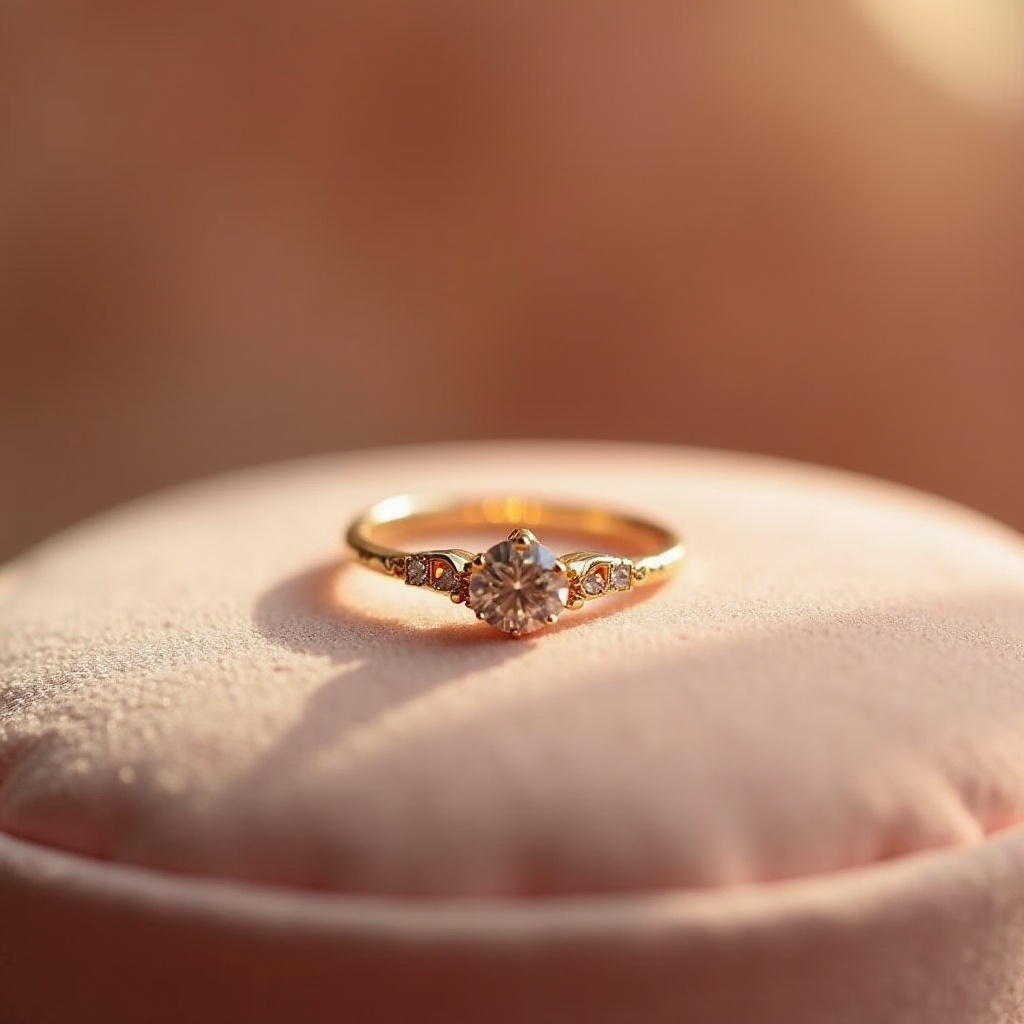
Setting diamonds in jewelry requires precision and attention to detail. The most common setting styles are prong, bezel, channel, and pavé settings.
- Prong Setting: This is the most traditional and popular method, where metal prongs hold the diamond in place, allowing maximum light reflection. It’s ideal for larger diamonds and enhances brilliance.
- Bezel Setting: The diamond is encircled by a metal rim, providing extra security. This setting is popular for those seeking a modern look or for people who need durable settings.
- Channel Setting: Diamonds are set between two metal walls without prongs. This is typically used for smaller diamonds, providing a smooth, continuous look.
- Pavé Setting: Small diamonds are set closely together with tiny metal beads or prongs. This style creates the illusion of a continuous diamond surface and is often used in bands or accentuating rings.
Each setting style is chosen based on factors like diamond size, shape, and desired durability. Proper setting techniques also ensure the diamond is secure and visually appealing.
What Are Pave Diamonds?
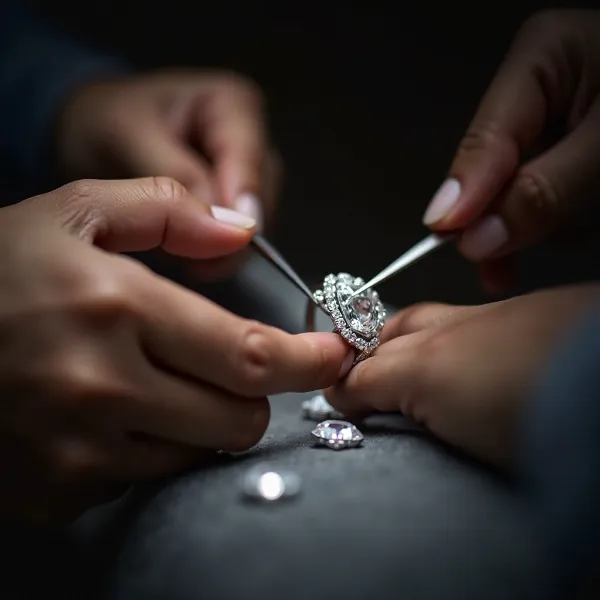
Pavé diamonds refer to small diamonds set closely together, often in a band or accent piece, using tiny metal beads or prongs. This technique creates the appearance of a continuous surface of diamonds, enhancing the jewelry's sparkle and brilliance.
The term "pavé" is French for "paved," which reflects the idea of the diamonds being set like a cobblestone road. This setting style is often used in engagement rings, wedding bands, and other fine jewelry. It allows for multiple diamonds to be included without overwhelming the piece's design.
Pavé settings can be full (covering the entire band) or partial (limited to specific areas). It’s a popular choice for those seeking a glamorous, high-impact look without the cost of larger diamonds. The technique can be challenging to master, as the diamonds must be set with precision to ensure they stay securely in place.
What Is Girdle Diamond?
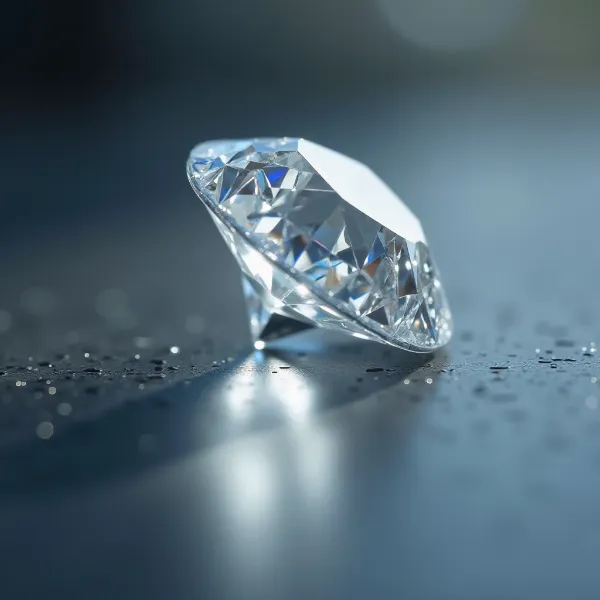
The girdle of a diamond is the thin, outer edge that separates the crown (top) from the pavilion (bottom) of the diamond. It is the widest part of the stone and is typically where the diamond is set into jewelry.
The girdle can be faceted, polished, or left unpolished, and its thickness can vary. A well-proportioned girdle ensures that the diamond is securely set and allows for proper light reflection, enhancing the stone’s brilliance.
Girdle thickness is an important factor in diamond grading. A girdle that is too thick may cause the diamond to appear bulky, while a thin girdle can make the diamond more prone to chipping. The ideal girdle is typically of medium thickness.
What Is a Composite Diamond?
A composite diamond refers to a diamond that is created by combining multiple smaller diamonds to form a single larger, more visually impressive stone. This method is often used to enhance the size or appearance of a diamond without the cost of a single large stone.
Composite diamonds typically involve a setting where smaller diamonds are grouped together, either in a cluster or specific arrangement, to mimic the look of a larger diamond. They are also used in designs such as halos or floral patterns, where multiple stones surround a central diamond.
While composite diamonds can appear larger, they do not hold the same value as a single, large diamond of the same size due to the use of multiple smaller stones. These diamonds can offer a more affordable alternative for those seeking a larger diamond look while staying within a budget.
What Is Accent Diamond?
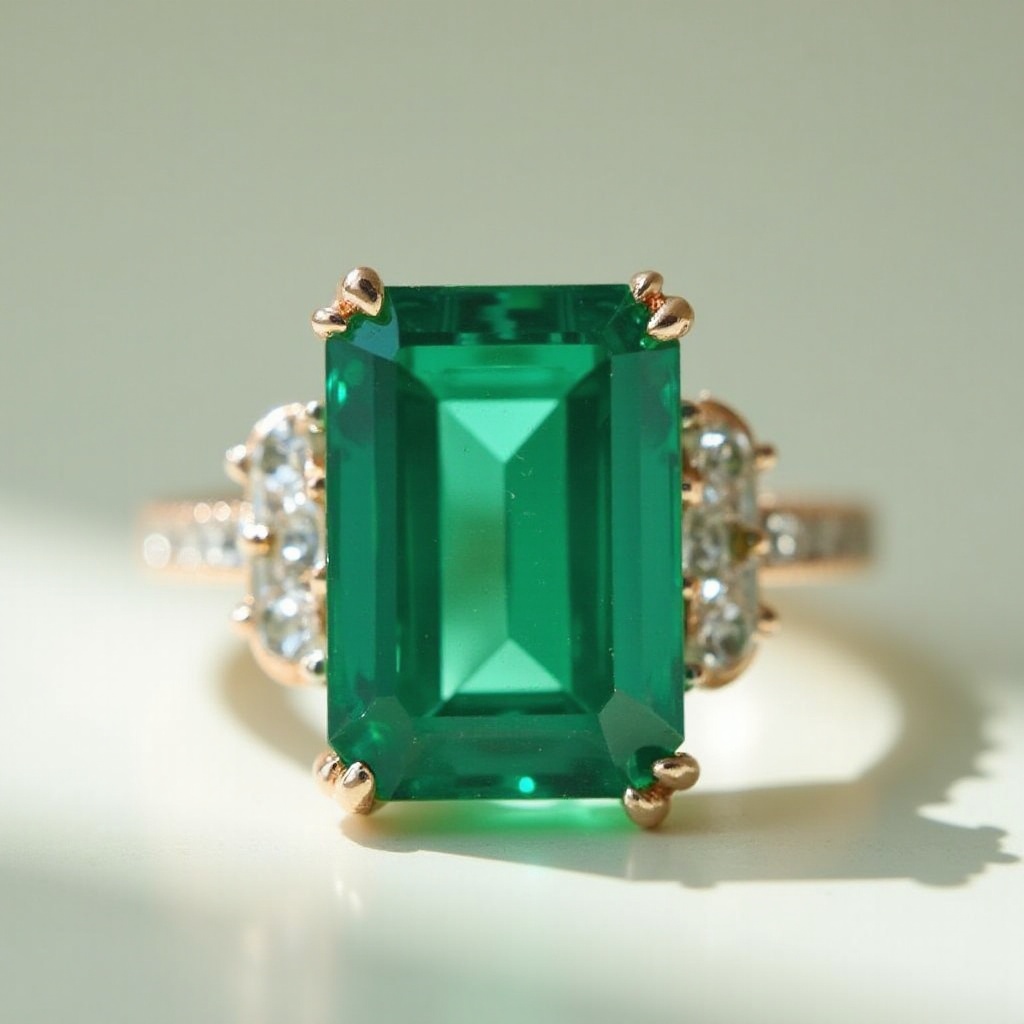
An accent diamond refers to smaller diamonds used to enhance the appearance of a larger central diamond in a piece of jewelry. These diamonds are typically set around the main stone, in designs like halos, side stones, or pavé settings.
Accent diamonds are chosen for their ability to complement the main diamond by adding extra sparkle and visual appeal. They often create a stunning contrast, making the center stone appear larger and more prominent.
While accent diamonds are generally smaller in size, they play a crucial role in the overall design and can significantly enhance the beauty of the jewelry piece. They are commonly used in engagement rings, wedding bands, and other fine jewelry.
How Much Does It Cost to Set a Diamond Ring?
An accent diamond refers to smaller diamonds used to enhance the appearance of a larger central diamond in a piece of jewelry. These diamonds are typically set around the main stone, in designs like halos, side stones, or pavé settings.
Accent diamonds are chosen for their ability to complement the main diamond by adding extra sparkle and visual appeal. They often create a stunning contrast, making the center stone appear larger and more prominent.
While accent diamonds are generally smaller in size, they play a crucial role in the overall design and can significantly enhance the beauty of the jewelry piece. They are commonly used in engagement rings, wedding bands, and other fine jewelry.
How to Keep Diamonds from Falling Out?
To keep diamonds from falling out of a setting, it is important to regularly inspect the jewelry and maintain its integrity.
- Check Prongs Regularly: Ensure prongs holding the diamond are intact and not worn down. If prongs are bent or loose, the diamond may become loose and fall out.
- Proper Setting Choice: Choose secure settings, like bezel or tension settings, which provide extra protection by holding the diamond more tightly.
- Avoid Impact: Avoid exposing the diamond to heavy impact or pressure, as this can loosen the setting and cause the stone to dislodge.
- Frequent Professional Check-ups: Have your diamond jewelry checked by a professional jeweler at least once a year to ensure all settings are secure.
- Maintenance: Proper care, such as cleaning and storing your jewelry carefully, also helps prevent the diamonds from loosening due to dirt or damage to the setting.
How to Make Diamonds More Secure in Rings?
To make diamonds more secure in rings, there are several methods to ensure the stone stays in place:
- Choose a Secure Setting: Opt for a setting that holds the diamond tightly, such as a bezel setting, where the diamond is encircled by metal, or a tension setting, which grips the diamond from both sides.
- Check Prongs: If using a prong setting, ensure the prongs are not too thin or damaged. Regularly check for any loose prongs and have them tightened by a jeweler if necessary.
- Regular Inspections: Have your ring checked by a professional jeweler at least once a year to assess the diamond’s security and make adjustments as needed.
- Avoid Impact: Be mindful of the ring’s exposure to heavy impacts, which can cause damage or loosen the setting. Remove the ring when performing tasks like cleaning or heavy lifting.
- Secure Maintenance: Periodically clean the ring to remove dirt and grime, as buildup can interfere with the diamond’s setting. Proper storage also helps prevent the stone from loosening.
Are Pave Diamonds More Expensive?
Pavé diamonds can be more expensive than traditional diamond settings due to the labor-intensive process of setting the small diamonds closely together. The setting requires precise workmanship to ensure the diamonds are securely placed, which increases labor costs.
Additionally, pavé settings often use multiple small diamonds, which can add up in cost, especially if high-quality stones are used. The type of metal used for the setting also affects the overall price. Platinum or high-karat gold can further increase the cost.
However, pavé diamonds offer a striking, luxurious appearance by creating the illusion of a continuous diamond surface, which may justify the higher cost for those seeking a more glamorous look. It’s essential to balance the visual impact and budget when choosing pavé settings.
Which Finger Is for Divorce Ring?
There is no universal or specific finger designated for a "divorce ring." However, some individuals choose to wear a divorce ring on the right hand, typically on the ring finger, after ending a marriage.
The right hand is often used for non-traditional rings or for those who no longer wish to wear their wedding ring. It symbolizes a new chapter in life.
Some may opt for a different finger entirely, depending on personal preference or the significance they attach to the ring. Ultimately, the choice of which finger to wear a divorce ring on is up to the individual and their personal style.
What Is the Difference Between Diamond Accent and Diamond?
The difference between a diamond accent and a diamond lies in their size, purpose, and value.
A diamond accent refers to smaller diamonds that are used to complement or enhance the appearance of a larger diamond in a piece of jewelry. These accents are typically placed around the main stone or along the band to add extra sparkle and visual appeal without significantly increasing the overall cost.
On the other hand, a diamond refers to a larger, primary gemstone that is typically the focal point of a piece, like an engagement ring or pendant. The diamond is graded based on the 4 Cs—cut, color, clarity, and carat weight—and significantly contributes to the jewelry's value.
While both diamonds and accents can be of high quality, the main difference is the size and the role they play in the design.