To determine if a crystal is real, start by checking its weight. Authentic crystals are typically heavier than their synthetic counterparts. You can also inspect the clarity; real crystals often have natural inclusions, while fake ones may look too perfect.
Another test is the hardness test, using the Mohs scale. Real crystals, like quartz, have a higher hardness level and are less prone to scratches. You can also test for thermal conductivity, as real crystals tend to feel cooler to the touch compared to synthetic ones.
Lastly, inspect the crystal's surface. Real crystals usually have a rough or slightly uneven surface, while fake crystals may have a smooth, polished finish. A jeweler’s loupe or magnifying glass can help you check for imperfections or patterns unique to natural crystals.
How Much Is a Quartz Crystal Worth?
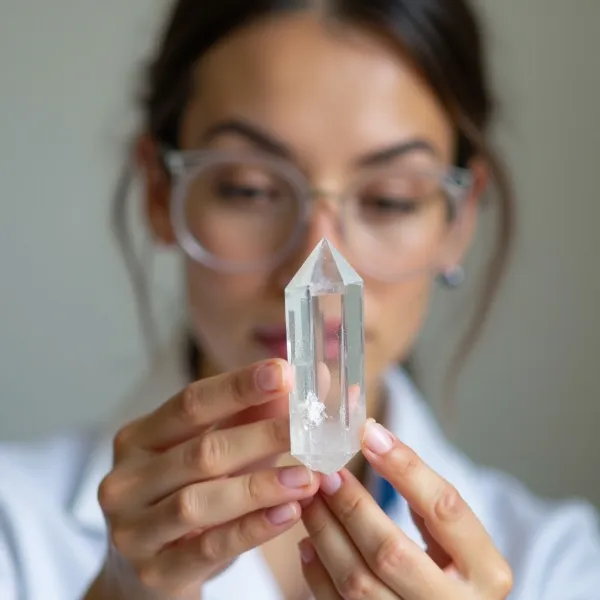
The value of a quartz crystal can vary depending on several factors, including its size, clarity, color, and whether it is a rare variety like rose or smoky quartz. Basic quartz typically costs between $1 and $5 per carat.
Higher-quality crystals with exceptional clarity or unique color variations can range from $10 to $50 per carat. Quartz crystals with special properties, like those used in metaphysical practices, may fetch higher prices due to demand.
For larger specimens, such as quartz clusters or geodes, prices can range from $20 to $200 or more, depending on the quality and size. Rare quartz types, like amethyst geodes or citrine, can also significantly increase the price.
How to Tell the Difference Between Glass and Crystal?
To tell the difference between glass and crystal, first check the weight. Crystal is denser and heavier than glass due to its higher lead content. This makes crystal feel more substantial when held.
Next, inspect the surface for clarity and shine. Crystal typically has more brilliance and sparkle than glass. You can also perform a "ring test" by tapping the object gently; crystal produces a resonant, prolonged sound, whereas glass produces a duller, shorter sound.
Another method is the scratch test. Crystal is harder than glass, so it is more resistant to scratches. Real crystal may also feature intricate cuts and patterns, especially on high-quality pieces, while glass tends to have smoother surfaces.
Lastly, examine the label or documentation. Genuine crystal often comes with certification or a maker’s mark, while glass does not. If unsure, a jeweler or professional appraiser can provide an accurate assessment.
What Is the Difference Between Crystal and Glass?
The main difference between crystal and glass lies in their composition. Crystal typically contains lead oxide, which gives it a higher density and refractive quality, making it more brilliant and sparkly than glass. Glass, on the other hand, is a simpler mixture of silica and other materials, without the added lead.
Crystal is also more durable and can be cut with intricate patterns due to its hardness, while glass is softer and more prone to chipping. This gives crystal a more luxurious and refined appearance, often seen in fine jewelry and glassware.
Another distinction is sound. When tapped, crystal produces a resonant, musical tone, while glass tends to have a duller, shorter sound. Additionally, crystal is heavier than glass, and often feels more substantial in hand.
What Kind of Crystal Is This?
To identify a crystal, you need to consider several factors, including its color, transparency, texture, and any inclusions. Common types of crystals include quartz, amethyst, citrine, and rose quartz, each with distinctive features.
For example, quartz is clear or milky with a glass-like appearance, while amethyst is typically purple and has a smooth texture. Citrine is golden yellow to orange, and rose quartz is usually pale pink with a translucent appearance.
You can also perform hardness tests or check the crystal’s refractive properties, such as its shine and brilliance. For a more accurate identification, you may need to consult an expert or use gemological tools.
How Much Is Crystal Worth?
The value of a crystal can vary greatly depending on factors such as type, size, clarity, and rarity. Common crystals like quartz can be worth as little as $1 to $5 per carat. However, more rare varieties, such as amethyst or citrine, can range from $10 to $50 per carat.
Specialty crystals, such as those with unique color variations or large clusters, may fetch higher prices. For example, high-quality rose quartz or smoky quartz could be priced between $20 to $100 per carat, depending on their appearance and origin.
Additionally, crystals used for metaphysical purposes or those with historical significance may be valued higher due to demand in specific markets. Larger crystals, especially those used in jewelry, can also command higher prices based on craftsmanship and the presence of certifications.
How to Tell If Crystal Is Valuable?
To determine if a crystal is valuable, first assess its rarity. Rare types like diamond, ruby, or certain colored sapphires are generally more valuable. Crystals with unique colors, clarity, or special properties (e.g., healing attributes) also tend to command higher prices.
Next, evaluate the size and quality of the crystal. Larger, high-quality specimens with minimal inclusions and good clarity are often more valuable. The crystal's cut and shape can also influence its worth, particularly if it has been carefully crafted for jewelry.
The crystal’s origin can impact its value too. Crystals from specific locations or those with historical significance can be more desirable. Additionally, if the crystal is part of a sought-after collection or has been certified, its value may be higher.
Lastly, consider the market demand. Some crystals, like amethyst or citrine, have steady demand, while others may fluctuate in price. Consulting a gemologist or using tools like a loupe can help you assess its true worth.
Is Lead Crystal Valuable?
Lead crystal can be valuable, but its worth depends on factors like quality, age, and craftsmanship. Lead crystal is prized for its brilliance, clarity, and the way it reflects light due to its high lead content, which makes it more luxurious than regular glass.
Higher-quality lead crystal, particularly those from renowned manufacturers like Waterford or Baccarat, can be worth a significant amount. Older or limited-edition pieces can also command higher prices, especially if they feature intricate cuts or designs.
However, lead crystal is generally less valuable than gemstones or precious metals. Its value is more tied to its aesthetic appeal and brand rather than its rarity. While it can be a valuable collector's item or luxury piece, lead crystal’s value is still lower compared to more precious materials.
How to Identify a Crystal for Beginners?
To identify a crystal as a beginner, start by observing its color, shape, and transparency. Many crystals have distinct colors, such as amethyst (purple), citrine (yellow), or rose quartz (pink), which can be a helpful clue.
Next, examine the crystal's surface for texture and clarity. Some crystals, like quartz, may have smooth surfaces, while others may appear rough or have visible inclusions. Use a magnifying glass to get a closer look at any natural imperfections.
Another important step is to test the crystal's hardness. You can use the Mohs hardness scale, where crystals like quartz (hardness of 7) are harder than materials like talc (hardness of 1). Scratching a piece of glass or metal with the crystal can help.
Finally, familiarize yourself with common crystal types, like quartz, calcite, or fluorite. Learning about the visual characteristics of these crystals and their properties will make identification easier. For more accurate results, you can consult a gemologist or use a crystal identification guide.
How to Avoid Fake Crystals?
To avoid fake crystals, first, buy from reputable sources or well-known jewelry brands. Trusted retailers often provide authenticity certificates or offer guarantees that their crystals are genuine.
Next, inspect the crystal closely. Real crystals typically have natural inclusions or imperfections, while fake ones often appear flawless. Use a magnifying glass to check for tiny air bubbles or uniform patterns that suggest a synthetic origin.
You can also test the crystal's weight. Genuine crystals are usually heavier than glass or plastic, so if the crystal feels light, it could be fake. Additionally, real crystals often have a cold, smooth touch, whereas synthetic ones feel warmer.
Another helpful method is the "scratch test." Real crystals like quartz are harder than most fakes, so they resist scratching. However, perform this test carefully to avoid damaging the crystal.
Finally, be cautious of overly low prices. If a crystal is being sold at an unusually low price for its type, it may be synthetic. Always do your research on the crystal type and its typical market value before purchasing.
What Crystals Are Commonly Faked?
Several crystals are commonly faked due to their popularity and high demand. Some of the most frequently replicated crystals include amethyst, quartz, citrine, and jade.
Amethyst is often faked by heating quartz to produce a similar purple color. Citrine is another crystal that is frequently imitated by heat-treated amethyst or fake yellow glass. Rose quartz and clear quartz are also commonly replicated using glass or acrylic.
Jade, especially high-quality jadeite, is often imitated with dyed serpentine or other lower-quality stones. Additionally, turquoise and lapis lazuli are often faked with dyed howlite or plastic materials.
These synthetic or fake versions can sometimes be hard to distinguish from genuine crystals, so it’s important to buy from reputable sellers and verify the authenticity of the stone with a professional when necessary.
How to Test a Crystal at Home?
To test a crystal at home, you can perform several basic tests to help identify its authenticity and characteristics. Start with the "hardness test" using the Mohs scale. Try scratching the crystal with a material of known hardness, like a piece of glass or a steel nail. Genuine crystals are typically harder than glass.
Next, check the crystal's weight. Real crystals are denser and heavier compared to synthetic crystals or glass. Hold the crystal and compare its weight to an object of similar size.
You can also check the crystal's clarity and surface. Real crystals often have natural inclusions, bubbles, or irregularities. Fake crystals tend to have flawless surfaces and lack these natural imperfections. Use a magnifying glass to inspect these details.
Finally, perform the "cold test." Genuine crystals usually feel cool to the touch due to their density, while glass or plastic fakes tend to warm up more quickly. If you're unsure, seek professional advice or use a gem testing kit for a more accurate assessment.