To determine if a sapphire is real, start by inspecting its color, clarity, and overall appearance. Genuine sapphires often have a rich, deep color with slight inclusions, which are natural. A fake sapphire may appear too perfect or have visible flaws like bubbles or streaks.
You can also check the hardness. Sapphires rate 9 on the Mohs scale, so they are highly scratch-resistant. Try scratching the surface with a tool like a knife; if it scratches, it’s likely a fake.
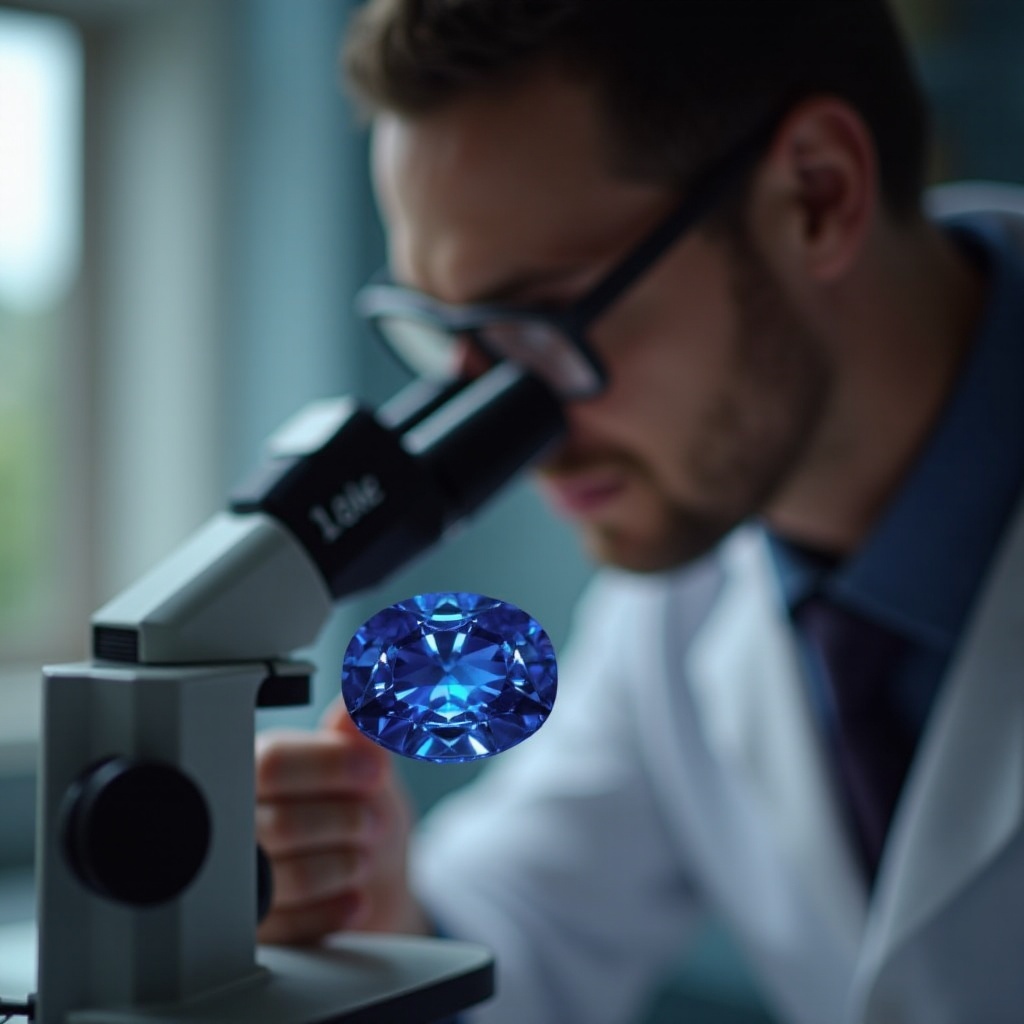
Another test involves checking its temperature. Real sapphires feel cold to the touch at first, unlike fakes that may feel warmer. Additionally, a jeweler's loupe can reveal natural inclusions in the stone, which synthetic sapphires lack.
Lastly, consider a professional appraisal or certification. Trusted gemologists can use specialized equipment, like UV light, to confirm authenticity by detecting characteristic reactions.
What Is the Difference Between Real Sapphire Vs Fake?
The primary difference between real sapphires and fake ones lies in their composition, appearance, and durability. Real sapphires are made of corundum, a durable mineral with a hardness of 9 on the Mohs scale, making them resistant to scratches.
Fake sapphires, often made of glass, cubic zirconia, or synthetic sapphires, are softer and more prone to damage. Their color may appear too perfect, while genuine sapphires often have natural inclusions or slight color variations.
Another difference is the weight. Real sapphires are denser than their imitation counterparts, so they may feel heavier when held. Additionally, real sapphires can show subtle internal imperfections or "inclusions," whereas fake sapphires typically have a perfect, flawless appearance.
Lastly, the price is a significant indicator. Real sapphires, depending on quality, are generally much more expensive than synthetic or imitation stones. A certified gemstone appraisal can confirm authenticity, as real sapphires are often accompanied by certificates that verify their origin and quality.
Are There Synthetic Silky Sapphires?
The primary difference between real sapphires and fake ones lies in their composition, appearance, and durability. Real sapphires are made of corundum, a durable mineral with a hardness of 9 on the Mohs scale, making them resistant to scratches.
Fake sapphires, often made of glass, cubic zirconia, or synthetic sapphires, are softer and more prone to damage. Their color may appear too perfect, while genuine sapphires often have natural inclusions or slight color variations.
Another difference is the weight. Real sapphires are denser than their imitation counterparts, so they may feel heavier when held. Additionally, real sapphires can show subtle internal imperfections or "inclusions," whereas fake sapphires typically have a perfect, flawless appearance.
Lastly, the price is a significant indicator. Real sapphires, depending on quality, are generally much more expensive than synthetic or imitation stones. A certified gemstone appraisal can confirm authenticity, as real sapphires are often accompanied by certificates that verify their origin and quality.
How to Identify Raw Sapphire?
Yes, synthetic silky sapphires do exist. These are lab-created sapphires designed to resemble natural sapphires but with specific characteristics. The term "silky" refers to a particular inclusion pattern seen in the gemstone, often resembling fine, needle-like inclusions, which can enhance the stone's luster.
Silky sapphires, whether natural or synthetic, are formed through high-temperature, high-pressure processes in a controlled environment. Synthetic sapphires can be created using methods like the Verneuil or Czochralski process, which produce stones nearly identical to natural ones.
While natural sapphires with silk inclusions are highly valued for their unique appearance, synthetic silky sapphires can be a more affordable alternative. These stones offer similar aesthetic qualities but are less expensive and can be more accessible to a wider market.
What Does a Raw Sapphire Look Like?
A raw sapphire typically has a rough, unpolished appearance, with irregular edges and a dull, matte surface. It may range in color from deep blue to lighter shades, and can also appear in various hues like yellow, green, or pink, depending on its specific type.
The stone often has a natural crystalline structure, with hexagonal shapes or prismatic forms. It may have visible fractures or inclusions that reflect its unrefined state. Raw sapphires also tend to have a translucent or opaque quality, lacking the brilliance seen in cut and polished sapphires.
You may also find raw sapphires with a somewhat "dirty" appearance due to mineral impurities or coatings of surrounding materials. These stones, often found in riverbeds or mining sites, can be distinguished from other rough stones by their hardness, as sapphires rate 9 on the Mohs scale.
What Does a Sapphire Look Like?
A sapphire is a beautiful gemstone typically recognized for its rich blue color, but it can also occur in other hues like pink, yellow, and green. The color ranges from pale to deep, with the most prized sapphires exhibiting a vivid, intense blue.
Sapphires have a brilliant luster and are usually transparent to translucent, depending on their clarity. The surface may show slight inclusions, which are natural imperfections within the stone. A well-cut sapphire will reflect light beautifully, enhancing its color and brilliance.
Sapphires have a hexagonal crystal structure, often forming in prismatic or tabular shapes. When cut, the gemstone usually showcases a round, oval, cushion, or emerald shape, though other cuts are also common. Due to their high hardness (9 on the Mohs scale), they are quite durable and resistant to scratching.
How Does Sapphire Vs Diamond Compare?
Sapphires and diamonds differ significantly in appearance, composition, and value. Sapphires are made of corundum, with a hardness of 9 on the Mohs scale, making them highly durable but slightly less scratch-resistant than diamonds, which are the hardest known natural material, rated at 10.
Visually, sapphires come in various colors, with blue being the most popular. They are prized for their deep, rich hues and often have subtle inclusions that enhance their uniqueness. Diamonds, on the other hand, are most commonly colorless, although they can also be found in shades of yellow, pink, and other colors.
Diamonds are generally considered more valuable due to their rarity and the high demand in jewelry. Sapphires, though still valuable, are more affordable and accessible compared to diamonds, making them a popular alternative for engagement rings.
Both gemstones are durable, but diamonds' unparalleled hardness gives them an edge in scratch resistance, while sapphires offer beautiful color diversity and a more budget-friendly option without sacrificing too much on durability.
Is a Blue Diamond a Sapphire?
No, a blue diamond is not a sapphire. While both stones are precious gemstones, they are fundamentally different in composition, origin, and properties. A blue diamond is a variety of diamond, made of carbon, with trace elements like boron giving it its blue color.
Sapphires, on the other hand, are made of corundum, a mineral composed of aluminum oxide, and are typically blue due to the presence of iron and titanium. While blue diamonds and blue sapphires share a similar color, they are distinct in their structure, with diamonds being the hardest known material, rated 10 on the Mohs scale, compared to sapphires, which are rated 9.
In terms of value, blue diamonds are much rarer and more expensive than sapphires due to their scarcity and the unique processes that form them.
What Are the Differences Between Sapphire and Emerald?
Sapphires and emeralds differ in composition, color, and value. Sapphires are made of corundum, while emeralds are a variety of the mineral beryl, which also includes aquamarine. The key difference lies in their chemical makeup, with emeralds containing chromium, which gives them their distinct green color, and sapphires being primarily blue, though they can come in other colors as well.
In terms of hardness, sapphires are more durable, rating 9 on the Mohs scale, while emeralds are softer, with a rating of 7.5 to 8. This makes sapphires more resistant to scratching and wear.
Emeralds are typically more included than sapphires, meaning they often have visible internal flaws, which are considered part of their charm. Sapphires can also have inclusions, but they are usually less noticeable. Emeralds are often more expensive due to their rarity and vibrant color, especially in larger sizes.
Both stones are highly valued, but sapphires generally offer more durability, while emeralds stand out for their rich green hue and unique internal characteristics.
Are Lab Created Sapphires Real?
Yes, lab-created sapphires are real sapphires. They are chemically, physically, and optically identical to natural sapphires, as both are made of corundum. The main difference lies in their origin. Lab-created sapphires are produced in a controlled environment using methods like the Czochralski or Verneuil process, whereas natural sapphires form over millions of years in the Earth's crust.
Lab-created sapphires have the same color, hardness, and durability as natural ones, making them a popular, ethical, and affordable alternative. However, they are often less expensive due to the controlled production process. Despite being man-made, lab-created sapphires are still considered "real" gemstones, offering the same beauty and quality as their natural counterparts.
Are Sapphires Diamonds?
No, sapphires and diamonds are not the same. While both are precious gemstones, they differ significantly in composition, appearance, and properties. Sapphires are made of corundum, a mineral composed of aluminum oxide, while diamonds are made of carbon in a crystalline structure.
Diamonds are the hardest known natural material, with a Mohs hardness rating of 10, while sapphires are still highly durable but slightly softer at a rating of 9. This difference in hardness makes diamonds more resistant to scratches.
Sapphires come in a variety of colors, with blue being the most common, but they can also appear in yellow, green, and pink, while diamonds are typically clear or colorless but can also come in different hues, such as yellow and pink.
In terms of value, diamonds tend to be more expensive due to their rarity, hardness, and higher demand in the market. Sapphires, though valuable, are generally more affordable compared to diamonds, making them a popular alternative in engagement rings and other fine jewelry.