To determine if an emerald is real, there are several tests you can perform. Start by examining the stone closely for any visible inclusions or imperfections, as real emeralds typically have natural flaws. Next, check its color; authentic emeralds display a rich green with a blue or yellow tint.
You can also try the fog test: breathe on the emerald and watch how quickly the fog dissipates. Real emeralds tend to clear faster than fake ones. Another test is the weight check, as real emeralds are denser than glass or plastic.
For more accuracy, consider a professional gemological test, like using a loupe to inspect its internal characteristics or testing with specialized tools like a refractometer. Always ensure you buy emeralds from reputable sources to avoid counterfeit stones.
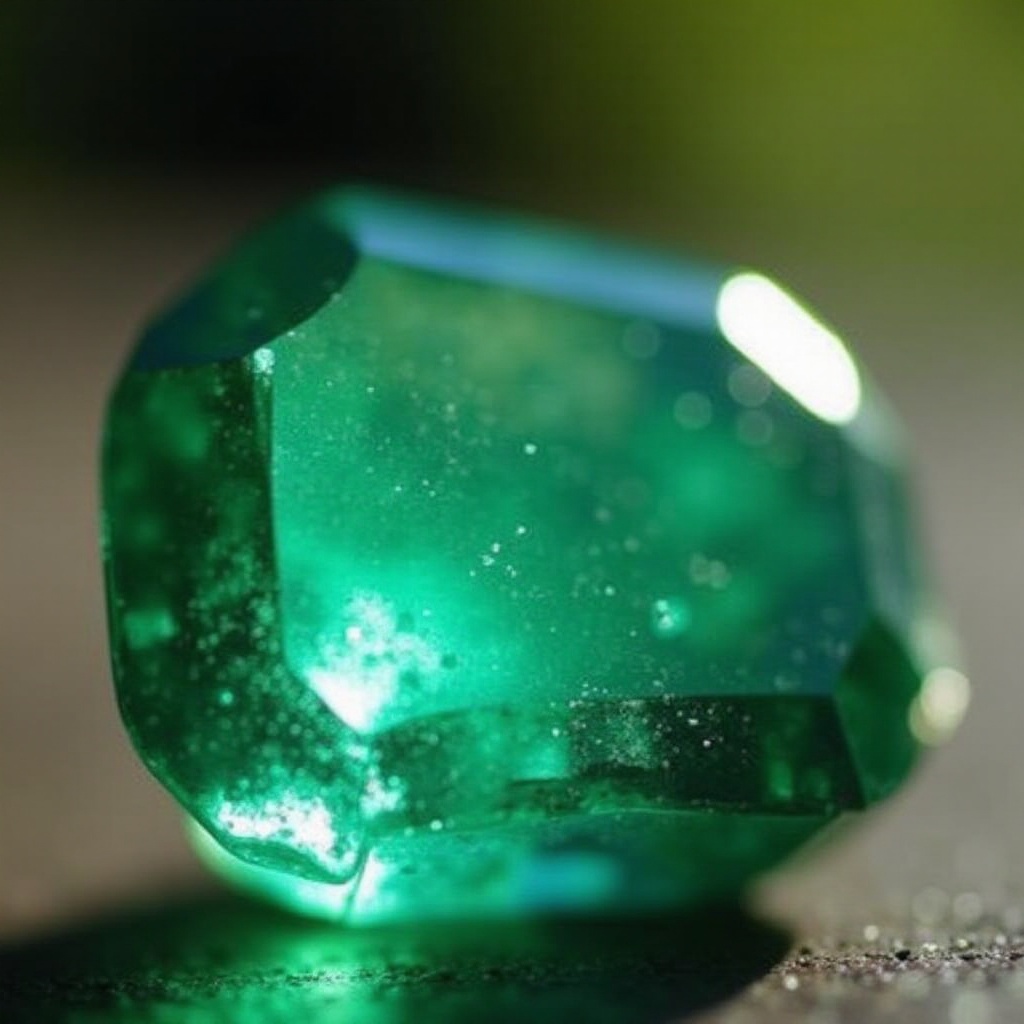
Are There Lab Grown Emeralds?
Yes, lab-grown emeralds do exist and are created through a process called hydrothermal or flux growth. These emeralds mimic the natural formation of emeralds in a lab environment, using high pressure and temperature to replicate the conditions under which natural emeralds form.
Lab-grown emeralds have the same chemical composition and physical properties as their natural counterparts, including the rich green color. They are often more affordable than mined emeralds and can be more eco-friendly.
However, distinguishing between a lab-grown and a natural emerald may require professional testing, as they share similar visual characteristics. Lab-grown emeralds are becoming increasingly popular due to their ethical production and availability.
Real Emerald Vs Fake: How to Detect?
To detect the difference between a real emerald and a fake one, start by checking its color. Real emeralds have a rich green hue, often with a bluish or yellowish tint. Fake emeralds may appear too vibrant or unnatural.
Next, examine the surface for inclusions. Genuine emeralds usually have natural imperfections, visible under magnification. Fake emeralds, often made of glass or plastic, are typically flawless.
Conduct the fog test by breathing on the stone. A real emerald will clear the fog more quickly than a fake one. You can also try the weight test: real emeralds are denser than glass or plastic, so they feel heavier.
Lastly, a refractometer test performed by a professional can definitively tell whether an emerald is real or fake, as it measures the stone's ability to bend light.
Where to Get Cut in Emerald?
You can get cut emeralds from various reputable sources, including gemstone dealers, jewelry retailers, and specialized online platforms. Established gemstone suppliers often offer emeralds with precise cuts, such as the traditional emerald cut or other shapes like oval, round, or pear.
If you prefer custom cuts, many jewelers provide bespoke services where you can choose the emerald and its cut based on your preferences. Online retailers like Blue Nile, James Allen, and Etsy also offer a wide range of cut emeralds, often with detailed information on the stone's quality and cut style.
It's essential to ensure you're purchasing from a trustworthy source that provides certification, ensuring the authenticity and quality of the emerald.
How to Get Cut Emerald?
To get a cut emerald, you can purchase one from reputable jewelers or gemstone dealers. Many jewelry stores offer a variety of pre-cut emeralds in different shapes, such as the classic emerald cut, oval, pear, and round.
If you're looking for a specific cut, you can also find customized emerald cutting services. These are often offered by jewelers who specialize in high-quality gemstones, allowing you to select your desired emerald and have it cut to your specifications.
Additionally, online platforms like Blue Nile or James Allen allow customers to browse a wide selection of cut emeralds. Ensure that the retailer provides certifications to guarantee the quality and authenticity of the emerald.
How to Identify Raw Emerald?
Identifying raw emerald involves looking for key characteristics that distinguish it from other minerals. Raw emeralds typically have a hexagonal crystal shape and are found in a range of green hues, often with a bluish or yellowish tint.
Examine the surface for visible inclusions, as natural emeralds are known for having internal flaws or “jardin” (garden-like patterns). The color is another important factor—raw emeralds have a deeper, more uneven green than cut or polished emeralds.
You can also test its hardness. Raw emeralds are relatively hard, registering a 7.5 to 8 on the Mohs scale, so they should scratch glass but not easily chip.
For more accuracy, a professional gemologist can help determine if the stone is a genuine raw emerald, using tools like a loupe, refractometer, or microscope.
Lab Created Emerald Vs Natural: How to See?
To differentiate between a lab-created and a natural emerald, start by examining the stone’s inclusions. Natural emeralds often have unique internal flaws, known as "jardin" (garden-like patterns), while lab-created emeralds may have fewer inclusions or exhibit growth patterns that differ from natural stones.
Another distinguishing feature is the color. While both lab-created and natural emeralds share a similar green hue, lab-grown emeralds can sometimes have a more consistent or vibrant color due to controlled conditions during creation.
A professional gemologist can also perform a refractive index test or use a microscope to detect subtle differences in the internal structure, confirming whether the emerald is lab-grown or natural. Certifications from reputable sources can also provide clarity on the stone’s origin.
Where Do the Best Emeralds Come from?
The best emeralds are generally sourced from a few renowned regions. Colombia is widely considered the top producer of high-quality emeralds, particularly from the Muzo, Coscuez, and Chivor mines, known for their rich green color and clarity.
Other notable sources include Zambia, which produces emeralds with a deep, vibrant green hue, and Brazil, particularly the state of Minas Gerais, known for its large, high-quality stones. Afghanistan also offers emeralds, though they are less common.
Emeralds from these regions are highly sought after for their unique color, size, and overall quality. However, factors such as cut, clarity, and treatment can also influence the value of the emerald, regardless of its origin.
Are Lab Grown Emeralds Real?
Yes, lab-grown emeralds are real in the sense that they are chemically, physically, and visually identical to natural emeralds. They are created in a laboratory using controlled processes like hydrothermal or flux growth, which replicate the conditions under which natural emeralds form.
These lab-grown emeralds have the same chemical composition, hardness, and appearance as their mined counterparts. However, they are considered man-made rather than naturally occurring. Many consumers prefer lab-grown emeralds for their ethical sourcing, cost-effectiveness, and environmental benefits.
Despite being real emeralds in terms of their composition, they are often less expensive than natural emeralds and can be distinguished by professional gemological testing.
What Is the Streak of an Emerald?
The streak of an emerald refers to the color of the powder left behind when the stone is rubbed against a ceramic plate, known as a streak plate. Emeralds typically have a white or colorless streak, as they are made of beryl, which doesn't leave a colored streak.
Streak testing is a method used to identify minerals based on their powder color, though it's not as commonly used for gemstones like emeralds. Since emeralds don't leave a colored streak, this test is generally not useful for distinguishing them from other gemstones.
However, emeralds' distinct green color and other identifying features, such as inclusions and hardness, are typically more reliable indicators when identifying the gemstone.
What Is Simulated Emerald?
A simulated emerald is a gemstone designed to resemble a real emerald in appearance but is made from different materials. Unlike natural or lab-grown emeralds, which are composed of beryl with chromium or vanadium, simulated emeralds are often made from materials like cubic zirconia, glass, or synthetic spinel.
Simulated emeralds mimic the rich green color of authentic emeralds, but they don't have the same chemical composition, hardness, or value. They are generally much less expensive than natural or lab-created emeralds, making them a popular choice for affordable jewelry.
Although simulated emeralds can look similar to real emeralds, they can be easily distinguished through gemological tests, such as examining their hardness and refractive index.