Lab-grown diamonds and real (natural) diamonds are chemically identical, both made of carbon atoms arranged in a crystal structure. The primary difference lies in their origin. Lab-grown diamonds are created in controlled environments, mimicking the natural process over a shorter period, typically using High Pressure High Temperature (HPHT) or Chemical Vapor Deposition (CVD) methods.
Real diamonds, however, form deep within the Earth's crust under extreme pressure and temperature conditions over millions of years. While lab-grown diamonds are generally more affordable and environmentally friendly, real diamonds hold a higher value in the market due to their rarity and the traditional demand.
Lab-grown diamonds are also graded on the same scale as natural diamonds, with cut, color, clarity, and carat weight determining their value. Both types offer the same durability and brilliance, but lab-grown diamonds may appeal to those looking for a more ethical or cost-effective option. Buyers should weigh these factors based on personal preference and budget.
Are Lab Created Diamonds Real?
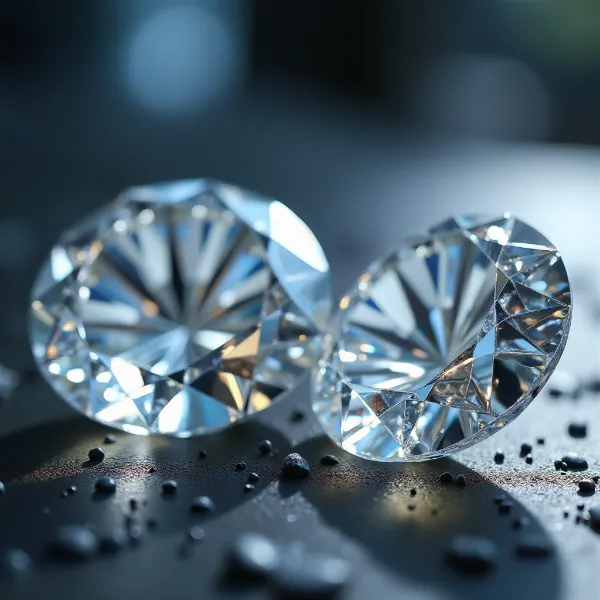
Lab-created diamonds are real diamonds in every sense. They share the same chemical composition, physical properties, and crystal structure as natural diamonds. The only difference lies in their origin: lab-created diamonds are formed in a laboratory under controlled conditions, mimicking the natural process.
These diamonds are made using two primary methods: High Pressure High Temperature (HPHT) and Chemical Vapor Deposition (CVD). Both methods replicate the extreme conditions found deep within the Earth, leading to the creation of a diamond that is virtually identical to a natural one.
Lab-created diamonds are often mistaken for fake diamonds due to their synthetic origin, but they are just as real as natural diamonds. They are graded using the same criteria, including cut, color, clarity, and carat weight, ensuring their authenticity in both beauty and value. Many people choose them for their ethical and environmental benefits, as they have a lower environmental impact and are conflict-free.
Are Man Made Diamonds Real Diamonds?
Man-made diamonds, also known as lab-grown or synthetic diamonds, are real diamonds. They have the same chemical composition, physical properties, and structure as natural diamonds, including brilliance, hardness, and durability.
The primary difference between man-made diamonds and natural diamonds is their origin. Man-made diamonds are created in laboratories using High Pressure High Temperature (HPHT) or Chemical Vapor Deposition (CVD) methods, which replicate the conditions under which natural diamonds form deep within the Earth.
Although they are produced artificially, these diamonds are chemically identical to natural ones and are graded by the same standards, such as cut, color, clarity, and carat weight. As a result, man-made diamonds are considered real diamonds. Many buyers opt for them due to their ethical sourcing, affordability, and environmental benefits, as they do not contribute to mining practices that can have a negative impact on the environment and local communities.
Do Lab Grown Diamonds Pass a Diamond Tester?
Yes, lab-grown diamonds pass a diamond tester. Since lab-grown diamonds are chemically identical to natural diamonds, they exhibit the same thermal conductivity, which is what diamond testers measure. A diamond tester detects the heat conductivity of the stone, and because lab-grown diamonds have the same properties as natural diamonds, they will test positive.
It's important to note that while a diamond tester can identify whether a stone is a diamond, it cannot distinguish between a natural and a lab-grown diamond. Both types of diamonds will react the same way on a diamond tester.
To determine whether a diamond is lab-grown or natural, more advanced testing, such as spectroscopy or inclusions analysis, is required. Some jewelers also use specialized equipment that can detect subtle differences in the diamonds' growth patterns.
Do Lab Grown Diamonds Test Real?
Lab-grown diamonds do test as real diamonds. They have the same chemical composition, physical properties, and crystal structure as natural diamonds, which means they will pass a standard diamond tester. Diamond testers measure thermal conductivity, and since both natural and lab-grown diamonds share this characteristic, the tester will identify them as real diamonds.
However, while a diamond tester can confirm that a diamond is real, it cannot distinguish between natural and lab-grown diamonds. Advanced techniques like spectroscopy are required to determine the origin of the diamond.
So, lab-grown diamonds are indeed real diamonds, just created in a lab rather than formed naturally in the Earth's crust. They test as real, offering the same beauty, durability, and value.
Are Lab Grown Diamonds Worth It?
Lab-grown diamonds can be worth it, depending on your priorities. They offer excellent value because they are typically 20–40% less expensive than natural diamonds of similar size and quality. This makes them an attractive option for budget‑conscious buyers who still want real diamond brilliance, durability, and beauty.
They also appeal to buyers focused on ethics and sustainability. Lab-grown diamonds are generally conflict‑free and have a smaller environmental footprint than many mined diamonds. This can increase perceived worth for socially conscious consumers.
However, lab‑grown diamonds may not hold long‑term resale value as well as natural diamonds, since the secondary market is less established. Natural diamonds often retain value better due to rarity and traditional demand.
In summary, lab‑grown diamonds are worth it if affordability, ethical sourcing, and modern appeal matter most. For long‑term investment value, natural diamonds may be preferred. Your choice should align with personal values, budget, and long‑term goals.
How to Clean Lab Grown Diamonds?
Cleaning lab-grown diamonds is simple and similar to cleaning natural diamonds. Here are a few effective methods:
- Soap and Water: Mix warm water with mild dish soap. Soak the diamond for 20–30 minutes, then use a soft brush (like a toothbrush) to remove dirt from crevices. Rinse with clean water and dry with a soft cloth.
- Ultrasonic Cleaner: If you have access to an ultrasonic cleaner, it can be used to gently remove dirt and grime. However, avoid using this method for diamonds with certain settings, like prongs that could loosen.
- Steam Cleaning: Use a steam cleaner to blast away dirt. This method works best for removing oils and residues from the diamond’s surface.
- Avoid Harsh Chemicals: Never use harsh cleaners or bleach, as they can damage the setting or the diamond’s appearance.
Lab-grown diamonds are durable and resistant to damage, so these methods will safely keep them looking sparkling and clean. Always ensure you handle your diamond carefully to prevent any scratching or setting damage during cleaning.
Do Lab Grown Diamonds Get Cloudy?
Lab-grown diamonds do not get cloudy. Like natural diamonds, they are made of pure carbon arranged in a crystalline structure, which is resistant to cloudiness or discoloration. However, lab-grown diamonds can accumulate dirt, oils, or residues from daily wear, which may cause them to appear less brilliant.
To maintain their sparkle, regular cleaning is recommended. Simple cleaning methods, like using warm water with mild soap and a soft brush, can restore their shine. If a lab-grown diamond appears cloudy, it is likely due to a buildup of oils or dirt, not the diamond itself.
With proper care, lab-grown diamonds will retain their brilliance and clarity, just like natural diamonds. They are durable and do not suffer from any inherent cloudiness issues.
Are Lab Grown Diamonds Tacky?
Lab-grown diamonds are not inherently tacky; they are real diamonds created in a lab with the same chemical composition, physical properties, and brilliance as natural diamonds. The perception of lab-grown diamonds being tacky often stems from outdated ideas or biases about synthetic materials.
In fact, many people appreciate lab-grown diamonds for their ethical sourcing, affordability, and environmental benefits. They offer the same beauty and durability as natural diamonds but at a lower cost and without the concerns associated with diamond mining.
Ultimately, whether lab-grown diamonds are considered tacky depends on personal preferences and values. For those who prioritize ethical sourcing and value, lab-grown diamonds can be a stylish, responsible, and elegant choice.
What Is the Downside of Buying Lab-grown Diamonds?
While lab-grown diamonds offer many benefits, such as lower cost and ethical sourcing, there are a few potential downsides to consider.
- Resale Value: Lab-grown diamonds generally do not retain their value as well as natural diamonds. The secondary market for lab-grown diamonds is less established, which can make it harder to sell or trade them in the future.
- Perceived Value: Some people still perceive lab-grown diamonds as less valuable than natural diamonds, despite being chemically identical. This perception may influence how others view the diamond's worth or its significance.
- Limited Rarity: Lab-grown diamonds are produced in controlled environments, making them more abundant than natural diamonds. For some buyers, the rarity of natural diamonds is a key factor in their appeal.
- Market Saturation: As the demand for lab-grown diamonds grows, there may be an oversupply, which could affect prices and market trends in the long term.
Despite these downsides, many people find lab-grown diamonds an attractive and responsible choice, especially when considering ethical and environmental factors.
How to Know If a Lab Grown Diamond Is Good Quality?
To determine if a lab-grown diamond is of good quality, you should consider the same grading factors as natural diamonds: cut, color, clarity, and carat weight (the 4 Cs).
- Cut: A well-cut diamond will exhibit more brilliance and sparkle. The quality of the cut affects how light reflects off the diamond’s facets, influencing its overall appearance. Look for diamonds with excellent or very good cut grades.
- Color: Lab-grown diamonds are graded on a scale from D (colorless) to Z (light yellow). The closer to D, the better the color quality. Opt for diamonds in the D–G range for the best color.
- Clarity: Clarity refers to the presence of inclusions or blemishes. The fewer inclusions, the higher the clarity. For lab-grown diamonds, a clarity grade of VS1 or VS2 (Very Slightly Included) is generally considered good.
- Carat Weight: Carat weight measures the size of the diamond. Larger diamonds are more expensive, but their quality is also impacted by the other 3 Cs.
Additionally, verify the certification from a reputable gemological laboratory (such as GIA or IGI) to ensure authenticity and quality.