Platinum and white gold are both popular choices in the jewelry industry, each with its distinct advantages. Platinum is a naturally white metal, hypoallergenic, and denser, making it more durable and resistant to tarnish. It also retains its color and shine over time without requiring much maintenance.
White gold, on the other hand, is an alloy made from gold mixed with other metals like palladium or nickel and often plated with rhodium to give it its white appearance. While it’s generally more affordable than platinum, it requires re-plating over time to maintain its shine.
If you prioritize durability, hypoallergenic properties, and a naturally white finish, platinum is the better choice. However, if cost is a significant factor, white gold may be more appealing, though it requires maintenance. Both metals are excellent choices for fine jewelry, but platinum is often considered the more luxurious and long-lasting option.
Is Platinum Better Than White Gold?
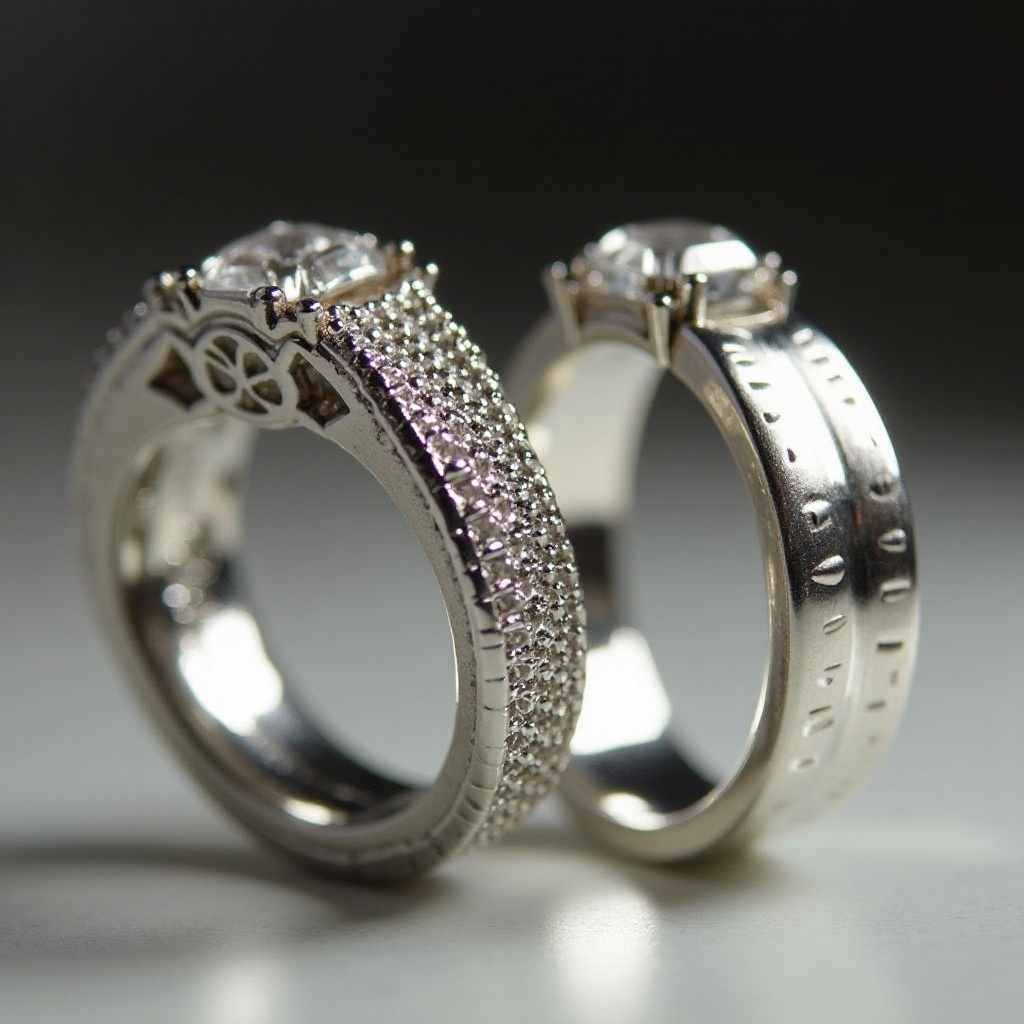
Platinum is often considered better than white gold in certain aspects due to its superior qualities. Platinum is denser, heavier, and more durable, making it ideal for those seeking longevity and resistance to wear. It’s also hypoallergenic, making it suitable for individuals with sensitive skin.
In comparison, white gold is lighter, more affordable, and requires periodic rhodium plating to maintain its shine. While it offers an appealing aesthetic, it doesn’t have the same level of durability or hypoallergenic properties as platinum.
Ultimately, platinum is better for those seeking a luxurious, long-lasting, and low-maintenance option, while white gold is a good alternative for those with a tighter budget. The choice depends on priorities such as budget, durability, and maintenance preferences.
Platinum Vs White Gold Color: What’s the Difference?
The color difference between platinum and white gold primarily stems from their composition. Platinum is naturally white and does not require additional coatings to maintain its appearance. Over time, platinum maintains its white hue without much maintenance, offering a consistent and enduring shine.
White gold, on the other hand, is an alloy made by mixing yellow gold with other metals like palladium or nickel. It is typically coated with rhodium to enhance its white color. However, this rhodium plating wears off over time, requiring re-plating to maintain its bright, shiny appearance.
In short, platinum has a naturally white color, while white gold starts with a yellowish hue and requires rhodium plating to achieve its white appearance. Platinum’s color remains consistent, while white gold may need upkeep to keep its white look.
Is White Gold and Platinum Same?
White gold and platinum are not the same, although they share a similar appearance. Platinum is a naturally white metal, dense, hypoallergenic, and highly durable. It retains its color and shine without requiring much maintenance.
White gold, on the other hand, is an alloy made by combining yellow gold with other metals like palladium or nickel. It is often coated with rhodium to achieve its white appearance, but this plating can wear off over time and needs to be reapplied.
In terms of durability, platinum outperforms white gold, as it is more resistant to tarnish and damage. However, white gold is generally more affordable than platinum.
Both metals have their advantages, with platinum being the more luxurious and long-lasting choice, while white gold is more budget-friendly but requires regular upkeep.
Is Platinum Harder Than White Gold?
Yes, platinum is harder and more durable than white gold. Platinum is a dense metal, which makes it highly resistant to scratches and wear. It’s also less likely to bend or lose its shape over time, making it ideal for long-lasting jewelry.
White gold, being an alloy of yellow gold mixed with metals like palladium or nickel, is relatively softer compared to platinum. While it is still durable, it is more prone to scratches and requires regular maintenance, such as rhodium plating, to maintain its appearance.
In conclusion, platinum’s superior hardness and durability make it a better choice for those seeking a more resilient metal for their jewelry.
Platinum Vs White Gold Durability: Which Is Stronger?
Platinum is generally stronger and more durable than white gold. As a denser metal, platinum is highly resistant to scratches and damage, making it an excellent choice for jewelry that is worn daily, such as engagement rings.
White gold, while still durable, is lighter and softer than platinum. It can be prone to scratches and may require more maintenance, such as re-plating with rhodium, to keep its appearance. Over time, white gold may show signs of wear more quickly than platinum.
In terms of overall strength and longevity, platinum outperforms white gold, making it a better option for those seeking a long-lasting and robust metal.
Is Platinum Is White Gold?
No, platinum is not white gold. While both metals have a similar appearance, they differ in composition and properties. Platinum is a naturally white, dense, and hypoallergenic metal, making it more durable and resistant to tarnishing over time.
White gold, on the other hand, is an alloy made by mixing yellow gold with other metals such as palladium or nickel. It is typically coated with rhodium to give it a white appearance, but this coating can wear off over time.
In summary, platinum is a naturally white and more durable metal, whereas white gold is a gold alloy that requires periodic maintenance to maintain its color and shine.
White Gold Vs Platinum Necklace: Which Is Better?
Choosing between a white gold and platinum necklace depends on your priorities. Platinum is more durable, hypoallergenic, and naturally white, which makes it ideal for those seeking a long-lasting, low-maintenance piece of jewelry. It also retains its shine without requiring much upkeep.
White gold, however, is more affordable and has a similar appearance to platinum. It’s made by alloying yellow gold with other metals and coated with rhodium for a white finish. While it’s still durable, the rhodium plating can wear off over time and needs to be reapplied.
If you prioritize strength, longevity, and a hypoallergenic option, platinum is the better choice. If budget is a concern, white gold offers a similar look but may require more maintenance. Both options are great for a stylish, timeless necklace.
Is Platinum Stronger Than White Gold?
Yes, platinum is stronger and more durable than white gold. Platinum is a dense and heavy metal, which makes it highly resistant to scratches and wear. Its strength ensures that it maintains its shape and appearance over time, even with frequent use.
White gold, while still durable, is a lighter metal and generally softer than platinum. It is more prone to scratches and damage, especially because it requires rhodium plating to maintain its white appearance. Over time, the plating may wear off, requiring maintenance.
In terms of strength and resilience, platinum is the better choice for those seeking a long-lasting and robust metal for jewelry.