Platinum is a dense, precious metal known for its durability, rarity, and white, lustrous appearance. It is highly resistant to tarnishing and corrosion, making it an ideal choice for fine jewelry, particularly engagement rings, wedding bands, and watches.
Platinum’s hypoallergenic properties make it suitable for people with sensitive skin, unlike other metals like nickel. It’s a heavy metal, with a naturally white sheen that does not fade over time. The metal’s rarity adds to its high value in the jewelry industry, making platinum pieces considered premium and luxurious.
Does Platinum Tarnish?
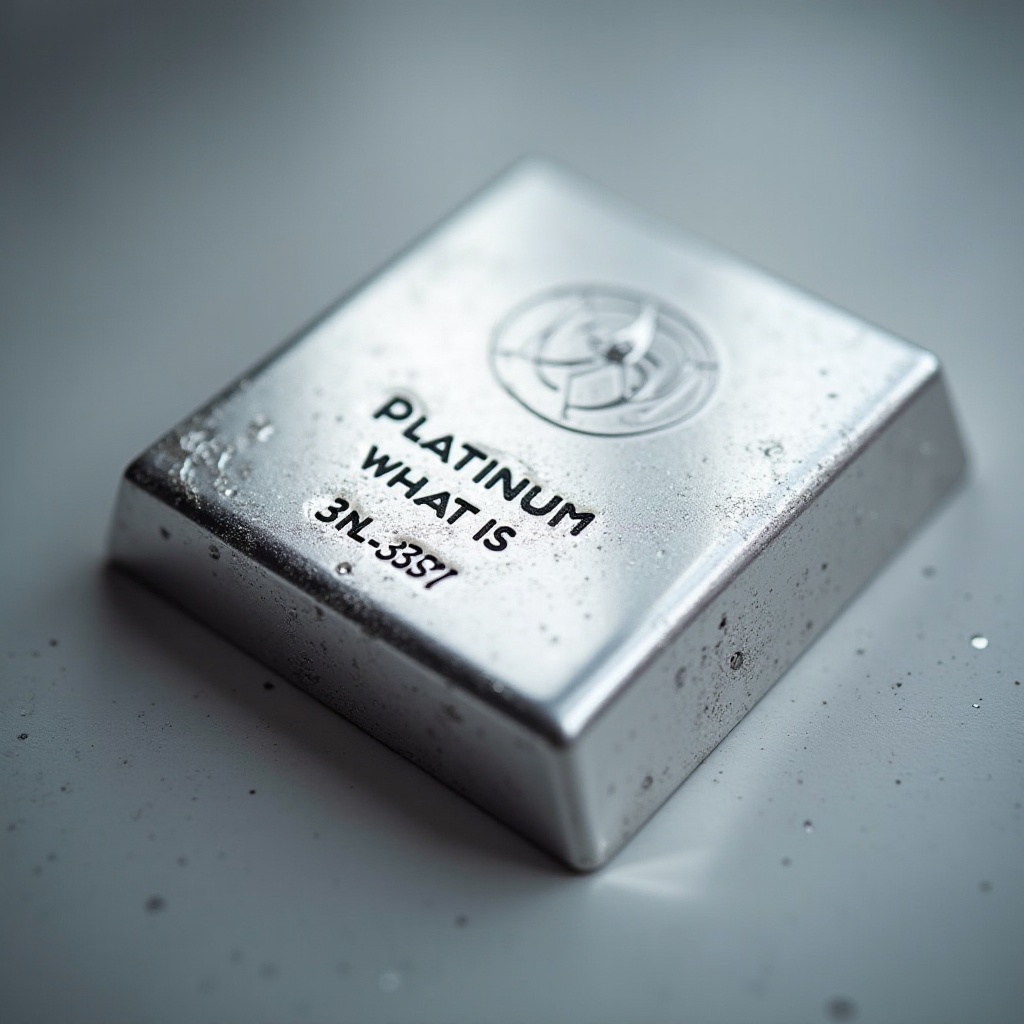
Platinum is highly resistant to tarnishing due to its natural properties. Unlike silver or gold, it does not oxidize or react with air and moisture, which means it maintains its brilliant white sheen over time.
However, platinum can develop a patina, which is a subtle, slightly matte finish caused by daily wear. While this is not considered tarnishing, some people prefer to polish their platinum jewelry to restore its original luster. This patina is often seen as a unique characteristic, adding to the metal's charm.
Does Platinum Rust?
Platinum does not rust. Unlike iron and steel, which are prone to rusting when exposed to moisture and oxygen, platinum is highly resistant to corrosion and oxidation. This is one of the reasons why platinum is so valued in jewelry.
While platinum can develop a patina over time, this is not rust but rather a natural, desirable change in its surface due to wear. It’s a durable and stable metal that maintains its integrity even in harsh conditions, making it an excellent choice for fine jewelry.
How to Clean Platinum Jewelry?
Cleaning platinum jewelry is simple and can be done at home with minimal effort. Begin by mixing a solution of warm water and mild dish soap. Soak the jewelry for 15–20 minutes to loosen dirt and oils.
After soaking, gently scrub the piece with a soft-bristled toothbrush to remove any remaining debris. Be sure to focus on intricate areas where dirt may accumulate. Rinse the jewelry under warm water and dry it with a soft, lint-free cloth.
For a deeper shine, use a platinum jewelry polish. Apply a small amount of polish with a cloth and buff gently. Always avoid using harsh chemicals or abrasive materials, as these can scratch or damage the metal.
How to Clean Platinum Diamond Ring at Home?
To clean a platinum diamond ring at home, start by creating a solution of warm water and mild dish soap. Soak the ring for about 15-20 minutes to loosen dirt and oils from both the platinum band and the diamond.
After soaking, use a soft-bristled toothbrush to gently scrub the ring, especially around the diamond and under its setting. This will help remove any build-up without scratching the platinum.
Rinse the ring thoroughly under warm water to remove soap residue, and pat it dry with a soft, lint-free cloth. If you want extra shine, use a platinum jewelry polish. Apply the polish with a soft cloth, then buff gently.
Avoid using harsh chemicals or abrasive cleaners, as they could damage the metal or the diamond. Regular cleaning will keep your platinum diamond ring looking brilliant and sparkling.
How to Test Platinum?
To test platinum, start by inspecting the jewelry for any stamps or markings, such as "PT" or "950," which indicate its purity. Pure platinum is typically marked with 950, meaning it is 95% platinum.
Another way to test platinum is by conducting a magnet test. Platinum is not magnetic, so if the jewelry is attracted to a magnet, it likely contains other metals. However, this test is not foolproof, as some non-platinum metals may also be non-magnetic.
For a more accurate test, a professional jeweler can use an acid test. A small sample of the platinum is scratched, and a specific acid is applied. The reaction will help determine whether the metal is platinum or another material.
Lastly, a density test can be performed to measure the metal's mass-to-volume ratio. Platinum is denser than most other metals, so this test requires precise measurements.
How to Identify Platinum Metal?
To identify platinum metal, look for stamps or markings, such as "PT," "Plat," or "950," which indicate its purity. Pure platinum is usually marked with "950" or "999," representing 95% or 99% platinum content.
Another method is to perform the magnet test. Platinum is non-magnetic, so if the metal is attracted to a magnet, it is not platinum. However, this test alone is not definitive, as some non-platinum metals are also non-magnetic.
You can also use a density test, as platinum is denser than most other metals. This involves measuring the weight and volume of the metal to calculate its density.
For more accuracy, a professional jeweler can conduct an acid test, where a small sample of the metal is scratched, and a special acid is applied to determine if the metal is platinum.
How to Polish Platinum?
To polish platinum, begin by cleaning the jewelry to remove dirt and oils. Use a solution of warm water and mild dish soap, and gently scrub the piece with a soft-bristled toothbrush.
After cleaning, dry the platinum with a soft, lint-free cloth. To restore its shine, use a platinum-specific polish or a jewelry polishing cloth. Apply a small amount of polish to a cloth and gently buff the surface in circular motions.
Avoid using abrasive materials, as they can scratch the metal. If the platinum has developed a patina and you prefer a high-shine finish, a professional jeweler can polish it to its original luster.
Regular polishing helps maintain the platinum’s brilliant appearance and can prevent the buildup of tarnish or dullness.
How to Restore Platinum Ring?
To restore a platinum ring, start by cleaning it thoroughly to remove dirt and oils. Soak the ring in warm, soapy water for 15-20 minutes, then gently scrub it with a soft-bristled toothbrush to remove buildup.
After cleaning, dry the ring with a soft, lint-free cloth. If the ring has developed a patina, you can polish it to restore its shine. Use a platinum jewelry polish or a polishing cloth specifically designed for platinum. Buff the surface gently to bring back its luster.
If the ring has significant scratches or damage, it may require professional restoration. A jeweler can refinish the ring, buff out scratches, and restore its original shine.
Regular maintenance and careful cleaning can prevent the ring from becoming dull or damaged over time. For valuable or intricate pieces, it’s recommended to take the ring to a professional jeweler for periodic inspections and refinishing.
Does Platinum Scratch?
Platinum is a dense and durable metal, but it is not immune to scratching. While it is more scratch-resistant than other metals like gold or silver, it can still develop scratches over time, especially with daily wear.
Unlike gold, platinum does not lose metal when scratched, which means the scratches will often appear as minor dents or marks rather than the metal being worn away. Over time, platinum jewelry develops a unique patina, which many people find appealing.
To minimize scratches, it’s advisable to remove platinum jewelry during activities that could cause damage, such as sports or heavy manual labor. Regular cleaning and polishing can help maintain its appearance and minimize the visibility of scratches.
Is Platinum Toxic?
Platinum is not toxic and is considered a hypoallergenic metal, making it safe for most people to wear in jewelry. It does not react with the body or cause allergic reactions in the majority of individuals.
In fact, platinum is widely used in medical devices, such as pacemakers and dental work, due to its biocompatibility. It is chemically inert and does not release harmful substances into the body. However, individuals with sensitivities to certain metals or alloys may experience irritation, but this is rare.
As a precious metal, platinum is safe to handle and wear for daily use without any health risks.
Is Platinum Hypoallergenic?
Yes, platinum is hypoallergenic, making it an excellent choice for individuals with sensitive skin. Unlike other metals, platinum is less likely to cause allergic reactions because it is naturally pure and does not contain nickel or other common allergens.
In fact, platinum is often used in medical applications, such as pacemakers and implants, due to its biocompatibility. Its purity and chemical stability reduce the risk of irritation, which is why it is highly recommended for fine jewelry, especially for people with metal sensitivities.
For these reasons, platinum jewelry is a popular option for engagement rings, wedding bands, and other fine pieces.
Does Platinum Oxidize?
Platinum does not oxidize in the same way other metals, like iron or copper, do. It is highly resistant to corrosion and tarnishing, making it a durable and long-lasting metal for jewelry.
While platinum doesn’t oxidize, it can develop a natural patina over time. This patina is a slightly matte finish that occurs due to daily wear and is often considered a desirable characteristic. It doesn’t affect the integrity of the metal.
For those who prefer the original shiny finish, a jeweler can polish platinum to restore its luster, but oxidation is not a concern for this precious metal.
How Durable Is Platinum?
Platinum is one of the most durable metals used in jewelry. Its high density and natural resistance to corrosion make it an excellent choice for pieces that will endure everyday wear, such as engagement rings and wedding bands.
Unlike other metals, platinum does not tarnish, rust, or oxidize. It is also more resistant to scratches compared to gold, though it can still develop minor marks over time. Platinum’s durability ensures that it maintains its appearance for many years.
Additionally, because platinum is a heavy metal, it holds gemstones securely in place, making it a preferred choice for high-end jewelry. It’s an ideal material for those seeking a long-lasting, sturdy, and low-maintenance option.
Is Platinum Flammable?
No, platinum is not flammable. It is a highly stable and non-reactive metal, which makes it safe to use in a wide range of applications, including jewelry and industrial products. Platinum does not catch fire or burn under normal conditions.
In fact, platinum is often used in environments where high temperatures are present, such as in catalytic converters and laboratory equipment, because it can withstand extreme heat without igniting or deteriorating. Its fire-resistant properties make it a reliable and safe metal.
Is Platinum Malleable?
Platinum is a malleable metal, though not as much as gold or silver. It can be shaped and formed, making it ideal for intricate jewelry designs. However, due to its density, it requires more effort to work with compared to softer metals.
Its malleability allows jewelers to create detailed settings and designs, while still maintaining its strength and durability. While platinum can be bent or stretched, it is less prone to bending or losing shape over time, which contributes to its longevity in jewelry.
Why Is Platinum Used for Jewellery?
Platinum is widely used in jewelry due to its rarity, durability, and natural beauty. It is a dense, hypoallergenic metal that is highly resistant to tarnishing and corrosion, making it ideal for long-lasting, high-quality pieces like engagement rings and wedding bands.
Its ability to hold gemstones securely, combined with its lustrous, white finish, enhances the appearance of diamonds and other precious stones. Platinum’s resistance to scratches and its enduring shine contribute to its status as a premium choice for fine jewelry.
Additionally, platinum is rare and requires minimal maintenance, making it a desirable metal for those seeking luxury and longevity in their jewelry.
Why Is Platinum Valuable?
Platinum is valuable due to its rarity, durability, and unique properties. It is much rarer than gold, with only a limited amount available in the Earth’s crust, which drives up its demand and value.
The metal is highly resistant to tarnishing, corrosion, and scratches, making it ideal for long-lasting jewelry. Platinum’s hypoallergenic properties also make it safe for people with sensitive skin, adding to its appeal.
Additionally, platinum’s natural white luster enhances the appearance of diamonds and other gemstones, further elevating its desirability in fine jewelry. Its use in high-end products, such as engagement rings and watches, contributes to its premium price.