Jewelry is more than just adornment; it’s a statement of style and elegance. The magic behind this allure often lies in the stone setting, a crucial element that transforms a simple gem into a dazzling centerpiece.
Dive into the world of jewelry craftsmanship as we explore 10 captivating types of stone settings. Whether you’re a jewelry lover or a design enthusiast, understanding these settings will enhance your appreciation for the art of fine jewelry.
What Is a Stone Setting?
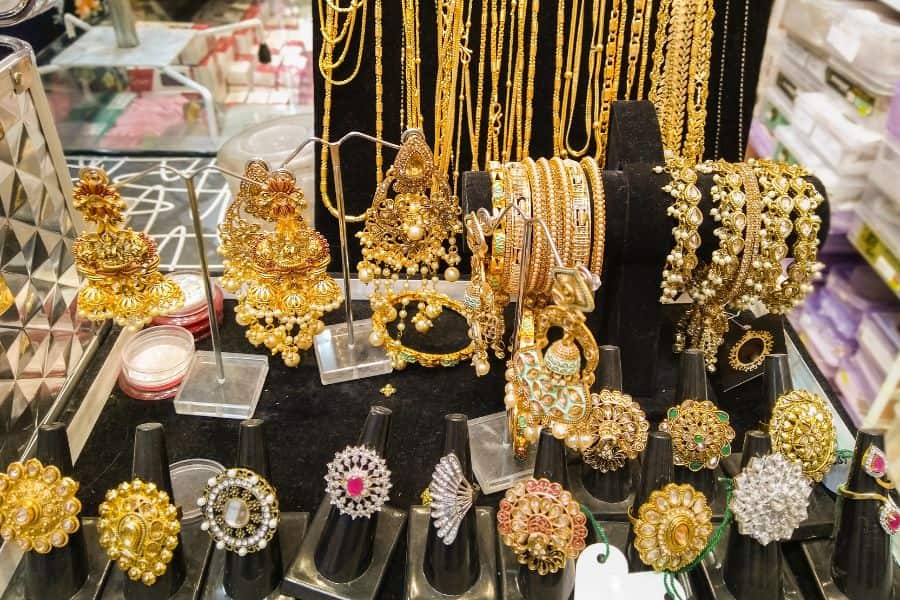
A stone setting refers to how a gemstone is held in place within a piece of jewelry. It's more than just a functional aspect; it also influences the overall look and feel of the piece. The setting must secure the gem while complementing the design of the jewelry. Different types of stone setting can dramatically change the appearance of a gemstone, making it look larger, more sparkly, or more subtle.
10 Types of Stone Settings
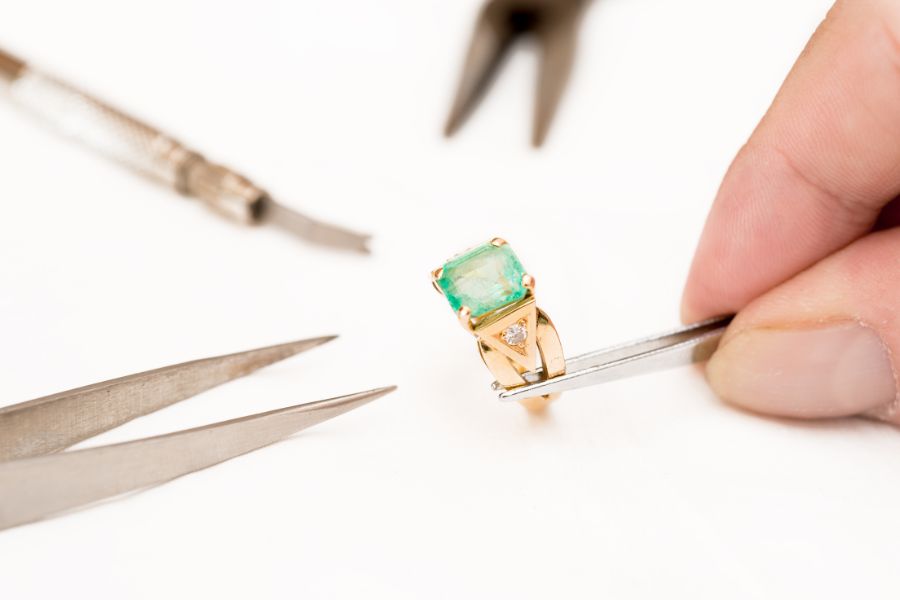
The choice of stone setting impacts not just the aesthetics but also the durability and comfort of the jewelry. Here are 10 popular types of settings for stones, each offering distinct characteristics.
1. Prong Setting
The prong setting, also known as a claw setting, is one of the most popular and classic types of stone settings. It involves small metal claws that grip the gemstone from the sides. These prongs allow maximum light to enter the stone, enhancing its brilliance. Prong settings are commonly used in engagement and solitaire rings because they prominently showcase the stone.
2. Bead Setting
Bead setting is a jewelry technique where tiny metal burrs are raised around a gemstone using a graver. These burrs are pushed over the stone's edge and then polished into small beads that secure the stone in place. This method is often used to create intricate designs with multiple small stones, offering a refined, elegant look in rings, bands, and other jewelry pieces.
3. Bezel Setting
The bezel setting encircles the gemstone with a metal band, securing it firmly in place. This type of stone setting provides excellent protection for the stone, covering the edges and preventing chipping. Bezel settings can create a modern and sleek look, making them ideal for contemporary jewelry designs. They are also a good choice for those who lead an active lifestyle.
4. Bar Setting
In a bar setting, gemstones are held between vertical metal bars, which are usually made of the same material as the band. This setting offers a clean and modern appearance, allowing more of the stone's surface to be visible. Bar settings are often used in rings, bracelets, and earrings, providing a stylish and secure way to display multiple stones in a row.
5. Pave Setting
The pave setting involves covering the jewelry piece with small gemstones set closely together, creating a continuous sparkle. Tiny prongs or metal beads hold each stone in place. Pave settings are popular for creating a glittering effect and are commonly used in engagement rings and wedding bands to add extra shine and elegance.
6. Tension Setting
The tension setting holds the gemstone in place using the tension of the metal band. The stone appears to float between the ends of the band, giving it a dramatic and modern look. This type of setting is known for its minimalist design and the way it emphasizes the stone's clarity and brilliance. Tension settings are a unique choice for those looking for something different.
7. Flush/Burnish Setting
In a flush or burnish setting, the gemstone is set flush with the surface of the metal, with no prongs or bezels visible. The stone is held in place by pushing the metal over the edges of the stone. This setting creates a sleek and smooth appearance, perfect for those who prefer a low-profile design. It is also practical for daily wear as it reduces the chance of the stone catching on objects.
8. Invisible Setting
The invisible setting is a sophisticated technique in which the gemstone is set without visible metal prongs or settings. Behind the scenes, a special grid or framework secures the stones in place, making the setting appear seamless. This type of setting creates an illusion of a continuous surface of gemstones, offering a luxurious and seamless look. Invisible settings are often used in high-end jewelry and custom designs.
9. Cluster Setting
A cluster setting involves grouping several small gemstones together to form a larger, more striking design. The stones are set close together, often in a flower or burst pattern, to create the illusion of a single large gem. This setting is popular for adding a dramatic and eye-catching effect to rings and pendants. Cluster settings are also a cost-effective way to achieve a high-impact look.
10. Channel Setting
In a channel setting, gemstones are set into a metal channel that runs along the band or setting. The stones are aligned in a row, and the metal walls of the channel hold them securely in place. This setting is ideal for creating a smooth and uninterrupted line of stones, making it a popular choice for wedding bands and eternity rings. Channel settings offer a sleek and modern appearance while providing excellent protection for the stones.
Conclusion
Understanding the different types of stone settings can greatly enhance your jewelry choices. Each setting type has its own unique style and benefits, from the classic prong setting to the sophisticated invisible setting. By learning about these types of stone settings, you can better appreciate the craftsmanship behind your jewelry and make more informed decisions when selecting or designing pieces. Whether you prefer the sparkle of a pave setting or the sleek look of a bezel setting, knowing your options will ensure you find the perfect setting for your gemstones.