There are several popular diamond cuts for rings, each offering a distinct look:
-
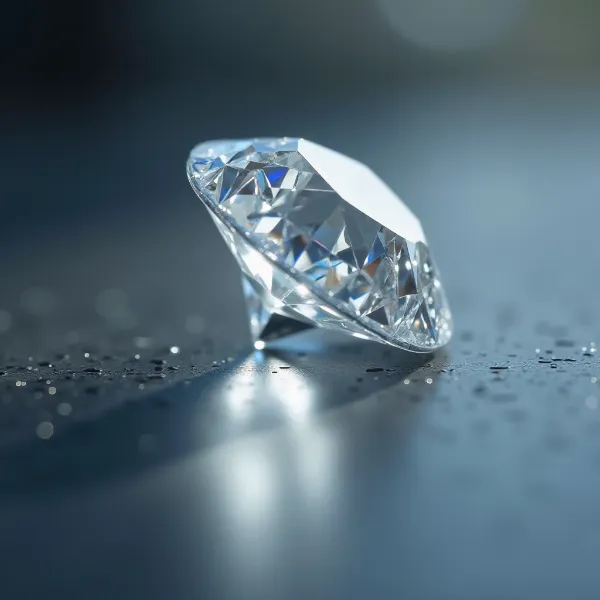
Round Cut: The most traditional and popular, known for its brilliant sparkle due to its symmetrical shape and 58 facets.
-
Princess Cut: A square or rectangular shape with pointed corners, offering a modern and elegant look, and excellent brilliance.
-
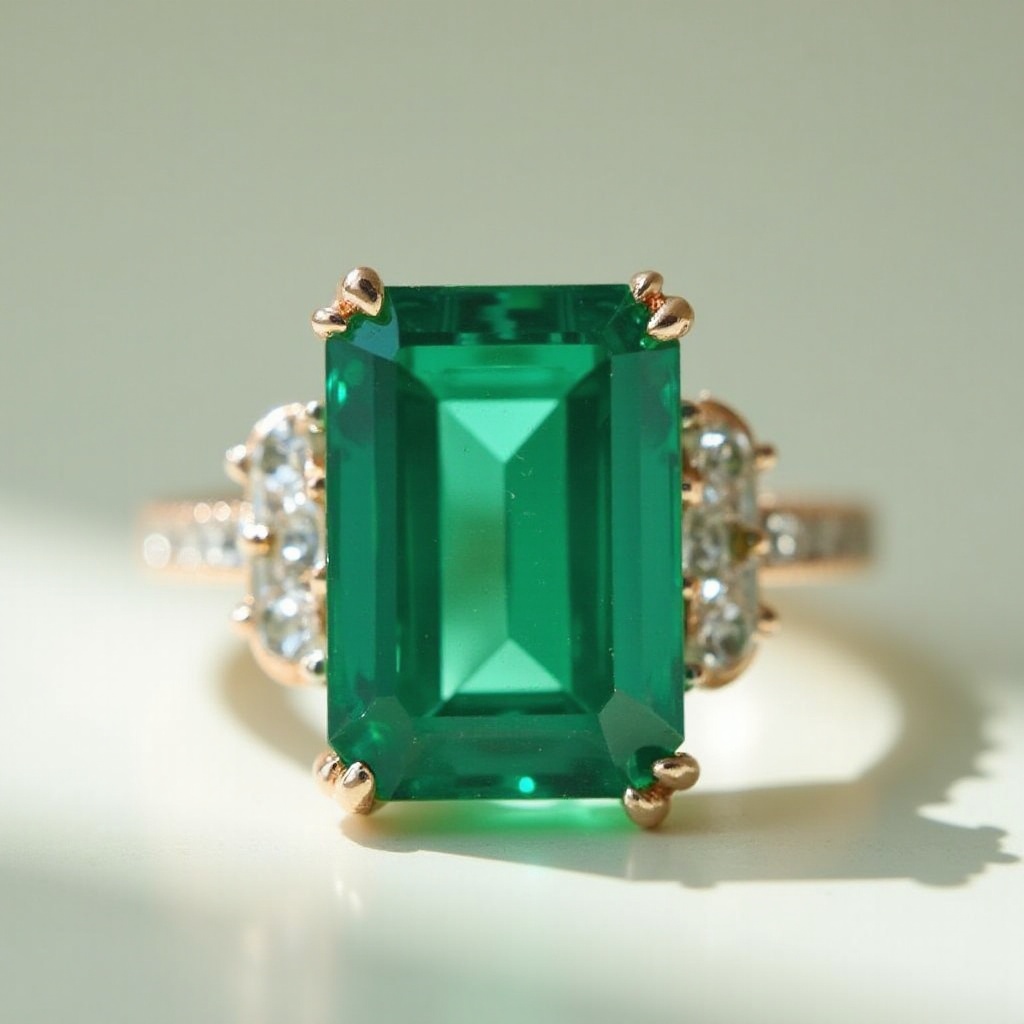
Emerald Cut: A rectangular shape with cut corners and a large, open table, offering a sophisticated, vintage appearance with less sparkle but a lot of clarity.
-
Cushion Cut: A square or rectangular shape with rounded corners and larger facets, creating a romantic, soft glow.
-
Oval Cut: A modified round shape that is elongated, giving the appearance of a larger diamond and maintaining brilliant sparkle.
-
Marquise Cut: A boat-shaped diamond with pointed ends, offering a larger surface area and an elegant, elongated look.
-
Asscher Cut: Similar to the emerald cut but square, with a deep pavilion and large facets, showcasing vintage charm.
Each cut affects the diamond's appearance, brilliance, and cost, depending on its proportions and quality.
What Diamond Cut Shape Is the Most?
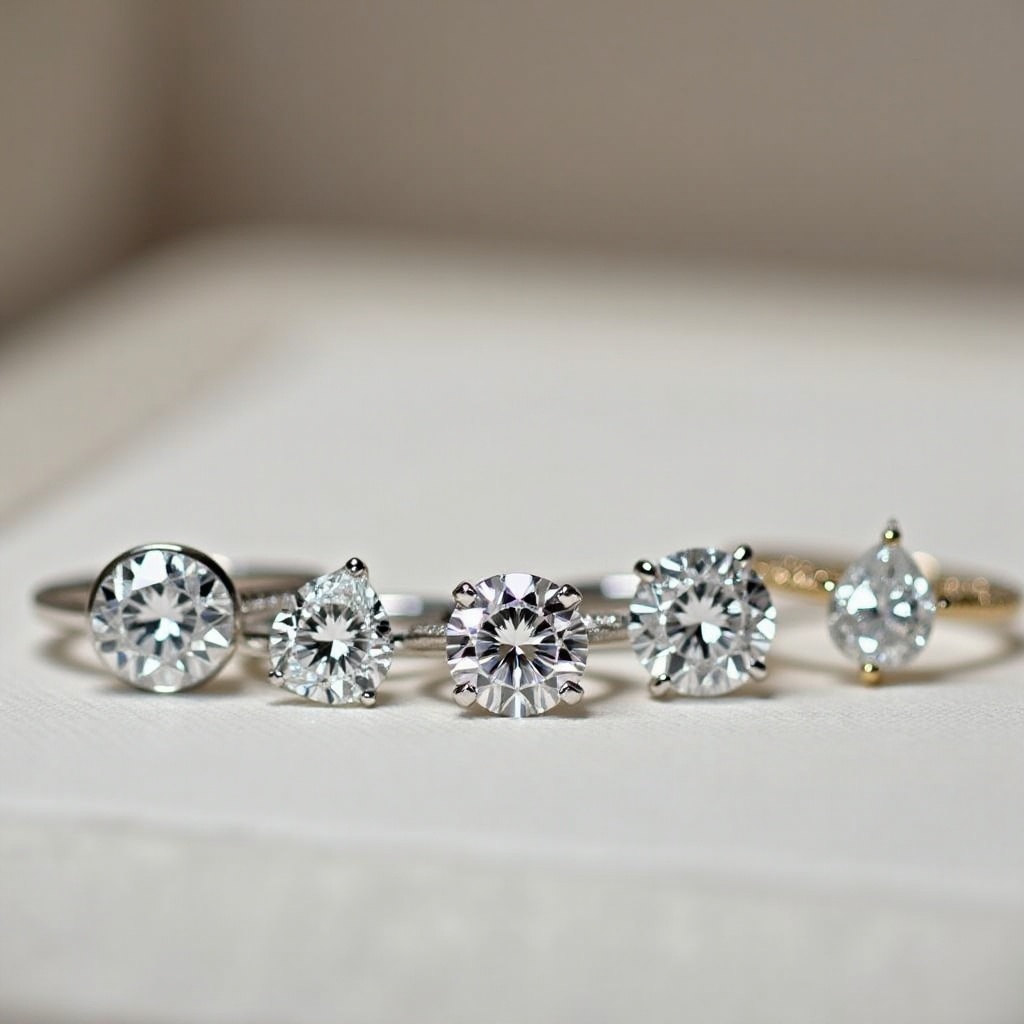
The round cut is the most popular and widely preferred diamond shape for rings. Known for its timeless appeal, it boasts a classic, symmetrical design that maximizes the diamond's brilliance and sparkle.
Due to its 58 facets, the round cut captures and reflects light beautifully, making it the ideal choice for those seeking maximum shine and brilliance. It's versatile, fitting well with various ring settings, from solitaires to intricate designs.
As a result, the round cut is often considered the standard in diamond rings, particularly for engagement rings. Its popularity continues to dominate the market due to its timeless elegance and exceptional sparkle.
What Are the Types of Diamond Cuts for Rings?
There are several types of diamond cuts for rings, each offering unique aesthetics and qualities:
-
Round Cut: The most classic and popular choice, offering brilliant sparkle due to its symmetrical shape and 58 facets.
-
Princess Cut: A square or rectangular shape with pointed corners, known for its modern appeal and excellent brilliance.
-
Cushion Cut: A square or rectangular shape with rounded corners, giving a softer, romantic glow.
-
Emerald Cut: A rectangular shape with cropped corners, known for its sophisticated, vintage look, and large table showcasing clarity over sparkle.
-
Oval Cut: An elongated, oval shape that maintains a brilliant sparkle while appearing larger than its carat weight.
-
Marquise Cut: An elongated shape with pointed ends, offering a dramatic, sophisticated look and a larger surface area.
-
Asscher Cut: A square version of the emerald cut, with deep facets and a vintage feel, known for its bold look and clarity.
Each cut influences the diamond's appearance, sparkle, and overall style, making personal preference a key factor in choosing the right cut.
What Is the Best Ratio for Emerald Cut Diamond?
The best ratio for an emerald cut diamond typically falls between 1.30 and 1.50. This ratio represents the length-to-width proportion of the diamond.
A ratio closer to 1.30 offers a more square-like shape, which can enhance the overall symmetry and provide a more traditional look. A ratio near 1.50 produces a longer, more rectangular shape, giving a more elegant and elongated appearance.
The ideal ratio depends on personal preference. A slightly more square shape emphasizes the step-cut facets, while a longer shape can highlight the diamond’s clarity and the reflective “hall of mirrors” effect. Ensuring the ratio feels balanced to the eye is key to selecting the right emerald cut for any piece of jewelry.
What Is the Best Setting for Emerald Cut Diamond?
The best setting for an emerald cut diamond often highlights its rectangular shape and step-cut facets, while ensuring the diamond's clarity and sparkle are emphasized.
-
Halo Setting: A popular choice, where a circle of smaller diamonds surrounds the emerald cut diamond. This setting adds brilliance and accentuates the center stone's shape.
-
Prong Setting: A classic option, where metal prongs secure the diamond in place, allowing maximum light exposure and showcasing the diamond’s clarity and shine. It’s ideal for those who prefer a minimalist look.
-
Bezel Setting: A modern, sleek choice that encircles the emerald cut diamond with a metal rim, offering secure protection while emphasizing the diamond’s shape. This is ideal for those seeking durability and style.
-
Three-Stone Setting: Two smaller diamonds flanking the center emerald cut diamond, symbolizing the past, present, and future. This setting draws attention to the shape of the center stone while adding extra sparkle.
Each setting can highlight the beauty of an emerald cut diamond, with the best choice depending on personal style and desired durability.
What Is the Best Setting for a Princess Cut Diamond?
The best setting for a princess cut diamond is one that enhances its sharp, modern shape and brilliant sparkle. Here are a few popular options:
-
Solitaire Setting: This classic setting allows the princess cut diamond to take center stage, showcasing its clean lines and sparkle with minimal distraction.
-
Halo Setting: Surrounding the princess cut diamond with a circle of smaller diamonds creates a stunning contrast, enhancing its brilliance and size while adding extra sparkle.
-
Channel Setting: Diamonds are set in a channel alongside the princess cut, adding sparkle and complementing the square shape. This setting is sleek and modern.
-
Prong Setting: With four or even two prongs securing the diamond, this setting allows light to reach the princess cut from every angle, highlighting its fire and brilliance.
-
Three-Stone Setting: This setting includes two smaller diamonds on either side of the center princess cut, symbolizing the past, present, and future, while enhancing the main stone’s visual appeal.
The best setting depends on personal style, whether you prefer a classic, modern, or unique look, while ensuring the princess cut diamond is showcased beautifully.
Are Princess Cut Diamonds Out of Style?
Princess cut diamonds are not out of style; they remain a popular and timeless choice for engagement rings and fine jewelry. Their sharp, square shape and brilliant faceting continue to appeal to modern buyers who want both sparkle and contemporary design. The princess cut consistently ranks among the top‑selling diamond shapes due to its versatility and striking appearance.
While fashion trends evolve, the princess cut’s balance of elegance and fire keeps it relevant. It pairs well with a variety of settings, from classic solitaires to halo and channel designs, ensuring broad appeal across different tastes. Rather than being outdated, princess cut diamonds remain a strong, stylish option that appeals to both traditional and trend‑aware consumers.
What Is the Best Diamond Cut for Chubby Fingers?
The best diamond cut for chubby fingers is one that creates an elongating effect, making the fingers appear slimmer and more elegant. Here are a few top options:
-
Oval Cut: Its elongated shape creates the illusion of length, helping to balance the appearance of chubbier fingers.
-
Emerald Cut: With its rectangular shape and step cuts, the emerald cut offers an elegant and elongated look that enhances the overall aesthetic of the finger.
-
Marquise Cut: The pointed ends of the marquise cut elongate the finger, creating a sleek and slender appearance.
-
Cushion Cut: While more rounded, the cushion cut’s rounded corners and larger facets still provide a soft, flattering shape that suits chubbier fingers.
-
Princess Cut: A square shape with sharp edges, it balances the width of the finger, offering a modern and chic look that doesn't overpower the hand.
Choosing any of these cuts can help enhance the appearance of chubby fingers by drawing attention away from their width and highlighting their beauty.
Do Emerald Cut Diamonds Sparkle?
Emerald cut diamonds do not sparkle as intensely as other cuts like the round brilliant cut, but they have their own unique appeal. Instead of the "fire" seen in other cuts, emerald cuts display a distinct "hall of mirrors" effect, which is a reflection of light through the large, open table and step-cut facets.
This effect creates a more subtle, elegant glow and highlights the diamond's clarity rather than its brilliance. The elongated shape and the deep facets of an emerald cut diamond provide a sophisticated, timeless look.
While emerald cut diamonds might not have the same dazzling sparkle as round or princess cuts, their understated elegance and clarity make them a popular choice for those who appreciate a more vintage or refined appearance.
What Is the Best Diamond Cut for Long Skinny Fingers?
The best diamond cut for long, skinny fingers is one that balances the proportions of the hand, adding width and creating a more harmonious look. Here are some top options:
-
Round Cut: Its symmetrical shape creates a balanced appearance, offering brilliance and softening the elongated look of the fingers.
-
Cushion Cut: The rounded corners of a cushion cut add softness and width, complementing long fingers while still showcasing a brilliant sparkle.
-
Oval Cut: Although elongated, the oval cut can also work well on long fingers, as it emphasizes the length without exaggerating it, maintaining an elegant look.
-
Emerald Cut: While the emerald cut is also rectangular, it can create a sleek, sophisticated appearance that suits long fingers, giving them an elegant, timeless look.
-
Asscher Cut: With its square shape and deep facets, the Asscher cut provides a vintage, balanced appearance that complements long fingers by drawing attention to the center stone.
Each of these cuts helps to balance and soften the appearance of long, skinny fingers, creating a more proportional, flattering look.
What Is the Best Diamond Cut for Short Fingers?
The best diamond cut for short fingers is one that creates the illusion of length and elongates the finger. Here are a few ideal options:
-
Oval Cut: Its elongated shape visually lengthens the finger, making it appear more slender and graceful.
-
Marquise Cut: With its pointed ends, the marquise cut also creates an illusion of length, making short fingers look more elongated.
-
Emerald Cut: The rectangular shape and step-cut facets of the emerald cut provide a sophisticated, sleek look that adds length to short fingers.
-
Princess Cut: A square cut, like the princess cut, offers a modern appearance while balancing the width of short fingers and adding sparkle.
-
Cushion Cut: Although softer in shape, the cushion cut adds width and helps to balance the proportions of short fingers, creating a flattering effect.
Choosing any of these cuts can help create the illusion of longer fingers, enhancing the overall aesthetic and proportion of the hand.
What Is the Best Setting for Marquise Cut Diamond?
The best setting for a marquise cut diamond is one that highlights its elongated shape and points while providing stability. Here are a few top options:
-
Prong Setting: A classic choice, with prongs at the pointed ends of the marquise, securing the diamond while allowing maximum light exposure to enhance its sparkle.
-
Halo Setting: Surrounding the marquise with a halo of smaller diamonds not only adds brilliance but also emphasizes its shape, making it appear larger and more dramatic.
-
Bezel Setting: This modern setting encircles the diamond with a metal rim, providing extra protection while highlighting the marquise cut's sharp, elegant points.
-
Three-Stone Setting: Two smaller diamonds flanking the marquise cut create a symmetrical design, enhancing its shape while adding extra sparkle and visual interest.
-
Tension Setting: A contemporary choice that holds the marquise cut diamond in place using tension, giving the illusion that the diamond is floating. This setting highlights the diamond's unique shape and clean lines.
Each of these settings can enhance the marquise cut's unique shape, ensuring that it remains the focal point of the ring.
What Is the Most Popular Diamond Cut for Engagement Ring?
The most popular diamond cut for engagement rings is the round brilliant cut. Known for its timeless appeal, it is favored for its exceptional sparkle and brilliance, thanks to its 58 facets. The round cut maximizes light reflection, giving it a fiery glow.
Its classic and versatile shape complements a wide variety of ring settings, from solitaires to halo and three-stone designs. The round cut remains the top choice due to its overall appeal, stunning visual effect, and ability to maximize the diamond's natural beauty.
While other cuts like the princess, oval, and cushion are also popular, the round brilliant cut continues to dominate the engagement ring market, consistently being the first choice for those seeking a blend of beauty and tradition.
What Are the Pros and Cons of Marquise Cut Diamonds?
Pros of Marquise Cut Diamonds:
- Elongated Shape: The marquise cut creates the illusion of a larger diamond, making it ideal for those seeking a dramatic, bold appearance.
- Finger Flattering: Its shape can make fingers appear longer and slimmer, which is great for those with shorter fingers.
- Maximizes Carat Weight: The cut often gives a larger surface area compared to other shapes, allowing for a more visually substantial diamond.
Cons of Marquise Cut Diamonds:
- Vulnerable Points: The pointed ends are more prone to damage or chipping, requiring protective settings.
- Light Performance: While it can sparkle beautifully, it doesn't always exhibit the same brilliance as round cuts, especially if the cut isn’t ideal.
- Uneven Proportions: A marquise diamond can sometimes appear out of balance if not cut to the proper proportions, making it look too narrow or too wide.
Despite these downsides, the marquise cut remains a unique and elegant choice for engagement rings, combining both beauty and versatility.