Rubies are a variety of the mineral corundum, known for their rich red color, which is caused by trace amounts of chromium. They are considered one of the four precious gemstones, alongside diamonds, emeralds, and sapphires. Rubies are highly valued for their vibrant hue and durability, scoring 9 on the Mohs scale of hardness.
The best rubies come from regions such as Myanmar (Burma), Thailand, and Sri Lanka. These gemstones are often used in fine jewelry, including rings, necklaces, and earrings, due to their beauty and rarity.
In addition to their aesthetic appeal, rubies are believed to symbolize love, passion, and energy in various cultures. Their historical significance and association with power and strength make them a sought-after choice for engagement rings and other high-value pieces.
What Color Is Ruby?
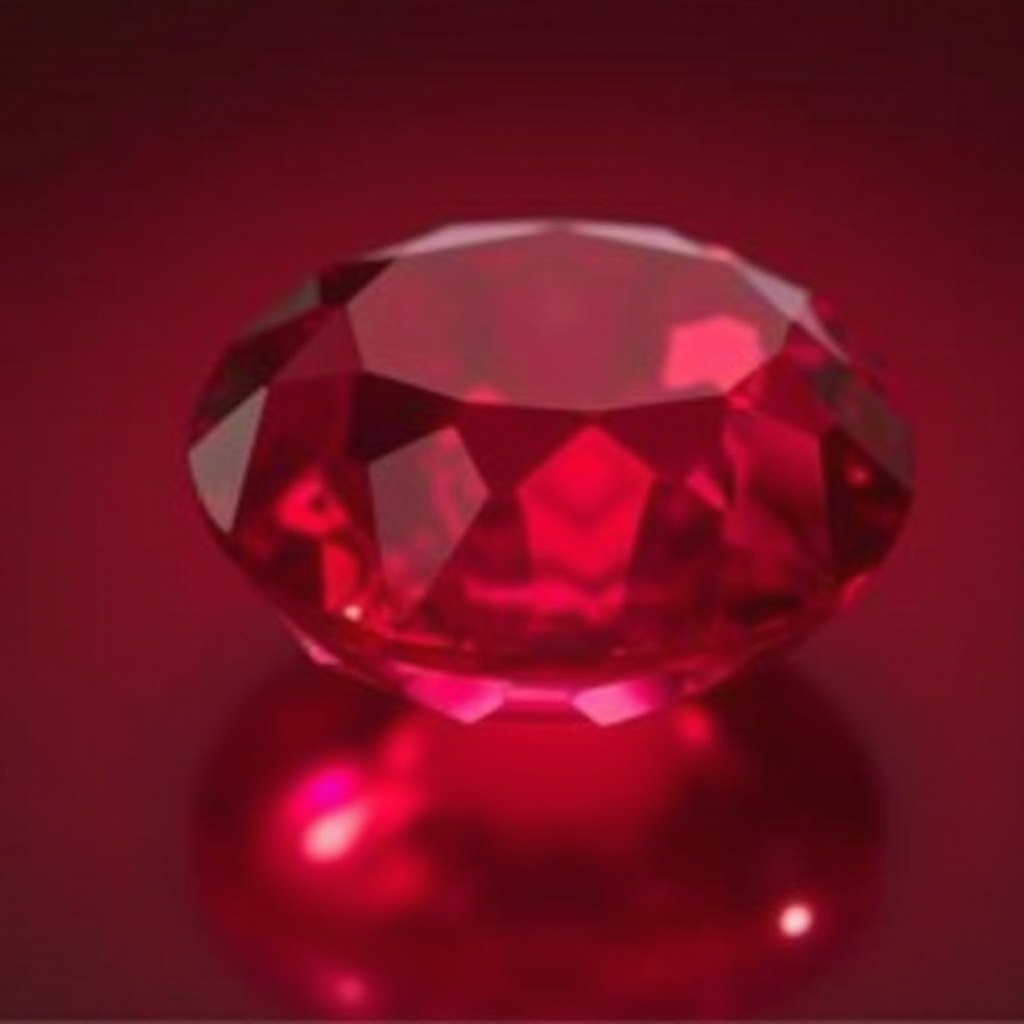
A ruby's color ranges from a deep red to a lighter, more pinkish hue, with the ideal ruby showcasing a vivid red known as "pigeon blood" red. The intensity and tone of red are largely influenced by the presence of chromium, the element responsible for the ruby's color.
Rubies can vary in shade from darker, more maroon tones to lighter, rose-colored reds. The most valuable rubies feature a vibrant, intense red with no overtones of brown or orange. Factors such as lighting and the stone’s quality can also affect its perceived color.
In addition, rubies can occasionally show hints of purple or orange, but the purest, richest red tones are generally preferred by collectors and jewelers alike.
What Are the Different Types of Rubies?
There are several types of rubies based on their origin, quality, and treatments. The most notable categories are:
-
Natural Rubies – These rubies form naturally in the Earth and are highly valued for their authenticity and rarity. They can vary in color and size, with the finest specimens being deep red and free of inclusions.
-
Treated Rubies – Rubies that undergo treatments to improve their color and clarity. Common treatments include heating to enhance the color and remove inclusions. This type is more affordable than natural rubies.
-
Mined Rubies – Sourced from famous mines in regions like Myanmar, Thailand, and Sri Lanka, each origin contributes unique characteristics to the rubies, such as specific hues and clarity.
-
Lab-Grown Rubies – Created in a laboratory setting to mimic natural rubies. They are chemically identical to natural rubies but are more affordable and available in larger sizes.
-
Star Rubies – Rubies that display a star-like effect on their surface due to inclusions of rutile. These rubies are often cut in cabochon shape to showcase the star effect.
Can Rubies Be Green?
Rubies cannot be green, as their defining characteristic is their red color, which comes from the presence of chromium. However, there is a gemstone called "green ruby," which is actually a type of garnet or a different mineral that resembles rubies but is green in hue.
If a ruby appears green, it may indicate that the stone is a different gem entirely, or that it has been heavily treated, affecting its natural color. Genuine rubies are only red or variations of red, with the most valuable being a vivid, deep red hue.
How Ruby Is Formed?
Rubies are formed deep within the Earth's crust under extreme heat and pressure. They are a variety of the mineral corundum, and their red color is caused by trace amounts of chromium. This process occurs over millions of years.
The formation of rubies begins with the crystallization of aluminum oxide (corundum) in the presence of chromium. The ideal conditions for ruby formation include the right combination of temperature (around 1,000 to 1,200°C) and pressure, typically found in metamorphic rock formations.
Rubies are commonly found in regions with tectonic plate activity, such as Myanmar (Burma), Sri Lanka, and Thailand. The presence of natural inclusions, known as "fingerprints," within rubies provides insights into their formation process and the conditions under which they developed.
Where Did Ruby Come from?
Rubies are believed to have originated in various regions across the world, with the most famous sources being Myanmar (Burma), Thailand, and Sri Lanka. Myanmar, in particular, has produced some of the highest-quality rubies, known for their intense "pigeon blood" red color.
In addition to these regions, rubies are also found in other countries such as Madagascar, Tanzania, and Afghanistan. The gemstones are typically sourced from alluvial deposits in riverbeds or from mines deep in the Earth’s crust.
Each source contributes unique characteristics to the rubies, including color variations and inclusion patterns, making rubies from different origins highly sought after by collectors and jewelers alike.
What Month Is Ruby Birthstone?
Ruby is the birthstone for the month of July. It is traditionally associated with passion, love, and energy, making it a popular choice for July-born individuals. The vibrant red color of rubies symbolizes vitality and strength, further enhancing their significance as a birthstone.
In addition to being the July birthstone, rubies are often given as gifts for milestone anniversaries, particularly the 15th and 40th, due to their association with enduring love and passion. Their rich color and historical significance make them a timeless and meaningful choice for many occasions.
Where Are Rubies Found?
Rubies are found in several regions across the world, with the most famous sources being Myanmar (Burma), Thailand, and Sri Lanka. Myanmar is particularly renowned for producing rubies with a rich, vivid "pigeon blood" red color.
In addition to these well-known sources, rubies are also mined in other countries such as Madagascar, Tanzania, Vietnam, and Afghanistan. These regions offer rubies with varying characteristics, including different color shades and inclusion patterns, which make them unique.
Rubies are typically found in alluvial deposits in riverbeds or in metamorphic rocks, where they form under high pressure and temperature conditions deep within the Earth’s crust. The geographical origin plays a key role in determining the value and appeal of the rubies.
What Are Rubies Made of?
Rubies are made of corundum, a mineral composed of aluminum oxide (Al2O3). The characteristic red color of rubies is due to trace amounts of chromium, which replaces some of the aluminum in the crystal structure.
Corundum, in its purest form, is colorless. However, the presence of chromium creates the vibrant red hue that is characteristic of rubies. The intensity of the red color can vary depending on the amount of chromium and other trace elements present.
Rubies are one of the hardest gemstones, scoring 9 on the Mohs scale of hardness, which makes them ideal for use in fine jewelry. Their composition and durability contribute to their high value and enduring popularity.
Are Rubies Pink or Red?
Rubies are primarily red gemstones, with their color caused by the presence of chromium in the mineral corundum. The ideal ruby showcases a deep, rich red hue, often referred to as "pigeon blood" red. However, rubies can exhibit varying shades of red, from lighter, pinkish-red tones to darker, more intense reds.
While rubies can have a pinkish tint, they are classified as red gemstones due to their primary color being red. The pink color in rubies is typically a result of a lower concentration of chromium.
In contrast, pink sapphires are corundum gemstones that appear pink due to a lower concentration of trace elements such as iron and titanium.
Can a Ruby Be Pink?
Yes, a ruby can appear pink, but it is still technically classified as a ruby if it contains enough chromium to produce a red hue. Rubies with a lower concentration of chromium often have a pinkish-red color.
The pinkish shade in rubies occurs when the red color is diluted by a lighter tone, giving the gemstone a softer appearance. While these pinkish rubies are still considered rubies, they are typically less valuable than those with the ideal deep red or "pigeon blood" color.
When a gemstone has a primarily pink hue, it is usually classified as a pink sapphire, not a ruby, as pink sapphires have different trace elements that contribute to their color.
Is Ruby Gemstone?
Yes, ruby is a gemstone. It is a variety of the mineral corundum, which is made of aluminum oxide. The characteristic red color of rubies is due to the presence of chromium. Rubies are one of the four precious gemstones, alongside diamonds, emeralds, and sapphires.
As a gemstone, rubies are highly valued for their vibrant color, rarity, and durability. They score 9 on the Mohs scale of hardness, making them suitable for use in fine jewelry. Rubies are often used in engagement rings, necklaces, and other luxury items due to their beauty and symbolic significance of love and passion.
What Is the Biggest Ruby in the World?
The biggest ruby in the world is the "The Red Emperor," which weighs an impressive 5.05 kilograms (22.5 pounds). This enormous ruby was discovered in Myanmar (Burma), a region known for producing some of the highest-quality rubies in the world.
The Red Emperor is a massive, uncut ruby, showcasing the intense red color and natural beauty that rubies are known for. It is a significant discovery in the gemstone world due to its size and the rarity of such a large, high-quality ruby.
While the Red Emperor is one of the largest, the largest cut ruby in the world is the "The Liberty Bell Ruby," weighing 8,500 carats, though it is smaller in size compared to the uncut Red Emperor. Both rubies are noteworthy for their rarity and historical value.
What Does a Ruby Symbolize?
A ruby symbolizes love, passion, and energy. Its deep red color is associated with strong emotions and intense vitality, making it a symbol of deep affection and romantic love. Rubies are often given as gifts to express love and commitment.
In addition to love, rubies are believed to represent power, courage, and protection. Throughout history, rubies have been regarded as a stone that brings strength and vitality to the wearer. They are thought to provide emotional balance and enhance energy levels.
Rubies also symbolize wealth and success, making them a popular choice for engagement rings and milestone celebrations. Their rich history and vibrant color contribute to their status as a highly valued and meaningful gemstone.
How Hard Are Rubies?
Rubies are incredibly hard gemstones, scoring 9 on the Mohs scale of hardness. This makes them one of the hardest natural minerals, just below diamonds, which score a 10. Their hardness makes them highly durable and resistant to scratches, making rubies ideal for daily wear in fine jewelry.
Due to their toughness, rubies are well-suited for rings, necklaces, and other pieces that experience regular contact with surfaces. However, like all gemstones, they can still be damaged if exposed to extreme force or impacts. Their hardness ensures they maintain their beauty and shine for a long time.
What Are Some Interesting Facts About Rubies?
Here are some interesting facts about rubies:
-
Color: Rubies are the red variety of corundum, and their color is caused by the presence of chromium. The ideal ruby has a vibrant "pigeon blood" red hue.
-
Hardness: Rubies score 9 on the Mohs scale of hardness, making them one of the hardest gemstones, second only to diamonds.
-
Historical Significance: Rubies were considered symbols of power and protection in ancient cultures. They were worn by kings and warriors for strength and courage.
-
Symbolism: Rubies are often associated with love, passion, and energy. They are commonly given as gifts for anniversaries, particularly the 15th and 40th.
-
Rare Inclusions: High-quality rubies often have inclusions, which are natural imperfections inside the stone. These inclusions can help identify the gemstone's origin.
-
Star Rubies: Some rubies display a star-like effect, known as asterism, due to inclusions of rutile. These rubies are cut in cabochon shapes to showcase this unique feature.
What Makes Rubies Red?
The red color of rubies is caused by the presence of chromium, a trace element in the mineral corundum. When chromium atoms replace some of the aluminum atoms in the crystal structure, they absorb specific wavelengths of light, giving rubies their characteristic red hue.
The intensity of the red color depends on the amount of chromium present. Higher concentrations of chromium result in more vivid, intense red colors, while lower concentrations can produce lighter or pinkish-red hues. The best rubies feature a deep, rich red, often referred to as "pigeon blood" red, which is highly valued.