There are several popular diamond shapes, each offering a unique appearance and appeal:
- Round: The most classic and brilliant shape, with 58 facets that maximize light reflection.
- Princess: A square or rectangular shape with pointed corners, offering a modern and sharp look.
- Emerald: A rectangular shape with beveled corners and a step-cut design, creating a timeless, elegant look.
- Cushion: A square or rectangular shape with rounded corners, providing a vintage, soft appearance.
- Asscher: A square shape with step facets and deep corners, similar to the emerald cut but more square.
- Oval: A modified round shape that provides a similar brilliance to the round, with an elongated appearance.
- Pear: A teardrop shape, combining the round and marquise, giving a graceful, unique silhouette.
- Marquise: An elongated shape with pointed ends, known for its dramatic, elongated appearance.
- Radiant: A square or rectangular shape with trimmed corners, featuring a brilliant-cut facet pattern.
Each shape offers a distinct style and can be chosen based on personal preference and the desired effect in the jewelry piece.
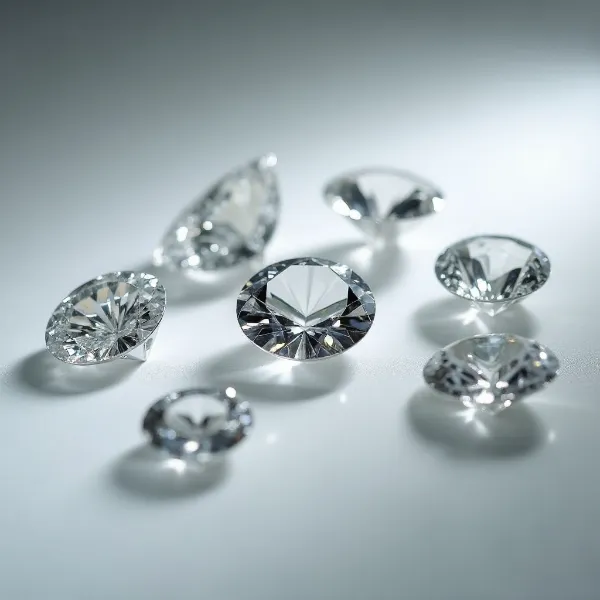
What Does Diamond Shape Meaning Represent?
The shape of a diamond often symbolizes personal style, preferences, and the significance of the occasion. Each shape carries a distinct meaning:
- Round: Symbolizes timeless elegance and traditional beauty. It's often associated with enduring love.
- Princess: Represents modernity, strength, and sophistication with its sharp angles.
- Emerald: Reflects elegance and vintage charm, often linked to classic beauty and grace.
- Cushion: Suggests romanticism and nostalgia, offering a vintage feel.
- Asscher: Denotes rarity and refined luxury, often associated with old-world glamour.
- Oval: Represents uniqueness and individuality, with an elegant yet modern touch.
- Pear: Symbolizes grace and uniqueness, often considered a representation of tears of joy or sorrow.
- Marquise: Associated with passion and drama, evoking a bold and distinctive personality.
- Radiant: Conveys a blend of classic and contemporary style, symbolizing a brilliant and dynamic personality.
Choosing a diamond shape can reflect one's personality or the emotions they wish to express, whether it's love, commitment, or uniqueness.
What Is the Best Shape of Diamond?
The "best" shape of diamond depends on personal preference, style, and the desired effect. However, the Round shape is often considered the most popular and timeless due to its brilliance and ability to reflect light from all angles.
If you're looking for a more modern, sleek appearance, the Princess cut is a great choice, offering a sharp, contemporary look. For those seeking elegance with a vintage feel, the Cushion and Emerald cuts are both excellent options.
Ultimately, the best diamond shape is one that aligns with personal taste and fits the wearer's lifestyle. Factors such as the setting, size, and the occasion (e.g., engagement, anniversary) also influence the choice. The round shape may be ideal for those who prioritize maximum brilliance, while other shapes might better suit a more unique or vintage aesthetic.
What Is a Round Diamond Called?
A round diamond is often referred to as a Round Brilliant diamond. This shape is the most popular and traditional, characterized by its 58 facets designed to maximize light reflection and brilliance.
The round brilliant cut is known for its exceptional sparkle and fire, making it a top choice for engagement rings and other fine jewelry. It is designed to optimize the diamond's natural beauty and is the standard when it comes to achieving the highest levels of brilliance.
Its timeless appeal, versatility, and superior light performance are why it remains a favorite among diamond buyers worldwide.
How to Choose Diamond Shape for Engagement Ring?
Choosing the right diamond shape for an engagement ring depends on personal style, preferences, and budget.
First, consider the recipient's taste. A Round diamond is timeless and offers exceptional brilliance, making it a popular choice. If they prefer a more modern or unique look, a Princess or Cushion cut may be ideal.
Next, think about the lifestyle. Shapes like Oval and Marquise offer an elegant, elongated appearance, while the Emerald and Asscher cuts present a more vintage or sophisticated vibe.
Consider the setting too—some shapes pair better with certain ring designs. For example, a Round diamond suits almost any setting, while an Oval cut looks stunning in a solitaire or halo setting.
Finally, the size and appearance of the diamond can affect the decision. Elongated shapes like Oval and Marquise can create the illusion of a larger stone, while Princess or Cushion cuts tend to be more affordable.
Ultimately, choose a shape that aligns with their personality and complements the overall design of the ring.
What Is a Solitaire Diamond?
A solitaire diamond refers to a single diamond set in a ring, often in an engagement ring setting. The term "solitaire" highlights the focus on one diamond, allowing its beauty and brilliance to be the central feature.
Solitaire rings are timeless and classic, with the diamond typically set in a simple, elegant band to showcase its sparkle. This setting emphasizes the diamond's size, clarity, and cut, making it a popular choice for those who want a clean, sophisticated look.
The solitaire setting can be designed with various metal options, including platinum, white gold, yellow gold, and rose gold, ensuring it complements the wearer's style. Whether in a prong, bezel, or tension setting, the solitaire diamond remains one of the most popular and enduring choices for engagement rings.
What Are the Most Expensive Diamond Shapes?
The most expensive diamond shapes are typically those that maximize brilliance and rarity. The Round Brilliant is often the most expensive due to its timeless popularity and superior light performance. Its cut requires the most diamond material, driving up the price.
Other expensive shapes include the Oval and Cushion cuts. These shapes tend to offer larger appearances relative to their carat weight, making them appear more substantial. The Asscher and Emerald cuts are also expensive, particularly if they feature high clarity and exceptional craftsmanship, as they showcase the diamond's inner qualities more distinctly.
In general, diamonds with rarer shapes or those that require more precise cutting, such as the Marquise and Radiant cuts, can be pricier due to the additional labor and expertise required to achieve their desired look.
What Is the Best Ratio for Oval Diamond?
The best ratio for an oval diamond typically falls between 1.30 and 1.50. This ratio refers to the diamond's length-to-width proportion. A ratio closer to 1.30 offers a more rounded, softer shape, while a ratio closer to 1.50 creates a more elongated, slimmer appearance.
The ideal ratio depends on personal preference. Some prefer the classic, more rounded look, while others opt for the elongated shape for its elegant and slimming effect.
A ratio of 1.40 to 1.45 is considered the most balanced, offering a good blend of elegance and fullness. This range showcases the oval diamond's brilliance and sparkle while maintaining its classic shape without being too stretched or too round.
What Is a Marquise Diamond?
A marquise diamond is an elongated, oval-shaped diamond with pointed ends, resembling a boat or eye shape. This shape is known for its unique, dramatic appearance and ability to create the illusion of a larger size due to its elongated form.
The marquise cut maximizes carat weight, making it ideal for those who want a larger visual effect without compromising on size. It is often set in engagement rings or used as a center stone in various jewelry designs.
This shape offers excellent brilliance and can be particularly striking when paired with a halo or in a custom-designed setting. The marquise diamond's distinct shape is perfect for those seeking a bold and sophisticated look.
What Are Facets in Diamonds?
Facets in diamonds are the flat surfaces that are cut into the stone to enhance its brilliance and sparkle. These surfaces are carefully crafted to reflect light, which is key to a diamond's visual appeal.
The most common diamond cut, the Round Brilliant, has 58 facets. These include the crown, pavilion, and the table, which work together to maximize light reflection and create the diamond’s sparkle.
Other cuts, like Princess, Cushion, or Emerald, have a different number of facets. While facets contribute to a diamond’s brilliance, their arrangement and proportions are critical in determining the stone's overall visual performance.
Diamonds with more facets can potentially reflect more light, but the quality of the cut is just as important for achieving optimal brilliance.
Is a Diamond a Square?
A diamond is not inherently square. The term "diamond" refers to a type of gemstone, but its shape can vary. The most common shape is the Round Brilliant cut, which is circular.
However, there are square-shaped diamond cuts like the Princess and Asscher cuts. These shapes are square or near-square in appearance, with sharp corners. The term "diamond" can be used to describe any shape, whether round, square, or another form, depending on how it's cut.
So, while diamonds can be cut into a square shape, they are not always square.
Are Marquise Diamonds Popular?
Marquise diamonds have a unique and elegant shape, characterized by their elongated form with pointed ends. While they are less common than the popular Round Brilliant or Princess cuts, marquise diamonds have gained popularity for their striking, bold appearance.
Their elongated shape creates the illusion of a larger diamond, which makes them appealing for those seeking a bigger look without the higher cost of larger carat weights. Marquise diamonds are often used in engagement rings, particularly when paired with halos or set in vintage-style designs.
Though not as universally popular as other cuts, marquise diamonds are a favored choice for those who desire something different and sophisticated. Their unique shape can appeal to individuals looking for a diamond with dramatic flair.
Are Marquise Diamonds Rare?
Marquise diamonds are considered relatively rare compared to other popular cuts like Round Brilliant or Princess. Their distinct elongated shape with pointed ends requires a specific cutting technique, which can lead to more waste from the rough diamond.
The rarity also comes from the fact that the marquise cut is less common in mainstream jewelry, although it is favored for its dramatic appearance and ability to make diamonds appear larger. Finding high-quality marquise diamonds with excellent symmetry and proportions can be more challenging, further contributing to their rarity.
While they are not as widely available as other cuts, marquise diamonds remain a unique and sought-after choice for those looking for a bold, elegant look.
What Is a Baguette Diamond?
A baguette diamond is a rectangular or tapered diamond cut known for its clean, straight lines. It is typically used as side stones in jewelry, especially in engagement rings, to complement a larger center diamond.
Baguette diamonds have a step-cut design, with long, straight facets that give them a sleek, elegant look. Unlike brilliant-cut diamonds, they don’t have many facets, which allows for a subtler shine. Their simplicity and geometric shape make them popular for modern and vintage-style rings.
Baguette diamonds can also be cut in different styles, such as straight or emotional (angled at the edges). Their unique appearance adds sophistication and understated luxury to any piece of jewelry.
What Are Diamond Baguettes?
Diamond baguettes are diamonds that are cut in a rectangular or tapered shape, with long, straight facets. Their step-cut design results in a sleek, linear appearance that is often used as side stones in engagement rings, earrings, and bracelets.
Baguette diamonds are known for their elegant, understated look. Unlike brilliant-cut diamonds, they have fewer facets and reflect light less intensely, offering a subtler shine. Their clean lines and geometric shape make them a popular choice for modern and vintage jewelry designs.
Baguettes are typically used to complement a larger central diamond, providing a sophisticated frame without overshadowing the main stone. They can be cut in different styles, such as straight or emotional (angled edges), offering versatility in design.
Which Diamond Shape Sparkles the Most?
The Round Brilliant diamond shape is widely considered to sparkle the most. Its 58 facets are precisely cut to maximize light reflection, creating intense brilliance and fire. This cut is designed to offer optimal sparkle from every angle.
Other diamond shapes, such as Princess and Radiant, also display significant sparkle due to their faceting, but the Round Brilliant remains the top choice for its superior light performance. The combination of facets, angles, and proportions in the Round cut ensures maximum brilliance.
For those looking for maximum sparkle, the Round Brilliant is the most reliable and popular diamond shape for achieving dazzling light reflection.
What Is a Cushion Diamond?
A cushion diamond is a square or rectangular-shaped diamond with rounded corners, resembling a pillow or cushion. This shape combines the brilliance of a round diamond with the elegance of a square shape, offering a vintage yet timeless look.
Cushion diamonds have a soft, romantic appeal, making them a popular choice for engagement rings. They are cut with either a traditional or modern style, with the modern cut offering more sparkle through its larger facets.
This diamond shape is known for its unique ability to capture and reflect light, creating a soft, radiant glow. Its vintage charm and versatile look make it ideal for those seeking a combination of classic elegance and contemporary beauty.
How Do You Wear a Pear Shaped Diamond?
A pear-shaped diamond can be worn in several ways, depending on personal style and the jewelry piece. It is often featured in engagement rings, where it is typically set with the pointed end facing downwards, creating a slimming effect on the finger.
For a more contemporary look, some prefer wearing the pear shape with the point facing upwards. This gives the ring a unique and bold appearance. Pear-shaped diamonds can also be used in pendants, earrings, or bracelets, where their elongated shape adds elegance.
When styling a pear-shaped diamond, consider the setting. A halo setting can enhance the diamond’s size and sparkle, while a solitaire setting highlights its distinct shape. Pairing it with simple, elegant bands allows the diamond to remain the focal point.
Which Is the Best Diamond Shape for Long Fingers?
For long fingers, the best diamond shapes are those that create the illusion of width, balancing out the length of the finger. The Oval and Emerald cuts are excellent choices, as their elongated shapes emphasize elegance while adding volume.
The Cushion and Princess cuts are also great options. Their slightly squarer shapes add a touch of balance, giving the appearance of a fuller look without elongating the finger further.
Avoid extremely elongated shapes like the Marquise cut, as they can accentuate finger length. Instead, opt for shapes that provide a broader appearance while maintaining a sleek, sophisticated feel.