Topaz is a popular gemstone with several varieties, each having distinct colors and properties. The main types of topaz include:
-
Blue Topaz: One of the most common types, ranging from light blue to deep, vibrant blue. It’s often enhanced through treatment.
-
Imperial Topaz: Known for its rich golden to pinkish-orange hues, this is the most valuable variety of topaz.
-
White Topaz: Colorless and transparent, white topaz is often used as a diamond substitute due to its brilliance.
-
Pink Topaz: A rare variety, ranging from soft pink to vibrant fuchsia, prized for its delicate color.
-
Golden Topaz: Known for its warm yellow to golden tones, this variety is commonly used in jewelry.
-
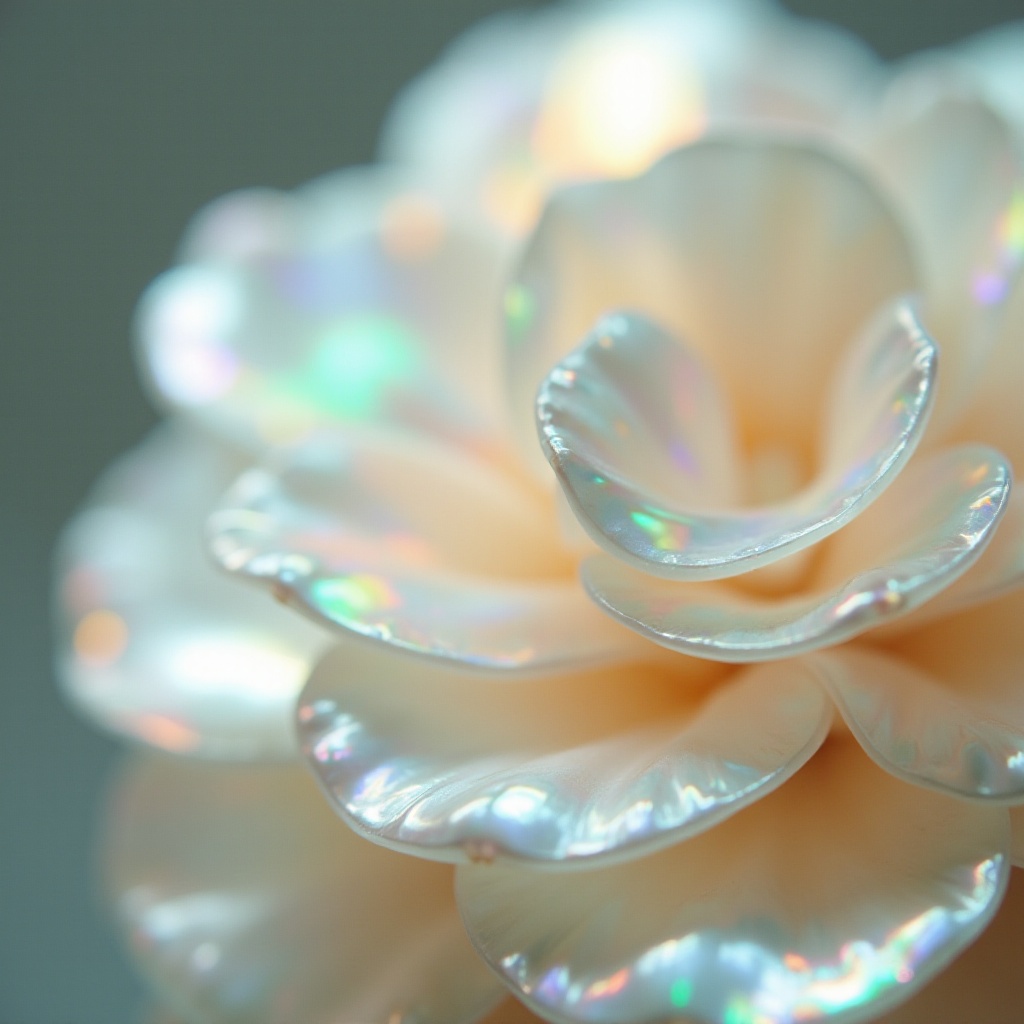
Mystic Topaz: Created by enhancing the natural topaz with a special coating that gives it a rainbow of colors, primarily green, purple, and blue.
Each type of topaz offers unique qualities, making it a versatile choice for jewelry.
What Color Is Topaz?
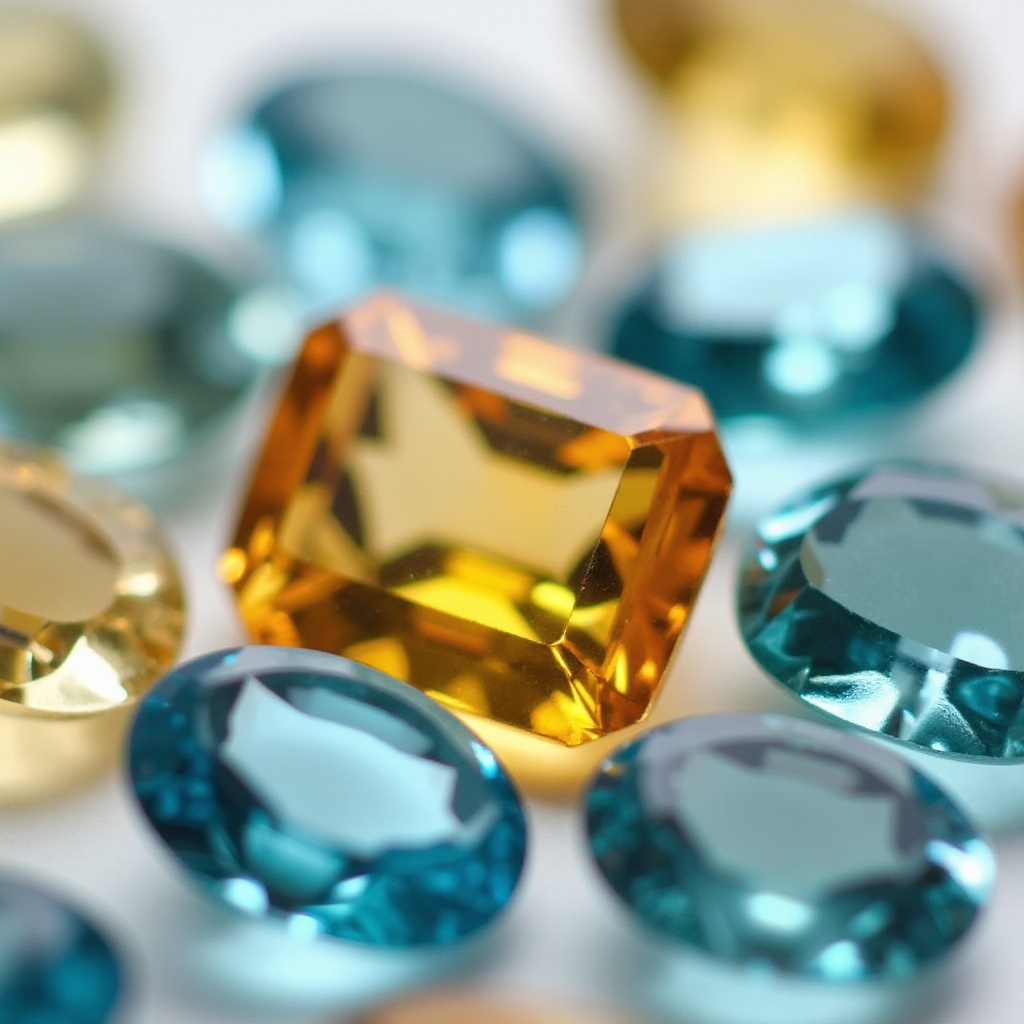
Topaz occurs in a variety of colors, each unique and captivating. The most common colors include:
-
Blue Topaz: Ranging from light blue to deep, rich hues, often treated to enhance its color.
-
Yellow Topaz: A warm, golden-yellow shade, commonly found in natural topaz.
-
Imperial Topaz: Known for its luxurious pinkish-orange to deep golden tones, this variety is highly valued.
-
Pink Topaz: A rare and delicate pink color, varying from light pastel to vibrant fuchsia.
-
White Topaz: Colorless, resembling diamonds, it is popular for its clarity and brilliance.
-
Green Topaz: Less common, offering a subtle light green or minty hue.
-
Colorless Topaz: Transparent with a natural white appearance, often used as a diamond substitute.
Topaz is versatile and available in a broad spectrum of hues, making it a popular gemstone choice for jewelry.
Which Is the Most Common Topaz Color?
The most common topaz color is blue. Blue topaz is highly popular due to its vibrant hues, which range from light blue to deep, rich shades.
Blue topaz is often treated to enhance its color, as natural blue topaz is relatively rare. The gemstone is widely used in jewelry for its affordability and stunning appearance, making it a favorite choice among consumers.
Other common colors include yellow and colorless topaz, but blue remains the dominant and most sought-after variety in the market.
How Does Blue Topaz Vs Aquamarine Differ in Appearance and Value?
Blue topaz and aquamarine are both stunning blue gemstones but differ in appearance and value.
Appearance: Blue topaz is typically brighter and more vivid, with hues ranging from light blue to deep, saturated shades. It often has more sparkle and brilliance due to its higher refractive index. Aquamarine, on the other hand, has a softer, lighter blue color, often with a slightly greenish tint. Its transparency gives it a serene, ocean-like quality.
Value: Blue topaz is more affordable compared to aquamarine, primarily because topaz is more abundant and can be treated to enhance its color. Aquamarine, being rarer and naturally occurring in vibrant hues, tends to be more valuable. Additionally, larger aquamarine stones are highly prized.
In summary, blue topaz offers brighter, more varied shades at a lower price, while aquamarine’s gentle color and rarity make it more valuable.
What Does White Topaz Meaning Symbolize?
White topaz is often associated with purity, clarity, and strength. It symbolizes truth and balance, making it a popular gemstone for those seeking spiritual growth and emotional healing.
In many cultures, white topaz is believed to bring positive energy, enhance creativity, and amplify mental clarity. It is also considered a stone that promotes harmony in relationships, helping individuals find peace and understanding.
As a symbol of strength, white topaz is thought to protect its wearer from negative influences while fostering a sense of inner peace. Its clarity is often linked to the clearing of mental fog and the enhancement of insight.
What Does Mystic Topaz Meaning Represent?
Mystic topaz is a gemstone that symbolizes transformation, healing, and spiritual growth. Known for its vibrant and shifting colors, it represents the ability to adapt and change, reflecting the wearer's journey through life.
The gemstone is also associated with self-confidence and empowerment, encouraging its wearer to embrace their true self and make positive changes. Mystic topaz is believed to enhance creativity, bring clarity to the mind, and stimulate emotional healing.
Additionally, mystic topaz is thought to promote balance and harmony in relationships by fostering communication and understanding between individuals. Its dynamic colors are said to reflect the wearer's emotional state, helping to align the physical, emotional, and spiritual aspects of life.
How Does White Topaz Vs Diamond Compare Visually?
White topaz and diamonds differ significantly in appearance, though both are clear gemstones.
Appearance: White topaz is transparent and colorless, similar to a diamond in clarity but with less brilliance. While it can sparkle under light, its refractive index is lower than a diamond's, making its shine less intense. Diamonds have superior brilliance and fire, with light dispersion creating more vivid colors in the spectrum.
Hardness: Diamonds are much harder (10 on the Mohs scale), making them more durable and resistant to scratches. White topaz, with a hardness of 8, is still durable but more prone to scratching over time compared to diamonds.
Value: Diamonds are significantly more valuable due to their rarity, durability, and natural sparkle. White topaz is a more affordable alternative, offering a similar clear look at a lower price point.
In summary, while both gemstones appear similar in clarity, diamonds outshine white topaz in brilliance, fire, and durability.
What Is the Difference Between London Blue Vs Swiss Blue Topaz?
London blue topaz and Swiss blue topaz are two distinct varieties of blue topaz, each with unique characteristics.
London Blue Topaz: This variety has a deep, rich blue color, often described as an intense, dark shade of blue with subtle undertones of gray. It has a more subdued, sophisticated appearance compared to other blue topaz colors, making it popular in high-end jewelry.
Swiss Blue Topaz: Swiss blue topaz is characterized by its vibrant, bright, and vivid blue hue, resembling a sky-blue color. It is lighter and more energetic in appearance compared to London blue topaz, offering a fresh and lively look.
In summary, the main difference between the two lies in their color depth and vibrancy. London blue topaz has a darker, more muted tone, while Swiss blue topaz is bright and striking with a lively, lighter blue hue.
How Does Sapphire Vs Blue Topaz Compare in Durability and Color?
Sapphire and blue topaz differ significantly in both durability and color.
Durability: Sapphires are much harder, scoring 9 on the Mohs scale of hardness, making them highly durable and resistant to scratches. Blue topaz, with a hardness of 8, is still durable but more prone to scratching over time compared to sapphires.
Color: Sapphires typically display a deep, rich blue, although they can range from lighter to darker shades depending on the specific variety. Blue topaz offers a brighter, more vivid blue, often enhanced through treatment, with shades ranging from light blue to a deeper, saturated hue.
In summary, sapphires are superior in durability, making them ideal for daily wear, while blue topaz offers a vibrant and more affordable alternative in color.
What Is Mystic Topaz?
Mystic topaz is a type of topaz that has been treated with a special coating to create a rainbow-like effect. This gemstone exhibits a wide range of colors, often shifting between greens, purples, and blues, depending on the angle of the light.
Mystic topaz is known for its striking and vibrant appearance, making it popular in jewelry. It is created by applying a thin layer of titanium or other metallic coatings on the surface of a colorless topaz gemstone, which produces its unique, iridescent finish.
Though it is not a naturally occurring variety, mystic topaz offers an eye-catching and affordable alternative to other colorful gemstones. Its mesmerizing colors and affordability make it a favorite for statement pieces and fashion jewelry.
What Does London Blue Topaz Meaning Symbolize?
London blue topaz is often associated with depth, wisdom, and calmness. The gemstone's rich, dark blue hue symbolizes serenity, tranquility, and emotional healing.
It is believed to promote clear communication, helping to open up dialogue in relationships. London blue topaz is also considered a stone of protection, thought to shield its wearer from negative energy and encourage self-confidence.
In spiritual practices, the gemstone is said to enhance clarity of thought and inspire positive change. Its soothing color is also linked to mental clarity, focus, and stress relief.
How Does Mystic Topaz Vs Alexandrite Differ in Color Change?
Mystic topaz and alexandrite both exhibit color-changing properties, but they differ in the nature and range of their color shifts.
Mystic Topaz: Mystic topaz changes color based on the angle of light, displaying an iridescent effect with vibrant hues like purple, green, and blue. This color shift is often subtle and depends on the light source.
Alexandrite: Alexandrite is famous for its dramatic color-changing ability, shifting from a greenish-blue in natural light to a reddish-purple or deep magenta under incandescent light. This effect is more pronounced and distinctive compared to mystic topaz.
In summary, mystic topaz offers a broader range of colors with a softer shift, while alexandrite’s color change is more significant and distinct, making it a rarer and more valuable gemstone.
What Is the Meaning of Yellow Topaz?
Yellow topaz is often associated with joy, abundance, and positivity. Its vibrant yellow hue symbolizes energy, optimism, and clarity, making it a stone of empowerment and motivation.
In many cultures, yellow topaz is believed to bring good fortune, success, and wealth, especially in business or personal endeavors. It is thought to help the wearer gain mental clarity and confidence, encouraging creative expression and decision-making.
Spiritually, yellow topaz is also considered a stone of healing, promoting emotional balance and relieving stress. Its bright color represents warmth, happiness, and a sense of inner peace.
How Does Blue Zircon Vs Blue Topaz Compare?
Blue zircon and blue topaz differ in several key aspects, including appearance and durability.
Appearance: Blue zircon is known for its brilliance and fire, often appearing more sparkling than blue topaz due to its higher refractive index. It ranges from light to deep blue and has a naturally intense color. Blue topaz, on the other hand, offers a more subdued, vibrant blue, often treated to enhance its color.
Durability: Blue zircon is harder than blue topaz, with a Mohs hardness of 7.5 compared to blue topaz’s 8. While both stones are durable, blue zircon is more prone to scratching than blue topaz.
Value: Blue zircon is rarer and often more expensive than blue topaz, which is more common and widely available.
In summary, blue zircon is valued for its brilliant sparkle and rarity, while blue topaz offers vibrant color at a more affordable price.
What Is the Difference Between White Topaz Vs White Sapphire?
White topaz and white sapphire are both clear gemstones but differ in composition, durability, and value.
Composition: White topaz is a silicate mineral, while white sapphire is a form of corundum, the same mineral family that includes rubies. This gives white sapphires greater hardness and durability.
Durability: White sapphire is much harder, scoring 9 on the Mohs scale, compared to white topaz’s 8. This makes white sapphire more resistant to scratches and wear over time, ideal for everyday jewelry.
Value: White sapphire is more expensive due to its rarity and higher durability. White topaz is more affordable and often used as a diamond substitute in jewelry due to its clarity and sparkle.
In summary, white sapphire is a more durable and valuable gemstone, while white topaz offers an affordable option with a similar appearance to diamonds.
What Does Imperial Topaz Meaning Represent?
Imperial topaz is a gemstone often associated with strength, abundance, and vitality. Its rich golden to pinkish-orange hues symbolize success, personal power, and prosperity.
Historically, imperial topaz was highly prized by royalty, with its warm tones representing wealth and authority. It is believed to bring good fortune, making it a popular choice for those seeking to manifest their desires and goals.
Spiritually, imperial topaz is said to enhance creativity, boost self-confidence, and promote emotional healing. It is also considered a stone of protection, offering support in challenging situations while fostering positive energy.
How Does Blue Topaz Vs Tanzanite Compare in Value?
Blue topaz and tanzanite differ significantly in value due to factors like rarity and demand.
Value: Blue topaz is more affordable, as it is abundant and often treated to enhance its color. It is widely available in various shades of blue and is commonly used in mass-market jewelry.
Tanzanite, on the other hand, is much rarer, as it is found only in a small region of Tanzania. Its rich violet-blue color, coupled with its scarcity, makes it significantly more expensive than blue topaz.
In summary, tanzanite holds a higher value due to its rarity, while blue topaz offers a more budget-friendly option with similar visual appeal.
What Is the Difference Between Yellow Sapphire Vs Yellow Topaz?
Yellow sapphire and yellow topaz are both beautiful gemstones but differ in composition, durability, and value.
Composition: Yellow sapphire is a variety of corundum, the same mineral family that includes rubies. Yellow topaz, on the other hand, is a silicate mineral. This difference in composition contributes to their differing properties.
Durability: Yellow sapphire is harder, scoring 9 on the Mohs scale, making it more durable and resistant to scratches compared to yellow topaz, which scores 8. This makes yellow sapphire more suitable for daily wear.
Value: Yellow sapphire is more expensive due to its rarity and durability. It is considered a precious gemstone and is highly valued in the market. Yellow topaz, while still popular, is more affordable and readily available.
In summary, yellow sapphire is rarer, more durable, and more expensive, while yellow topaz offers a more budget-friendly option with similar vibrant color.
Is White Topaz Valuable?
White topaz is relatively affordable compared to other precious gemstones like diamonds, sapphires, and diamonds. While it is valued for its clarity and brilliance, its abundance and lower hardness (8 on the Mohs scale) contribute to its lower price.
Though white topaz can resemble diamonds due to its transparency and sparkle, it lacks the rarity and extreme durability that make diamonds more valuable. White topaz is often used as a diamond substitute in jewelry, making it a popular choice for budget-conscious buyers seeking a similar aesthetic.
In summary, white topaz is valuable for its beauty and affordability, but it is not as precious or expensive as gemstones like diamonds or sapphires.
What Color Topaz Is Rare?
The rarest color of topaz is Imperial Topaz, which features rich hues of pinkish-orange to deep golden tones. This variety is highly sought after due to its unique, vibrant colors and limited availability.
While other topaz colors like blue, yellow, and colorless are more common, Imperial topaz’s rarity and its association with royalty contribute to its higher value. Its captivating and rich color makes it the most prized among topaz varieties.
In summary, Imperial topaz is the rarest and most valuable color of topaz due to its distinctive and vibrant appearance.