Sapphires come in a variety of types, primarily categorized by their color, origin, and treatment. The most common type is the blue sapphire, which is the classic and most well-known. However, sapphires are available in a range of colors, including yellow, pink, green, white, and even colorless sapphires. These variations occur due to different trace elements present during their formation.
Another type is padparadscha sapphire, a rare and prized pinkish-orange variety found primarily in Sri Lanka. Sapphires can also be classified by origin, with notable varieties including Kashmir, Ceylon (Sri Lanka), and Myanmar sapphires, each offering distinct characteristics.
Sapphires are further classified into natural and treated types. Natural sapphires have not undergone any treatment, while treated sapphires are enhanced to improve color and clarity through heat or other processes. Star sapphires, featuring a star-shaped pattern on the surface due to inclusions, are another unique variation.
What Colors Can Sapphires Be?
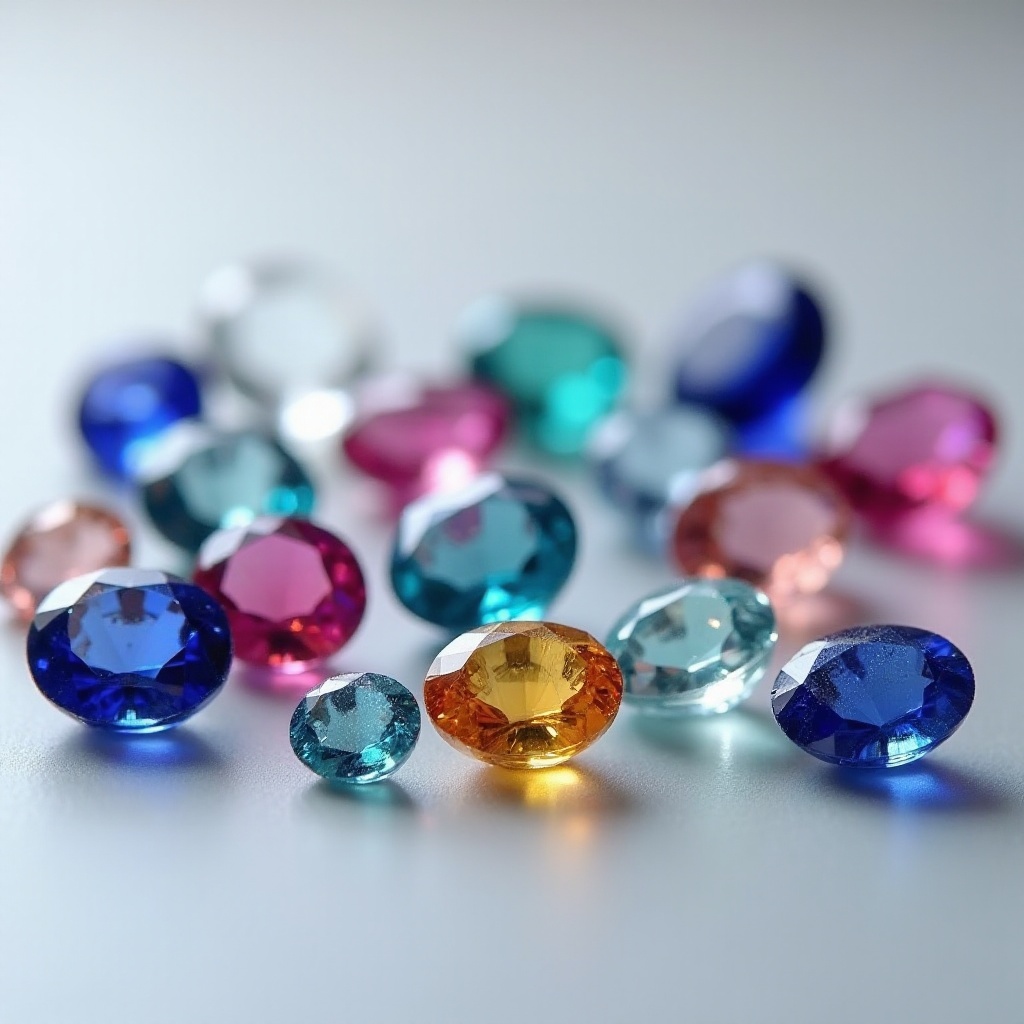
Sapphires can be found in a wide range of colors, with the most common being blue. The blue color can vary from light to deep blue, with the most sought-after shade being a rich, velvety blue.
Aside from blue, sapphires come in many other colors, including pink, yellow, green, and white. These variations are due to the presence of different trace elements, such as iron, titanium, and chromium. Pink sapphires can range from pale to deep rose, while yellow sapphires are often bright and vivid, sometimes resembling topaz.
There are also colorless sapphires, which are transparent and resemble diamonds in appearance. Another rare variety is padparadscha sapphire, which features a unique mix of pink and orange hues.
Sapphires can also come in bi-color and parti-color variations, where two or more colors appear in the same gemstone. These rare sapphires offer a striking blend of shades, making them highly coveted in the jewelry market.
Are Sapphires Green?
Yes, sapphires can be green. Green sapphires are a natural variation of the gemstone, and their color is caused by trace elements such as iron and titanium. These sapphires can range in shades from pale green to deep forest green.
Green sapphires are not as common as blue sapphires, but they are still highly valued for their unique, vibrant color. They are often used in various types of jewelry, including engagement rings and earrings, due to their durability and beauty.
While green sapphires are less well-known, they are gaining popularity as an alternative to emeralds, as they offer a similar green hue with greater durability. Like all sapphires, green sapphires are part of the corundum family, making them one of the hardest gemstones, ideal for everyday wear.
What Is Star Sapphire?
A star sapphire is a type of sapphire that displays a star-like phenomenon on its surface, known as asterism. This effect occurs due to the presence of needle-like inclusions, often of rutile, that create a star pattern when the gemstone is cut in a cabochon shape.
The star typically has four, twelve, or twenty-four rays, depending on the inclusions. Star sapphires can come in various colors, including blue, black, and even pink, but the most popular is the blue variety.
The asterism effect is best seen under direct light, which highlights the star pattern. Star sapphires are often set in rings, pendants, and brooches, where their unique appearance adds a distinct allure.
These stones are also considered mystical and are believed to bring good luck and protection. Due to their rarity and the visual appeal of the star effect, star sapphires are highly valued in the gemstone market.
What Is a Padparadscha Sapphire?
A padparadscha sapphire is a rare and highly prized variety of sapphire known for its unique blend of pink and orange hues. The color ranges from a soft, pastel peachy-pink to a more vibrant pinkish-orange, reminiscent of a sunset.
This gemstone is mainly found in Sri Lanka, with other deposits in Myanmar and Tanzania. Its rarity and striking color make it one of the most valuable sapphires in the world. Padparadscha sapphires are often used in high-end jewelry, including engagement rings, where their distinctive appearance stands out.
Unlike other sapphires, padparadscha sapphires do not have a single dominant color, but rather a balanced mix of pink and orange. This unique coloring, combined with its rarity, makes it highly sought after by collectors and gemstone enthusiasts.
Padparadscha sapphires are treated similarly to other sapphires, with most undergoing heat treatment to enhance their color and clarity. However, untreated natural padparadscha sapphires are particularly rare and highly valued.
What Is Sapphire Crystal?
Sapphire crystal refers to a synthetic or natural, clear, transparent form of sapphire that is often used in various industries, including watchmaking, optics, and electronics. It is made from corundum, the same material as sapphires, but typically lacks any color due to the absence of trace elements.
The primary appeal of sapphire crystal lies in its exceptional hardness and durability, ranking 9 on the Mohs scale, just below diamond. This makes it highly resistant to scratching and ideal for use in watch faces, camera lenses, and high-end jewelry.
Unlike gemstones, sapphire crystals are often used in their clear, uncolored form, offering scratch resistance and clarity. In watchmaking, for example, sapphire crystals are valued for their ability to resist scratches while providing a clear, undistorted view of the watch dial.
Though typically synthetic for practical applications, natural sapphire crystals are also found in nature. These crystals are valuable for their strength, optical clarity, and durability, making them essential in many precision applications across various industries.
What Is the Largest Sapphire in the World?
The largest sapphire in the world is the Blue Giant of the Orient, weighing an astounding 486.52 carats. Discovered in Sri Lanka in 1907, this massive blue sapphire is considered one of the most remarkable gemstones in history.
The Blue Giant of the Orient is known for its deep blue color and impressive size, making it one of the most prized and valuable sapphires ever found. It is not only recognized for its size but also for its exceptional clarity and color saturation.
Currently, this sapphire is housed in a private collection, though it has been displayed in various exhibitions over the years. Its immense size and rarity place it at the top of the list for large sapphires, surpassing other notable gemstones in both fame and value.
While there are other large sapphires, the Blue Giant of the Orient holds the title for being the largest known natural sapphire ever discovered.
What Is Synthetic Sapphire?
Synthetic sapphire refers to sapphires that are created in a laboratory rather than formed naturally in the earth. These gemstones have the same physical and chemical properties as natural sapphires but are manufactured using processes such as the Verneuil method or Czochralski process.
Synthetic sapphires are used in various industries due to their durability and optical clarity. In the jewelry market, they offer an affordable alternative to natural sapphires while maintaining the same beautiful appearance and hardness (9 on the Mohs scale).
Unlike treated sapphires, synthetic sapphires are not enhanced with heat or other methods to change their properties; they are made to the desired specifications. Though they are chemically identical to natural sapphires, synthetic sapphires can often be distinguished by the presence of certain inclusions or growth patterns unique to lab-created stones.
Synthetic sapphires are also widely used in non-jewelry applications, including electronics, optical lenses, and watch crystals, thanks to their resistance to scratches and their optical clarity.
What Color Is Dark Sapphire?
A dark sapphire typically refers to sapphires with deep, rich shades of blue, often approaching a navy or midnight blue. The color is a result of the presence of trace elements like iron and titanium, which influence the depth of the hue.
Dark sapphires can vary slightly in tone, from a deep blue to a slightly purplish or grayish shade. While still retaining the characteristic blue of sapphires, the darker tones give the gemstone a more intense, dramatic appearance.
These sapphires are often considered more sophisticated and elegant due to their deeper color, making them a popular choice for high-end jewelry. Although the dark shade may reduce the gem's brilliance in certain lights, it adds a unique, refined look to the stone, often used in engagement rings, earrings, and necklaces.
What Is the Blue Star Sapphire?
A blue star sapphire is a unique variety of sapphire that displays a star-shaped pattern on its surface, known as asterism. This effect is caused by the presence of rutile inclusions within the stone, which create the star when viewed under direct light.
The blue color of the star sapphire ranges from medium to dark blue, with the star effect being most prominent in cabochon cuts. These sapphires are highly valued for their mystical and aesthetic appeal.
The star typically has four, twelve, or twenty-four rays, depending on the arrangement of rutile inclusions. The most common and prized star sapphires have a clear, distinct star that shines across the surface of the gem.
Blue star sapphires are often used in rings, pendants, and other types of jewelry, offering a captivating and rare look. Their distinct visual effect and the rarity of high-quality examples make them highly sought after by collectors and gemstone enthusiasts.
Which Is the Most Expensive Sapphire?
The most expensive sapphire is the Padparadscha sapphire, known for its unique and rare blend of pink and orange hues. This variety is considered the most valuable due to its scarcity and striking color, often commanding prices much higher than standard blue sapphires.
The highest-quality Padparadscha sapphires, especially those that are natural and untreated, can fetch millions of dollars per carat. These sapphires are primarily found in Sri Lanka and Myanmar, and their rarity makes them a prized possession for collectors and gemstone enthusiasts.
In addition to Padparadscha, Kashmir sapphires also rank among the most expensive sapphires. Known for their velvety blue color and exceptional clarity, Kashmir sapphires have a rich history and are highly sought after, making them some of the rarest and most expensive sapphires in the world.
What Color Is the Rarest Shade of Sapphire?
The rarest shade of sapphire is the Padparadscha sapphire, which features a unique combination of pink and orange hues. This captivating color resembles the glow of a sunset, making it highly prized and sought after by collectors.
The color of Padparadscha sapphires is distinctive and not found in other sapphire varieties. The most valued stones have a balanced, vibrant mix of pink and orange, with no dominant color. The rarity of this color, coupled with its natural occurrence, makes Padparadscha sapphires incredibly expensive.
Aside from Padparadscha, green sapphires and star sapphires can also be rare, but they are not as scarce or expensive as Padparadscha. However, Padparadscha remains the most prized due to its uncommon color and scarcity in nature.
Is Alpha Sapphire Good?
Alpha Sapphire is a high-quality, lab-created sapphire that offers the same physical and chemical properties as natural sapphires. It is made using advanced techniques such as the Verneuil method or Czochralski process, ensuring it is durable and resistant to scratching.
Because it is synthetic, Alpha Sapphire tends to be more affordable than natural sapphires, while still providing excellent color and clarity. The gemstone is often indistinguishable from natural sapphires and is highly valued for its consistency and purity.
While Alpha Sapphire is not as rare as natural sapphires, it is still a good choice for jewelry due to its durability and beauty. It is an ideal option for those who desire the look and feel of sapphire without the high cost associated with natural stones.
What Is Black Sapphire?
Black sapphire is a type of sapphire known for its deep, dark color, typically ranging from dark gray to jet black. Unlike other sapphires, which are valued for their vibrant blue or colored hues, black sapphires are appreciated for their unique, dramatic appearance.
Black sapphires are a variety of corundum, like all sapphires, but they contain more iron and titanium, which gives them their dark color. They are often opaque or exhibit a less transparent quality compared to traditional sapphires.
Despite their dark color, black sapphires are durable and highly resistant to scratches, making them ideal for various jewelry pieces, such as rings and pendants. They are more affordable than blue or colored sapphires, making them a popular choice for those seeking a sophisticated yet cost-effective option.
Black sapphires are often used in both modern and vintage-style jewelry, offering a timeless, elegant look with a mysterious appeal.
What Is a Ceylon Sapphire?
A Ceylon sapphire is a sapphire that originates from Sri Lanka, formerly known as Ceylon. These sapphires are highly regarded for their exceptional color and quality, with the most famous being the vibrant blue variety.
Ceylon sapphires are known for their bright, clean, and transparent appearance. They typically feature a rich blue hue with an alluring clarity and brilliance that sets them apart from sapphires found in other locations. The best Ceylon sapphires come from regions like Ratnapura, Sri Lanka's "City of Gems."
Apart from blue, Ceylon sapphires can come in other colors, such as yellow, pink, and green, but blue is the most popular. Due to the country's long history of sapphire mining, Ceylon sapphires are also associated with exceptional craftsmanship and cultural significance.
These sapphires are highly prized in the jewelry market and often considered some of the finest sapphires in the world. Their beauty, clarity, and range of colors make them a popular choice for high-end rings, necklaces, and earrings.
What Is Montana Sapphire?
A Montana sapphire is a sapphire that originates from the Montana region in the United States, primarily from the Yogo Gulch area. These sapphires are known for their exceptional color, with blue being the most common, though they can also come in shades of green, yellow, and even colorless.
Montana sapphires are highly prized for their natural brilliance and vivid hues. The blue varieties, in particular, are often a soft, vibrant blue, often described as having a velvety or pastel-like appearance. Unlike sapphires from other regions, Montana sapphires are typically untreated, meaning they retain their natural color and clarity.
These sapphires are considered a sustainable and ethical choice, as the mining process in Montana is typically less harmful to the environment compared to other regions. Montana sapphires are popular in fine jewelry, especially in engagement rings, due to their unique, eco-friendly nature and the distinctive colors they offer.
Their rarity, coupled with their natural beauty, makes Montana sapphires a highly sought-after gemstone in the jewelry market.
Are Pink Sapphires Expensive?
Yes, pink sapphires can be expensive, though their price tends to be lower than that of blue sapphires. The cost of pink sapphires depends on several factors, including their color intensity, size, clarity, and whether they are treated.
The most valuable pink sapphires are those with vivid, saturated hues, and those that are naturally occurring without treatment. These high-quality, untreated sapphires, especially those from famous sources like Sri Lanka, can command premium prices.
In comparison, lighter or less saturated pink sapphires may be more affordable. However, pink sapphires still remain one of the more expensive colored gemstones due to their beauty and rarity.
Overall, while pink sapphires are generally more affordable than blue sapphires, they are still a luxurious and sought-after gemstone, especially when they exhibit a vibrant color and high clarity.
What Is Lab Created Sapphire?
A lab-created sapphire is a synthetic sapphire that is produced in a controlled laboratory environment, using methods that replicate the natural formation process of sapphires. These stones have the same physical, chemical, and optical properties as natural sapphires but are created using advanced techniques such as the Verneuil method or Czochralski process.
Lab-created sapphires are identical to natural sapphires in terms of hardness, brilliance, and durability, making them a popular choice in fine jewelry. They are often more affordable than natural sapphires, as they are produced in larger quantities and don't require mining.
One of the advantages of lab-created sapphires is that they are available in a range of colors and are often free from inclusions, offering high clarity. They are also a more sustainable and ethical option, as their creation has less environmental impact compared to traditional sapphire mining.
Although they are synthetic, lab-created sapphires can still be of high quality and are a great choice for those seeking the beauty of sapphire at a lower price point.
How Much Is a Star Sapphire Worth?
The value of a star sapphire depends on several factors, including its size, color, clarity, and the prominence of its star pattern. Generally, star sapphires are less expensive than regular sapphires due to the rarity of high-quality stones with distinct star effects.
Smaller star sapphires may cost a few hundred dollars per carat, while larger stones with a well-defined star can reach prices of $1,000 to $3,000 per carat. Exceptional, untreated star sapphires with intense color and a perfect star pattern can be much more expensive.
The origin of the sapphire also plays a role in its value. Star sapphires from famous locations, such as Sri Lanka or Myanmar, may command higher prices. Additionally, the cut and clarity of the star pattern significantly affect its value—stones with a sharp, clear, and even star are more valuable.
Overall, while star sapphires are typically more affordable than other high-quality sapphires, their rarity and unique visual appeal can make them quite valuable in certain cases.
Is Green Sapphire Natural?
Yes, green sapphires are natural gemstones. They are a variety of sapphire that, like all sapphires, belongs to the corundum family. The green color in sapphires is typically caused by the presence of trace elements like iron, chromium, and titanium.
Green sapphires can occur naturally in various shades, from light mint green to deep forest green. While they are less common than blue sapphires, they are still a natural occurrence in sapphire deposits, particularly in regions like Sri Lanka, Madagascar, and Montana.
Just like other sapphires, green sapphires are highly durable, with a hardness of 9 on the Mohs scale, making them ideal for use in fine jewelry. They are sometimes treated to enhance their color, but untreated, natural green sapphires are highly valued, especially those with vibrant, uniform color and good clarity.
These sapphires are a unique and beautiful option for engagement rings and other jewelry, offering an alternative to more traditional colored gemstones like emeralds.