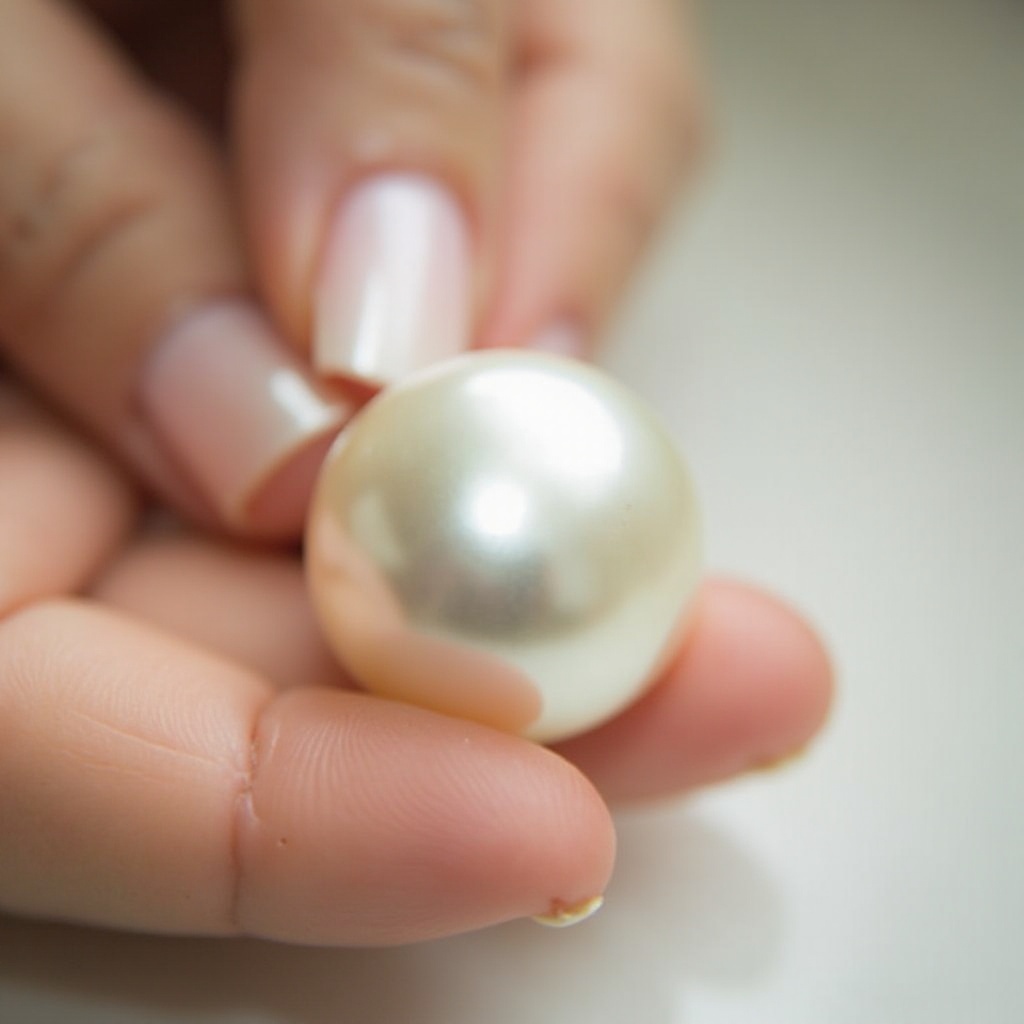
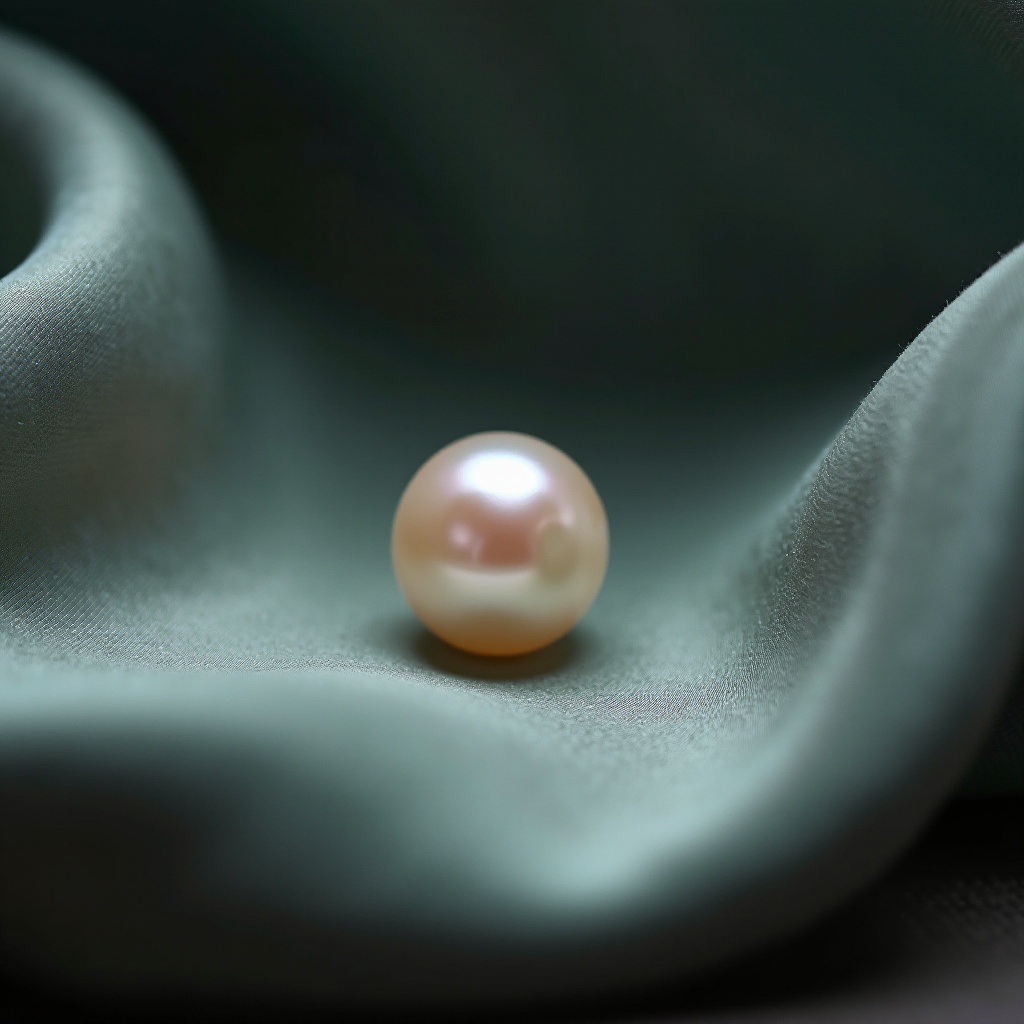
There are several types of pearls, primarily classified based on their origin, cultivation method, and shape. The main types include:
-
Akoya Pearls: Known for their high luster, Akoya pearls are cultured in Japan and China. They are small, round, and highly valued for their classic appearance.
-
South Sea Pearls: These are large, luxurious pearls grown primarily in Australia, the Philippines, and Indonesia. They come in white and gold colors and are known for their large size and rich, satiny luster.
-
Tahitian Pearls: Grown around Tahiti, these pearls are typically dark, ranging from gray to black, with hues of green, purple, and blue. They are highly prized for their unique colors.
-
Freshwater Pearls: Cultivated in freshwater lakes, primarily in China, these pearls are available in a variety of shapes and colors. They are generally more affordable compared to saltwater varieties.
-
Baroque Pearls: These irregularly shaped pearls are highly valued for their unique and organic forms, often used in statement jewelry pieces.
Each type of pearl offers distinct qualities in terms of size, shape, and color, which influences their pricing and aesthetic appeal.
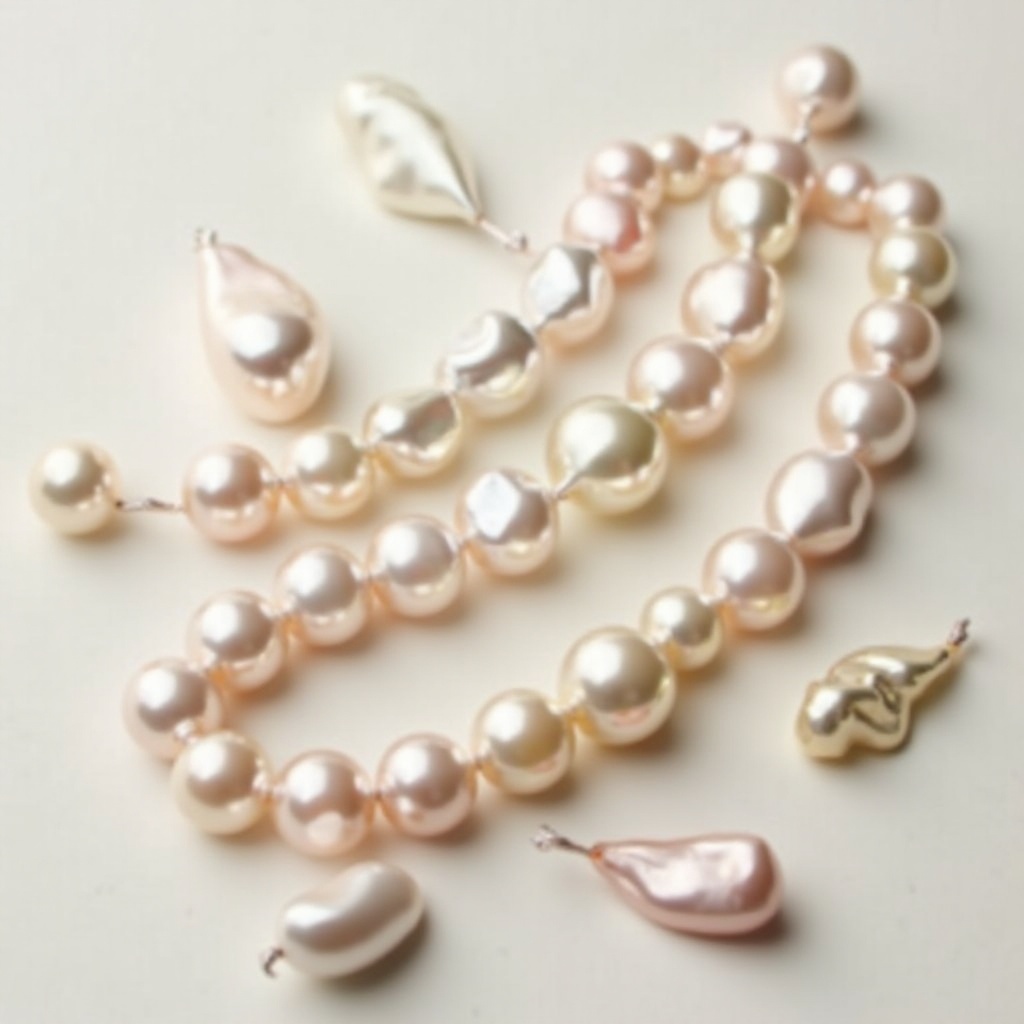
What Are Freshwater Pearls?
Freshwater pearls are pearls cultivated in freshwater lakes, rivers, or ponds, primarily in China. Unlike saltwater pearls, they are grown in mussels rather than oysters. These pearls are available in various shapes, sizes, and colors, ranging from white and cream to pink, lavender, and even deep purple.
Freshwater pearls are known for their affordability and versatility. While they are often less expensive than saltwater pearls, they can still offer high-quality options with excellent luster. These pearls typically have a more irregular shape compared to the perfectly round Akoya or South Sea pearls, making them ideal for unique, organic jewelry designs.
Due to their diverse range of colors and shapes, freshwater pearls are popular in both casual and elegant jewelry collections, from necklaces and earrings to bracelets and rings. They offer an attractive and affordable alternative to other types of pearls, while still maintaining a luxurious appeal.
What Is a Cultured Pearl?
A cultured pearl is a pearl that is artificially cultivated with human intervention. In the process, a small bead or piece of tissue is implanted into an oyster or mussel to stimulate the formation of a pearl. This method allows for greater control over the size, shape, and quality of the pearl.
Cultured pearls are typically grown in both freshwater and saltwater environments. The most well-known types of cultured pearls include Akoya, South Sea, Tahitian, and freshwater pearls. Although they are man-made, cultured pearls are identical in composition and appearance to natural pearls.
Cultured pearls are more affordable than natural pearls because the cultivation process is controlled, and the growth time can be reduced. However, they still offer exceptional beauty, making them a popular choice for jewelry pieces like necklaces, earrings, and rings. Their controlled cultivation ensures that they meet specific standards for luster, roundness, and overall quality.
What Is the Difference Between Natural Vs Cultured Pearls?
The primary difference between natural and cultured pearls lies in their formation process.
Natural Pearls: These are formed without human intervention when an irritant, like a grain of sand, enters an oyster or mussel. The mollusk naturally secretes layers of nacre around the irritant, eventually forming a pearl. Natural pearls are rare, making them more expensive and highly sought after in the jewelry market.
Cultured Pearls: Cultured pearls are grown with human assistance. A small bead or piece of tissue is implanted into the mollusk to stimulate the formation of a pearl. This process is controlled, allowing for more consistent size, shape, and quality. Cultured pearls are more widely available and less expensive compared to natural pearls.
While both types share the same physical properties, such as nacre composition, cultured pearls offer more variety and affordability, making them the preferred choice for most jewelry pieces. Natural pearls, due to their rarity, are considered more valuable.
What Does Cultured Pearl Mean?
A cultured pearl is a pearl that is intentionally grown through human intervention. The process involves inserting a small bead or piece of tissue into a mollusk, typically an oyster or mussel, to stimulate the production of nacre, the substance that forms the pearl.
Cultured pearls are created in both saltwater and freshwater environments, and the cultivation process is carefully controlled to ensure consistent size, shape, and luster. While they are man-made, cultured pearls are identical to natural pearls in composition and appearance.
This method allows for the production of pearls that are more affordable and widely available compared to natural pearls, which form without human interference. Cultured pearls are commonly used in fine jewelry, offering a luxurious look at a more accessible price point.
Akoya Pearls Vs Freshwater Pearls:which One Is Better?
Choosing between Akoya pearls and freshwater pearls depends on factors like budget, desired look, and personal preferences.
Akoya Pearls: Known for their high luster, Akoya pearls are typically round and small, often ranging from 6mm to 9mm. They are usually white or cream with a subtle, reflective shine. Akoya pearls are considered premium due to their classic, refined appearance and are often used in fine jewelry.
Freshwater Pearls: These pearls are more affordable and available in a wider range of shapes, including oval, button, and baroque. They come in a variety of colors, such as white, pink, lavender, and even deep purple. While freshwater pearls may not have the same level of luster as Akoya pearls, they are more versatile and accessible.
In terms of which is "better," it depends on your needs. If you're looking for a high-luster, perfectly round pearl for a sophisticated look, Akoya pearls are a great choice. However, if you're after more variety, a unique shape, or a more budget-friendly option, freshwater pearls are an excellent alternative.
What Is Sea Shell Pearl?
A sea shell pearl is a type of imitation pearl created using a shell or a natural material, rather than the traditional mollusks used for real pearls. These pearls are typically made by coating a bead with layers of nacre, mimicking the look of genuine pearls.
Sea shell pearls are often more affordable than natural or cultured pearls due to their synthetic nature. They come in various shapes, sizes, and colors, offering an attractive alternative to traditional pearls in jewelry.
Despite being made from shells, they still feature the characteristic shine and smoothness of genuine pearls. While they may not hold the same value as real pearls, sea shell pearls are popular in costume jewelry and are appreciated for their aesthetic appeal and affordability.
What Is a Shell Pearl?
A shell pearl is an imitation pearl created from a natural shell, often using a bead or core covered with layers of nacre. Unlike genuine pearls, which are formed inside mollusks, shell pearls are made through a man-made process to resemble real pearls.
Shell pearls are typically less expensive than natural or cultured pearls, making them popular for costume jewelry or budget-friendly pieces. While they mimic the appearance of authentic pearls with a shiny, smooth surface, they do not have the same organic origin or value.
These pearls come in various shapes, sizes, and colors, offering versatility for different jewelry designs. While shell pearls are aesthetically appealing, they lack the rarity and value associated with natural or cultured pearls.
What Is an Edison Pearl?
Edison pearls are a type of high-quality freshwater pearl known for their large size and exceptional luster. They are named after Thomas Edison, who helped develop the technology for producing these pearls in the 1990s.
Edison pearls are typically round, with a smooth, reflective surface that rivals the luster of saltwater pearls like Akoya. They are grown in mussels and come in a variety of colors, including white, pink, lavender, and gold.
What sets Edison pearls apart from other freshwater pearls is their larger size, often ranging from 9mm to 15mm, and their thick nacre, which gives them a high-quality shine. These features make Edison pearls a popular choice for fine jewelry, offering a luxurious yet more affordable alternative to saltwater pearls.
What Are Navajo Pearls Made of?
Navajo pearls are traditional beads used in Native American jewelry, particularly by the Navajo people. These pearls are typically made of sterling silver, though some variations may use other metals like copper or brass.
The beads are often hand-crafted, using a process called "tufa casting," which involves carving molds from tufa stone to create each bead. They are usually spherical or oval, with a smooth, polished surface. The beads are then strung together to form necklaces, bracelets, or other jewelry items.
Navajo pearls are known for their distinctive, timeless design and are highly valued for their craftsmanship and cultural significance. They are often featured in Southwestern-style jewelry, representing a blend of Native American artistry and modern fashion.
What Are Akoya Pearls?
Akoya pearls are high-quality, saltwater pearls primarily cultivated in Japan and China. They are known for their exceptional luster, which gives them a brilliant, reflective shine. Akoya pearls are typically round, with sizes ranging from 6mm to 9mm, though they can be larger.
These pearls are produced by oysters in warm, coastal waters. The cultivation process is highly controlled, ensuring consistent quality in terms of shape, size, and surface smoothness. Akoya pearls are available mainly in white, cream, or silver hues, often with pink or blue overtones.
Akoya pearls are considered the standard for classic pearl jewelry due to their elegance and timeless beauty. They are commonly used in necklaces, earrings, and bracelets, making them popular for both everyday and formal occasions.
How Do Akoya Vs South Sea Pearls Compare?
Akoya pearls and South Sea pearls differ in several key aspects, including size, luster, and origin.
Akoya Pearls: Akoya pearls are smaller, typically ranging from 6mm to 9mm, and are known for their high luster and round shape. They are cultivated in Japan and China, primarily in saltwater oysters. Akoya pearls are highly valued for their classic, refined appearance, and they are typically white or cream with overtones of pink or silver.
South Sea Pearls: South Sea pearls are much larger, ranging from 9mm to 20mm, and are considered one of the most luxurious types of pearls. They are cultivated in Australia, Indonesia, and the Philippines, and are known for their rich, satiny luster. South Sea pearls come in a variety of colors, including white, gold, and silver, and are prized for their larger size and distinctive appearance.
In summary, while Akoya pearls are valued for their high luster and classic look, South Sea pearls are preferred for their larger size, luxurious feel, and unique color variations. Both types offer exceptional beauty, but South Sea pearls are generally considered more luxurious and expensive.
What Is the Difference Between Fresh Vs Saltwater Pearls?
The primary difference between freshwater and saltwater pearls lies in their origin, cultivation process, and characteristics.
Freshwater Pearls: These pearls are cultivated in freshwater lakes, rivers, or ponds, primarily in China. They are typically produced by mussels and are available in various shapes, sizes, and colors. Freshwater pearls tend to be more affordable, with a wider variety of irregular shapes like baroque or oval.
Saltwater Pearls: These pearls are grown in saltwater oceans, typically in oysters, and are found in regions like Japan, the Philippines, and Australia. Saltwater pearls, such as Akoya, Tahitian, and South Sea pearls, are generally more expensive and have a more uniform, round shape. They are prized for their high luster and smooth surfaces.
In summary, freshwater pearls are more diverse and affordable, while saltwater pearls are known for their superior luster, uniformity, and higher cost. Both types offer unique beauty, but saltwater pearls are typically seen as more luxurious.
How to Identify South Sea Pearls?
Identifying South Sea pearls involves assessing several key characteristics, including size, luster, color, and origin.
Size: South Sea pearls are among the largest pearls, typically ranging from 9mm to 20mm. Their size is one of the easiest ways to distinguish them from smaller pearl varieties.
Luster: South Sea pearls are known for their rich, satiny luster. They have a unique, soft glow, which is less reflective than the high-shine luster of smaller pearls like Akoya.
Color: South Sea pearls come in shades of white, silver, and golden. The golden variety is especially prized for its warm, luxurious hue.
Shape: While South Sea pearls are generally round, they can also be slightly oval or baroque in shape. However, their large size and distinct color help distinguish them.
Origin: South Sea pearls are primarily cultivated in the waters of Australia, Indonesia, and the Philippines. Verifying the origin can be crucial, as genuine South Sea pearls are typically associated with these regions.
In summary, large size, distinctive luster, and rich color are key identifiers of South Sea pearls.
How Do Hanadama Pearls Vs Akoya Pearls Differ?
Hanadama pearls and Akoya pearls are both high-quality saltwater pearls, but they differ in terms of luster, grading, and overall value.
Hanadama Pearls: Hanadama is a grading term used to describe the highest quality Akoya pearls. These pearls have exceptional luster, perfect roundness, and nearly flawless surfaces. Hanadama pearls are often considered the finest grade of Akoya pearls and are usually more expensive due to their superior quality.
Akoya Pearls: Akoya pearls are known for their high luster and round shape, typically ranging from 6mm to 9mm in size. While they are high-quality pearls, they may not have the flawless characteristics of Hanadama pearls. Akoya pearls are widely available in various grades, with Hanadama being the premium option.
In summary, while all Hanadama pearls are Akoya pearls, not all Akoya pearls are Hanadama. The main difference is the higher luster, better surface quality, and more refined appearance of Hanadama pearls, making them the more luxurious choice.