Diamonds are one of the hardest natural materials on Earth, scoring 10 on the Mohs scale of hardness. However, they can be cut or shaped using other diamonds or specially designed tools with abrasive materials, like a diamond saw or laser cutting tools.
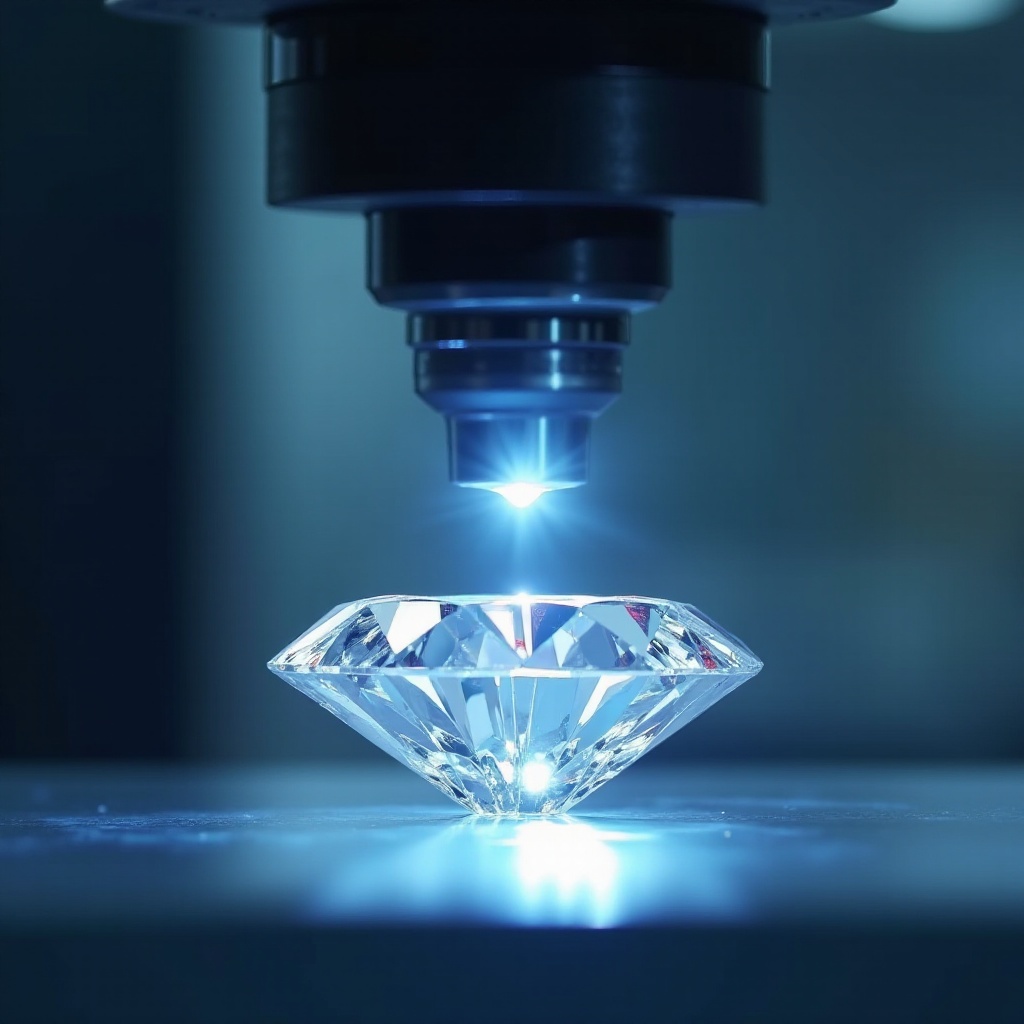
To cut a diamond, professionals use either a laser or a mechanical saw, both equipped with diamond-tipped edges. The process involves precision to avoid damaging the stone. A laser, for instance, vaporizes the material at high temperatures, making a precise cut. This method is typically used for creating intricate shapes or for larger diamonds.
It's important to note that diamonds can only be cut along their natural grain (cleavage) to avoid fracture. This is why diamond cutting is a highly skilled craft requiring expertise and the right equipment.
Will a Diamond Blade Cut Metal?
Yes, a diamond blade can cut metal, but it depends on the type of metal and the specific diamond blade being used. Diamond blades are typically designed for cutting hard materials such as concrete, stone, and ceramics, but with the right specifications, they can also cut metals like steel, aluminum, and copper.
The blade must have a diamond-encrusted edge that is specifically suited for metal-cutting. Additionally, for optimal performance, a cooling agent (such as water) is often used during the cutting process to reduce heat buildup and prolong the blade's life.
While diamond blades can cut metal, they are most effective on softer metals or those that are not too thick. For tougher metals, specialized blades designed for specific types of metal may be required for more efficient and precise cutting.
Can Diamonds Cut Glass?
Yes, diamonds can cut glass because diamonds are one of the hardest materials on Earth, ranking 10 on the Mohs scale of hardness. Glass typically ranks around 5.5 on the scale, which means a diamond can easily scratch or cut through it.
The cutting process occurs when the diamond’s sharp edges are used to score or cut the glass. Diamonds’ hardness allows them to penetrate the surface of glass, making them ideal for creating precise cuts.
However, it's important to note that cutting glass with diamonds requires careful technique. A diamond blade or a diamond-tipped tool is often used for this purpose, ensuring a clean, controlled cut. While diamonds can cut glass, they are primarily used for more durable materials like other diamonds, concrete, and stone.
How to Cut Diamond Plate?
Cutting a diamond plate requires specialized tools and expertise due to its extreme hardness. The most common methods for cutting diamond plates are using diamond saw blades, laser cutting, or water jet cutting.
Diamond saw blades, equipped with industrial-grade diamond grit, are typically used to slice through diamond plates. These blades operate at high speeds, and a coolant is often employed to reduce heat buildup, which can crack the material.
Laser cutting involves a focused beam of light that heats and melts the diamond plate, allowing for precise and clean cuts. This method is best suited for intricate shapes or designs.
Water jet cutting, another popular technique, uses high-pressure water mixed with abrasive materials to cut the diamond plate. It’s ideal for cutting complex shapes without generating heat, which is crucial for avoiding damage to the plate.
Whichever method is used, cutting a diamond plate should always be handled by professionals to ensure accuracy and safety.
What Diamond Cut Looks the Biggest?
The diamond cut that appears the biggest is the "round brilliant" cut. This popular cut maximizes the diamond's sparkle and brilliance, making it visually appear larger than other cuts of the same carat weight.
The round shape features 58 facets, which enhance light reflection, giving it more shine and making the stone look more prominent. The well-proportioned, symmetrical shape of the round cut creates a balance between size and brilliance.
Other cuts, like the oval and emerald cuts, can also appear larger due to their elongated shapes. These cuts tend to give the illusion of size by spreading the stone out, especially when compared to more compact cuts like the princess or cushion cut. However, for sheer visual impact and perceived size, the round brilliant cut remains the most popular choice.
Can Diamond Be Cut?
Yes, diamonds can be cut, but they require specialized tools due to their extreme hardness. Diamonds are cut using diamond saws, laser cutting, or other abrasive tools, as only materials with equal or greater hardness can effectively cut diamonds.
The cutting process is crucial for shaping the diamond and enhancing its brilliance. Diamond cutters focus on creating precise facets that reflect light in a way that maximizes sparkle. The most popular cut is the round brilliant, but diamonds can be shaped into various cuts like princess, oval, and emerald.
Cutting a diamond requires precision because diamonds have natural cleavage planes that can cause them to fracture easily. Proper technique and the right tools are essential to achieve the desired shape and to avoid damaging the diamond.
Can Water Cut Diamond?
Water itself cannot cut a diamond due to its lack of hardness. However, water jet cutting technology can be used to cut diamonds, but the water is mixed with an abrasive material like garnet or aluminum oxide.
In this process, high-pressure water is directed through a small nozzle along with the abrasive, effectively cutting through the diamond. This method is used in specialized applications where precision is important, and the water helps reduce heat, preventing the diamond from cracking.
Water jet cutting provides an alternative to traditional diamond-cutting techniques, offering precise and intricate cuts. However, for shaping or faceting diamonds, tools specifically designed with diamond tips or lasers are more commonly used.
How Were Diamonds Cut Before Lasers?
Before lasers, diamonds were cut using traditional tools like diamond-tipped saws and bruting machines. Diamond cutters relied on the stone’s natural cleavage to shape and facet the diamond. The process required exceptional skill and precision to avoid breaking the stone.
The bruting machine, which used two diamonds to grind and shape a rough diamond into a rounded form, was one of the most common tools. The diamond’s hardness meant that only another diamond or a material harder than itself could be used for cutting.
Manual techniques, like cleaving, also played a significant role. In this process, a diamond was split along its natural cleavage lines using a sharp tool and careful force. After splitting, the diamond was further shaped using abrasives and grinding wheels.
While these methods were effective, they were time-consuming and often carried the risk of damaging the diamond. The advent of laser cutting technology has since made the process more precise and efficient, allowing for more intricate cuts and improved diamond designs.
Are Lab Cut Diamonds Real?
Yes, lab-cut diamonds are real diamonds. They are chemically, physically, and optically identical to natural diamonds. The key difference is that lab-grown diamonds are created in a controlled laboratory environment using two main methods: High Pressure High Temperature (HPHT) or Chemical Vapor Deposition (CVD).
These methods replicate the natural processes that occur in the Earth to form diamonds, but in a much shorter timeframe. Lab-grown diamonds have the same hardness, brilliance, and fire as natural diamonds, making them just as durable and beautiful.
The only distinction is that lab-grown diamonds tend to be more affordable due to the controlled production process. They are also a more sustainable and ethical choice, as they avoid the environmental and human rights concerns associated with traditional diamond mining.
Can Lab Grown Diamonds Cut Glass?
Yes, lab-grown diamonds can cut glass. Lab-grown diamonds are chemically and physically identical to natural diamonds, with the same hardness, which is 10 on the Mohs scale. This hardness allows them to easily cut through materials like glass, just as natural diamonds do.
To cut glass, a diamond-tipped tool or blade is typically used, leveraging the diamond's ability to scratch and cut through the glass surface. The process works because both natural and lab-grown diamonds have superior hardness compared to glass, which ranks around 5.5 on the Mohs scale.
Therefore, the cutting ability of lab-grown diamonds is the same as that of natural diamonds, making them effective for glass cutting or engraving applications.