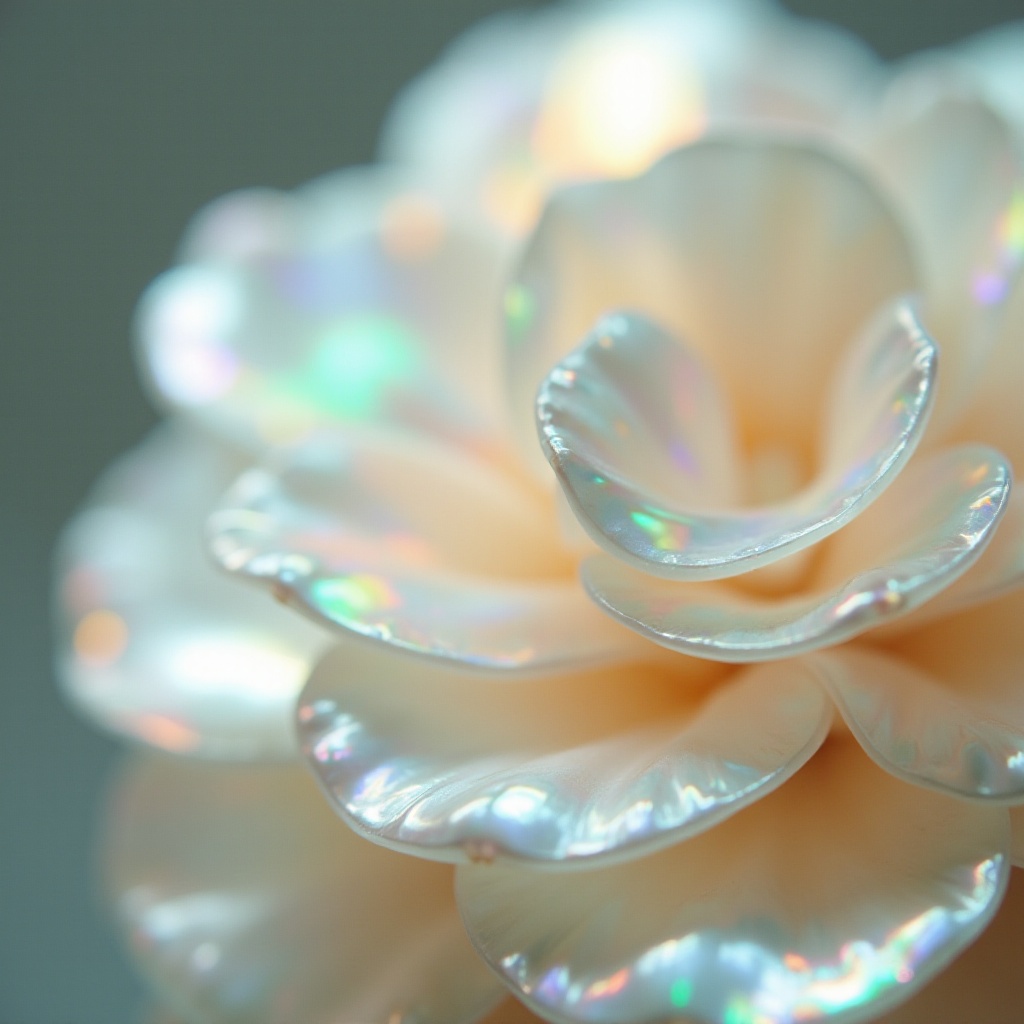
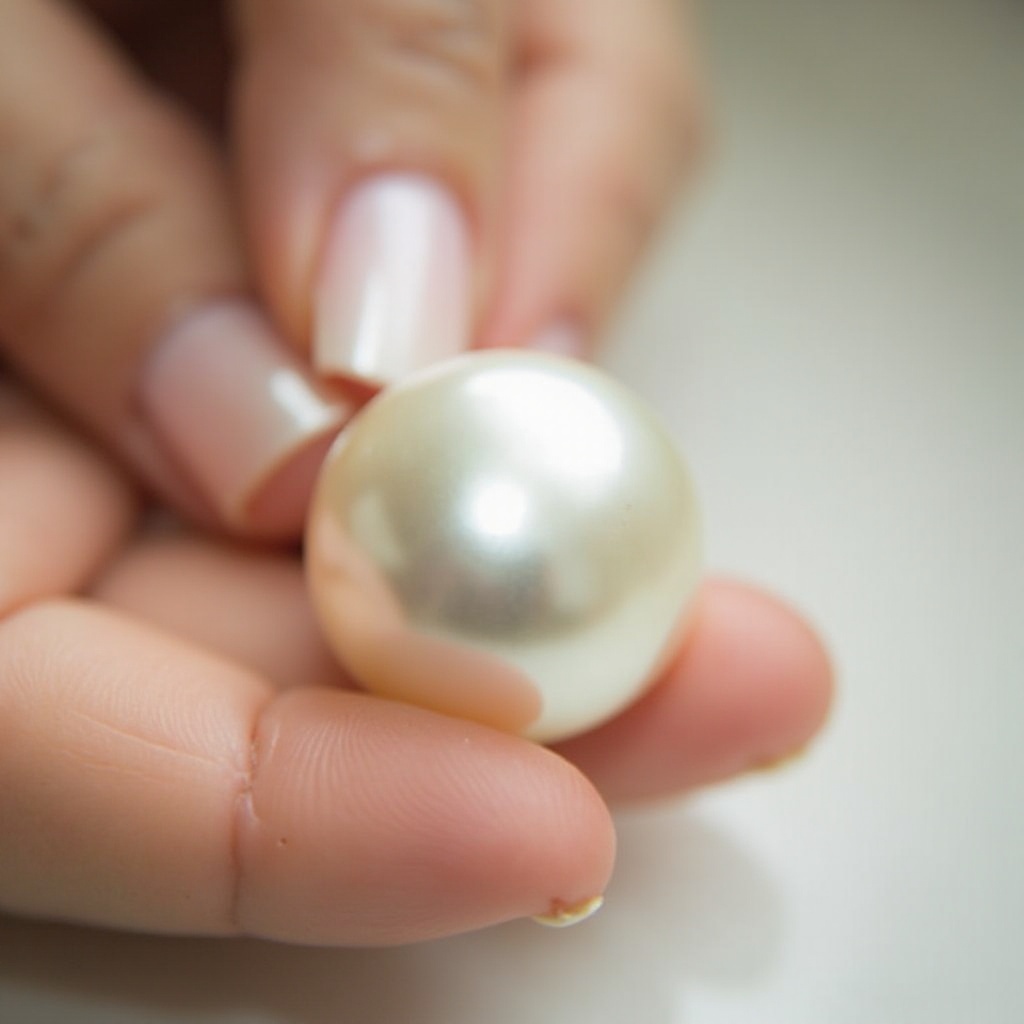
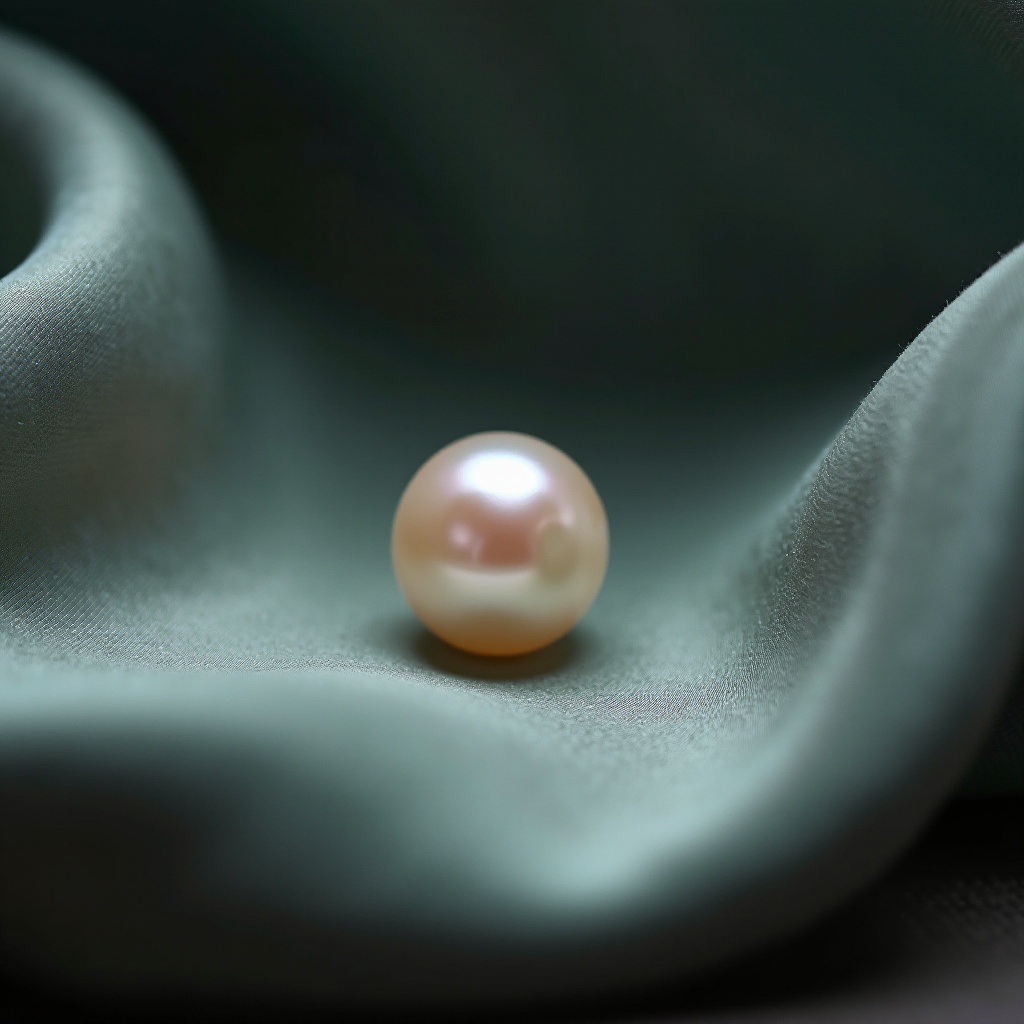
Pearls come in a variety of natural colors, including white, cream, and black. Other common pearl colors are shades of gray, silver, pink, and lavender. Some pearls, such as those from the South Sea or Tahitian varieties, may display golden, blue, or green hues. The color of pearls is influenced by factors like the oyster species, location, and environmental conditions. Additionally, pearls can be dyed to enhance or alter their color, leading to options like blue, purple, or even multicolored pearls.
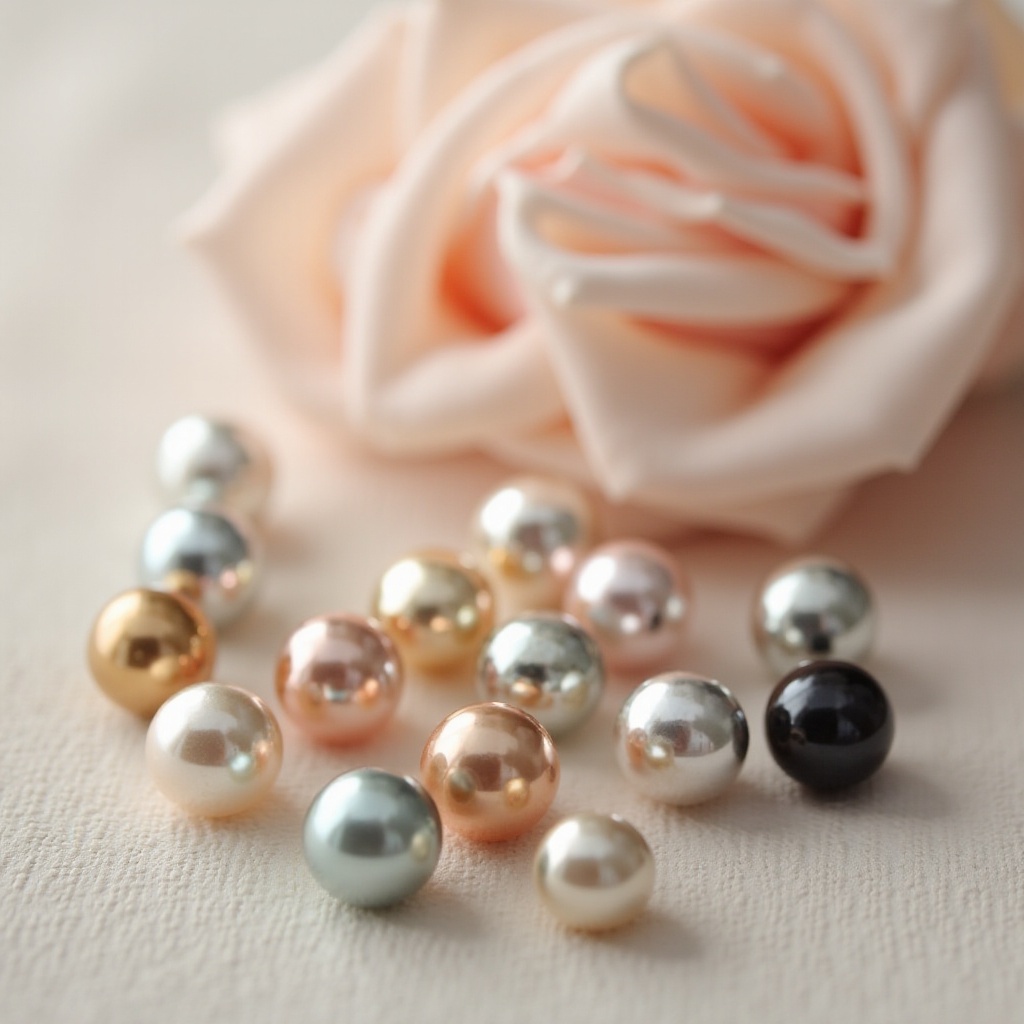
What Color Are Real Pearls?
Real pearls can naturally occur in a wide range of colors, including white, cream, silver, and various shades of pink. They may also appear in darker hues such as black, gray, and blue, particularly in Tahitian and South Sea pearls.
The color of a real pearl depends on the oyster species, the environment where it’s cultured, and its nacre quality. For example, freshwater pearls typically come in shades of white, pink, and lavender, while South Sea pearls are known for their luxurious golden or white hues.
In addition to natural colors, real pearls can be enhanced through dyeing processes, though these are not considered natural. The diverse color spectrum makes pearls a versatile and highly prized jewelry option.
What Color Is Pearl?
Pearls come in a variety of natural colors, including white, cream, silver, and pink. The color can range from light pastel shades to darker hues like black, gray, and even blue.
The most common pearls, such as Akoya pearls, are typically white or cream, while South Sea pearls can range from white to golden. Tahitian pearls are well-known for their dark hues, including black, green, and purple tones.
The exact color of a pearl is influenced by its type, the oyster species, and the environment in which it grows. Additionally, pearls can be dyed to achieve vibrant colors like blue, purple, or multicolored hues.
What Colors Do Natural Pearls Come in?
Natural pearls come in a wide range of colors, including white, cream, and silver. These are the most common shades found in freshwater and Akoya pearls.
In addition to lighter colors, natural pearls can also appear in darker shades such as black, gray, and blue, particularly in Tahitian and South Sea varieties. Tahitian pearls are known for their unique dark hues, including green, purple, and peacock.
Other natural colors include pink, lavender, and gold. South Sea pearls are especially prized for their rich golden tones. The color of a pearl is influenced by the oyster species and the environment in which it is cultured, giving each pearl its unique appearance.
How Do Pearls Get Their Color?
Pearls get their color from several factors, including the species of oyster, the environment, and the conditions in which the pearl forms. The primary source of color comes from the layers of nacre, a substance secreted by the oyster.
For instance, freshwater pearls often have lighter, pastel colors like white, pink, or lavender due to the type of mussel that produces them. In contrast, Tahitian pearls, known for their dark hues, get their color from the black-lipped oyster and the minerals in the water.
Other factors influencing pearl color include the water's temperature, depth, and mineral content. In some cases, pearls can be dyed to achieve specific colors, though naturally colored pearls are highly prized for their unique shades.
What Is Crystal Pearl?
A crystal pearl is a type of faux pearl made from a combination of glass and a smooth coating, designed to resemble natural pearls. The core is typically made of crystal or glass, which is then coated with a layer of pearl-like finish, giving it a lustrous appearance similar to real pearls.
These pearls are often used in jewelry and fashion due to their affordable price compared to genuine pearls. Crystal pearls come in various colors and sizes, mimicking the natural hues of pearls, such as white, pink, and black.
Despite being artificial, crystal pearls offer a high-quality, shiny, and durable alternative to real pearls. They are also less likely to get scratched or lose their luster over time.
What Are Bronzing Pearls?
A crystal pearl is a type of faux pearl made from a combination of glass and a smooth coating, designed to resemble natural pearls. The core is typically made of crystal or glass, which is then coated with a layer of pearl-like finish, giving it a lustrous appearance similar to real pearls.
These pearls are often used in jewelry and fashion due to their affordable price compared to genuine pearls. Crystal pearls come in various colors and sizes, mimicking the natural hues of pearls, such as white, pink, and black.
Despite being artificial, crystal pearls offer a high-quality, shiny, and durable alternative to real pearls. They are also less likely to get scratched or lose their luster over time.
Are Colored Pearls Real?
Bronzing pearls are a type of decorative pearl used in jewelry and crafts, typically made from glass or resin. These pearls have a unique finish that gives them a bronzed, metallic appearance, mimicking the look of aged or weathered metal.
The bronzing effect is achieved by applying a special coating or metallic sheen to the surface of the pearl, which results in a warm, golden or coppery tone. These pearls are often used in contemporary jewelry designs to add a vintage or rustic touch.
Although not made from natural materials, bronzing pearls offer an affordable alternative to more expensive materials while still providing an eye-catching, luxurious look. They come in various sizes and are popular for making necklaces, earrings, and bracelets.
Are Purple Pearls Real?
Yes, purple pearls are real and occur naturally in some species of oysters and mussels. The color can range from light lavender to deeper shades of violet.
Purple pearls are most commonly found in freshwater pearls, especially those produced by mussels in China. The natural color comes from the unique combination of nacre layers and environmental factors. While purple pearls are rare, they are highly valued for their unique hue.
In addition to natural purple pearls, some pearls are dyed to achieve the desired color, but naturally occurring purple pearls are considered more valuable and unique.
Are Pink Pearls Real?
Yes, pink pearls are real and occur naturally, primarily in freshwater pearls. They are produced by mussels, often found in rivers and lakes, particularly in China. The color can range from soft pastel pinks to deeper shades.
The natural pink color comes from the combination of nacre layers that form around the pearl's core. While pink is a relatively rare color in natural pearls, it is highly prized for its delicate and feminine appearance.
In addition to naturally occurring pink pearls, some pearls are dyed to enhance or change their color. However, naturally pink pearls are generally considered more valuable and unique.