Pearls are commonly associated with purity, innocence, and elegance. Historically, they have symbolized wealth, status, and sophistication, making them a popular choice for royal and aristocratic families. In many cultures, pearls also represent wisdom and emotional balance, as they are created through a process of transformation, making them a symbol of personal growth.
In the context of relationships, pearls are often seen as a symbol of love, especially in wedding jewelry, where they represent the beauty and resilience of love over time. Additionally, pearls can be seen as a symbol of femininity and grace, often linked to the moon and feminine energy.
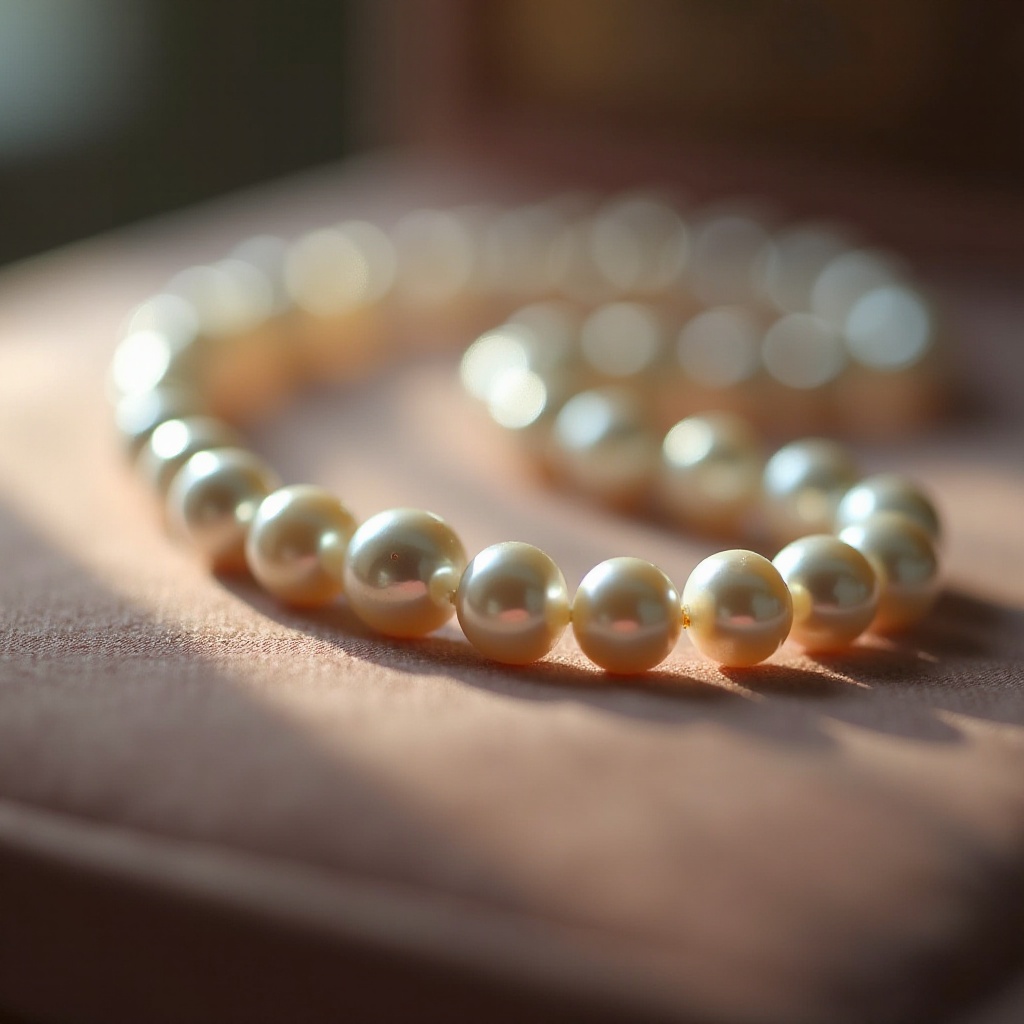
What Does a Pearl Necklace Mean?
A pearl necklace is often associated with elegance, sophistication, and timeless beauty. It represents purity and refinement, making it a popular choice for formal occasions and weddings. Pearls, due to their natural origin and unique formation, symbolize personal growth, wisdom, and emotional balance.
In a romantic context, a pearl necklace can symbolize love and commitment, especially in a marriage. It is also a symbol of femininity, with pearls being linked to grace and beauty. The necklace itself conveys a sense of luxury, often passed down through generations, symbolizing legacy and tradition.
Wearing a pearl necklace can be seen as an expression of one’s taste and class, making it an enduring piece in both high fashion and casual settings.
What Is a Pearl Necklace in Slang?
In slang, the term "pearl necklace" refers to a sexual innuendo. It is used to describe a situation where a man ejaculates on a woman’s neck or chest, with the pearls metaphorically representing the appearance of semen.
This term is not related to the traditional, elegant meaning of a pearl necklace, but rather serves as a crude expression within certain adult contexts. It is important to be cautious when using such terms, as they can be offensive or inappropriate in many social situations.
What Do Pearls Symbolize in the Bible?
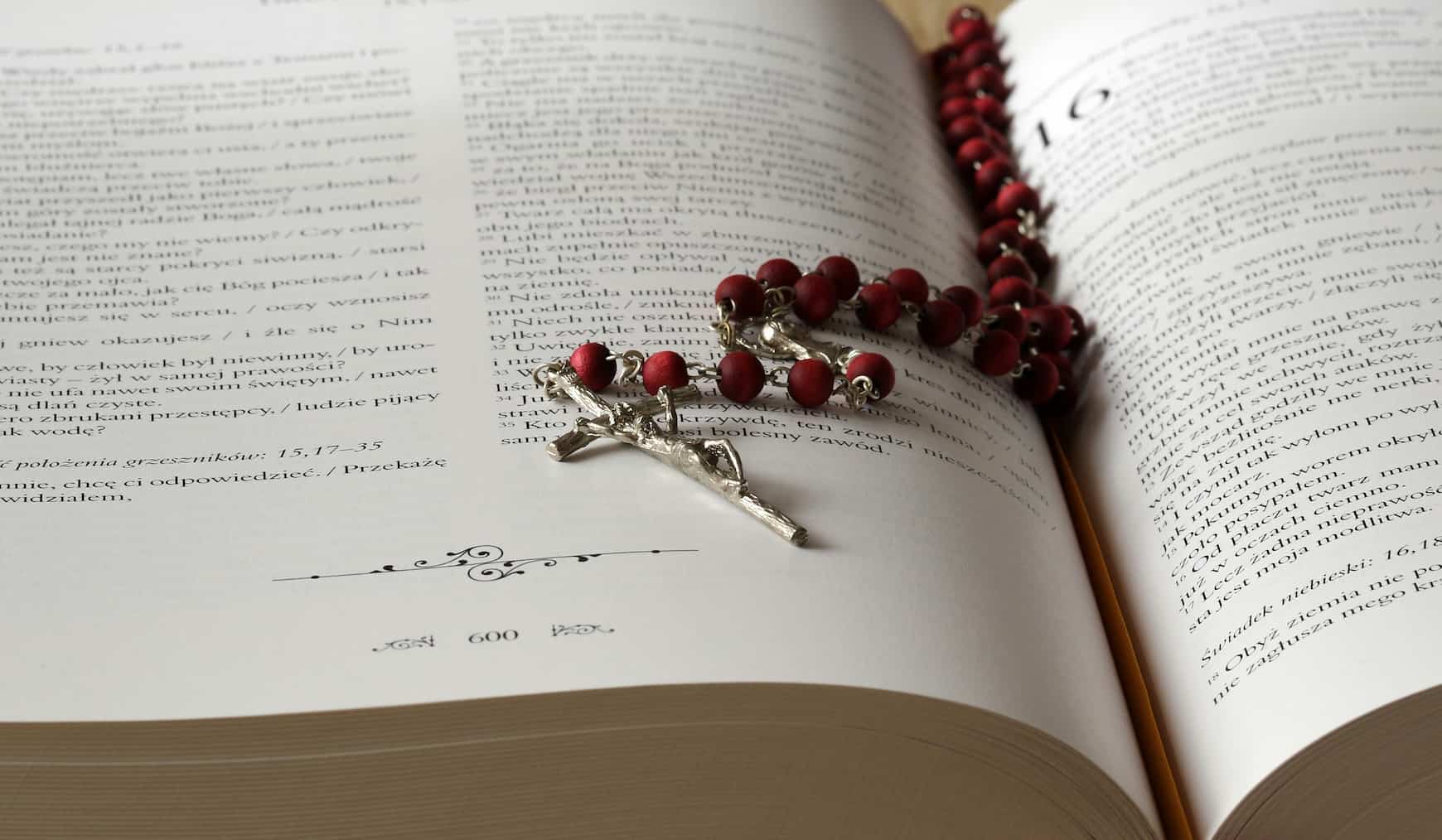
In the Bible, pearls are often seen as symbols of great value, wisdom, and purity. They are mentioned several times, particularly in the New Testament, where they symbolize the Kingdom of Heaven. Jesus uses the metaphor of pearls in the parable of the pearl of great price, describing a man who sells everything to obtain a pearl, illustrating the immense worth of God's kingdom.
Pearls also symbolize purity and are linked to the idea of something precious and refined, created through a process of transformation. In the Bible, pearls are sometimes associated with divine beauty and wisdom, highlighting their rarity and spiritual significance.
What Do Pearls Symbolize Spiritually?
Spiritually, pearls symbolize purity, wisdom, and enlightenment. They are often seen as a manifestation of spiritual transformation, as they are formed through a process of irritation and growth within an oyster. This mirrors personal growth and the emergence of inner wisdom through challenges.
Pearls also represent divine feminine energy and grace, reflecting emotional balance and harmony. In many spiritual traditions, they are believed to aid in emotional healing, helping to release negative energy and promote spiritual clarity.
In some cultures, pearls are thought to embody the connection between the material and spiritual worlds, serving as a bridge to higher consciousness and spiritual awakening.
What Are Pearl Anniversary Gifts Traditionally Given for?
Pearl anniversary gifts are traditionally given to celebrate the 30th wedding anniversary. Pearls symbolize the enduring beauty and strength of a marriage that has withstood the test of time, much like how pearls are formed over years within an oyster.
These gifts reflect the value of love, commitment, and the journey shared by the couple. Common pearl anniversary gifts include pearl jewelry, such as necklaces, earrings, or bracelets, and items like pearl-studded accessories or home decor, symbolizing the elegance and timeless nature of the relationship.
Are Pearls Bad Luck?
No, pearls are not considered bad luck. In fact, they are often seen as symbols of purity, wisdom, and elegance. However, some superstitions suggest that pearls could bring tears or sorrow, as they are formed through a process of irritation within oysters.
These beliefs stem from older traditions and are not widely held today. Pearls are generally regarded as positive symbols in many cultures, representing beauty, emotional healing, and enduring love. In modern times, pearls are often associated with celebrations, such as weddings and anniversaries, rather than bad luck.
What Does Wearing Pearls Mean?
Wearing pearls often symbolizes elegance, sophistication, and timeless beauty. It represents purity and grace, as pearls are associated with natural refinement and transformation. Many people wear pearls to convey a sense of luxury and class, as they are considered a precious and rare gemstone.
Pearls also symbolize wisdom, emotional balance, and inner strength, making them popular choices for occasions that mark significant milestones, such as weddings or anniversaries. They are also seen as a symbol of femininity and personal growth, as they are created over time through a process of transformation.
What Is the Meaning of Baroque Pearls?
Baroque pearls are irregularly shaped pearls that deviate from the typical round form, making them unique and highly valued for their distinctiveness. The term "baroque" refers to the asymmetrical, often artistic shapes that make each pearl different from the next.
These pearls symbolize individuality, beauty in imperfection, and creativity. Their unique shapes have made them popular in modern jewelry, as they stand out and add character to designs. Baroque pearls also reflect the natural, organic process by which pearls are formed, celebrating nature’s unpredictability and charm.
What Do Pearls Symbolize in Chinese Culture?
In Chinese culture, pearls symbolize wealth, power, and prosperity. They are considered auspicious and are often associated with good fortune, harmony, and spiritual growth. The unique process by which pearls are formed reflects patience, resilience, and transformation.
Pearls also hold significant ties to beauty and femininity in Chinese culture. They are thought to promote inner peace, balance, and emotional healing. In ancient times, pearls were considered treasures, often worn by royalty and nobility to enhance their status and bring blessings.
What Emotion Does Pearl Represent?
Pearls are often associated with emotions such as purity, wisdom, and tranquility. They symbolize calmness and emotional balance, helping to promote inner peace. The process of their formation, which involves overcoming irritation and adversity, represents personal growth and resilience.
Pearls also reflect love and affection, especially in romantic contexts, where they symbolize the beauty and strength of lasting relationships. In addition, they are linked to femininity, grace, and elegance, embodying the nurturing qualities of emotional warmth and care.
What Energy Do Pearls Bring?
Pearls are believed to bring calming, soothing, and healing energy. They are associated with emotional balance, helping to alleviate stress and promote tranquility. Their energy is thought to aid in emotional healing, promoting inner peace and reducing anxiety.
In spiritual practices, pearls are also considered to amplify feminine energy, nurturing qualities like compassion, intuition, and grace. They are believed to assist in self-awareness, growth, and transformation, helping individuals connect with their inner wisdom and achieve spiritual harmony.