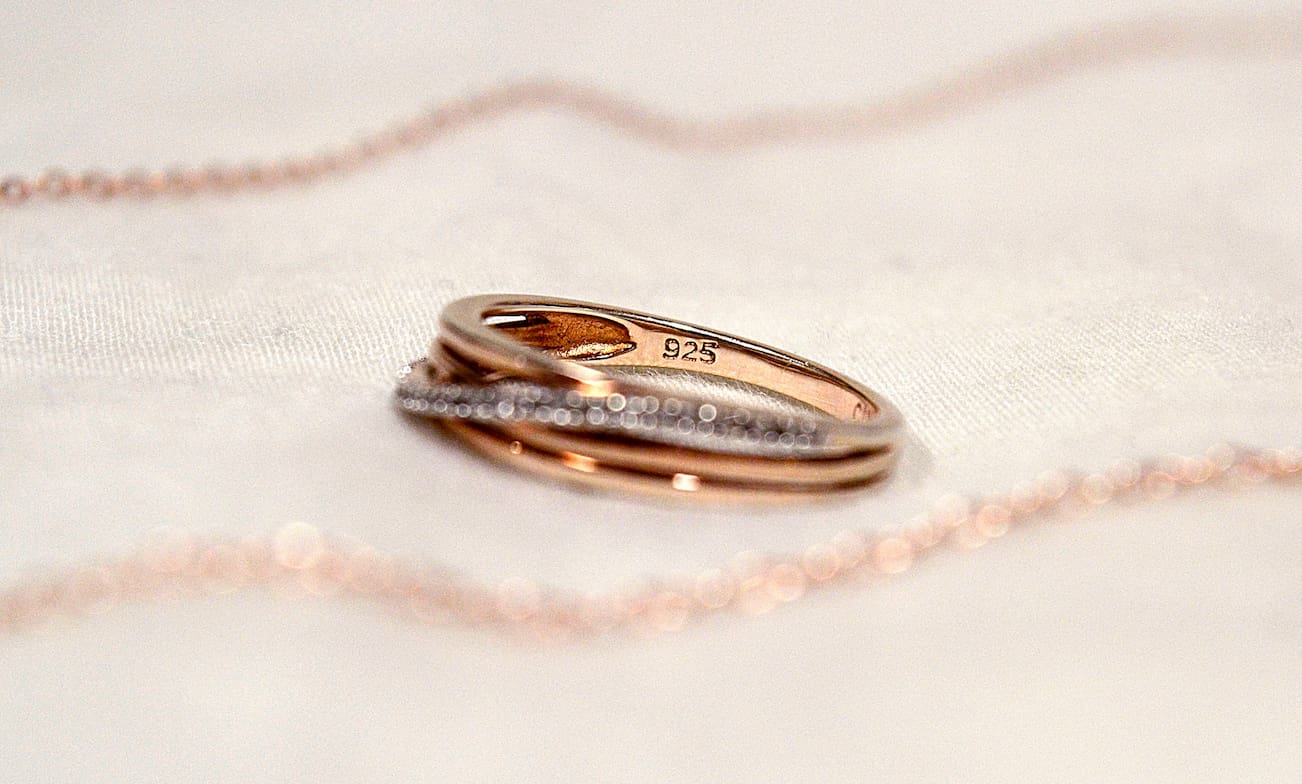
If you've ever taken a close look at fine jewelry, you may have noticed tiny words, letters, or numbers etched into the metal. One of the most common engravings you may encounter is '925', a hallmark found on a variety of silver pieces. But what does 925 mean on jewelry? To truly understand the significance of this number, it's crucial to delve into the rich history of stamping marks on jewelry.
In this article, we will unravel the meaning of 'S925', guide you on how to identify genuine 925 silver jewelry, and provide essential tips for care and maintenance. We'll also explore other marks you often see on jewelry, shedding light on this fascinating world of precious metals.
The History of Stamping Marks on Jewelry
To understand "What does 925 on jewelry mean", we need to trace back to this stamping's origin. The practice of stamping marks on jewelry is as ancient as the craft itself, serving as a testament to the origin, quality, and authenticity of the materials used. These marks, known as hallmarks, first appeared in the Byzantine Empire, but it was during the medieval period in Europe that the system became more structured.
In the 13th century, the British monarchy instituted a rigorous system of hallmarking, which has influenced international standards to this day. The purpose of these marks was primarily to protect consumers from fraud and to ensure that the precious metals were strictly regulated. Each piece of jewelry crafted from gold, silver, or platinum was stamped by an assay office with distinct symbols denoting the maker, the date of manufacture, and the metal's purity.
Today, many countries maintain strict hallmarking systems. In addition to purity marks, hallmarks may include the maker's mark, assay office mark, and date letter, providing comprehensive information about the jewelry piece.
What Does 'S925' Mean on Jewelry?
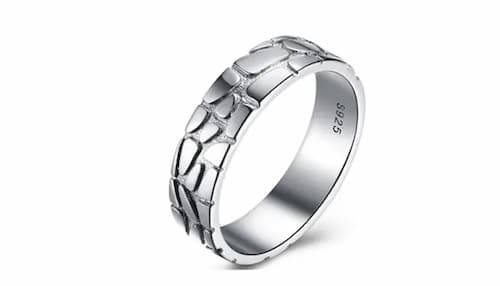
Given this origin, what does 925 stamped on jewelry mean? The stamp 'S925' seen on jewelry indicates that the material used is sterling silver, which is an alloy consisting of 92.5% pure silver and 7.5% other metals, usually copper. This combination enhances the metal's durability and strength while maintaining its lustrous appearance.
While the '925' clearly specifies the silver content, the 'S' in 'S925' typically stands for 'silver'. This designation helps to differentiate sterling silver from other materials that might also use the 925 standard but are not silver, such as gold alloys or other metal combinations.
In addition to 'S925', you may encounter variations like 'Sterling,' 'SS,' or simply '925' engraved on jewelry pieces. All of these marks indicate that the item meets the sterling silver standard. Some countries may include their own unique symbols or assay office marks alongside '925' to further certify authenticity.
How to Identify Genuine 925 Silver Jewelry
Now that you know "what does the number 925 mean on jewelry", this hallmark can be used as the most straightforward method to identify genuine 925 silver jewelry.
However, the absence of a hallmark doesn't necessarily mean it isn't real silver, especially in vintage or handcrafted pieces where stamping wasn't mandatory. Additionally, the hallmark can sometimes be imitated or misrepresented.
To ensure you're getting quality pieces that match their value, here are several other methods you can use to confirm the authenticity of 925 silver jewelry:
Care and Maintenance of 925 Silver Jewelry
As we know what 925 Italy means on jewelry and its value, the piece can tarnish or lose its shine over time if not maintained properly. Here are some practical tips for care and maintenance to keep your 925 silver jewelry looking radiant:
What Are Other Marks That You Often See on Jewelry?
In addition to knowing what Italy 925 means on jewelry, many other marks can be found on jewelry, each providing valuable information about the piece. Here are some of the most common ones and what they signify:
Metal Purity Marks
10K, 14K, 18K, 22K, 24K: Indicate the purity of gold in karats, where 24K is pure gold. For instance, "14K" means the item is 14/24 parts gold or 58.5% pure.
585: 58.5%, equivalent to 14K gold.
750: 75%, equivalent to 18K gold.
916: 91.6%, equivalent to 22K gold.
PLAT/PT950: Indicate that the item is made of platinum, with "950" meaning it's 95% pure.
PT900: Signifies 90% pure platinum.
PD950: Indicates 95% pure palladium.
PD500: Represents 50% pure palladium.
Manufacturer or Maker's Marks
A maker's mark is a symbol or initials representing the company or individual who made the jewelry. This helps identify the origin of the piece and can sometimes increase its value due to the prestige of certain brands or artisans.
Assay Office Marks
Assay office marks are unique symbols indicating the assay office where the piece was tested and hallmarked. Examples include the anchor (Birmingham, UK), leopard's head (London, UK), and eagle's head (France).
Gemstone Certification Marks
Some jewelry, especially high-value pieces, may have a certification mark from an institution like GIA (Gemological Institute of America) or AGS (American Gem Society).
Conclusion
Understanding "What does 925 mean on jewelry?" not only assures you of the quality and authenticity of your silver but also enriches your appreciation for the craftsmanship behind each piece. By knowing how to identify genuine 925 silver jewelry and caring for it properly, you can ensure your pieces retain their brilliance for years. Additionally, familiarizing yourself with other common marks on jewelry can further enhance your confidence as a consumer, guiding you in choosing pieces that are not only beautiful but also a worthy investment.