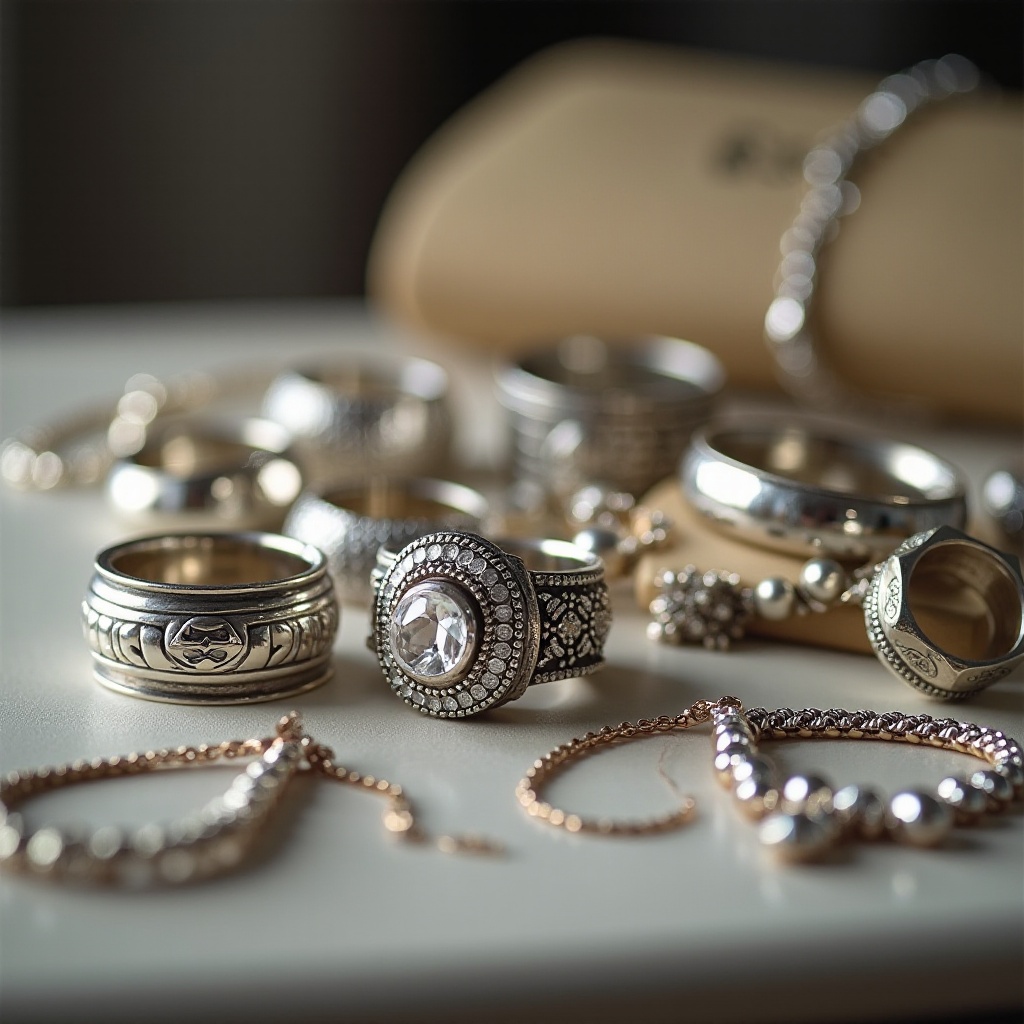
Sterling silver jewelry refers to pieces made from an alloy consisting of 92.5% pure silver and 7.5% other metals, typically copper. This combination enhances the metal's strength and durability, making it suitable for crafting fine jewelry.
The term "sterling" is often stamped on silver jewelry to indicate that it meets the 92.5% silver requirement. Sterling silver is prized for its bright, shiny appearance and versatility, making it a popular choice for rings, necklaces, bracelets, and earrings.
Unlike pure silver, which is too soft for regular use, sterling silver maintains its appearance while being strong enough for everyday wear. Over time, sterling silver can tarnish, but proper care can help maintain its luster and appearance.
Is Sterling Silver Hypoallergenic?
Sterling silver is generally considered hypoallergenic, but it depends on the other metals mixed in. Since sterling silver is made up of 92.5% pure silver and 7.5% of another metal, usually copper, it may cause a reaction in individuals sensitive to copper.
Pure silver itself is non-reactive, but copper or other alloys in sterling silver could potentially cause irritation or allergic reactions in some people, especially those with metal sensitivities. However, sterling silver is less likely to trigger allergic reactions than other metals like nickel.
For individuals with known metal allergies, it's essential to ensure that sterling silver jewelry is free of nickel or other allergens. Some jewelers offer nickel-free sterling silver options, which may be more suitable for highly sensitive individuals.
Is 925 Sterling Silver Good?
925 sterling silver is considered excellent for jewelry due to its durability, beauty, and value. Comprising 92.5% pure silver and 7.5% of other metals, typically copper, it offers a balance of strength and flexibility.
The high silver content ensures that it retains the shine and luster associated with sterling silver, while the added alloys improve its hardness, making it suitable for daily wear. It’s a popular choice for fine jewelry like rings, bracelets, and necklaces.
Although sterling silver can tarnish over time, regular cleaning can help maintain its appearance. It is a reliable and affordable option for high-quality jewelry pieces, offering both elegance and longevity.
Does Sterling Silver Rust?
Sterling silver does not rust, as rust is a phenomenon that occurs when iron or steel reacts with moisture and oxygen. However, sterling silver can tarnish over time due to the copper alloy in it.
Tarnishing occurs when silver reacts with sulfur and oxygen in the air, forming a dark layer on the surface. While tarnishing is not the same as rust, it can affect the appearance of sterling silver jewelry.
Proper care, like storing sterling silver in a dry place and cleaning it regularly, can help prevent tarnish buildup and maintain its shiny appearance.
Sterling Silver Vs White Gold: Which Should I Choose?
Choosing between sterling silver and white gold depends on your preferences, budget, and the purpose of the jewelry. Sterling silver is more affordable, with a shiny, bright appearance, making it a great option for everyday jewelry.
White gold, however, is a more durable and luxurious choice. Made from a gold alloy and coated with rhodium, white gold offers superior strength and resistance to tarnish. It also has a more sophisticated, high-end look, ideal for engagement rings and fine jewelry.
If you're on a budget and seeking a versatile metal, sterling silver is a solid choice. But, if you're looking for something more long-lasting and elegant, white gold may be the better investment.
Can Sterling Silver Get Wet?
Sterling silver can get wet, but prolonged exposure to water can cause tarnishing. Water itself does not harm sterling silver directly, but moisture, combined with elements like salt and air, accelerates tarnishing and dulls its shine over time.
To maintain the jewelry’s appearance, it's best to remove sterling silver items before swimming or showering, particularly in chlorinated or saltwater environments. Drying sterling silver thoroughly after it gets wet can also help minimize tarnish buildup.
Regular cleaning and proper storage can protect sterling silver from tarnishing and ensure it remains in good condition.
How to Clean Sterling Silver Jewlery at Home?
To clean sterling silver jewelry at home, start by mixing a solution of warm water and mild dish soap. Soak the jewelry for 5–10 minutes to loosen dirt or oils, then gently scrub with a soft toothbrush.
For tougher tarnish, create a paste using baking soda and water. Apply it with a cloth or soft brush, then rinse with warm water and dry thoroughly. Avoid using abrasive cloths or harsh chemicals that can scratch or damage the silver.
Alternatively, you can use silver cleaning cloths, which are specially treated to remove tarnish and restore shine. After cleaning, store sterling silver jewelry in a dry, airtight container to prevent tarnishing.
Can Sterling Silver Be Resized?
Yes, sterling silver can be resized, but the process depends on the complexity and design of the jewelry. Rings, for example, can be resized by a jeweler by adding or removing material from the band.
However, intricate designs, gemstones, or patterns may require more careful adjustments to avoid damage. It’s important to have resizing done by a professional jeweler who understands the characteristics of sterling silver to ensure the piece is resized properly.
Keep in mind that resizing may slightly affect the appearance of certain designs, so it’s best to consult with a jeweler before making any changes.
How Long Does Sterling Silver Last?
Sterling silver can last a lifetime if properly cared for. The metal itself is durable, but it is prone to tarnishing over time due to exposure to air, moisture, and sulfur.
To maintain its longevity, regular cleaning and proper storage are essential. Storing sterling silver in a dry, airtight container and keeping it away from harsh chemicals or environments can prevent tarnish and preserve its shine.
If tarnished, it can be easily cleaned and restored. With proper care, sterling silver jewelry can last for many years without significant damage.
How to Keep Sterling Silver from Tarnishing?
To keep sterling silver from tarnishing, store it in a dry, airtight container or a jewelry box with anti-tarnish lining. Keeping your silver pieces away from air, moisture, and harsh chemicals will significantly reduce tarnishing.
Avoid wearing sterling silver while swimming, exercising, or applying lotions or perfumes. It's also important to clean your silver regularly with a soft cloth to remove oils or dirt that can contribute to tarnish.
For added protection, you can use anti-tarnish strips or bags, which help absorb moisture and prevent tarnish buildup. Storing silver jewelry in its original box or pouches can also keep it safe from exposure to elements.
How to Make Sterling Silver Shine?
To make sterling silver shine, start by cleaning it with a mild solution of warm water and dish soap. Gently scrub with a soft toothbrush to remove dirt or oils. Rinse thoroughly and dry with a soft cloth.
For tarnished silver, you can use a mixture of baking soda and water to create a paste. Apply the paste with a soft cloth or brush, then rinse and dry the jewelry.
You can also use a specialized silver polishing cloth, which is treated with polishing agents that help restore the shine and remove tarnish. Regular cleaning and proper storage will maintain sterling silver's shiny appearance for longer.
How to Store Sterling Silver?
To store sterling silver, keep it in a dry, airtight container, such as a jewelry box with anti-tarnish lining or a soft cloth pouch. This minimizes exposure to air, moisture, and other elements that can cause tarnishing.
Avoid storing sterling silver in humid environments, like bathrooms, and ensure that it’s not in contact with harsh chemicals, such as cleaning products or perfumes. To further protect against tarnishing, you can use anti-tarnish strips or bags that absorb moisture.
When not in use, store silver jewelry separately to avoid scratches or damage from rubbing against other jewelry pieces.
How to Tell If Jewelry Is Sterling Silver?
To determine if jewelry is sterling silver, look for a stamp or hallmark that reads "925," which indicates that the jewelry contains 92.5% pure silver. This is the standard for sterling silver.
If no hallmark is visible, you can perform a simple magnet test. Sterling silver is not magnetic, so if the jewelry is attracted to a magnet, it likely contains other metals.
You can also check the color and appearance of the jewelry. Sterling silver has a bright, shiny finish, but if it’s tarnished, it may appear darker or dull. However, this test isn’t foolproof, as some non-silver metals can also have similar characteristics.
Finally, to be certain, you can have the jewelry tested by a professional jeweler or a metal testing kit to confirm if it is genuine sterling silver.
Does Sterling Silver Scratch Easily?
Sterling silver is relatively durable, but it can scratch more easily than harder metals like platinum or gold. This is because sterling silver is an alloy composed of 92.5% silver and 7.5% of another metal, usually copper, which makes it softer.
The likelihood of scratching depends on factors such as the design of the jewelry, how it’s worn, and the level of impact it encounters. Jewelry with intricate designs or settings can also be more prone to scratches.
To minimize scratches, avoid wearing sterling silver during activities that may cause abrasion, such as sports or heavy labor. Regular cleaning and proper storage will help maintain its appearance.
How Long Does It Take for Sterling Silver to Tarnish?
The time it takes for sterling silver to tarnish depends on several factors, including exposure to air, moisture, sulfur, and chemicals. Typically, sterling silver may begin to tarnish within a few weeks to months if not properly stored.
Environmental factors such as humidity, perspiration, and pollution can speed up the tarnishing process. Jewelry worn daily or exposed to substances like lotions, perfumes, and cleaning products may tarnish more quickly than pieces kept in storage.
To slow down tarnishing, it’s important to clean sterling silver regularly, store it in a dry, airtight container, and avoid exposure to harsh chemicals or environments.
Can You Wear Sterling Silver All the Time?
Yes, you can wear sterling silver jewelry all the time, but it's important to care for it properly to prevent tarnishing. Sterling silver is durable enough for daily wear, but exposure to elements like moisture, sweat, and chemicals can cause it to tarnish.
While wearing sterling silver during normal activities is fine, it's best to remove jewelry before swimming, showering, or applying lotions and perfumes. These substances can accelerate tarnishing and damage the metal over time.
For optimal care, clean your sterling silver jewelry regularly and store it in a dry, airtight container when not in use. With proper care, sterling silver can be worn daily without significant damage.
Can You Wear Sterling Silver in the Pool?
It is not recommended to wear sterling silver in the pool. Chlorine, commonly found in pool water, can damage sterling silver by causing tarnishing and weakening the metal over time. Prolonged exposure to chlorine can also cause discoloration or even pitting.
If you accidentally wear sterling silver in the pool, it's essential to clean it afterward to remove chlorine and prevent damage. However, to preserve the appearance and integrity of your jewelry, it's best to remove sterling silver pieces before swimming in the pool.
How to Clean Sterling Silver with Aluminum Foil?
To clean sterling silver with aluminum foil, start by lining a bowl with a sheet of aluminum foil, shiny side up. Fill the bowl with hot water and add a tablespoon of baking soda. Stir the solution to dissolve the soda.
Place your tarnished sterling silver jewelry into the bowl, ensuring it touches the aluminum foil. The reaction between the baking soda, aluminum, and tarnish will help lift the tarnish from the silver. Let it sit for a few minutes.
After soaking, remove the jewelry, rinse it with clean water, and dry it thoroughly with a soft cloth. This method is effective for cleaning tarnished sterling silver without harsh chemicals.
How to Make Sterling Silver Jewlery?
To make sterling silver jewelry, start by melting sterling silver metal into a mold. You’ll need a crucible, a heat source, and appropriate safety equipment. Once the silver is melted, pour it into a mold to create the desired shape.
Next, shape the silver using tools such as pliers, hammers, and anvils, depending on the design. You can also use soldering techniques to join multiple pieces of silver together.
After shaping, refine the jewelry by filing, sanding, and polishing to achieve a smooth, shiny finish. The final step is adding any stones or embellishments, followed by additional polishing.
Throughout the process, it’s crucial to work in a well-ventilated area, wear safety gear, and ensure the silver meets the 92.5% purity requirement for sterling silver.