10k gold refers to an alloy that contains 10 parts gold and 14 parts other metals, making it 41.7% pure gold. It is commonly used in jewelry due to its durability and affordability. The remaining metals often include copper, silver, or palladium, which enhance strength and resistance to scratching.
While 10k gold is less pure than 14k, 18k, or 24k gold, it is still valuable and offers a good balance between cost and longevity. It has a slightly paler yellow color compared to higher-karat gold. This type of gold is ideal for everyday jewelry that can withstand daily wear and tear.
How Much Is 10k Gold Worth?
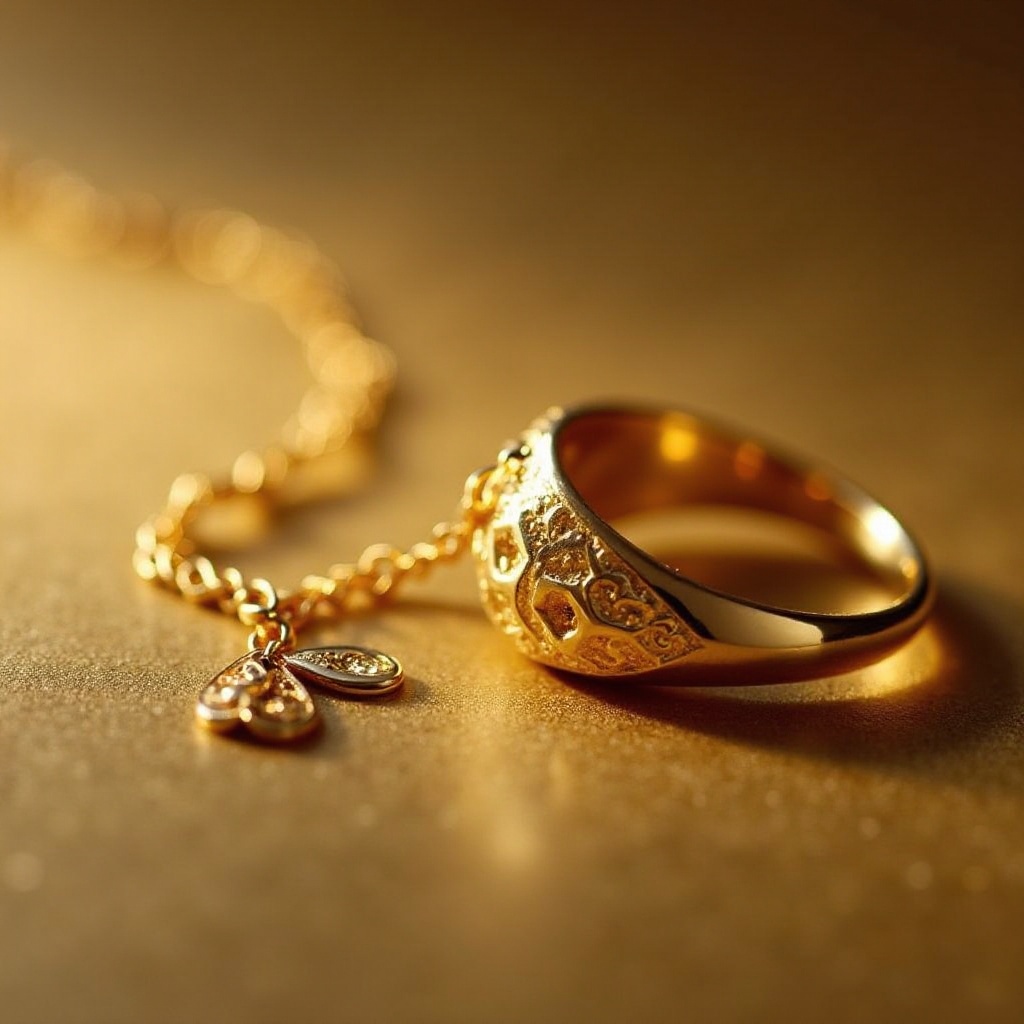
The value of 10k gold depends on the current market price of gold, which fluctuates daily. As of now, 10k gold is worth approximately 40% of the price of pure 24k gold due to its lower gold content.
To calculate its value, multiply the current price of gold per gram by 0.417 (the purity of 10k gold). For example, if gold is priced at $60 per gram, 10k gold would be worth roughly $25 per gram.
Keep in mind that the price of 10k gold can also be influenced by factors such as the weight of the jewelry, craftsmanship, and any added gemstones or designs.
10k Vs 14k Gold: What’s the Difference?
The primary difference between 10k and 14k gold lies in the gold content. 10k gold is 41.7% pure gold, while 14k gold is 58.3% pure gold. This makes 14k gold more valuable and richer in color compared to 10k.
In terms of durability, 10k gold is stronger and more resistant to scratches due to its higher proportion of other metals like copper and silver. However, 14k gold still offers a good balance of strength and purity, making it a popular choice for fine jewelry.
10k gold tends to be more affordable than 14k gold, making it an attractive option for those on a budget. However, 14k gold is preferred for high-end jewelry due to its better appearance, higher value, and better resale potential.
10k Vs 14k White Gold: What’s the Difference?
The difference between 10k and 14k white gold lies in their gold content and composition. 10k white gold is made up of 41.7% gold, while 14k white gold contains 58.3% gold, making 14k gold more valuable and purer.
Both alloys are mixed with metals like palladium, silver, and nickel to create the white color. However, due to the higher gold content, 14k white gold has a slightly warmer, more luxurious hue than 10k white gold.
In terms of durability, 10k white gold is stronger and less prone to scratches because of its lower gold content. However, 14k white gold is still durable and suitable for fine jewelry, with a better balance of purity and strength.
Price is another difference. 10k white gold is more affordable, making it an attractive option for budget-conscious buyers. Meanwhile, 14k white gold is often preferred for higher-end pieces, offering better value and higher resale potential.
How Much Is a 10k Gold Ring Worth?
The difference between 10k and 14k white gold lies in their gold content and composition. 10k white gold is made up of 41.7% gold, while 14k white gold contains 58.3% gold, making 14k gold more valuable and purer.
Both alloys are mixed with metals like palladium, silver, and nickel to create the white color. However, due to the higher gold content, 14k white gold has a slightly warmer, more luxurious hue than 10k white gold.
In terms of durability, 10k white gold is stronger and less prone to scratches because of its lower gold content. However, 14k white gold is still durable and suitable for fine jewelry, with a better balance of purity and strength.
Price is another difference. 10k white gold is more affordable, making it an attractive option for budget-conscious buyers. Meanwhile, 14k white gold is often preferred for higher-end pieces, offering better value and higher resale potential.
How Can I Do a 10k Vs 14k Gold Color Comparison?
To compare the color differences between 10k and 14k gold, it's important to focus on their gold content. 10k gold, being 41.7% pure gold, has a paler, more subdued yellow hue, while 14k gold, containing 58.3% pure gold, has a richer, warmer tone.
The higher gold content in 14k gold contributes to a more vibrant and lustrous appearance. In contrast, the additional metals in 10k gold, like copper or silver, dilute the yellow hue, making it less intense.
To make a side-by-side comparison, place a 10k gold item next to a 14k gold item under consistent lighting. You’ll notice the 14k piece will generally appear more golden and brighter than the 10k, which will have a slightly duller, lighter shade.
Additionally, some jewelers offer visual comparison charts or online tools that simulate the color differences, which can help if you're unable to examine physical pieces. However, personal inspection is the most effective method.
10k Vs 18k Gold: What’s the Difference?
The primary difference between 10k and 18k gold lies in their gold content. 10k gold is 41.7% pure gold, while 18k gold contains 75% pure gold, making 18k gold significantly more valuable and richer in color.
In terms of appearance, 18k gold has a more vibrant, deep yellow hue due to its higher gold content. In contrast, 10k gold has a lighter, less intense yellow color, often appearing more subtle.
When it comes to durability, 10k gold is stronger and more resistant to scratches, making it ideal for everyday wear. However, 18k gold, while softer, is still durable enough for fine jewelry, offering a luxurious balance between strength and beauty.
In terms of price, 18k gold is considerably more expensive than 10k gold, due to the higher gold purity. As a result, 10k gold is typically favored for budget-friendly options, while 18k gold is preferred for higher-end jewelry and investment pieces.
10k Gold Vs Bronze Vs Silver: Which Is Best?
The choice between 10k gold, bronze, and silver depends on factors like budget, durability, and desired aesthetic.
10k Gold is 41.7% pure gold, making it affordable and durable. It’s ideal for everyday jewelry due to its strength, but it has a lighter color compared to higher-karat gold.
Bronze, an alloy of copper and tin, has a rich, reddish-brown color and is more affordable than gold or silver. It’s durable but can tarnish over time, requiring maintenance.
Silver (typically sterling silver, 92.5% pure) offers a bright, shiny appearance and is highly versatile. It’s relatively affordable but can tarnish easily and may require regular cleaning.
Which is best depends on your needs: - If you want luxury and durability, 10k gold is a great choice. - If you’re looking for an affordable, unique look, bronze offers great value. - If you want a shiny, classic metal and don’t mind maintenance, silver is a popular option.
10k Gold Vs 24k Gold: What’s the Difference?
The key difference between 10k gold and 24k gold lies in their gold content and purity. 10k gold is 41.7% pure gold, while 24k gold is 100% pure gold. This makes 24k gold significantly more valuable but also softer and more prone to scratching.
In terms of appearance, 24k gold has a richer, deeper yellow hue due to its higher gold content. 10k gold, with its lower gold percentage, appears lighter and less vibrant.
When it comes to durability, 10k gold is stronger because of the additional metals it contains, such as copper and silver, making it ideal for everyday jewelry. On the other hand, 24k gold is softer, making it more suitable for pieces that are less likely to experience wear, such as coins or investment-grade jewelry.
Price-wise, 24k gold is considerably more expensive than 10k gold due to its purity. Therefore, 10k gold is a more affordable choice for those seeking a balance of durability and cost.
What Is Worth More 10k or 14k Gold?
14k gold is worth more than 10k gold because it contains a higher percentage of pure gold. 14k gold is 58.3% pure gold, while 10k gold is only 41.7% pure gold. This higher gold content makes 14k gold more valuable.
The price difference is not just based on gold purity but also the overall quality and appeal. 14k gold has a richer color and is preferred for fine jewelry, which also contributes to its higher value.
While 10k gold is more affordable and durable due to the additional metals, it is less valuable overall compared to 14k gold, which strikes a balance between purity and strength.
10k Vs 14k Gold Ring: Which Is Better?
The choice between a 10k and a 14k gold ring depends on your priorities, such as budget, durability, and aesthetic preferences.
A 10k gold ring is more affordable due to its lower gold content (41.7% pure gold). It is highly durable and resistant to scratches, making it a great choice for everyday wear. However, it has a paler, less vibrant color compared to higher-karat gold.
A 14k gold ring, on the other hand, contains 58.3% pure gold, offering a richer, more vibrant yellow color. While it’s more expensive than 10k gold, it strikes a good balance between durability and beauty. It’s still durable enough for daily wear but has a softer quality than 10k gold.
In summary, if you're looking for a more budget-friendly option that is highly durable, a 10k gold ring is a solid choice. However, if you’re seeking a higher-quality, more vibrant ring with better gold content, a 14k gold ring would be a better option.
What Is the 10k Gold Definition?
10k gold refers to an alloy composed of 41.7% pure gold and 58.3% other metals such as copper, silver, or nickel. The "k" stands for "karat," a unit that measures the purity of gold.
Because 10k gold contains a lower percentage of gold compared to higher-karat options like 14k or 18k gold, it is more affordable and durable. This makes it a popular choice for everyday jewelry items that require strength and resistance to scratches.
While 10k gold has a lighter, less vibrant color than higher-karat gold, it is still considered genuine gold. Its affordability and durability make it ideal for budget-conscious buyers who want gold jewelry without compromising on quality.
How to Clean 10k Gold?
To clean 10k gold, start by creating a mild cleaning solution using warm water and a few drops of gentle dish soap. Soak your 10k gold jewelry in the solution for 15-20 minutes to loosen dirt and oils.
After soaking, use a soft-bristled brush, such as a toothbrush, to gently scrub the piece, focusing on any intricate areas. Be sure to avoid abrasive materials that could scratch the surface.
Rinse the jewelry thoroughly with clean water to remove any soap residue. Dry the item with a soft, lint-free cloth to prevent water spots.
For stubborn tarnish, you can apply a jewelry cleaner specifically designed for gold. Be sure to follow the product’s instructions and test it on a small area first.
Avoid using harsh chemicals, as they can damage the finish. Regular cleaning will help maintain the shine and luster of your 10k gold jewelry.
What Is the 10k Gold Composition?
10k gold is an alloy made up of 41.7% pure gold and 58.3% other metals, such as copper, silver, nickel, or zinc. The lower percentage of gold makes 10k gold more affordable and durable compared to higher-karat gold.
The additional metals in the composition not only strengthen the gold, making it more resistant to scratches and wear, but also influence the color and finish of the jewelry. For example, copper can give the gold a slightly reddish hue, while nickel can make it appear whiter.
This composition makes 10k gold an ideal choice for budget-conscious buyers who want the look and value of gold without the higher price tag of 14k or 18k gold.
How Many Grams in an Ounce of Gold 10k?
There are approximately 31.1035 grams in an ounce of gold, regardless of the gold's karat. However, when considering 10k gold, which is 41.7% pure gold, only a portion of that weight is actual gold.
To calculate the gold content in an ounce of 10k gold, multiply the total weight by 0.417. This means that in an ounce (31.1035 grams) of 10k gold, the gold content would be roughly 12.97 grams.
So, in an ounce of 10k gold, about 12.97 grams are pure gold, while the remaining weight consists of other metals like copper, nickel, or silver.
Is 10k Gold Worth It?
Yes, 10k gold is worth it for many buyers because it offers a strong balance of affordability, durability, and real gold content. At 41.7% pure gold, 10k gold is more budget‑friendly than 14k or 18k gold, making it a sensible choice for everyday jewelry without the high price tag.
10k gold’s higher percentage of alloy metals increases strength and scratch resistance, ideal for rings, bracelets, and pieces worn daily. While its color is slightly paler than higher‑karat gold, it still delivers a genuine gold appearance.
However, if richer color, higher purity, or resale value matters more to you, 14k or 18k gold may be a better fit. In summary, 10k gold is a great option when durability and cost‑effectiveness are priorities, especially for practical use or gifting.