14k gold refers to a type of gold alloy composed of 58.3% pure gold and 41.7% other metals, such as copper, silver, or zinc. The "14k" designation indicates that out of 24 parts, 14 parts are pure gold.
This alloy strikes a balance between durability and value, making it a popular choice for jewelry, such as rings, necklaces, and bracelets. It is more durable than higher-karat gold, such as 18k or 22k, due to the presence of other metals, but still retains the lustrous appearance of gold.
14k gold is also more affordable compared to purer gold alloys, making it a good option for those seeking quality jewelry without the high price of solid gold. However, it may not be as rich in color as higher-karat gold, but it remains a strong and versatile choice for daily wear.
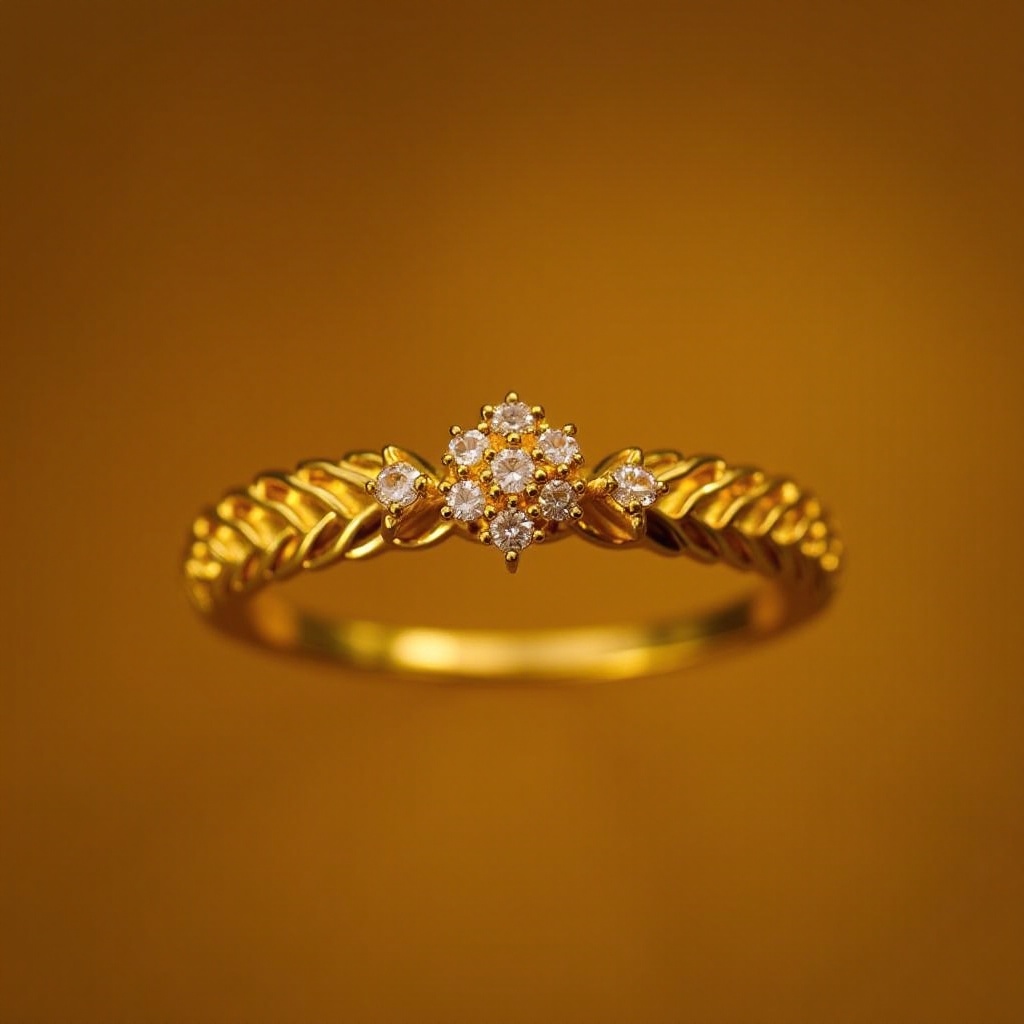
14k Vs 18k Gold: What’s the Difference?
The primary difference between 14k and 18k gold lies in the gold content. 14k gold contains 58.3% pure gold, while 18k gold contains 75% pure gold. The remaining percentage in both alloys consists of other metals, such as copper or silver, which enhance durability.
18k gold has a richer, more vibrant yellow hue due to its higher gold content, making it a preferred choice for luxury jewelry. However, it is also softer and more prone to scratching compared to 14k gold.
On the other hand, 14k gold is more affordable and durable, making it ideal for daily wear. Its slightly lower gold content results in a paler color, but it offers a better balance between cost, strength, and appearance.
In summary, if you're looking for a more luxurious look with higher purity, 18k gold is a great choice. For those prioritizing durability and cost-efficiency, 14k gold is the better option.
How Much Is Gold Per Gram 14k?
The price of 14k gold per gram fluctuates based on the current market value of gold, which is typically measured in terms of pure gold (24k). Since 14k gold contains 58.3% pure gold, its price is calculated accordingly.
For example, if the price of pure gold (24k) is $60 per gram, the cost of 14k gold would be around $35 per gram. However, the price varies daily due to market conditions.
To get an accurate and up-to-date price for 14k gold, it's important to check the current market rate for gold. Keep in mind that additional costs, such as the jeweler's markup and any design or craftsmanship fees, will affect the final price.
Does 14k Gold Tarnish?
Yes, 14k gold can tarnish over time, but it is less prone to tarnishing compared to lower-karat gold alloys. Tarnishing occurs when the other metals mixed with the gold, such as copper or silver, react with air or moisture.
Since 14k gold is 58.3% pure gold, it contains other metals that can oxidize and cause a change in color or appearance, especially in high-humidity environments. However, regular cleaning and proper storage can help minimize tarnishing.
To avoid tarnishing, it's important to keep 14k gold jewelry away from harsh chemicals, perfumes, or cleaning agents, which can accelerate the tarnishing process. Proper care can preserve the jewelry’s shine and appearance for longer.
14k Gold Vs 24k Gold: What’s the Difference?
The key difference between 14k and 24k gold lies in the purity of the gold content. 24k gold is 100% pure gold, while 14k gold contains 58.3% pure gold, with the remaining 41.7% consisting of other metals like copper or silver.
24k gold is softer and more malleable, making it less durable for daily wear. It has a richer, deeper yellow color due to its purity. However, it is more prone to scratching and denting.
14k gold, on the other hand, is more durable and affordable, making it ideal for everyday jewelry. Its color is slightly paler than 24k gold, but it still retains a beautiful golden hue. The additional metals in 14k gold improve its strength and resistance to damage.
In summary, 24k gold is purer and more luxurious but less durable, while 14k gold is more durable and cost-effective for everyday use.
Is 14k Gold Good?
Yes, 14k gold is a great choice for jewelry due to its balance between durability, affordability, and appearance. It contains 58.3% pure gold, with the remaining 41.7% made up of other metals like copper or silver, which enhance its strength.
14k gold is durable enough for everyday wear, making it ideal for rings, necklaces, and bracelets. Its resistance to scratching and tarnishing is higher than that of higher-karat golds like 18k or 22k. Additionally, it is more affordable than 18k or 24k gold, offering a good value for those who want gold jewelry without the premium price.
While it may not have the deep yellow hue of purer gold, 14k gold still retains a beautiful gold color and is often chosen for its versatility and practicality.
Is 14k Gold Real?
Yes, 14k gold is real gold. It consists of 58.3% pure gold, with the remaining 41.7% made up of other metals, such as copper, silver, or zinc. The "14k" designation indicates that 14 out of 24 parts of the alloy are pure gold.
While 14k gold is not as pure as 18k or 24k gold, it is still considered genuine gold. It is a popular choice for jewelry because it offers a good balance between affordability, durability, and appearance.
Because of the mixture of other metals, 14k gold is stronger and more resistant to scratching and tarnishing than higher-karat golds, making it ideal for everyday wear.
How Much Gold Is in 14k?
14k gold contains 58.3% pure gold. The "14k" designation means that out of 24 parts of the alloy, 14 parts are pure gold, while the remaining 10 parts consist of other metals, such as copper, silver, or zinc.
This gold alloy is a popular choice for jewelry because it strikes a balance between the value of gold and the durability provided by the added metals. The lower gold content compared to 18k or 24k gold makes it more affordable, while still offering a rich gold appearance.
What Does 14k Gold Mean?
14k gold refers to an alloy composed of 58.3% pure gold and 41.7% other metals, such as copper, silver, or zinc. The "14k" means that out of 24 parts of the material, 14 parts are gold, with the remaining parts made up of these other metals.
This blend offers a good balance of gold's beauty and durability, making 14k gold a popular choice for jewelry. It is more affordable than higher-karat gold, like 18k or 24k, while still maintaining the attractive golden appearance.
14k gold is durable and resistant to wear and tarnishing, making it ideal for everyday jewelry such as rings, bracelets, and necklaces.
Does 14k Gold Filled Tarnish?
Yes, 14k gold-filled jewelry can tarnish over time. While gold-filled pieces are made by bonding a layer of 14k gold to a base metal, the gold layer is not impervious to wear. Over time, exposure to air, moisture, and chemicals can cause tarnishing.
However, 14k gold-filled jewelry is more resistant to tarnishing compared to gold-plated jewelry, as the gold layer is thicker. Regular cleaning and proper storage can help minimize tarnishing and preserve its appearance.
To extend the life of 14k gold-filled jewelry, it is important to avoid contact with harsh chemicals, such as perfumes and lotions, and to store it in a dry, cool place when not in use.
How Pure Is 14k Gold?
14k gold is 58.3% pure gold. The "14k" designation means that out of 24 parts, 14 parts are pure gold, and the remaining 10 parts consist of other metals such as copper, silver, or zinc.
This makes 14k gold less pure than higher-karat golds like 18k (75% pure) or 24k (100% pure). The addition of other metals improves the alloy’s durability and resistance to scratching, making it a popular choice for everyday jewelry.
While 14k gold is not as pure as 18k or 24k gold, it still retains the attractive golden color and offers a good balance of value, strength, and aesthetic appeal.
Does 14k Gold Fade?
14k gold does not typically fade, but it can lose its luster or show signs of wear over time. The 14k alloy consists of 58.3% pure gold, mixed with other metals like copper and silver, which can affect its appearance.
Although 14k gold is more durable than higher-karat golds, it is still susceptible to surface scratches or tarnishing, especially when exposed to harsh chemicals, moisture, or daily wear. The added metals can cause slight color changes, but the gold itself does not "fade."
To keep 14k gold jewelry looking its best, regular cleaning and proper care are essential. Avoid exposure to chemicals and store jewelry in a dry, cool place when not in use.
What Is the 14k Gold Plated Meaning?
14k gold-plated jewelry refers to an item made of a base metal, such as copper or silver, that is coated with a thin layer of 14k gold. The gold layer is applied through a process like electroplating, where a thin coating of 14k gold is bonded to the surface.
The "14k" means the gold layer consists of 58.3% pure gold. While 14k gold plating provides the appearance of solid gold, the gold layer is much thinner and can wear off over time, especially with frequent use.
Unlike gold-filled jewelry, where the gold layer is much thicker, gold-plated items are more affordable but less durable. Proper care can help maintain the appearance, but the plating may eventually fade or tarnish with prolonged exposure to moisture, chemicals, and daily wear.
Is 14k Gold Magnetic?
No, 14k gold is not magnetic. Gold, including 14k gold, is a non-ferrous metal, meaning it does not contain iron, which is necessary for a material to be magnetic.
14k gold is made up of 58.3% pure gold and 41.7% other metals like copper, silver, or zinc. These metals also do not have magnetic properties.
If a piece of jewelry is magnetic, it may be due to the presence of other metals or alloys in the jewelry, but the gold itself will not attract magnets.
Does 14k White Gold Tarnish?
Yes, 14k white gold can tarnish over time. While it is more durable than pure gold, 14k white gold is alloyed with metals like nickel, silver, or palladium, which can react with air and moisture, leading to tarnishing.
To achieve its white color, 14k white gold is often plated with rhodium, which helps protect it from tarnishing. However, this rhodium plating can wear off with regular wear, exposing the underlying alloy and making the piece more susceptible to tarnishing.
Proper care, such as avoiding exposure to harsh chemicals, moisture, and storing the jewelry properly, can help reduce the risk of tarnishing. Regular re-plating may also be necessary to maintain its bright, white appearance.
How to Clean 14k Gold?
Cleaning 14k gold is simple and can be done with common household items. Start by mixing a small amount of mild dish soap with warm water. Soak the 14k gold jewelry in this solution for about 15-20 minutes.
After soaking, use a soft-bristled toothbrush to gently scrub away dirt or grime from the jewelry, paying attention to any crevices. Avoid using harsh chemicals, which can damage the gold.
Once cleaned, rinse the jewelry with clean water and dry it thoroughly with a soft cloth. For extra shine, you can gently buff the gold with a jewelry polishing cloth.
For routine maintenance, it's also important to store 14k gold jewelry in a cool, dry place, away from chemicals, moisture, and excessive heat. Regular cleaning will keep it looking beautiful and preserve its luster.
Can 14k Gold Get Wet?
Yes, 14k gold can get wet, but it’s best to avoid prolonged exposure to water, especially hot water, as it can cause damage to any other metals mixed in the alloy.
While the gold itself won’t be harmed by water, the other metals in 14k gold, such as copper, silver, or zinc, may be more susceptible to corrosion or tarnishing over time if repeatedly exposed to moisture.
To keep your 14k gold jewelry in the best condition, it’s recommended to remove it before swimming, bathing, or engaging in activities involving water. This helps prevent any potential damage to the piece and keeps it looking shiny and new.
Does 14k Gold Have Nickel?
Yes, 14k gold can contain nickel, especially if it is alloyed with metals like copper, silver, or palladium to improve its strength and durability. Nickel is commonly used in white gold alloys to give it a silvery appearance.
However, not all 14k gold contains nickel, as some jewelers use nickel-free alloys to cater to people with nickel allergies. It's important to check with the jeweler or manufacturer if you have concerns about nickel content in your 14k gold jewelry.
If you have sensitive skin or a nickel allergy, opt for 14k gold that is specifically labeled as nickel-free to avoid any adverse reactions.
Does 14k Gold Rust?
No, 14k gold does not rust because gold is a non-ferrous metal and does not contain iron, which is required for rusting to occur. However, 14k gold can tarnish over time due to the other metals mixed with the gold, such as copper or silver.
These additional metals can react with moisture and air, leading to discoloration or a dull appearance. This tarnishing is different from rust, as it doesn’t involve the formation of iron oxide.
To maintain the appearance of 14k gold jewelry, it is recommended to clean it regularly and store it in a dry, cool place to minimize tarnishing.
Is 14k Gold Pawnable?
Yes, 14k gold is pawnable. Pawn shops accept gold jewelry, including 14k gold, as collateral for loans or for direct sale. The value of 14k gold is determined by its weight and the current market price of gold.
Since 14k gold contains 58.3% pure gold, its value will be lower than higher-karat gold like 18k or 24k. However, it still holds significant value in the market, and pawn shops will offer a price based on the gold content and overall condition of the item.
Before pawning 14k gold, it’s advisable to have an idea of its market value, which can vary depending on fluctuations in gold prices.