14k gold jewelry refers to gold that contains 14 parts pure gold and 10 parts other metals such as copper, silver, or zinc. This results in a metal that is 58.3% gold, making it durable and affordable while maintaining a rich gold appearance.
The 14k gold alloy is a popular choice for fine jewelry due to its strength and resistance to scratching or tarnishing. It offers a good balance between purity and durability, making it suitable for daily wear.
While not as pure as 18k or 24k gold, 14k gold is still considered high-quality and is commonly used in rings, necklaces, bracelets, and earrings. Its affordability makes it a favored option for many shoppers looking for beautiful yet practical jewelry.
How Much Is a 14k Gold Ring Worth?
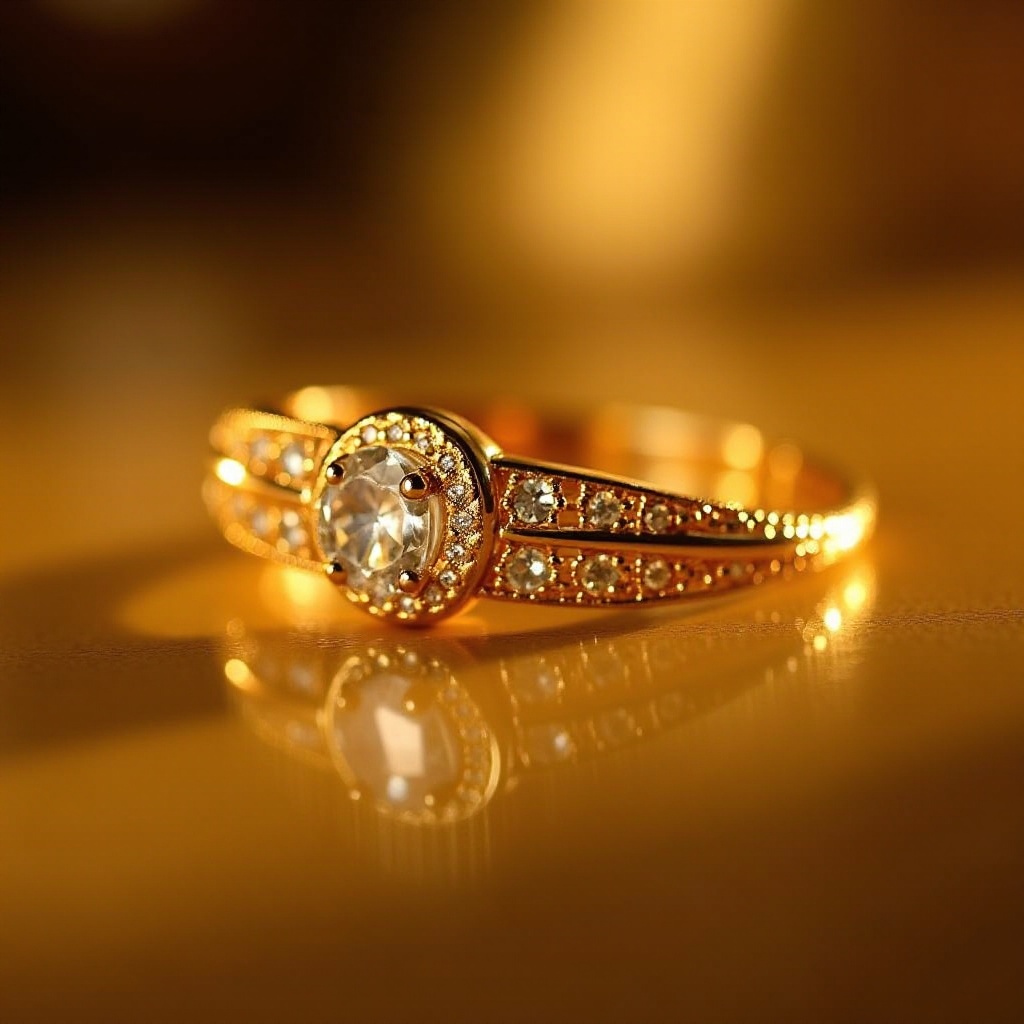
The value of a 14k gold ring depends primarily on the current gold market price, the ring’s weight in grams, and any additional design factors like gemstones or brand premium. Pure gold content in 14k is 58.3%, so you calculate the gold value by multiplying the gold spot price by the ring’s gold weight and that 58.3% purity.
Retail value is often higher than melt value because craftsmanship, design, and brand influence pricing. A simple 14k gold ring could be worth several hundred dollars at melt value, while branded or gemstone-set rings can cost $500–$2,000+ retail. Always check live gold prices and consider jeweler appraisals for accurate valuation.
How to Tell the 14k Italy Gold Chain Real or Fake?
To determine if a 14k Italy gold chain is real or fake, look for markings. Genuine 14k gold jewelry often has a stamp like "14K" or "585," indicating 58.3% gold content. The "Italy" stamp suggests the piece was made in Italy, a country known for high-quality gold jewelry.
Next, check the weight. Real gold is denser than fake alternatives like gold-plated or gold-filled items, so a lightweight chain may raise suspicions. You can also conduct a magnet test—real gold is not magnetic, so if it’s attracted to a magnet, it’s not pure gold.
Additionally, perform an acid test or consult a professional jeweler to confirm authenticity. If you're unsure, an appraisal by an expert will give you an accurate result.
14k Vs 18k Gold Engagement Ring: Which Is Better?
14k gold engagement rings offer better everyday durability and affordability compared to 18k gold, making them ideal for active wearers or budget-conscious buyers. With 58.3% pure gold and stronger alloy metals, 14k resists scratches and bending more effectively than softer high‑purity gold.
18k gold engagement rings contain 75% pure gold, delivering a richer, more vibrant gold color that appeals to those seeking luxury and deeper hue. However, 18k is softer and more prone to wear over time.
Choose 14k for resilience and value, especially for daily wear. Choose 18k if you prioritize a premium look and are willing to handle the ring with greater care. Both are excellent, but the “better” choice depends on lifestyle, budget, and aesthetic preference.
How Much Gold Is in 14k Ring?
A 14k gold ring contains 58.3% pure gold. The "14k" refers to the ratio of pure gold in the alloy, meaning out of 24 parts, 14 are gold and 10 are other metals such as copper, silver, or zinc.
For example, if the ring weighs 10 grams, approximately 5.83 grams will be pure gold, and the remaining 4.17 grams will be other metals. This balance makes 14k gold a durable yet affordable option for jewelry.
Can You Wear 14k Gold in the Shower?
Yes, you can wear a 14k gold ring or jewelry in the shower, as it is relatively durable and resistant to corrosion. However, prolonged exposure to water, soap, or harsh chemicals may affect the appearance over time.
While 14k gold is less likely to tarnish compared to lower purity gold, it's still advisable to remove jewelry before showering to maintain its shine and prevent buildup of soap, lotions, or shampoo. For long-term care, it's best to clean jewelry regularly.
Is 14k Gold Hypoallergenic?
14k gold is generally considered hypoallergenic for most people, but it can still cause reactions in individuals sensitive to certain metals. While it contains 58.3% pure gold, the other 41.7% consists of alloy metals like copper, silver, or zinc, which may trigger allergies in some.
If you have known metal allergies, it's important to check the specific alloys used in your 14k gold jewelry. Some people may be allergic to nickel, which is sometimes part of the alloy mix. For hypoallergenic options, consider 14k gold that uses metals like palladium or platinum in the alloy mix.
Is 14k Gold Jewelry a Good Investment?
14k gold jewelry can be a moderate investment in terms of value retention, but it is not typically considered a strong financial investment compared to gold bullion or coins. Its value is tied to the gold content (58.3% pure gold), which means it has intrinsic worth based on metal price. However, jewelry often includes craftsmanship, brand, and retail markup, which do not add to resale metal value.
When you sell, you usually receive the melt value of the gold, which may be significantly less than the original purchase price. Resale profit is uncommon unless the piece has collectible, designer, or historic value.
14k gold jewelry is better appreciated for wearable value and aesthetic appeal rather than pure investment. If your goal is wealth growth, consider allocating to financial gold instruments or higher‑purity gold alongside jewelry.
Will 14k Gold Turn Skin Green?
14k gold is less likely to turn your skin green compared to lower-purity gold alloys, but it can still happen in certain cases. The reaction is often due to other metals mixed in the alloy, such as copper or nickel.
When these metals come into contact with sweat or moisture, they can react with the skin, causing a discoloration. People with sensitive skin or those who sweat more may be more prone to this reaction.
To avoid this, you can choose 14k gold jewelry with a higher percentage of metals like silver or palladium in the alloy, which are less likely to cause skin reactions. Regular cleaning of jewelry and removing it during intense physical activities can also help prevent skin discoloration.
Can You Shower with 14k Gold?
Yes, you can shower with 14k gold jewelry, as it is durable and resistant to tarnishing. The alloy mix, which contains 58.3% pure gold, helps make it more resilient to everyday exposure to water and moisture.
However, prolonged exposure to soap, shampoo, or other chemicals in the shower may affect its shine over time. It’s a good idea to remove jewelry before showering to keep it looking its best and avoid soap buildup, which can dull its appearance.
For longer-lasting care, it's best to clean 14k gold jewelry regularly and remove it during strenuous activities or exposure to harsh chemicals.
How Can I Tell a Real 14k Gold Chain Vs Fake?
To tell if a 14k gold chain is real or fake, start by looking for the hallmark. A genuine 14k gold chain will typically have a stamp like "14K" or "585," indicating its gold content is 58.3%. The "Italy" stamp suggests it was made in Italy, known for quality gold jewelry.
You can also perform a magnet test. Real gold is not magnetic, so if the chain is attracted to a magnet, it’s likely not made of genuine gold.
Another option is the acid test, which involves applying a small amount of acid to the chain. A real 14k gold chain will not react, while fake gold may discolor. However, this test may damage the jewelry, so it’s best to consult a professional jeweler for testing.
Finally, examine the chain's weight. Real gold is denser than fake alternatives, so a lightweight chain could signal it's made from a different material.
How to Clean 14k Gold Chain?
To clean a 14k gold chain, start by mixing a solution of warm water and a few drops of mild dish soap. Place the chain in the solution and let it soak for 15-20 minutes to loosen dirt and oils.
Next, use a soft-bristled toothbrush to gently scrub the chain, focusing on crevices and links. Avoid using abrasive materials that could scratch the gold.
After cleaning, rinse the chain thoroughly with warm water to remove any soap residue. Dry it with a soft, lint-free cloth to restore its shine.
For extra shine, you can also use a jewelry polishing cloth, or take the chain to a professional jeweler for deeper cleaning and polishing. Avoid harsh chemicals, as they can damage the gold's surface.
What Is 14k Gold Filled Jewelry?
14k gold-filled jewelry is made by bonding a layer of 14k gold to a base metal, such as brass, through heat and pressure. The gold layer makes up at least 5% of the jewelry's total weight, ensuring it has a significant amount of gold content.
Unlike gold-plated jewelry, which has a thin layer of gold, gold-filled jewelry has a thicker gold layer, making it more durable and resistant to tarnishing. It retains its appearance longer and is more affordable than solid gold.
Gold-filled jewelry is a great option for those who want the look of real gold at a lower price point while enjoying better longevity compared to gold-plated alternatives.
Can You Wear 14k Gold Everyday?
Yes, you can wear 14k gold jewelry every day. It is durable, resistant to tarnishing, and less prone to scratching compared to higher-purity gold like 18k or 24k. This makes 14k gold a great choice for daily wear, especially for items like rings, bracelets, and necklaces.
While 14k gold is strong, it's still important to care for it properly. Avoid exposing your jewelry to harsh chemicals, excessive moisture, or extreme physical activity to prevent potential damage. Regular cleaning will help maintain its shine and appearance.
In summary, 14k gold is ideal for everyday wear due to its balance of durability, affordability, and aesthetic appeal.
Is 14k or 18k Gold Better for Engagement Ring?
The choice between 14k and 18k gold for an engagement ring depends on your priorities. 14k gold is more durable, as it contains 58.3% pure gold and is mixed with stronger alloys. This makes it a great choice for everyday wear, as it is less likely to scratch or bend.
On the other hand, 18k gold contains 75% pure gold, offering a richer, more vibrant gold color. It’s often chosen for its premium look, but it's slightly softer and more prone to scratches than 14k gold.
If durability and practicality are your main concern, 14k gold may be the better option. However, if you want a more luxurious appearance with a higher gold content, 18k gold is an excellent choice. Both are great for engagement rings, so it ultimately comes down to personal preference and lifestyle.
Is 14k Gold Good for Earrings?
Yes, 14k gold is a great choice for earrings. With 58.3% pure gold and a blend of other durable metals like copper and silver, 14k gold strikes a good balance between strength and beauty. It is more resistant to scratches and wear compared to higher-purity gold, making it suitable for daily wear.
14k gold earrings are also affordable, durable, and less prone to bending or tarnishing, which is ideal for pieces exposed to moisture, makeup, or hair products. They retain their shine and appearance with proper care.
While 14k gold is a practical option, if you prefer a more luxurious look with a richer gold color, 18k gold may be worth considering. However, for most people, 14k gold offers the perfect combination of quality, durability, and value for earrings.
What Does Set in 14k Gold Mean?
"Set in 14k gold" refers to jewelry pieces where gemstones or diamonds are mounted or fixed into a 14k gold setting. The "14k gold" indicates that the jewelry's base material contains 58.3% pure gold, with the remaining portion made up of other metals like copper, silver, or zinc.
This term is often used for rings, necklaces, bracelets, and earrings that feature precious stones. The gold setting not only provides a strong and durable base for the gemstone but also enhances the overall appearance of the jewelry.
When you see "set in 14k gold," it signifies that the piece combines both quality gold and stones, offering a balance of elegance and affordability compared to higher-karat gold settings.
14k Vs 18k Gold Jewelry: What’s the Difference?
The main difference between 14k and 18k gold jewelry lies in the amount of pure gold in the alloy. 14k gold contains 58.3% pure gold, while 18k gold contains 75% pure gold. This results in several distinctions.
18k gold has a richer, more vibrant color and a higher gold content, making it more desirable for those seeking luxury. However, it is softer and more prone to scratching and damage compared to 14k gold.
On the other hand, 14k gold is more durable due to the higher percentage of other metals like copper and silver, which also make it more affordable. It is a great choice for everyday jewelry, as it resists wear and tear better than 18k gold.
In summary, 18k gold offers a more luxurious appearance, while 14k gold provides greater durability and value for everyday wear. The choice depends on your budget, lifestyle, and preference for color and strength.
Can You Wear 14k Gold in the Pool?
Yes, you can wear 14k gold in the pool, as it is generally resistant to tarnishing and corrosion. However, chlorine in pools can weaken gold over time and cause damage to jewelry, particularly if worn frequently in chlorinated water.
While 14k gold is more durable than higher-purity gold, it is still advisable to remove your jewelry before swimming to preserve its appearance and prevent potential damage. Chlorine can also damage other materials, like gemstones or coatings, if present in the jewelry.
To maintain the longevity of your 14k gold jewelry, it’s best to remove it before swimming in pools, hot tubs, or using cleaning products with harsh chemicals.
Is 14k Gold Good for Sensitive Ears?
14k gold can be a good option for sensitive ears, as it contains 58.3% pure gold mixed with other metals like copper and silver, which are generally less likely to cause allergic reactions compared to lower-quality metals.
However, some individuals may still experience irritation due to the other metals in the alloy, particularly if the jewelry contains nickel. If you're prone to metal allergies, it’s important to ensure that the 14k gold jewelry is nickel-free or made with hypoallergenic alloys like silver or palladium.
For those with sensitive ears, it's best to choose 14k gold earrings that are specifically marked as hypoallergenic or opt for solid gold with minimal alloy content to reduce the risk of irritation.
Is 14k White Gold Good for Engagement Ring?
14k white gold is a popular and durable choice for engagement rings. It consists of 58.3% pure gold mixed with other white metals like palladium or silver, providing both strength and a lustrous appearance.
While 14k white gold is more affordable than platinum or 18k white gold, it is still an excellent option for daily wear, as it is resistant to tarnishing and scratches. The alloy is durable enough to withstand everyday activities and retain its shine.
One consideration is that 14k white gold may require rhodium plating over time, as the plating can wear off with use, especially on rings exposed to friction. However, this is a simple and cost-effective maintenance task.
In summary, 14k white gold offers a beautiful, durable, and affordable choice for engagement rings, making it a great option for those seeking a balance of luxury and practicality.