What Are the Types of Bezel Settings?
There are several types of bezel settings in jewelry, each providing a distinct look and level of security for the gemstone.
-
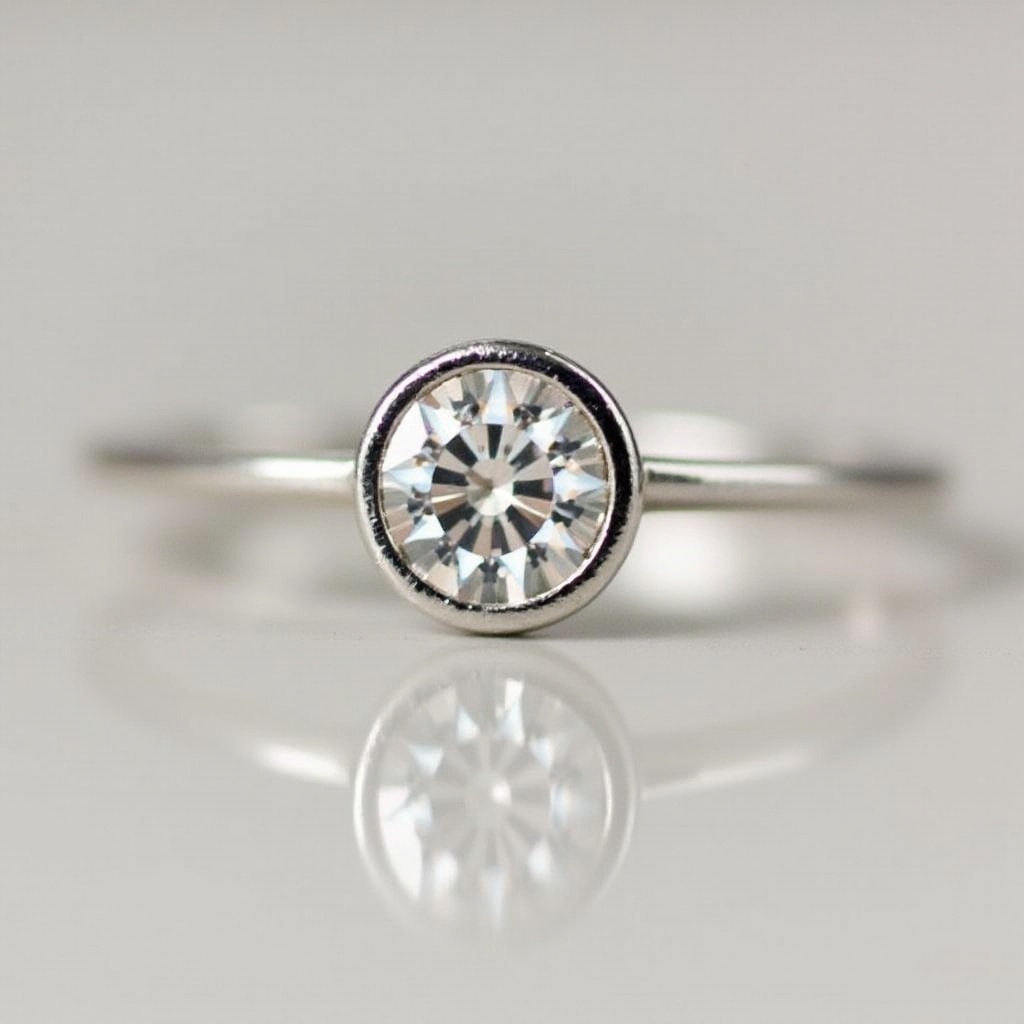
Full Bezel Setting: The entire circumference of the gemstone is surrounded by a metal band, offering maximum protection while creating a sleek, modern appearance.
-
Half Bezel Setting: Only part of the gemstone's circumference is surrounded by metal, leaving sections open. This provides a balance between security and visibility of the gemstone.
-
Partial Bezel Setting: A variation of the half bezel, where metal encircles only the top portion of the gemstone, allowing light to enter from the sides for enhanced brilliance.
-
Floating Bezel Setting: The gemstone appears to "float" within the bezel, with minimal metal holding it in place, creating a visually striking effect.
-
Burnished Bezel Setting: This involves a more subtle, matte finish where the metal is pressed around the stone's edges, providing a sleek, durable option often used for men’s rings.
Each bezel setting offers unique benefits in terms of design, security, and gemstone visibility.
How Do Bezel Settings for Jewelry Making Work?
Bezel settings in jewelry making work by securely encircling a gemstone with metal, typically gold, silver, or platinum, to hold it in place.
The metal is shaped around the edges of the stone, either fully or partially, providing stability and protection. This setting method is especially ideal for soft or delicate gemstones as it shields them from damage. The bezel is either pressed or soldered onto the piece, depending on the design.
The process begins by measuring the gemstone and creating a bezel that fits its shape. The metal is then carefully crafted to snugly fit around the stone, leaving minimal gaps. Once the gemstone is inserted, the metal is tightly folded or burnished over the edges, securing it in place.
Bezel settings can be customized with different styles, such as full, half, or partial bezels, to suit the desired aesthetic while ensuring the stone stays protected. This setting is durable, low maintenance, and allows for a sleek, modern look.
Prong Vs Bezel Setting: Which Is Better?
Prong and bezel settings each offer unique benefits, and the choice between them depends on factors like gemstone type, design preference, and durability.
Prong Setting: This setting uses small metal claws to hold the gemstone in place. It allows maximum light exposure, enhancing the stone's brilliance. Prong settings are ideal for larger gemstones like diamonds, where visibility and sparkle are priorities. However, they provide less protection and can be prone to damage.
Bezel Setting: The gemstone is fully or partially encircled by metal, offering excellent protection. This setting is more secure and ideal for softer or smaller stones that may be vulnerable to chipping. It also gives a sleek, modern look but reduces the stone's exposure to light, which can slightly diminish brilliance.
In conclusion, if you prioritize gemstone visibility and sparkle, the prong setting is better. However, if protection and durability are more important, particularly for daily wear, the bezel setting is the better choice.
Are Bezel Settings Secure?
Does Bezel Setting Reduce Sparkle?
Yes, bezel settings are considered very secure. The metal encircles the gemstone, holding it firmly in place, which significantly reduces the risk of it becoming loose or falling out.
This setting provides a high level of protection, especially for gemstones that are more vulnerable to damage, such as softer stones. Unlike prong settings, which expose the stone, bezel settings shield the entire perimeter, preventing accidental bumps or scratches.
Additionally, the metal can be shaped to snugly fit the stone, ensuring minimal movement. This makes bezel settings ideal for everyday wear, as they offer durability and peace of mind, particularly in rings or pieces subject to frequent contact.
What Does Bezel Set Mean?
A bezel set refers to a jewelry setting where the gemstone is surrounded and secured by a metal band. The metal wraps around the edges of the stone, either partially or fully, holding it firmly in place.
This setting is known for its sleek, modern appearance and provides excellent protection for the gemstone, reducing the risk of damage. Bezel settings are especially ideal for softer stones or rings that experience daily wear.
The metal is typically crafted to fit the gemstone precisely, ensuring a secure hold. Bezel settings are often used in rings, pendants, and earrings, offering both durability and a polished, minimalistic look.
What Are the Pros and Cons of Bezel Setting?
Pros of Bezel Setting: 1. Security: Bezel settings securely hold gemstones in place, reducing the risk of them becoming loose or falling out, especially for softer stones. 2. Protection: The metal encircles the gemstone, protecting it from damage, scratches, or chipping, making it ideal for everyday wear. 3. Sleek and Modern Look: Bezel settings provide a clean, contemporary appearance with minimal metal exposure, enhancing the stone’s beauty. 4. Versatility: This setting works well with a variety of stone shapes, including round, oval, and even irregular shapes.
Cons of Bezel Setting: 1. Reduced Brilliance: The metal surrounding the gemstone can block some light, which may slightly decrease the stone’s sparkle or brilliance, particularly for transparent stones like diamonds. 2. Less Traditional: Bezel settings might not appeal to those who prefer the classic look of prong settings or more intricate designs. 3. More Expensive: Due to the additional metal used and the precision needed for the setting, bezel settings can be more costly than other types of settings.
What Is a Bezel Setting on a Ring?
A bezel setting on a ring is a type of setting where the gemstone is encircled by a metal band that holds it securely in place. The metal wraps around the edges of the stone, either partially or fully, depending on the design.
This setting provides excellent protection for the gemstone, reducing the risk of chipping, scratches, or loosening. It is especially ideal for softer stones or for rings that are worn frequently.
Bezel settings offer a modern, sleek appearance, with minimal metal exposure, allowing the gemstone to stand out while maintaining a secure and durable hold. The setting is versatile and can accommodate various gemstone shapes, including round, oval, and even unique cuts.
What Is Bezel Set Diamond?
A bezel set diamond refers to a diamond that is held securely in place by a metal band that encircles the stone's edges. The metal, typically gold, platinum, or silver, forms a border around the diamond, either partially or fully, depending on the design.
This setting is favored for its sleek, modern appearance and provides excellent protection for the diamond, as the metal shields it from potential damage or chipping. It also prevents the diamond from becoming loose over time, making it ideal for daily wear.
Bezel setting works well with various diamond shapes, including round, square, and oval, and is particularly popular in engagement rings and other jewelry pieces. While it can slightly reduce the diamond's brilliance due to the surrounding metal, the setting’s durability and security make it a popular choice for those seeking a practical yet stylish option.
How to Set Stone in Bezel?
To set a stone in a bezel, follow these steps:
-
Prepare the Bezel and Stone: Ensure the stone is clean and free of debris. The bezel should be properly sized to fit the stone snugly, and the setting should be smooth around the edges.
-
Place the Stone: Position the stone within the bezel, ensuring it sits securely and comfortably. Make sure the stone is centered.
-
Secure the Stone: Use a bezel pusher tool to gently push the metal around the stone’s edges. Work slowly to ensure the metal is gradually and evenly pressed over the stone’s girdle (the widest part of the stone).
-
Burnish the Metal: Once the metal is pushed over the stone, use a burnishing tool to smooth and compress the metal, ensuring a tight, secure fit. Make sure there are no gaps between the stone and the bezel.
-
Finishing Touches: Inspect the setting for any sharp edges or imperfections. Polish the metal to give the piece a finished, professional look.
This process ensures the stone is both secure and protected, giving the jewelry a sleek, modern appearance.
How to Set a Bezel Stone?
To set a bezel stone, follow these steps:
-
Prepare the Bezel and Stone: Ensure the bezel is sized appropriately for the stone, and the stone is clean. The bezel should be slightly smaller than the stone to secure it firmly.
-
Place the Stone in the Bezel: Position the stone in the bezel, ensuring it fits securely and is centered. Double-check that the stone is flush against the bottom of the bezel.
-
Press the Metal Over the Stone: Use a bezel pusher tool to gently push the metal around the stone’s edge, working evenly around the circumference. This will secure the stone in place.
-
Burnish the Metal: After the metal is folded over the stone, use a burnisher to smooth the metal around the stone, ensuring a tight fit. Take your time to avoid damaging the stone.
-
Finishing Touches: Check for any gaps or sharp edges, and finish by polishing the bezel and surrounding metal to create a smooth, professional appearance.
This technique ensures the stone is both secure and protected, giving the piece a sleek and modern look.
How to Make a Bezel Setting?
To make a bezel setting, follow these steps:
-
Measure and Cut the Metal: Start by measuring the stone and cutting a strip of metal (usually gold, silver, or platinum) to the correct height and length. The metal should be slightly smaller than the stone’s circumference.
-
Shape the Bezel: Bend the metal strip into a circular or desired shape to fit around the stone. Ensure the ends meet smoothly.
-
Solder the Bezel: Solder the ends of the metal strip together, creating a complete circle. Make sure the joint is secure and flush.
-
Fit the Bezel to the Stone: Place the stone inside the bezel to check the fit. Adjust the metal if necessary to ensure a snug and secure fit.
-
Set the Stone: Place the stone in the bezel, and use a bezel pusher tool to press the metal around the stone’s edges. Burnish the metal gently with a tool to secure the stone in place.
-
Finishing Touches: Smooth and polish the bezel to remove any rough edges and give the piece a professional, finished look.
This process ensures the stone is securely held in a clean, modern setting.