A sapphire is a precious gemstone, typically blue, but it can come in a range of colors, including pink, yellow, and green. It is made from corundum, a mineral composed primarily of aluminum oxide. Sapphires are known for their hardness, second only to diamonds, making them durable and ideal for use in jewelry, particularly rings and necklaces.
The most famous sapphires are the blue ones, which derive their color from trace amounts of iron and titanium. Sapphires have been treasured for centuries and are often associated with royalty, symbolizing wisdom, loyalty, and nobility.
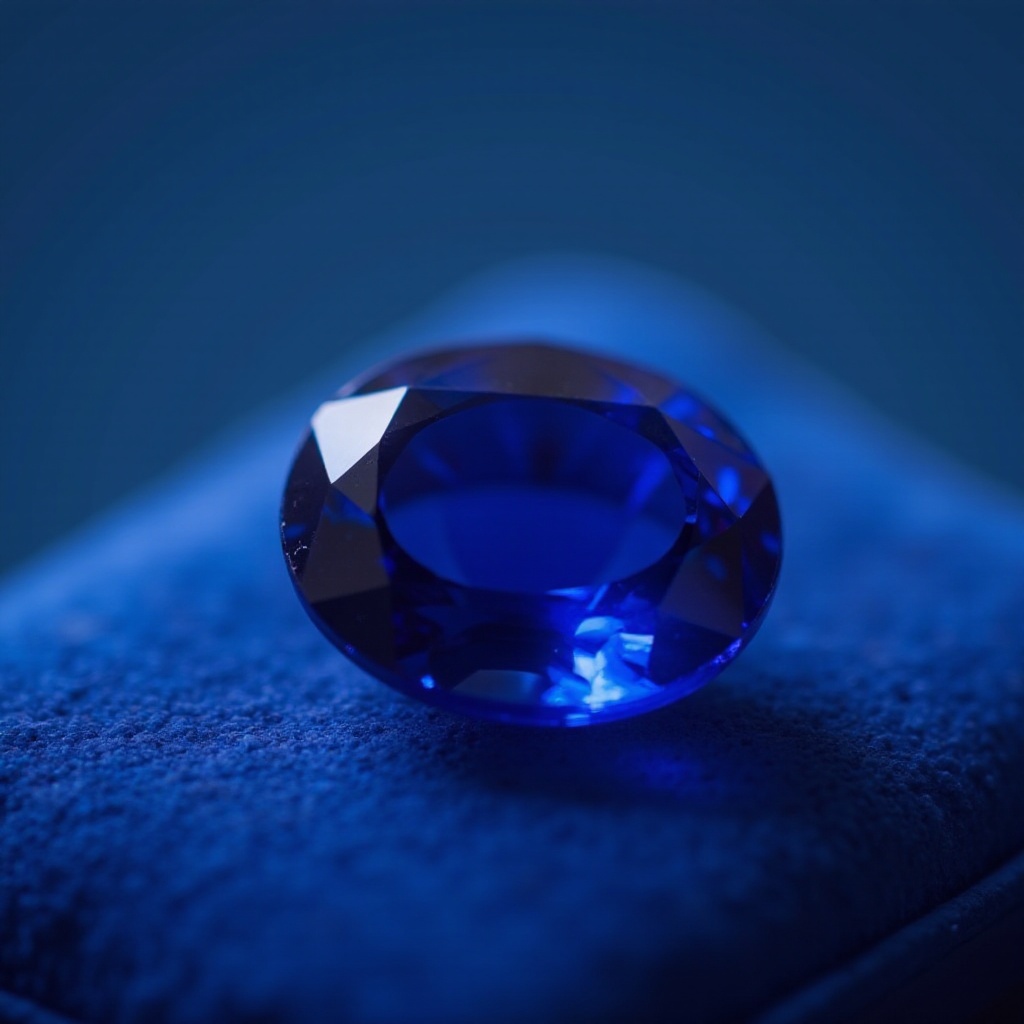
What Makes Sapphires Blue?
The blue color of sapphires is primarily caused by trace amounts of titanium and iron in the crystal structure. When light enters the gemstone, these elements absorb certain wavelengths, particularly in the yellow and red spectrum, allowing the blue color to dominate.
The specific shade of blue in sapphires can vary depending on the exact concentration of titanium and iron. In some cases, the presence of other trace elements, such as chromium or vanadium, can influence the hue.
Overall, the unique combination of these elements results in the striking blue color that makes sapphires so desirable in fine jewelry.
What Color Is a Sapphire?
Sapphires are most commonly known for their stunning blue color, which ranges from light blue to deep, royal blue. However, sapphires can also occur in a variety of other colors, including pink, yellow, green, and even colorless.
The color of a sapphire is determined by the elements present in its composition. For example, blue sapphires get their color from trace amounts of titanium and iron, while pink sapphires owe their hue to the presence of chromium.
The most prized sapphires are those with a rich, velvety blue color, often referred to as "cornflower blue."
Where Is Sapphire from?
Sapphires are found in various parts of the world, with significant sources located in Sri Lanka, Myanmar, Thailand, and Madagascar. Sri Lanka is especially famous for its high-quality blue sapphires, often referred to as "Ceylon sapphires."
Other notable locations include Kashmir, which produces the highly coveted "Kashmir sapphires," known for their velvety blue hue. Australia and Montana in the United States are also known for producing sapphires, with the latter known for its unique sapphires in shades of yellow and green.
Sapphires are typically found in alluvial deposits, where they are extracted from riverbeds or mined directly from the earth in specific regions.
Is Sapphire a Birthstone?
Yes, sapphire is a birthstone. It is the birthstone for September and is associated with individuals born during this month. Sapphires are considered symbols of wisdom, loyalty, and nobility, making them a popular choice for jewelry, especially engagement rings.
Sapphire's connection to September birthdates is deeply rooted in tradition, where it is believed to offer protection and bring peace of mind to those who wear it. Its rich blue color also symbolizes sincerity and faithfulness.
Sapphire Is the Birthstone for What Month?
Sapphire is the birthstone for the month of September. It is traditionally associated with wisdom, loyalty, and nobility, making it a meaningful gemstone for individuals born in this month.
The rich blue hue of sapphires is often linked to calmness, peace, and sincerity, adding to its significance as a birthstone. This gemstone is popular for engagement rings and other fine jewelry, especially for those born in September.
Are Sapphires Expensive?
Sapphires can be expensive, but their cost varies depending on factors such as color, size, quality, and origin. High-quality blue sapphires with rich, deep color are typically more expensive than those with lighter hues.
Sapphires from prestigious locations like Kashmir or Sri Lanka tend to command higher prices due to their rarity and exceptional quality. Additionally, sapphires with fewer inclusions and excellent clarity are more valuable.
While sapphires can be costly, there are also more affordable options, such as sapphires in colors like yellow or green, which may be less expensive than the classic blue variety. Overall, sapphires are considered a luxurious gemstone, but pricing can be more accessible depending on the specific characteristics of the stone.
Sapphire Refractive Index?
The refractive index of sapphire typically ranges from 1.76 to 1.77. This value measures how much light is bent, or refracted, as it passes through the gemstone.
A higher refractive index indicates a greater ability to reflect light, contributing to the brilliance and sparkle of the stone. Sapphires have a relatively high refractive index compared to other gemstones, which enhances their visual appeal. This characteristic makes them ideal for use in fine jewelry, especially when combined with their durability and color.
Is Sapphire a Mineral?
Yes, sapphire is a mineral. It is a variety of the mineral corundum, which is primarily composed of aluminum oxide. While sapphire is most commonly known for its blue color, it can also occur in a range of other hues.
The presence of trace elements such as titanium, iron, and chromium causes the different colors in sapphires. As a mineral, sapphire is known for its exceptional hardness, second only to diamond, making it a popular choice for use in jewelry and other applications.
How Rare Is Sapphire?
Sapphire is considered relatively rare, especially in high-quality forms. While sapphires are found in various regions worldwide, fine-quality blue sapphires, particularly those with rich, velvety hues and minimal inclusions, are rare and highly sought after.
Sapphires from specific locations, such as Kashmir and Sri Lanka, are especially rare due to their exceptional quality and historical significance. Additionally, the size and clarity of sapphires can also influence their rarity.
While sapphires are not as rare as diamonds, their exceptional color, clarity, and origin can make certain sapphires quite rare and valuable.
What Is the Luster of a Sapphire?
The luster of a sapphire is described as vitreous, meaning it has a glass-like shine when polished. This quality allows sapphires to reflect light beautifully, enhancing their brilliance and making them highly attractive in jewelry.
The vitreous luster is one of the reasons why sapphires are so prized. When cut and polished correctly, sapphires exhibit a dazzling, reflective surface that highlights their color and clarity. The combination of their hardness and luster makes sapphires an ideal gemstone for rings, necklaces, and other fine jewelry.
Is Sapphire a Diamond?
No, a sapphire is not a diamond. While both are precious gemstones, they differ in their composition and properties. A sapphire is a variety of corundum, composed mainly of aluminum oxide, and is known for its hardness, second only to diamonds.
Diamonds, on the other hand, are composed of carbon atoms arranged in a crystal structure, making them the hardest natural substance on Earth. While both gemstones are used in fine jewelry, they have distinct characteristics, with diamonds typically known for their brilliance and sapphires for their color and durability.
How Hard Is Sapphire?
Sapphire is a very hard gemstone, ranking 9 on the Mohs scale of hardness, just below diamond. This makes it extremely durable and resistant to scratches, which is one of the reasons it is widely used in fine jewelry.
The hardness of sapphire ensures that it can withstand daily wear without losing its shine or becoming damaged easily. This characteristic, combined with its beautiful color and luster, makes sapphire an ideal choice for rings, bracelets, and other pieces of jewelry meant to last for generations.
Is Sapphire a Precious Stone?
Yes, sapphire is considered a precious stone. It is one of the four main gemstones classified as precious, along with diamonds, rubies, and emeralds. Sapphires are highly valued for their stunning color, durability, and rarity.
Although blue sapphires are the most well-known, sapphires can also come in a variety of colors. They are prized in fine jewelry for their resilience, as they are nearly as hard as diamonds, making them suitable for daily wear. Their beauty and prestige make sapphires a top choice for engagement rings and other luxury pieces.
How Old Is Sapphire?
Sapphire, as a gemstone, has existed for millions of years. It is formed through the natural crystallization of aluminum oxide, occurring under high pressure and temperature deep within the Earth's crust. This process typically takes millions of years.
The use of sapphire in jewelry dates back thousands of years. Ancient civilizations, such as the Greeks and Romans, valued sapphires for their beauty and believed they had protective qualities. Sapphires have been prized by cultures for centuries, making them one of the oldest known gemstones used in adornment.
Can Sapphires Be Red?
No, sapphires cannot be red. Red gemstones of similar appearance are actually rubies, which are also a variety of corundum, like sapphires. The difference lies in the presence of chromium, which gives rubies their red color, whereas sapphires are typically blue or come in other colors like yellow, green, or pink.
Sapphires can come in many colors, including blue, yellow, pink, and even colorless, but they do not naturally form in red. The distinction between rubies and sapphires is based on their color, not their overall composition.
Do Sapphires Scratch?
Sapphires are highly resistant to scratching due to their hardness. With a rating of 9 on the Mohs scale of hardness, they are second only to diamonds in durability. This makes sapphires an excellent choice for everyday wear in jewelry, such as rings and bracelets.
However, while sapphires are tough and scratch-resistant, they are not completely impervious to damage. They can still be scratched by materials with a higher hardness, such as diamonds. Proper care is recommended to maintain their appearance.
Is Sapphire a Crystal?
Yes, sapphire is a crystal. It is a crystalline form of corundum, composed primarily of aluminum oxide. The crystal structure of sapphire gives it its hardness and durability, making it one of the most popular gemstones used in jewelry.
Sapphires form naturally under high pressure and temperature conditions deep within the Earth. Their crystal structure is responsible for their impressive physical properties, including their resistance to scratching and their ability to exhibit a vitreous luster when polished.