When it comes to capturing the brilliance of diamonds without the steep price, many are turning to a popular alternative: simulated diamonds. But what is a simulated diamond? Why are they gaining so much attention? It's a common question. In this blog, we'll explore why these gemstones are becoming a go-to choice for those seeking luxury without the cost. From affordability to aesthetics, there are plenty of reasons why simulated diamonds are a favorite among jewelry lovers. Let's dive in and uncover more about this sparkling alternative.
What Are Simulated Diamonds
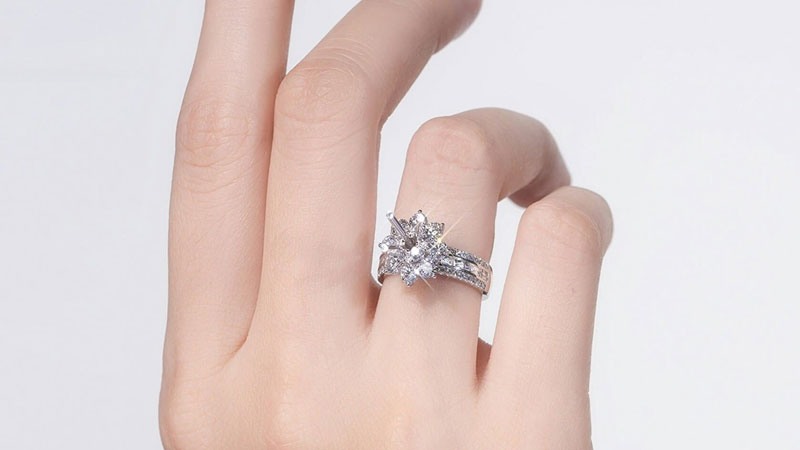
Before diving deeper, let's explore the simulated diamond meaning. What is a diamond simulant exactly? Simulated diamonds are stones designed to imitate the appearance of real diamonds. They are not made from carbon crystals like natural diamonds but are crafted from different materials that mimic the look of a diamond. Common materials used for these simulants include cubic zirconia (CZ), moissanite, and crystal. Each of these stones is designed to reflect light and produce a sparkle similar to a diamond, making them nearly indistinguishable to the untrained eye.
These gems are often confused with lab-created diamonds, but there's a significant difference. Lab-created diamonds are grown in a laboratory setting but possess the same physical, chemical, and optical properties as natural diamonds. In contrast, simulated diamonds only replicate the appearance, not the properties, of a real diamond.
Benefits and Drawbacks of Simulated Diamonds
When considering simulated diamonds, it's important to understand their advantages and limitations.
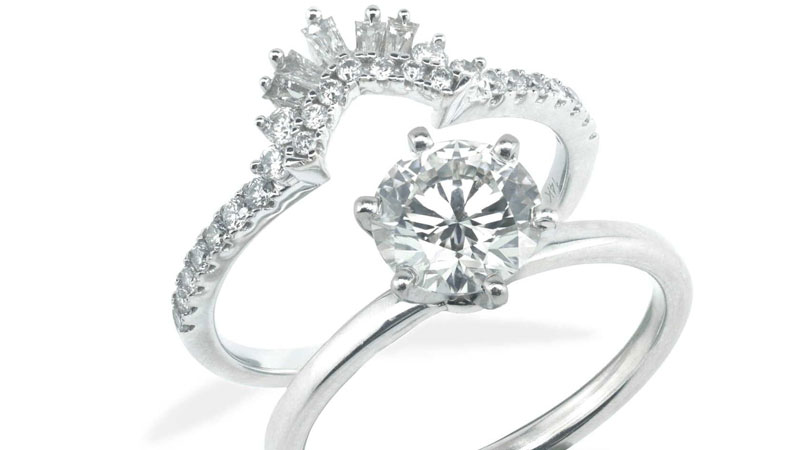
Benefits include:
1.Simulated diamonds are much more affordable than natural or lab-created diamonds. This makes them an excellent choice for those who want the look of a diamond without the high price tag.
2.Because simulated diamonds are not mined, they avoid the ethical concerns associated with diamond mining, such as environmental impact and labor issues.
3.Available in a wide range of sizes, shapes, and colors, simulated diamonds offer more versatility for custom jewelry designs.
However, there are drawbacks to consider:
1.Simulated diamonds are generally softer than real diamonds, meaning they can scratch or chip more easily. Moissanite, however, is an exception, with a hardness close to a diamond's.
2.Unlike natural diamonds, simulated diamonds do not retain their value. What is a simulated diamond worth? Its worth is primarily aesthetic rather than financial, meaning it is valued more for its beauty than as an investment.
3.Some people may view simulated diamonds as less prestigious than natural diamonds, affecting their desirability, particularly for milestone purchases like engagement rings.
Different Types of Simulated Diamonds
Several types of simulated diamonds are popular in the market, each offering different benefits:
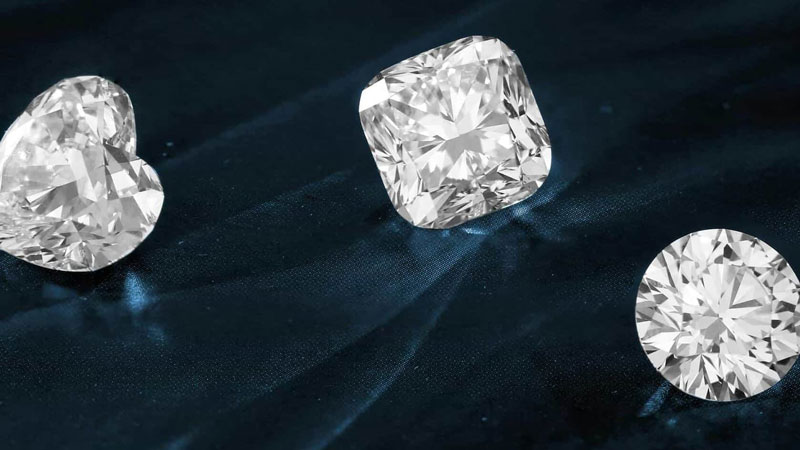
1.Cubic Zirconia (CZ): The most well-known diamond simulant, cubic zirconia, is valued for its affordability and brilliance. CZ is often colorless and can be cut into various shapes, resembling a real diamond. However, it is softer than diamond and can scratch over time.
2.Moissanite: Known for its extraordinary brilliance and fire, is a popular alternative to diamonds. It is nearly as hard as diamond, making it more durable than other simulants. Moissanite's sparkle is often described as more colorful, which some people love, while others may find it less desirable.
3.Crystal: Some simulated diamonds are made from simulated crystal, a type of glass treated to increase its sparkle. While not as durable or brilliant as CZ or moissanite, crystal simulants are often used in fashion jewelry due to their affordability.
Each type of simulated diamond offers a different balance of cost, durability, and aesthetic appeal, allowing buyers to choose the option that best suits their needs. What is a diamond simulant made of? The answer varies, but all are designed to give the look of luxury without the hefty price tag.
How Do Simulated Diamonds Compare to Real Diamonds
When comparing simulated diamonds to real diamonds, several factors include appearance, value, durability, and emotional significance.
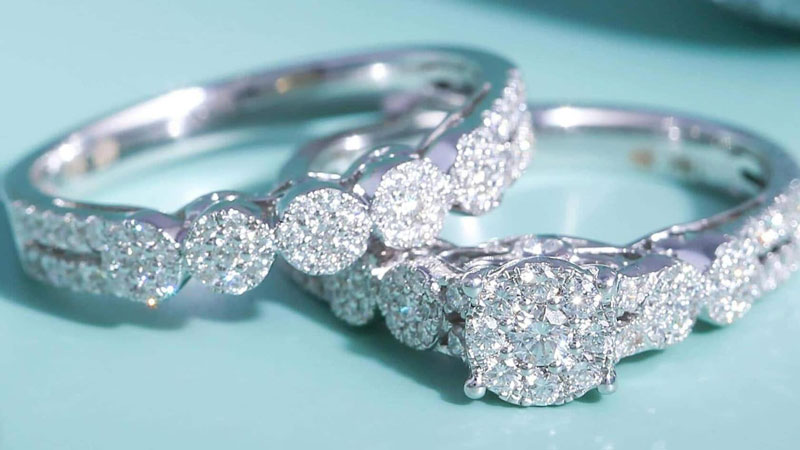
Overall, while simulated diamonds offer an attractive alternative to natural diamonds, particularly from a cost perspective, they differ significantly in terms of value and durability. For those looking for a beautiful stone that doesn't break the bank, simulated diamonds are an excellent option.
Caring for Your Simulated Diamonds
Maintaining the beauty of simulated diamonds involves simple care:
Conclusion
So, what is a simulated diamond? It's a sparkling, affordable alternative to natural diamonds that offers the look of luxury without the cost. Whether you're drawn to their ethical production, versatility, or price, simulated diamonds provide a stylish solution for modern jewelry lovers. By understanding the differences between simulants and real diamonds, you can make an informed decision that best suits your needs and preferences.