A Swarovski crystal is a high-quality, precision-cut glass crystal manufactured by the Swarovski company, known for its brilliance and clarity. The crystals are crafted using a secret formula and cutting techniques that enhance their sparkle. Swarovski crystals are often used in jewelry, accessories, and fashion, and are known for their affordability compared to diamonds while maintaining a luxurious appearance. These crystals are not natural gemstones but are man-made and are created with a focus on excellence in craftsmanship.
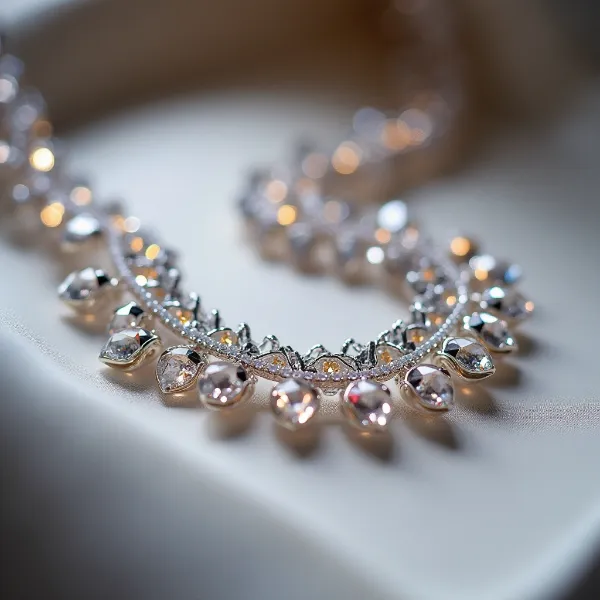
What Are Swarovski Crystal Made of?
Swarovski crystals are primarily made of glass, specifically lead glass. The unique formula involves a combination of sand, soda, potash, and lead oxide, which gives the crystals their signature brilliance and clarity.
Swarovski uses advanced precision cutting and polishing techniques to create crystals with exceptional sparkle and reflection. Although the crystals are glass-based, the presence of lead oxide contributes to their heavy weight and enhances their light-reflecting properties, making them look like precious stones.
The secret formula and cutting process are closely guarded, allowing Swarovski crystals to maintain their reputation for luxury and high-quality craftsmanship.
Is Swarovski Real Crystal?
Swarovski crystals are not real gemstones or naturally occurring crystals. They are man-made, precision-cut glass crystals. While they are often referred to as "crystals" due to their appearance, they do not occur naturally like diamonds, sapphires, or rubies.
Swarovski crystals are created using a unique formula that includes glass and lead oxide, giving them their signature brilliance and clarity. Although they mimic the look of real crystals, they are produced through advanced cutting techniques and are more affordable than natural gemstones.
How to Clean Swarovski Crystal?
To clean Swarovski crystals, it is essential to handle them gently to preserve their brilliance. Start by using a soft, lint-free cloth to wipe the surface and remove any dust or smudges. For a deeper clean, mix a mild soap solution with lukewarm water.
Dip a soft cloth or cotton swab into the soapy water, gently wipe the crystal, and then dry it with a clean, soft cloth. Avoid submerging the crystals in water for extended periods, as this may affect the finish.
Never use harsh chemicals, abrasives, or cleaning solutions containing alcohol, as they may damage the crystal's surface or affect its clarity. Additionally, avoid using ultrasonic cleaners, as they may cause the crystals to become scratched or damaged.
How Does Swarovski Crystal Vs Swarovski Zirconia Compare?
Swarovski Crystal and Swarovski Zirconia are both precision-cut and brilliant, but they differ in composition and typical use. Swarovski Crystal is a high‑quality lead glass made for decorative purposes in jewelry, fashion, and design. It is renowned for its sparkle, varied shapes, and colors but is still glass‑based, not a gemstone. Swarovski Zirconia (also called Created Zirconia) is a lab‑grown gemstone designed to mimic diamonds more closely, offering higher hardness and a diamond‑like fire.
In terms of performance, Swarovski Zirconia is generally more durable and scratch‑resistant than Swarovski Crystal due to its gemstone structure. Swarovski Crystal shines beautifully with rich colors and varied cuts, ideal for decorative jewelry and embellishments. Swarovski Zirconia is preferred when a diamond‑like appearance and greater scratch resistance are desired. Price reflects these differences: Swarovski Zirconia pieces often cost more than standard crystal, though both remain more affordable than natural diamonds or gemstones.
Where Can I Sell Swarovski Crystal?
You can sell Swarovski crystals through various online and physical platforms. Online marketplaces like eBay, Amazon, and Etsy are great places to list individual crystals or jewelry made with Swarovski elements. These platforms offer a broad audience and provide a secure transaction process.
For more specialized buyers, consider listing your items on websites dedicated to jewelry or crystals, such as Poshmark or Depop. You can also reach out to local jewelry stores or second-hand shops that might be interested in purchasing Swarovski items.
If you have high-quality, vintage, or collectible pieces, consider selling them through an auction house that specializes in jewelry or luxury items. Ensure that your listings highlight the authenticity and quality of your Swarovski pieces for better visibility and higher sale potential.
How Much Is a Swarovski Crystal?
The cost of Swarovski crystals varies widely based on type, size, and finished product. Loose individual crystals — the small stones used for jewelry and crafts — typically range from about $1 to $20 each, depending on size, color, and cut. Larger or specialty shapes cost more due to material and craftsmanship. citeturn0search10
Finished Swarovski jewelry pieces such as necklaces, bracelets, and earrings generally retail from around $20 up to several hundred dollars or more, influenced by design complexity and materials used. citeturn0search1
Collectible or decorative Swarovski crystal figurines and limited‑edition pieces can be significantly pricier, with some older or rare items selling for hundreds to thousands of dollars on the secondary market. citeturn0search2
Overall, Swarovski pricing depends on product type rather than a fixed cost for a “crystal,” so expect large ranges based on quality and purpose. citeturn0search1
Are Swarovski Crystals Valuable?
Swarovski crystals are valued for their quality, craftsmanship, and sparkle, but they are not as valuable as natural gemstones like diamonds or sapphires. They are high-quality, precision-cut glass, made using a unique formula to create brilliance and clarity.
While Swarovski crystals are more affordable than precious stones, they still carry significant value in the jewelry and fashion industries. They are widely used for both decorative and functional pieces, such as jewelry, ornaments, and accessories, due to their stunning appearance and affordability.
However, their value is more about their aesthetic appeal, brand reputation, and the quality of their cut and design rather than being a rare or naturally occurring material. As such, while not considered "precious," they offer a luxury look at a more accessible price point.
What Is Swarovski Crystal Used for?
Swarovski crystals are used in a wide range of applications, primarily in the jewelry and fashion industries. They are commonly found in necklaces, bracelets, earrings, and rings, providing an affordable alternative to precious gemstones while offering exceptional brilliance.
In addition to jewelry, Swarovski crystals are used in home décor items, such as figurines, chandeliers, and vases, where their sparkle enhances the elegance of the design. They are also incorporated into accessories like watches, handbags, and footwear.
Swarovski crystals are frequently used in fashion, often embellishing clothing and accessories like scarves, belts, and shoes. Due to their versatility, these crystals are also popular in craft projects, adding a touch of luxury to DIY creations. Overall, Swarovski crystals are prized for their beauty, making them suitable for various applications across different industries.
Is Swarovski Crystal Luxury?
Swarovski crystal is considered a luxury product, but it is more accessible compared to natural gemstones like diamonds or rubies. While not a rare or precious material, Swarovski crystals are crafted with high-quality standards, offering excellent brilliance and sparkle.
The luxury of Swarovski crystals comes from their precision cutting, superior craftsmanship, and the brand’s long-standing reputation for quality. Swarovski has positioned itself as a high-end brand within the fashion and jewelry industries, making their crystals a sought-after choice for those wanting a touch of elegance at a more affordable price point.
Although not as expensive as genuine gemstones, Swarovski crystals are valued for their aesthetic appeal, versatility, and ability to mimic the look of luxury stones. They are used in fine jewelry, home décor, and accessories, making them a popular choice for those seeking a luxury appearance without the high cost.
Do Swarovski Crystals Fade Over Time?
Swarovski crystals are designed to maintain their brilliance and clarity for a long time, but they can show signs of fading or damage if not cared for properly. Over time, exposure to sunlight, chemicals, or abrasive materials may cause their sparkle to dull.
To prevent fading, it is important to store Swarovski crystals away from direct sunlight and harsh environments. Regular cleaning with a soft cloth can help preserve their shine and appearance. Additionally, protecting the crystals from rough handling or exposure to lotions, perfumes, and cleaning agents will keep them looking new for longer.
While Swarovski crystals are durable, they may lose their brilliance over many years if not cared for properly. Regular maintenance and careful handling can help extend their lifespan and prevent fading.