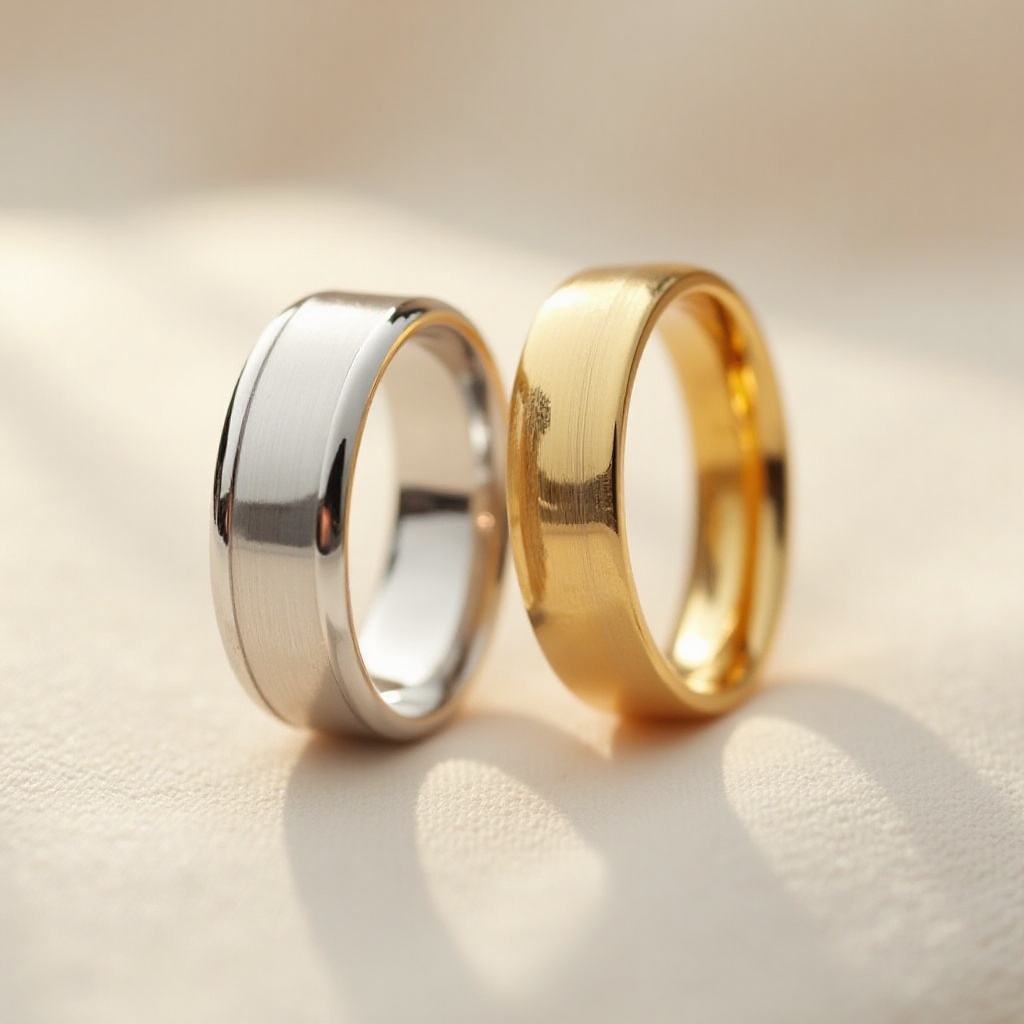
White gold and yellow gold differ mainly in their composition and appearance. Yellow gold is the natural color of gold and is typically mixed with alloys like copper and silver to enhance its durability. It retains its classic, warm golden hue.
White gold, on the other hand, is an alloy of gold mixed with metals like palladium, silver, or nickel. It is then coated with rhodium to give it a shiny, silvery-white appearance. Over time, the rhodium coating may wear off, revealing the yellowish tone underneath.
In terms of price, white gold is often slightly more expensive due to the rhodium plating and the cost of the additional metals used. Yellow gold tends to have a more traditional and timeless look, while white gold offers a modern, sleek aesthetic.
Is White Gold As Valuable As Yellow Gold?
White gold and yellow gold have similar value in terms of gold content. However, white gold is often considered slightly more valuable due to the additional metals used in the alloy, such as palladium or nickel, and the rhodium plating that gives it a shiny finish.
The value of both types of gold is mainly determined by the current market price of gold, which is based on its purity, usually measured in karats. The higher the karat, the more valuable the gold.
White gold can also be more expensive in terms of maintenance, as the rhodium coating may wear off over time and require reapplication. In contrast, yellow gold typically requires less upkeep. Overall, the value of white gold and yellow gold depends on factors like purity, market trends, and the presence of any additional materials.
Is White Gold Better Than Yellow Gold?
Whether white gold is better than yellow gold depends on personal preference and the intended use. White gold offers a modern, sleek appearance, making it a popular choice for engagement rings and contemporary jewelry. Its shiny, silvery hue appeals to those who prefer a cooler, more sophisticated look.
Yellow gold, on the other hand, has a classic, timeless appeal with a warm, rich color. It’s often favored for traditional jewelry styles and carries sentimental value due to its historical significance.
In terms of durability, white gold may be more resistant to tarnishing due to its rhodium plating, though this can wear off over time and require maintenance. Yellow gold is more malleable, which can be advantageous for certain designs but may scratch more easily.
Ultimately, the choice between white and yellow gold comes down to style preferences, maintenance considerations, and the specific look you’re going for in your jewelry pieces.
White Gold Vs Yellow Gold Ring: Which Is Better?
When comparing a white gold vs yellow gold ring, the “better” choice depends on personal style and lifestyle. White gold has a modern, silvery finish that complements diamonds and colored gemstones beautifully. It’s often chosen for engagement rings and contemporary designs. However, white gold usually has a rhodium plating that can wear over time and may require occasional re‑plating to maintain its bright look.
Yellow gold offers a classic, timeless warmth that suits vintage, traditional, and everyday jewelry. It resists fading and doesn’t require plating, making it lower maintenance. Yellow gold can show scratches more easily due to its softer nature, especially in higher karats like 18K or 22K.
Ultimately, white gold is ideal for those who want a sleek, modern aesthetic, while yellow gold suits those who value traditional elegance and minimal upkeep. The best choice aligns with personal taste, skin tone, and how often the ring will be worn.
Is White Gold the Same As Yellow Gold?
No, white gold and yellow gold are not the same. The main difference lies in their appearance and composition. Yellow gold is the natural color of gold and is mixed with alloys like copper and silver to enhance its durability.
White gold, on the other hand, is an alloy made by mixing yellow gold with other metals like palladium, nickel, or silver. It also has a rhodium plating that gives it a shiny, silvery-white finish. Over time, the rhodium plating can wear off, revealing the yellowish tone underneath.
In terms of value, both types are priced based on the gold content, but white gold can be slightly more expensive due to the additional metals and rhodium coating used in its production. While both are durable, white gold tends to have a more modern look, while yellow gold maintains a classic, timeless appeal.
Is White Gold Stronger Than Yellow Gold?
White gold is generally stronger than yellow gold due to its alloy composition. White gold is made by mixing yellow gold with stronger metals like palladium, nickel, or silver, which enhance its durability and resistance to scratches. The rhodium plating used on white gold also adds an extra layer of protection.
Yellow gold, on the other hand, is softer and more malleable, which makes it easier to shape and work with but also more prone to scratches and dents. This softness is especially true for higher karat yellow gold, such as 22K or 24K.
While both types of gold are durable, white gold tends to hold up better in daily wear, especially for rings and jewelry that are subject to frequent handling. However, this added strength may make white gold less malleable than yellow gold for certain jewelry designs.
14k White Gold Vs 14k Yellow Gold: What’s the Difference?
The main difference between 14K white gold and 14K yellow gold lies in their appearance and the metals used in their alloy.
14K white gold is made by mixing 14 parts gold with other metals like palladium, silver, or nickel. This gives it a silvery-white appearance. It’s often coated with rhodium to enhance its shiny finish and durability. However, the rhodium plating can wear off over time.
14K yellow gold, on the other hand, consists of 14 parts gold mixed with copper and silver, maintaining the traditional warm, yellow hue. It doesn’t require plating and retains its color over time but may show scratches more easily due to its softer nature.
In terms of durability, both are similar because they contain the same amount of gold, but white gold might be slightly more resistant to wear due to the rhodium plating. Yellow gold, being softer, is more malleable and can be better for intricate designs. Ultimately, the choice between the two comes down to personal aesthetic preferences.
Is White Gold Cheaper Than Gold?
White gold is generally not cheaper than yellow gold. While both are made from the same primary material—gold—white gold typically costs more due to the additional metals mixed in, such as palladium, nickel, or silver.
Furthermore, white gold is usually coated with rhodium to give it a shiny, silvery-white finish, which adds to the overall cost. Rhodium plating also requires maintenance over time, which can increase the long-term expense.
On the other hand, yellow gold tends to be less expensive because it’s closer to its natural form and requires fewer alloying metals. The cost of both types of gold ultimately depends on the market price of gold and the purity of the metal. However, in most cases, white gold will be priced slightly higher than yellow gold due to the added elements and plating process.
Can You Dip White Gold to Yellow Gold?
It is not possible to directly dip white gold to turn it into yellow gold. White gold and yellow gold are different alloys, with yellow gold retaining its natural golden color and white gold having a silvery-white finish due to rhodium plating.
If you want to change the color of a white gold piece to yellow gold, the rhodium plating would need to be removed. However, the underlying alloy of the white gold is still a mix of metals like palladium or nickel, which won’t give it the yellow hue of yellow gold.
To achieve a yellow gold appearance, the jewelry piece would need to be reworked with a yellow gold alloy. This could involve melting down the existing piece and re-crafting it with yellow gold materials, which may not be practical for some designs.
Therefore, while it’s not as simple as dipping, reworking the piece is possible but would involve more extensive alterations.
Should I Wear White or Yellow Gold?
The choice between white gold and yellow gold ultimately depends on your personal style, skin tone, and the look you want to achieve.
White gold offers a sleek, modern, and elegant appearance, making it ideal for contemporary designs, especially with diamonds and gemstones. It complements cooler skin tones and tends to have a subtle, sophisticated shine. However, the rhodium plating can wear off over time and require maintenance.
Yellow gold, with its warm, classic hue, is timeless and suits a more traditional or vintage style. It’s versatile, complementing various outfits and jewelry designs, and looks great with warm skin tones. Yellow gold doesn’t need the same level of upkeep as white gold.
Consider your personal aesthetic preferences, the type of jewelry, and how often you plan to wear it. If you prefer a modern, shiny look, go with white gold. If you want something that never goes out of style, yellow gold might be the better choice.
Can You Dip a White Gold Ring in Yellow Gold?
It is not possible to directly dip a white gold ring in yellow gold. White gold and yellow gold are distinct alloys, and the process of "dipping" involves applying a thin layer of one metal onto another, typically using rhodium for white gold.
To turn a white gold ring into yellow gold, the existing rhodium plating would need to be removed. However, this won’t change the underlying metal’s composition, which is usually a mixture of gold, palladium, and nickel in white gold.
If you want a yellow gold appearance, the ring would need to be reworked with yellow gold alloys. This involves melting the original white gold piece and re-crafting it with yellow gold, which is a more involved process than simply dipping.
So, while it's not as simple as dipping, it is possible to alter the color, but the piece would need to be reformed with yellow gold material for a permanent change.