Emerald is a precious gemstone known for its vibrant green color, a result of trace amounts of chromium or vanadium. It belongs to the beryl family of minerals, alongside aquamarine and morganite. Emeralds have been valued for thousands of years, prized for their beauty and rarity.
Emeralds are typically found in metamorphic rock formations, often in Colombia, Brazil, and Zambia. The quality of emeralds is determined by color, clarity, cut, and carat weight, with the most prized being a deep green hue.
Due to their natural inclusions, known as "jardins," emeralds are generally more fragile than other gemstones. As a result, they require careful handling and are often treated with oils or resins to enhance clarity and stability.
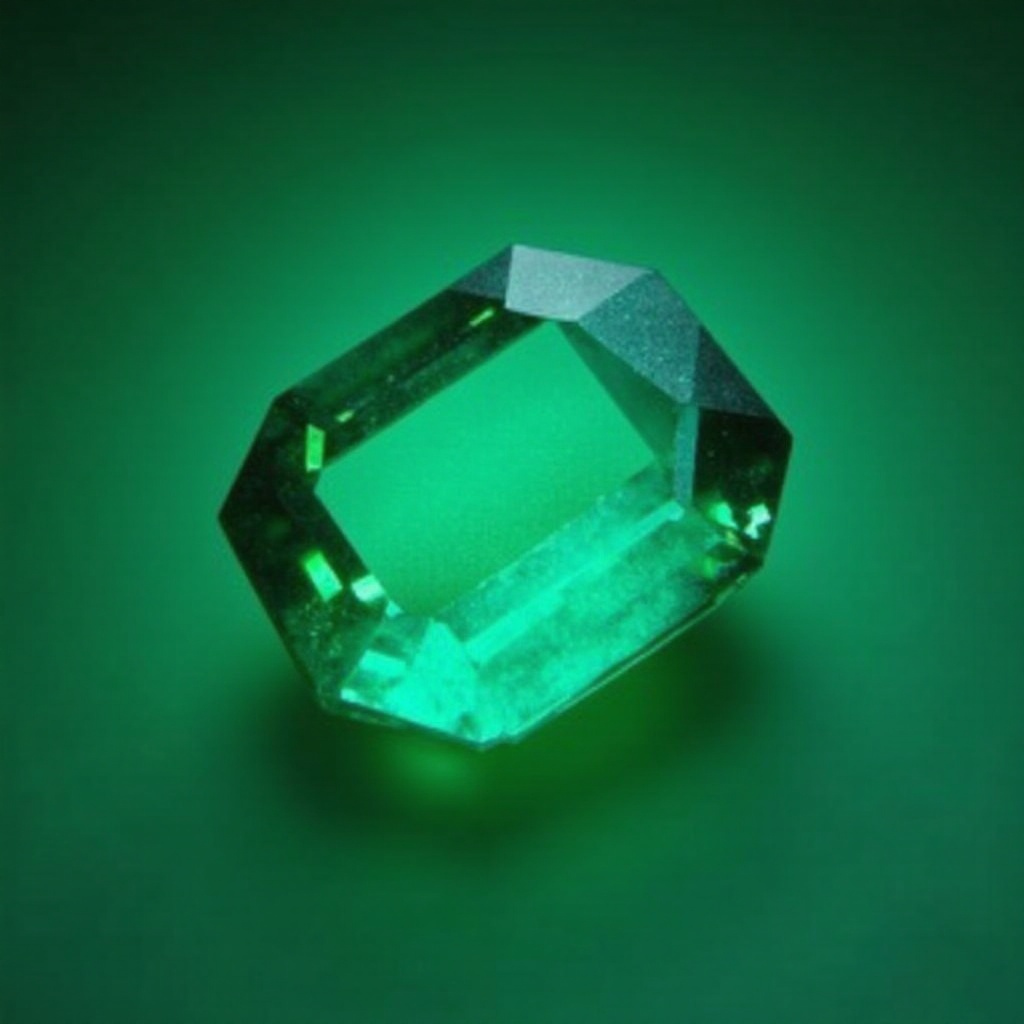
What Does Emerald Look Like?
Emeralds are known for their striking green color, which ranges from light green to a deep, rich hue. The most desirable emeralds feature a vivid, intense green with a bluish tint.
The color of emeralds is the most important factor when determining their value. The stone’s clarity is often affected by natural inclusions, called “jardins,” which can give it a unique, textured appearance.
Emeralds are typically cut into various shapes, with the rectangular or square "emerald cut" being the most common, designed to highlight the gem's vibrant color. The stone may also have a faceted or cabochon finish, depending on the style and intended use.
What Are the Different Colors of Emeralds?
Emeralds are primarily green, but their color can vary based on the presence of trace elements like chromium and vanadium. The most common shades of emeralds include:
- Vivid Green: This is the most sought-after color, rich and intense, often with a bluish tint.
- Yellowish Green: Some emeralds have a lighter, yellowish-green hue, which is less valuable than the deeper greens.
- Bluish Green: Emeralds with a bluish undertone can also be highly prized, though they are rarer than standard green shades.
The best-quality emeralds typically have a deep green color with a balance of blue and yellow. Factors like location and the gemstone's treatment can also affect its final appearance.
What Do Real Emeralds Look Like?
Real emeralds are characterized by their vibrant green color, which can range from a lighter, yellowish green to a deep, rich green with bluish undertones. The most valuable emeralds display a vivid, intense green hue.
Unlike synthetic emeralds, real emeralds typically have natural inclusions called "jardins," which give them a unique, textured appearance. These inclusions can be visible to the naked eye and are a hallmark of natural emeralds.
Emeralds are commonly cut in rectangular or square shapes, with the "emerald cut" being the most popular for enhancing their color. Their surface is typically smooth, with a high degree of polish to showcase their clarity and brilliance.
How Are Emeralds Formed?
Emeralds are formed through a geological process that takes millions of years. They develop in environments where the necessary conditions—heat, pressure, and the presence of specific minerals—are met.
Emeralds are a variety of the mineral beryl, created when beryl is exposed to chromium or vanadium, which give the gemstone its characteristic green color. This typically occurs in metamorphic rocks, where high pressure and temperature allow the elements to crystallize.
Over time, these crystals grow and form into emeralds. The process can take place in areas where the Earth's crust has experienced significant tectonic activity, such as in regions of Colombia, Zambia, and Brazil. The inclusion of trace elements, along with natural stress during formation, often results in the unique “jardin” inclusions found in emeralds.
What Is Emerald Made of?
Emeralds are made of beryl, a mineral composed primarily of aluminum and beryllium. The green color of emeralds is due to trace amounts of chromium and sometimes vanadium, which are incorporated into the crystal structure during formation.
The chemical formula for emerald is Be3Al2(SiO3)6, with the addition of chromium (Cr) or vanadium (V) giving it the vibrant green hue. This specific combination of elements, along with the unique crystal structure, distinguishes emeralds from other types of beryl, such as aquamarine or morganite.
Emeralds also contain natural inclusions known as “jardins,” which are formed due to the environment in which the gem develops. These inclusions add character but can also affect the stone's clarity.
What Are the Different Types of Emeralds?
There are several types of emeralds based on their origin, treatment, and quality. The primary distinctions include:
-
Natural Emeralds: These are untreated stones formed in the earth over millions of years. They often have inclusions, known as "jardins," which are a hallmark of authenticity.
-
Treated Emeralds: Many emeralds undergo treatments, such as oiling, to enhance clarity and stability. This treatment is common and can improve the stone's appearance without compromising its authenticity.
-
Synthetic Emeralds: Created in laboratories, synthetic emeralds are chemically identical to natural ones but lack the natural inclusions. They are more affordable and often used for jewelry in specific markets.
-
Trapiche Emeralds: These are rare emeralds that have a unique star-like appearance due to the way their crystals grow. They are highly valued due to their unusual structure.
-
Colombian Emeralds: Known for their deep, vibrant green color, Colombian emeralds are among the most prized. They are often considered the best-quality emeralds due to their rich color and clarity.
Are Emeralds Always Green?
Emeralds are primarily known for their green color, but they can vary in shades of green due to the presence of chromium or vanadium. The most prized emeralds have a vivid, intense green color with a bluish tint.
Although green is the signature color, some emeralds can show a yellowish or bluish-green hue. The exact shade depends on the specific minerals and trace elements in the environment where the emerald formed.
Rarely, emeralds may have subtle color variations, but green remains the defining characteristic of the gemstone. The depth and richness of the green color directly influence its value and appeal.
What Is Emerald Used for?
Emeralds are primarily used in fine jewelry, including rings, necklaces, earrings, and bracelets, due to their stunning green color. They are often featured in high-end and custom-made pieces, as their vibrant hue makes them highly desirable.
Beyond jewelry, emeralds are sometimes used in ornamentation and collectors' items. Their historical and cultural significance also makes them popular for gifts, particularly in celebrations like weddings and anniversaries.
In addition to their aesthetic use, emeralds have been historically attributed with various symbolic meanings, such as representing rebirth, fertility, and love, making them meaningful gifts and tokens.
What Is the History of Emeralds?
Emeralds have a rich history dating back thousands of years. They were first mined in Egypt around 3000 BCE, with Cleopatra famously known for her love of emeralds. The Egyptians prized them for their vibrant color and symbolic significance, often associating them with fertility and rebirth.
Throughout history, emeralds have been valued by various civilizations, including the Greeks and Romans, who believed the stones had healing properties. During the Renaissance, emeralds became popular in European royal jewelry.
In the 16th century, large deposits of emeralds were discovered in South America, particularly in Colombia, which remains one of the top sources of high-quality emeralds today. The discovery of these mines marked a significant increase in the gemstone’s availability and importance.
Emeralds continue to hold cultural and financial value, symbolizing love, renewal, and hope. Today, they are widely used in fine jewelry, cherished for their beauty and rarity, with a lasting legacy in art, royalty, and adornment.
What Does Raw Emerald Look Like?
Raw emeralds are typically rough and unpolished, often showing a jagged, uneven surface. They can range in color from pale green to deep, vibrant green, with some stones having a bluish or yellowish tint.
The appearance of raw emeralds depends on their origin, but they usually have visible inclusions, known as “jardins,” which are natural imperfections formed during the crystal’s development. These inclusions can make the emerald appear cloudy or textured.
Raw emeralds are typically found in crystalline forms, with hexagonal or prismatic shapes. They often have a dull or matte finish until they are cut and polished to reveal their vibrant color and brilliance.