Gold-plated jewelry refers to pieces made from a base metal, such as sterling silver or brass, that is coated with a thin layer of gold. This process, called electroplating, involves applying a microscopic layer of gold to the jewelry's surface, giving it the appearance of solid gold.
Although gold-plated jewelry offers a similar aesthetic to solid gold, it is generally more affordable. However, the gold layer is much thinner and can wear off over time with regular use, revealing the base metal beneath. The durability of gold-plated jewelry largely depends on the thickness of the gold layer and how well it is maintained.
Gold-plated jewelry is often preferred for its cost-effectiveness, allowing consumers to enjoy the beauty of gold without the high price tag. It is commonly used for fashion accessories like rings, necklaces, bracelets, and earrings.
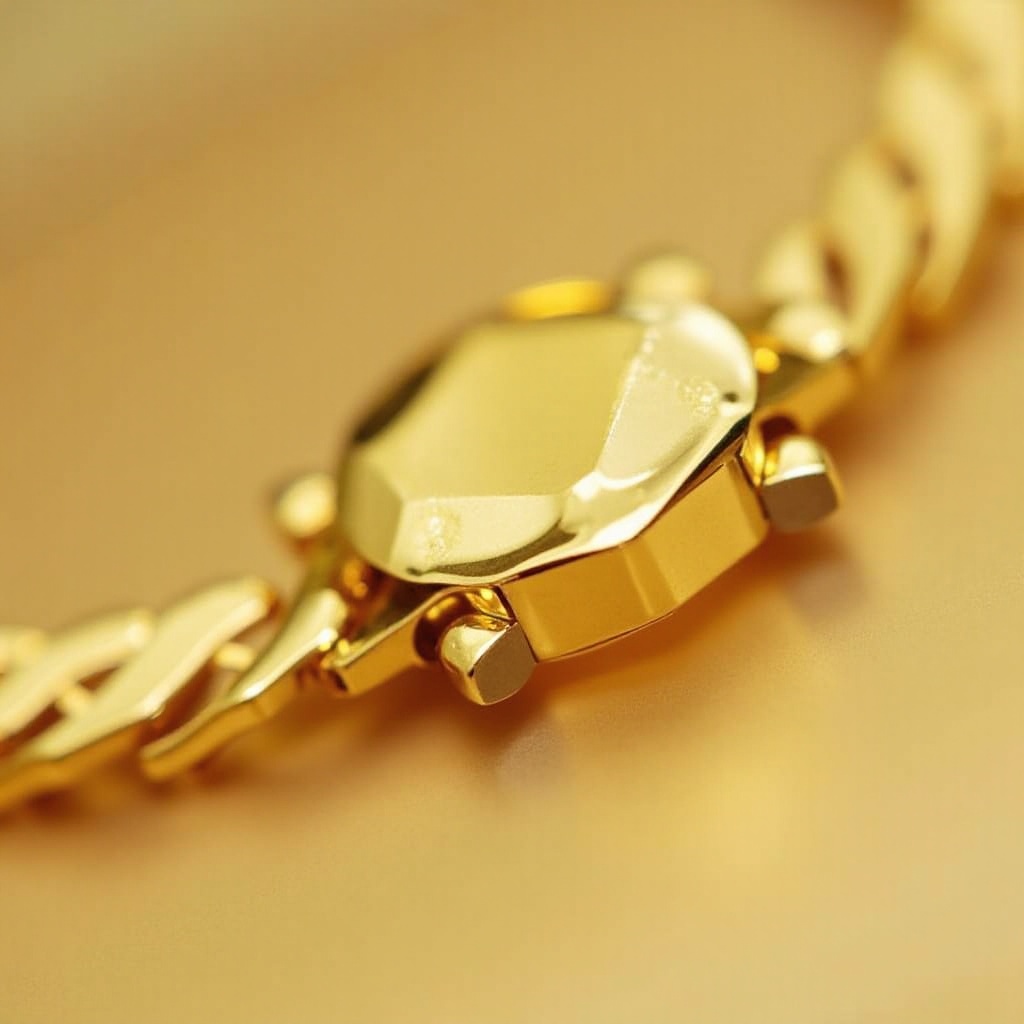
Does Gold Plated Tarnish?
Yes, gold-plated jewelry can tarnish over time. The thin layer of gold applied to the base metal can wear off due to frequent exposure to moisture, chemicals, and friction. As the gold layer thins, the underlying metal may begin to tarnish, causing the jewelry to lose its luster.
The rate at which gold-plated jewelry tarnishes depends on factors like the thickness of the gold layer, how often the jewelry is worn, and how well it is maintained. To slow down tarnishing, it’s important to keep the jewelry dry and avoid exposing it to harsh chemicals like perfumes or cleaning products.
While gold plating offers an affordable alternative to solid gold, it’s important to note that over time, the jewelry may need re-plating to restore its appearance.
How to Clean Gold Plated Jewelry?
To clean gold-plated jewelry, it is important to use gentle methods to avoid damaging the thin gold layer. Start by mixing a mild dish soap with warm water. Soak the jewelry for a few minutes to loosen dirt and oils.
Next, use a soft, lint-free cloth or a toothbrush with soft bristles to gently scrub the jewelry. Focus on areas with visible dirt or buildup, but avoid applying too much pressure to prevent damaging the gold plating.
After cleaning, rinse the jewelry with warm water and dry it with a soft cloth. Avoid using paper towels or rough materials, as they can scratch the surface. It’s also important to avoid harsh chemicals, abrasive cleaners, or ultrasonic cleaners, which can wear down the gold plating.
For long-term care, store gold-plated jewelry in a dry, cool place, and try to keep it away from chemicals, perfumes, and moisture. Regular cleaning will help maintain its appearance and reduce tarnishing.
Gold Filled Vs Gold Plated: Which Is Better?
Gold-filled and gold-plated jewelry both offer affordable alternatives to solid gold, but there are key differences that affect their quality and longevity.
Gold-filled jewelry has a much thicker layer of gold compared to gold-plated jewelry. This means it is more durable and less likely to tarnish or wear off over time. Gold-filled pieces typically consist of 5% gold by weight, and the gold is bonded to a base metal, making it more resistant to fading and damage.
On the other hand, gold-plated jewelry has a thin layer of gold applied to a base metal through electroplating. This layer can wear off with regular use, leading to the exposure of the base metal beneath. Gold-plated jewelry is more affordable but requires more careful maintenance to preserve its appearance.
Overall, gold-filled jewelry is a better option for those seeking long-lasting durability and value, while gold-plated jewelry may be ideal for fashion accessories worn occasionally. Both options offer a gold look at a lower price point than solid gold.
Is Gold Plated Jewelry Worth Anything?
Gold-plated jewelry does have some value, but it is significantly lower than solid gold or gold-filled pieces. The base metal, such as brass or sterling silver, gives the jewelry its primary worth, while the thin layer of gold adds minimal value.
Gold-plated jewelry can be sold, but its resale value is usually very low due to the thin gold layer. The gold plating itself is not valuable enough to be considered a solid investment.
However, gold-plated jewelry can still be worth something in terms of its aesthetic appeal and craftsmanship. Many people purchase it for fashion, affordability, and the look of gold, rather than as a long-term investment.
If you're looking for jewelry with more intrinsic value, it's worth considering solid gold or gold-filled options, as they contain a greater percentage of gold, which increases their worth over time.
Is Gold Plated Jewelry Good?
Gold-plated jewelry can be a good option depending on your needs and preferences. It offers the look of gold at a fraction of the price, making it affordable for those who want to enjoy the appearance of gold without the high cost.
While gold-plated jewelry is not as durable as solid gold or gold-filled pieces, it is a good choice for fashion accessories worn occasionally. The gold layer can wear off over time, especially with frequent use, exposing the base metal beneath.
For those seeking a budget-friendly alternative to solid gold jewelry, gold-plated pieces are a viable option. However, it requires more care to maintain its appearance and prevent tarnishing. If longevity and durability are priorities, investing in gold-filled or solid gold jewelry may be a better choice.
Can You Shower with Gold Plated Jewelry?
It is not recommended to shower with gold-plated jewelry. While gold plating provides an attractive gold finish, the thin gold layer can wear off over time when exposed to moisture, soap, and shampoo. Regular exposure to water, particularly hot water, can speed up this process.
The base metal beneath the gold plating may also tarnish when exposed to moisture, leading to a decrease in the jewelry's appearance and lifespan. Additionally, chemicals in soaps, body washes, and shampoos can damage the gold plating, causing it to fade or peel.
To maintain the appearance of your gold-plated jewelry, it’s best to remove it before showering, swimming, or engaging in activities that involve water or chemicals. Proper care and storage will help preserve its look and extend its life.
How to Tell If Something Is Gold Plated?
To determine if jewelry is gold-plated, look for specific markings or stamps. Many gold-plated items have stamps like "GP" (gold-plated), "GEP" (gold electroplated), or "RGP" (rolled gold plate) to indicate they are coated with gold.
Another method is to check the color and appearance. Gold-plated jewelry often has a slightly different color compared to solid gold, especially after prolonged wear. The gold layer can start to fade, revealing the base metal beneath.
A magnet test can also help. Gold is not magnetic, but if the jewelry is attracted to a magnet, it may be made of a base metal like brass or copper that is gold-plated.
Finally, a professional jeweler can easily identify gold-plated jewelry using tools that measure the thickness of the gold layer or conduct acid tests to confirm the authenticity of the gold.
Will Gold Plated Turn Green?
Yes, gold-plated jewelry can turn green over time, especially when exposed to moisture, sweat, or chemicals. The green discoloration occurs when the base metal beneath the gold plating, often copper or brass, reacts with moisture and air. This is known as oxidation.
Gold plating is a thin layer, so it can wear off or become damaged, exposing the base metal. When the exposed metal reacts with skin oils or sweat, it can cause a greenish stain on the skin.
To prevent this, avoid exposing gold-plated jewelry to water, lotions, perfumes, or harsh chemicals. Additionally, storing your jewelry in a dry place and cleaning it regularly can help maintain its appearance and reduce the likelihood of tarnishing or discoloration.
How to Clean Tarnished Gold Plated Jewelry?
To clean tarnished gold-plated jewelry, start by creating a solution of warm water and a few drops of mild dish soap. Soak the jewelry in the solution for 10-15 minutes to loosen dirt and grime.
After soaking, use a soft cloth or a toothbrush with soft bristles to gently scrub the jewelry. Focus on tarnished areas, but be gentle to avoid damaging the gold plating. Avoid using harsh abrasives, as they can scratch the surface.
Rinse the jewelry with warm water to remove any soap residue. Then, dry it thoroughly with a soft, lint-free cloth to prevent water spots or further tarnishing.
For stubborn tarnish, you can use a jewelry cleaning cloth designed for gold-plated pieces. Be sure to follow the instructions carefully. To protect the jewelry from future tarnishing, store it in a dry, cool place and avoid exposure to moisture, chemicals, or harsh environments.
Can Gold Plated Jewelry Get Wet?
Gold-plated jewelry should not be exposed to water for extended periods. While the gold plating itself is resistant to water, the base metal underneath can tarnish when exposed to moisture. Frequent exposure to water, including showers or swimming, can wear down the thin gold layer, leading to discoloration and potential damage.
To preserve the appearance and longevity of gold-plated jewelry, it’s best to remove it before washing hands, swimming, or engaging in activities involving moisture. Additionally, avoid exposing gold-plated jewelry to lotions, perfumes, or chemicals, as they can damage the gold plating.
For long-term care, store gold-plated pieces in a dry, cool place when not in use to minimize exposure to moisture and maintain their shine.
What Is the Difference Between Gold and Gold Plated?
The key difference between gold and gold-plated jewelry lies in the composition and durability. Solid gold is made entirely of gold, with no other metals mixed in. It is highly durable, resists tarnishing, and retains its value over time.
Gold-plated jewelry, on the other hand, is made from a base metal such as brass or sterling silver, with a thin layer of gold applied to its surface through electroplating. This gold layer can wear off over time, especially with regular exposure to moisture, chemicals, and friction.
While gold is considered a long-lasting investment, gold-plated jewelry is a more affordable option. However, gold-plated pieces are not as durable as solid gold and may need to be replaced or re-plated after some time. For those looking for an affordable option with the appearance of gold, gold-plated jewelry is a popular choice, but it requires more care to maintain its look.
Can You Wear Gold Plated in the Shower?
It is not recommended to wear gold-plated jewelry in the shower. While the gold plating itself is resistant to water, the base metal underneath can be affected by moisture. Prolonged exposure to water can cause the gold layer to wear off, leading to tarnishing or discoloration.
Additionally, soaps, shampoos, and other shower products can interact with the jewelry, damaging the gold plating. Frequent exposure to water may also accelerate the fading of the gold layer.
To preserve the appearance and longevity of gold-plated jewelry, it’s best to remove it before showering or swimming. Store it in a dry, cool place when not in use to maintain its shine and prevent damage.
How to Restore Gold Plated Jewelry?
To restore gold-plated jewelry, the first step is to clean it. Start by soaking the jewelry in a mixture of warm water and mild dish soap for 10-15 minutes to remove dirt and oils. Use a soft cloth or toothbrush to gently scrub the jewelry, avoiding any harsh abrasives.
Once cleaned, if the gold plating has worn off or faded, consider having the piece re-plated by a professional jeweler. Gold plating can be re-applied to restore its shine and appearance.
In the meantime, to maintain its look, store the jewelry in a dry, cool place and avoid exposing it to moisture, lotions, or harsh chemicals. Regular cleaning and proper care can help prolong the life of gold-plated jewelry, but re-plating may be necessary for pieces with significant wear.
Are Gold Plated Earrings Hypoallergenic?
Gold-plated earrings may or may not be hypoallergenic, depending on the base metal used underneath the gold layer. The gold plating itself is generally safe for sensitive skin, but the base metal, such as brass, copper, or nickel, can cause allergic reactions in some individuals.
Nickel, in particular, is a common allergen that can trigger skin irritation or allergic reactions. If the base metal contains nickel or other reactive metals, gold-plated earrings may not be suitable for those with sensitive skin.
To ensure hypoallergenic properties, look for gold-plated earrings made with a nickel-free base metal, such as sterling silver or titanium. Additionally, choosing high-quality gold plating with a thicker layer can reduce the chance of exposure to the base metal.
For individuals with known metal sensitivities, it’s often best to choose solid gold or hypoallergenic materials like titanium or surgical steel for earrings.
What Does Before and After Tarnished Gold Plated Jewelry Look Like?
Before tarnishing, gold-plated jewelry has a bright, shiny, and uniform gold appearance. The gold layer gives it a lustrous finish, making it look like solid gold jewelry. The surface is smooth, with no signs of wear or fading, giving it a clean and polished look.
After tarnishing, the jewelry’s appearance changes significantly. The gold layer begins to fade or wear off in certain areas, especially around edges and high-contact points. The base metal underneath, like brass or copper, may become exposed, leading to discoloration or a dull appearance. In some cases, tarnishing can cause a greenish or darkened stain on the jewelry.
Tarnished gold-plated jewelry may look less vibrant, losing the fresh, golden shine. The jewelry may require cleaning, and in some cases, re-plating, to restore its original look and shine.
How to Keep Gold Plated Jewelry from Tarnishing?
To prevent gold-plated jewelry from tarnishing, proper care and maintenance are essential. First, avoid exposing your jewelry to moisture, as water can wear down the gold plating. Remove jewelry before showering, swimming, or washing hands.
Next, keep your gold-plated pieces away from lotions, perfumes, and chemicals, as these can cause discoloration or damage the plating. Store jewelry in a dry, cool place, ideally in a jewelry box or pouch to protect it from dust and scratches.
Regularly clean gold-plated jewelry with a soft cloth to remove oils and dirt. Avoid using abrasive materials or harsh chemicals that could damage the gold layer.
Additionally, if the jewelry shows signs of wear, you can have it re-plated by a professional to restore its shine. Taking these precautions will help extend the life of gold-plated jewelry and maintain its appearance.
Can You Replate Gold Plated Jewelry?
Yes, gold-plated jewelry can be re-plated to restore its appearance. Over time, the gold layer on jewelry can wear off due to exposure to moisture, chemicals, or daily wear. Re-plating involves adding a fresh layer of gold over the existing piece to give it a renewed, shiny finish.
Professional jewelers typically perform the re-plating process, which involves cleaning the jewelry, applying a thin layer of gold through electroplating, and ensuring a smooth, even coating. The thickness of the new gold layer can be customized based on preference.
Re-plating is a great way to extend the life of gold-plated jewelry, especially for pieces that have significant sentimental or monetary value. Keep in mind that re-plating does not address damage to the base metal, so it’s important to ensure the jewelry is in good condition before re-plating.
Can You Pawn Gold Plated Jewelry?
Yes, you can pawn gold-plated jewelry, but it typically has a lower value than solid gold pieces. Pawnshops usually assess jewelry based on the weight and purity of the metal, so the base metal underneath the gold plating plays a significant role in determining its worth.
Since gold-plated jewelry only has a thin layer of gold, its value is primarily based on the base metal, such as brass or copper. As a result, you may not receive as much as you would for solid gold jewelry.
To increase the chances of getting a fair price, ensure that the jewelry is in good condition. However, keep in mind that while gold-plated jewelry has some value, it is not considered an investment like solid gold, and its resale price will be lower.
What Is Electro Plated Gold?
Electroplated gold refers to a process in which a thin layer of gold is applied to the surface of a base metal, such as brass, copper, or silver, through electrolysis. During electroplating, the base metal is immersed in a solution containing gold salts and an electric current is passed through it, causing gold to bond to the surface.
This process allows manufacturers to create jewelry and other items with the appearance of gold at a fraction of the cost of solid gold. The gold layer in electroplated items is typically very thin and can wear off over time, especially with frequent use or exposure to moisture.
Electroplated gold is commonly used in fashion jewelry, offering an affordable option for consumers who want the look of gold without the high price tag. However, because the gold layer is thin, electroplated pieces are less durable and may need to be re-plated over time to maintain their appearance.
Do Gold Plated Chains Fade?
Yes, gold-plated chains can fade over time. The gold layer on the chain is thin and can wear off due to exposure to moisture, sweat, chemicals, and friction. This results in the base metal beneath, such as brass or copper, becoming exposed.
The fading process can be accelerated by frequent use or improper care, such as wearing the chain while showering, swimming, or applying lotions and perfumes. The gold plating is not as durable as solid gold or gold-filled jewelry, so it is more prone to fading.
To minimize fading, it’s important to store gold-plated chains in a dry place, away from chemicals and moisture. Regular cleaning with a soft cloth and removing the jewelry when engaging in physical activities or exposing it to water can help preserve its appearance.