Mother of Pearl is a natural material that forms the inner lining of certain mollusks' shells, such as oysters and abalones. It is known for its iridescent, pearl-like sheen, which is caused by the layers of aragonite and conchiolin that make up its structure.
In the jewelry industry, Mother of Pearl is often used in the creation of elegant pieces like earrings, necklaces, and inlays. It adds a soft, luminous glow to designs, making it a popular choice for both luxury and casual jewelry items.
This material is durable, yet relatively lightweight, making it easy to work with in various jewelry forms. Its unique visual appeal has made it a symbol of elegance and beauty across cultures.
Where Does Mother of Pearl Come from?
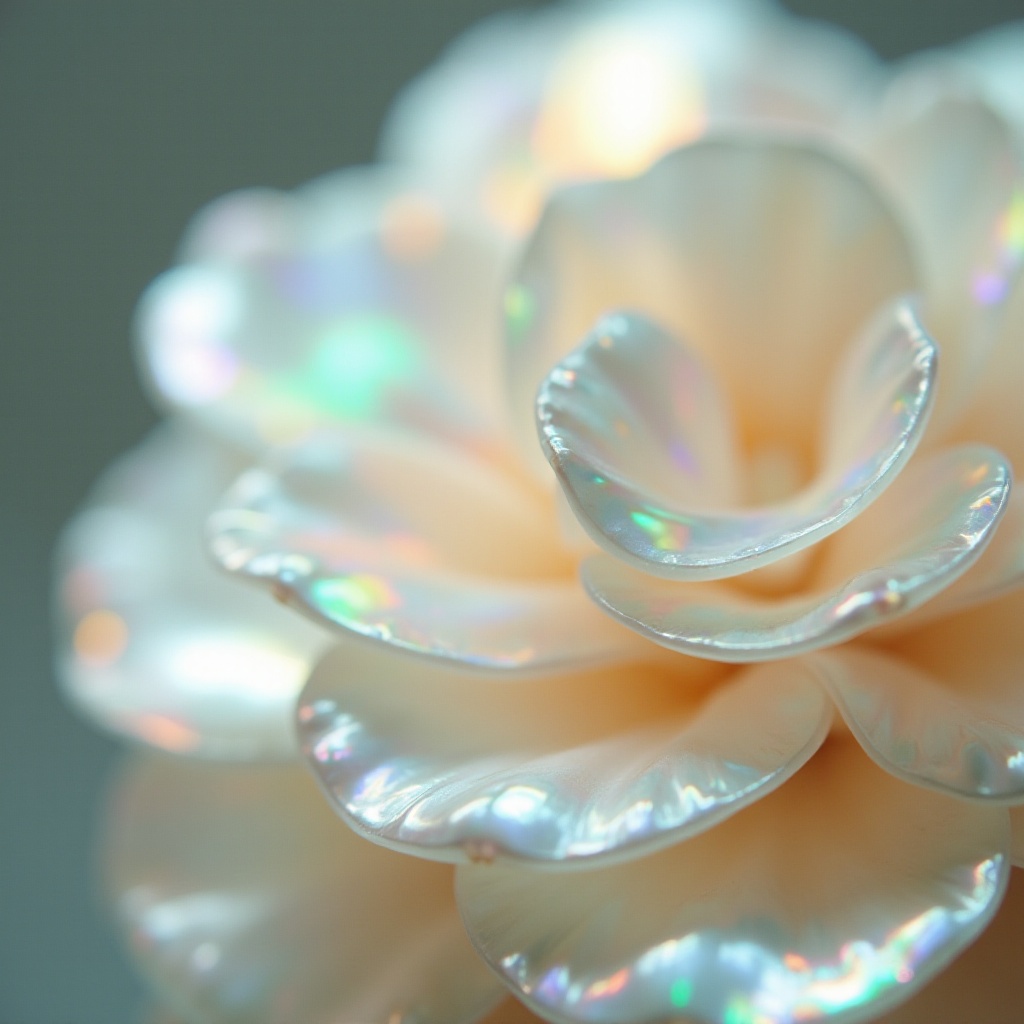
Mother of Pearl comes from the inner lining of the shells of various mollusks, such as oysters, abalones, and mussels. It forms naturally as the mollusk secretes layers of aragonite and conchiolin, which create its signature iridescent surface.
The material is predominantly harvested from marine environments, with some of the highest-quality Mother of Pearl coming from regions like the South Pacific, Australia, and Southeast Asia. Specific mollusk species, like the Pinctada oyster, are commonly known for producing this lustrous substance.
Mother of Pearl is not only used in jewelry but also in decorative arts, buttons, and musical instruments due to its beauty and reflective properties.
What Is Mother of Pearl Made of?
Mother of Pearl is primarily composed of aragonite, a crystalline form of calcium carbonate, and conchiolin, an organic protein. These two components form a layered structure within the mollusk's shell.
The aragonite crystals give Mother of Pearl its smooth, shiny appearance, while the conchiolin binds the crystals together and contributes to the material’s resilience and strength. These layers are built up over time as the mollusk secretes substances to protect itself.
The combination of these elements gives Mother of Pearl its signature iridescent shine, which can reflect a wide spectrum of colors depending on the light. This natural beauty makes it highly sought after in jewelry and decorative items.
How Is Mother of Pearl Made?
Mother of Pearl is naturally produced by certain mollusks, such as oysters, abalones, and mussels, as they secrete layers of material to form their shells. The mollusk begins by secreting a substance called conchiolin, which forms a protective layer.
Over time, the mollusk adds layers of aragonite, a crystalline form of calcium carbonate, onto the conchiolin. This layering process occurs gradually, creating the iridescent shine Mother of Pearl is known for.
The smooth, shiny surface is a result of the overlapping layers of aragonite crystals that reflect light in a way that gives the material its distinctive glow. The process continues throughout the mollusk’s life, creating a strong and lustrous substance that can be harvested for use in jewelry and other decorative items.
Mother of Pearl Vs Pearl?
Mother of Pearl and pearls are both derived from mollusks, but they differ in their formation and use. Mother of Pearl, also known as nacre, is the inner lining of certain mollusk shells, formed from layers of aragonite and conchiolin.
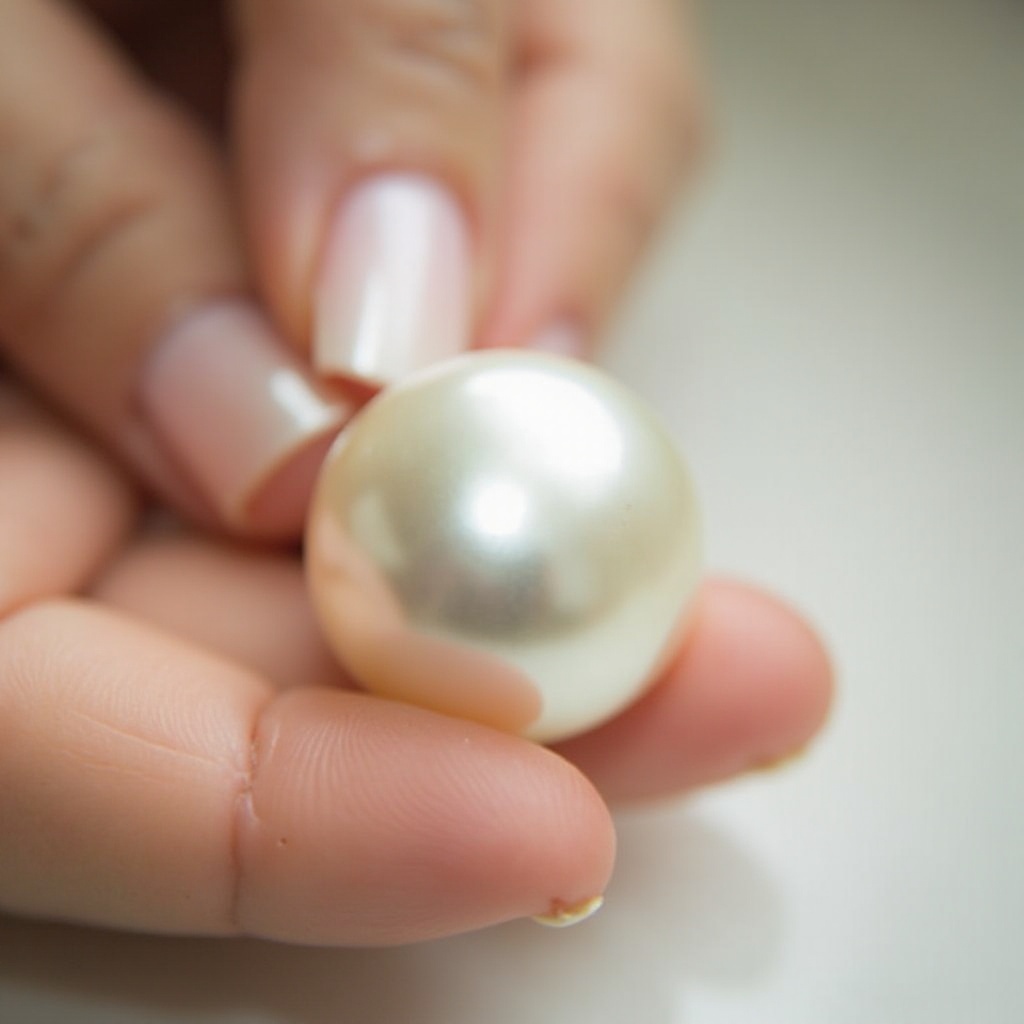
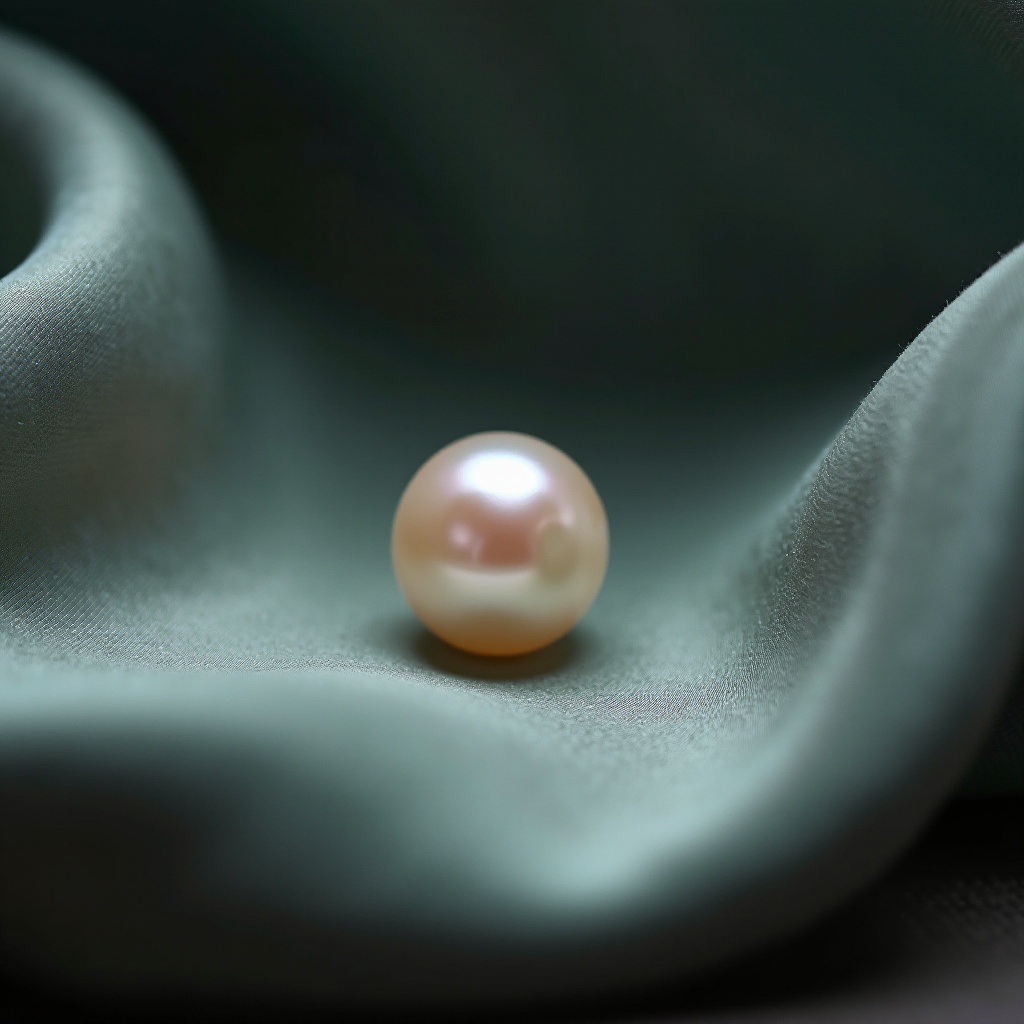
Pearls, on the other hand, are solid, round objects produced by mollusks, typically oysters, as a defense mechanism when irritants enter the shell. Over time, the mollusk secretes layers of nacre around the irritant, forming a pearl.
While both materials share an iridescent appearance, Mother of Pearl is used primarily in inlays, jewelry designs, and decorative items, offering a smooth, shiny surface. Pearls are usually valued for their round shape and used as standalone gemstones in jewelry like necklaces, earrings, and bracelets.
The key difference lies in their structure: Mother of Pearl is a thin, layered lining, while pearls are fully formed, solid objects.
How to Clean Mother of Pearl?
Cleaning Mother of Pearl requires gentle care to preserve its delicate surface. To clean it, use a soft cloth or microfiber towel to wipe away dust and dirt.
For deeper cleaning, mix mild soap with warm water, and dip a soft cloth into the solution. Gently wipe the surface, avoiding excessive moisture. Never submerge Mother of Pearl in water or use harsh chemicals, as they can damage the material.
After cleaning, dry the item with a soft, dry cloth to prevent moisture buildup. Avoid abrasive materials that could scratch or dull the surface.
To maintain its luster, occasionally buff the surface with a dry microfiber cloth. Store Mother of Pearl jewelry in a soft pouch or box to prevent scratches and exposure to extreme temperatures or chemicals.
How to Cut Mother of Pearl?
Cutting Mother of Pearl requires precision and care due to its delicate nature. The best approach is to use a diamond-tipped saw or a fine, wet saw, which helps prevent cracking and chipping during the process.
Before cutting, ensure the Mother of Pearl is properly secured to avoid movement. It is recommended to wear protective gloves and eyewear, as cutting can create sharp edges.
To achieve a smooth, polished finish, use a polishing wheel or fine sandpaper after the cut. Always work slowly, applying minimal pressure to maintain the material's integrity.
For intricate shapes or designs, a lapidary machine with a diamond blade may be used. This ensures a more controlled cut and minimizes the risk of damaging the Mother of Pearl.
What Is So Special About Mother of Pearl?
Mother of Pearl is highly valued for its unique iridescence, which gives it a soft, luminous glow. This natural material forms through the layering of aragonite and conchiolin inside mollusk shells, creating a beautiful, reflective surface.
Its versatility in jewelry is another reason for its appeal. It can be used in a variety of designs, from simple inlays to intricate pieces, making it a popular choice for both luxury and everyday items. Its natural sheen complements gemstones and metals, adding depth and elegance.
Mother of Pearl is also appreciated for its lightweight yet durable nature, making it comfortable for extended wear. Additionally, it holds cultural and symbolic significance in various traditions, representing purity, beauty, and protection. This combination of aesthetic qualities, versatility, and meaning makes Mother of Pearl a highly sought-after material in the jewelry industry.
Is Mother of Pearl Actually Pearl?
No, Mother of Pearl is not the same as a pearl. While both are formed by mollusks, they are distinct materials.
Mother of Pearl, also known as nacre, is the iridescent inner lining of a mollusk shell, formed from layers of aragonite and conchiolin. It is used in jewelry as an inlay or accent due to its beautiful shine and durability.
In contrast, a pearl is a solid, round object that forms when an irritant, like sand or a parasite, enters a mollusk's shell. The mollusk secretes layers of nacre around the irritant to form the pearl.
The key difference lies in their structure: Mother of Pearl is the lining inside the shell, while a pearl is a fully formed object produced by the mollusk as a natural defense.
Why Is Mother of Pearl So Cheap?
Mother of Pearl is relatively inexpensive compared to other precious materials because it is more abundant and easier to harvest. Unlike pearls, which require specific conditions and time to form, Mother of Pearl is simply the inner lining of mollusk shells.
The harvesting process for Mother of Pearl is also less labor-intensive. It doesn't require the same level of cultivation as pearls, which need several years to form inside the mollusk. Since Mother of Pearl is a byproduct of the shellfish industry, it is often readily available in large quantities.
Additionally, while it has an iridescent beauty, it lacks the rarity and high demand that makes pearls, diamonds, and other gemstones more expensive. Its affordability makes it an excellent option for affordable yet elegant jewelry designs.
Why Is It Called Mother of Pearl?
The term "Mother of Pearl" refers to the material’s origin within mollusk shells. It is called "mother" because it is the protective inner lining that nurtures the development of pearls. This iridescent layer forms around the soft body of the mollusk, much like a mother protecting her offspring.
The name also alludes to its nurturing qualities, as the material forms naturally over time as the mollusk secretes layers of nacre to safeguard itself. The luminous sheen of Mother of Pearl is similar to the radiant beauty of pearls, reinforcing its association with the term "mother."