Peridot is a precious gemstone, known for its vibrant green color, typically ranging from yellow-green to olive green. It is the birthstone for August and is formed deep within the Earth’s mantle. Peridot is a variety of olivine, a mineral that forms under high pressure and temperature conditions.
The gemstone is commonly used in jewelry, especially rings, earrings, and necklaces. Its brilliant color makes it a popular choice for both casual and formal designs. Due to its relatively low hardness (6.5-7 on the Mohs scale), peridot should be handled with care to avoid scratches.
How Does Peridot Form?
Peridot forms deep within the Earth’s mantle under high pressure and temperature conditions. It is primarily composed of olivine, a mineral rich in magnesium and iron. As volcanic eruptions bring magma to the surface, peridot is brought up with it.
This gemstone is typically found in basaltic lava and meteorites, where it crystallizes over millions of years. Its formation requires specific conditions, such as high temperatures ranging from 1300 to 1800 degrees Fahrenheit. The green color of peridot comes from iron impurities within its crystal structure.
Peridot Is What Birthstone?
Peridot is the birthstone for the month of August. It is a popular gemstone known for its vibrant green color, symbolizing positivity, strength, and healing. In addition to being the birthstone for August, peridot is also associated with the zodiac sign Leo.
As a birthstone, peridot is believed to bring good fortune, enhance personal growth, and protect the wearer from negative energy. It is a perfect choice for those born in August, especially when crafted into elegant jewelry pieces such as rings, necklaces, and bracelets.
What Is the Peridot Meaning in Jewelry?
In jewelry, peridot symbolizes strength, positivity, and healing. It is believed to bring good fortune, enhance personal growth, and foster emotional balance. The bright green hue of peridot is often associated with renewal, making it a popular gemstone for those seeking to promote change in their lives.
Additionally, peridot is thought to ward off negative energy and protect its wearer from evil. It is a popular choice for August birthdays, as it is the birthstone for that month, and is commonly used in rings, necklaces, and bracelets.
How Much Is Peridot Worth?
The value of peridot varies depending on several factors, including size, color, clarity, and origin. On average, peridot costs between $50 and $400 per carat, though higher-quality stones or larger sizes can fetch prices upwards of $1,000 per carat.
The most valuable peridot stones are those with a rich, vibrant green color, free from inclusions. Origin also plays a role; stones from locations like Myanmar or Pakistan are considered more valuable. The cut and setting in jewelry also affect the price.
Is Peridot Expensive?
Peridot is generally considered an affordable gemstone compared to other precious stones like diamonds or sapphires. The price of peridot typically ranges from $50 to $400 per carat, depending on factors such as color, size, clarity, and origin.
While larger or exceptionally vivid green peridots can command higher prices, it is still one of the more accessible gemstones. The affordability of peridot makes it a popular choice for fine jewelry, especially in rings, necklaces, and earrings, without breaking the bank.
What Color Is Peridot?
Peridot is known for its vibrant green color, ranging from yellow-green to olive green. The most prized peridot stones exhibit a bright, lime green shade, with a slight yellow undertone.
The color intensity of peridot is influenced by the amount of iron in its chemical composition. Stones with a deeper green hue are typically more valuable, while lighter shades of green are more common. Peridot's unique color makes it a popular gemstone for various types of jewelry.
How Hard Is Peridot?
Peridot has a hardness of 6.5 to 7 on the Mohs scale, which makes it moderately durable. While it is suitable for most types of jewelry, it is not as hard as diamonds or sapphires.
This means that peridot can be scratched by harder materials and should be handled with care. To maintain its beauty, it's best to avoid exposing peridot jewelry to rough conditions or harsh abrasives. Proper storage and gentle cleaning will help preserve its shine.
What Are the Main Peridot Stone Benefits?
Peridot is believed to offer several metaphysical benefits. It is thought to bring positive energy, enhance personal growth, and promote emotional healing. The stone is often associated with reducing stress and alleviating feelings of jealousy or resentment.
In addition to its emotional benefits, peridot is considered a protective stone. It is believed to shield its wearer from negative energy and promote strength and vitality. Many also associate it with improving relationships, increasing abundance, and boosting overall well-being.
How Does Peridot Vs Emerald Compare in Color and Value?
Peridot and emerald both have distinct green hues but differ in shade and value. Peridot is known for its bright, yellow-green to olive green color, with a vibrant and fresh appearance. In contrast, emeralds are typically deeper and richer in color, ranging from bluish-green to pure green.
In terms of value, emeralds are generally more expensive than peridots. Emeralds are rarer and have higher demand in the market, often fetching higher prices, especially for larger, high-quality stones. Peridot, while beautiful, is more affordable and accessible for most buyers.
Both stones are popular in jewelry but appeal to different tastes due to their color and price points.
What Does Peridot Spiritual Meaning Represent?
Peridot is often associated with spiritual growth, renewal, and positive transformation. It is believed to bring clarity and help release negative emotions, such as anger and resentment, allowing the wearer to embrace joy and peace.
Spiritually, peridot is considered a stone of abundance, helping to attract prosperity and personal success. It is also thought to enhance creativity, promote self-confidence, and stimulate personal power. Many view peridot as a protective stone, shielding its wearer from negative energies and promoting spiritual healing.
What Are the Healing Properties of Peridot?
Peridot is believed to possess several healing properties, both physically and emotionally. Spiritually, it is thought to promote emotional balance by alleviating stress, anger, and jealousy, while encouraging a sense of peace and joy.
Physically, peridot is said to support the immune system, detoxify the body, and enhance overall vitality. It is believed to help with digestive issues and promote a healthy heart. Some also associate peridot with boosting energy levels and aiding in the recovery from illnesses.
On an emotional level, peridot is known for its ability to encourage personal growth, increase self-confidence, and foster positive change, making it a stone for transformation and new beginnings.
What Does Peridot Symbolize?
Peridot is a symbol of strength, vitality, and personal growth. It is often associated with positive change, renewal, and protection, making it a stone for new beginnings.
In addition to emotional healing, peridot is believed to symbolize abundance and prosperity. Many consider it a stone that helps attract wealth and success while warding off negative energy. Its bright green color also represents growth, balance, and harmony, making it a powerful symbol of rejuvenation in both spiritual and physical aspects of life.
What Are Some Fun Facts About Peridot?
Peridot is one of the oldest gemstones, dating back over 4 billion years. It is formed deep within the Earth’s mantle and brought to the surface through volcanic activity.
One fun fact is that peridot is only found in one color—green—though the shades can range from yellow-green to olive green. Unlike most gemstones, peridot’s color doesn’t change under different lighting conditions.
Peridot is also known as the "evening emerald" because its green color remains vibrant in low light. It is the birthstone for August and is believed to bring luck, happiness, and healing.
Interestingly, peridot has been found in meteorites, making it one of the few gemstones to also come from outer space. This connection with both the Earth and the stars adds to its mystique and charm.
What Does Peridot Look Like?
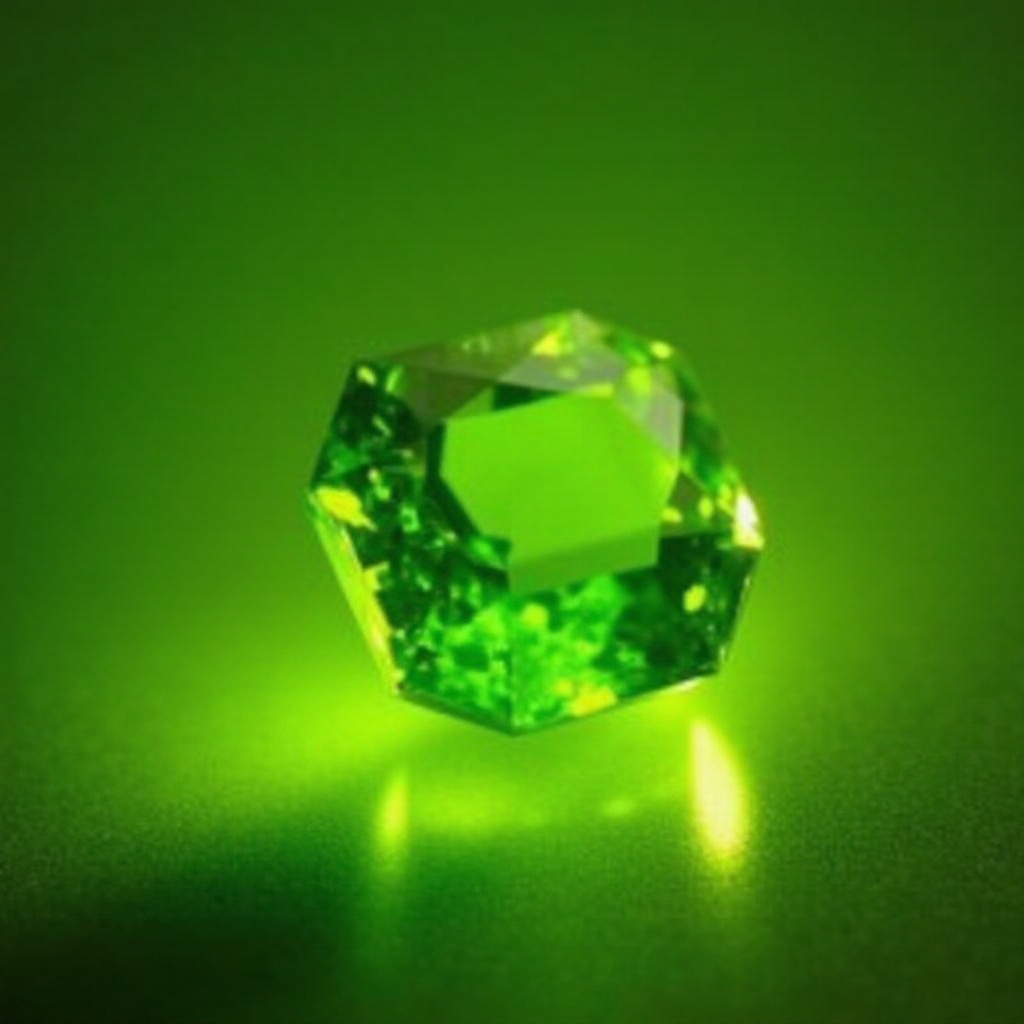
Peridot is a bright, vibrant green gemstone, typically ranging from yellow-green to olive green. The most prized peridots have a vivid lime green hue, with a slightly yellowish undertone.
The stone is transparent with a smooth, glassy luster, and its clarity is highly valued. Peridot is often cut into various shapes, such as round, oval, and cushion, to enhance its brilliance. Its unique color and brightness make it a popular choice for jewelry, standing out against other gemstones with its distinctive green tones.
What Is Peridot Good for?
Peridot is known for its numerous metaphysical benefits. It is believed to promote emotional healing by alleviating negative emotions such as anger, stress, and jealousy. The stone is said to encourage emotional balance, joy, and personal growth.
Physically, peridot is thought to have healing properties that support the immune system, improve digestion, and promote overall vitality. It is also believed to be beneficial for heart health, aiding in circulation and helping to alleviate feelings of fatigue.
In the realm of abundance, peridot is considered a stone that attracts prosperity, success, and positive energy, making it a popular choice for those seeking to enhance their personal or financial growth.
Is Peridot Rare?
Peridot is known for its numerous metaphysical benefits. It is believed to promote emotional healing by alleviating negative emotions such as anger, stress, and jealousy. The stone is said to encourage emotional balance, joy, and personal growth.
Physically, peridot is thought to have healing properties that support the immune system, improve digestion, and promote overall vitality. It is also believed to be beneficial for heart health, aiding in circulation and helping to alleviate feelings of fatigue.
In the realm of abundance, peridot is considered a stone that attracts prosperity, success, and positive energy, making it a popular choice for those seeking to enhance their personal or financial growth.
Is Peridot an Expensive Stone?
Peridot is relatively rare compared to more common gemstones like quartz, but it is not as scarce as other precious stones such as diamonds or emeralds. The most prized peridot stones come from specific locations, such as Myanmar and Pakistan, where the quality and color are exceptional.
The rarity of peridot is also influenced by the fact that it forms under specific geological conditions, requiring high temperatures deep within the Earth’s mantle. Although it is more abundant than some other gemstones, high-quality peridot remains rare and highly valued.
What Is Special About Peridot?
Peridot is special for several reasons, with its vibrant green color being the most prominent feature. Unlike most gemstones, peridot only comes in one color range, from yellow-green to olive green, making it unique among green gemstones.
Another special aspect of peridot is its historical significance. It has been used for thousands of years, with records dating back to ancient Egypt. Peridot is also one of the few gemstones found in meteorites, adding a cosmic connection to its mystique.
Additionally, peridot is associated with various healing properties, such as promoting emotional healing, personal growth, and positive energy. It is the birthstone for August and is believed to bring good fortune and protect its wearer from negative energy.
What Does the Bible Say About Peridot?
The Bible mentions peridot in the Book of Exodus, specifically in Exodus 28:17 and Exodus 39:10, where it is listed as one of the stones used in the Breastplate of the High Priest. Peridot is referred to as "chrysolite" in these passages.
In the context of the Bible, the Breastplate was a sacred garment worn by the High Priest, symbolizing the twelve tribes of Israel. The inclusion of peridot, along with other gemstones, was meant to honor God and represent the divine connection between the priest and the people.
While the Bible does not focus on the specific meaning of peridot itself, its presence as a precious stone reflects its value and significance in ancient times.
Who Cannot Wear a Peridot?
There are no specific restrictions on who can wear peridot based on cultural or religious beliefs. However, individuals with certain allergies or sensitivities to metals, such as nickel or copper, may experience irritation when wearing jewelry containing peridot, as these metals are often used in settings.
Additionally, people with a tendency to engage in physical activities that expose gemstones to rough conditions might want to avoid wearing peridot due to its moderate hardness (6.5 to 7 on the Mohs scale), which can lead to scratches or damage.
Otherwise, peridot is suitable for most people, especially those born in August, as it is their birthstone. It is also commonly worn by those seeking the metaphysical benefits associated with the stone, such as emotional healing and positive energy.