Platinum jewelry is made from one of the rarest and most durable precious metals. Known for its naturally white color and hypoallergenic properties, platinum is highly sought after in fine jewelry. It is resistant to tarnish, ensuring long-lasting shine. Due to its density and strength, platinum is ideal for setting precious stones, providing a secure and lasting hold. This metal is also a symbol of luxury and exclusivity, often used in engagement rings, wedding bands, and high-end accessories.
Platinum jewelry is typically more expensive than gold or silver, owing to the rarity and higher production cost of platinum. Its durability and resistance to wear make it a timeless choice for those seeking both elegance and longevity in their jewelry. However, its weight can be heavier compared to other metals, which may affect the comfort for some wearers. Overall, platinum remains a top choice for those looking for premium quality in their jewelry.
What Color Is Platinum?
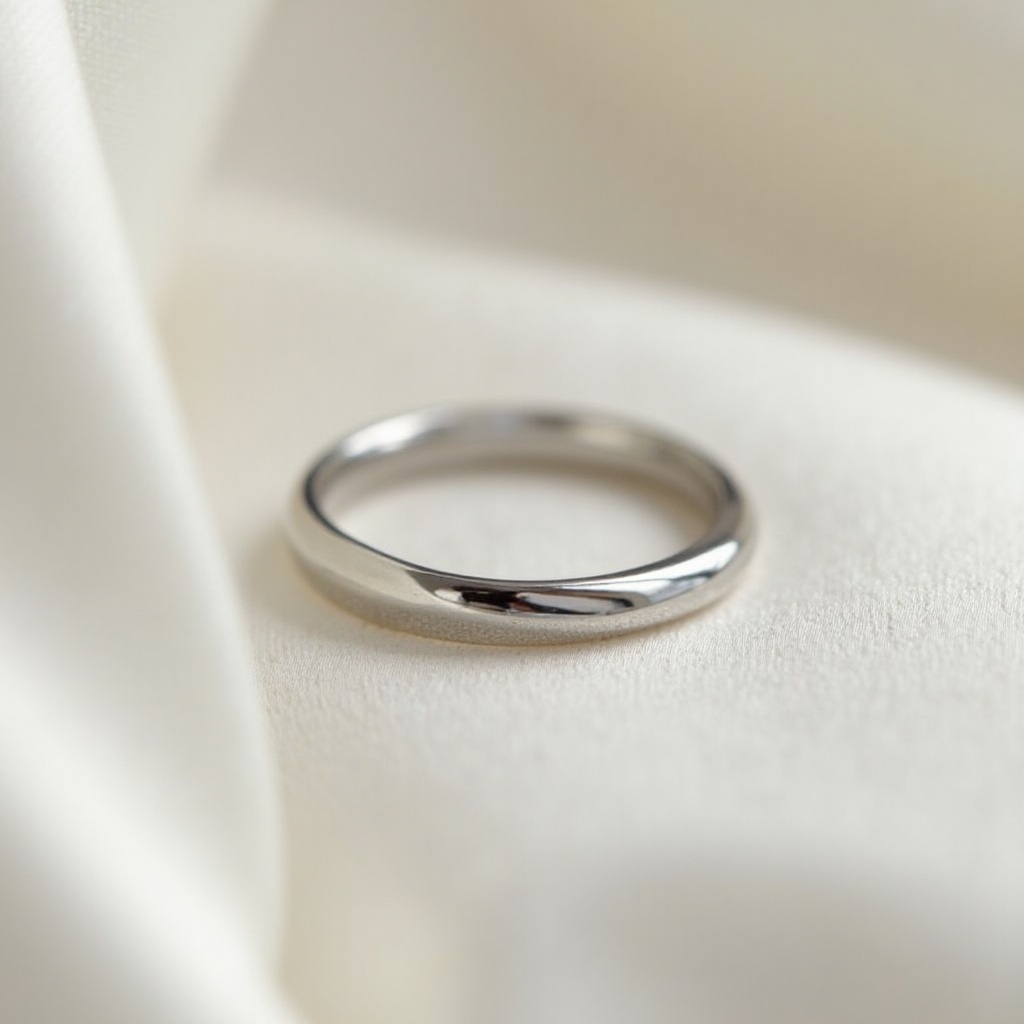
Platinum is naturally a bright, white metal with a subtle silvery sheen. Its color is often described as a pure, silvery-white, making it one of the most attractive choices for fine jewelry. Unlike white gold, which can appear slightly yellowish, platinum maintains its white hue over time without the need for rhodium plating.
The naturally white color of platinum also enhances the brilliance of diamonds and other gemstones, making it a popular choice for engagement rings and other high-end jewelry. Its sleek, understated appearance gives it a sophisticated and timeless appeal.
Platinum Vs 18k Gold: Which Is Better?
When comparing platinum and 18k gold, both metals have unique advantages, making them suitable for different preferences. Platinum is denser, more durable, and hypoallergenic, offering a timeless white sheen that doesn’t fade over time. It is ideal for those seeking a metal that can withstand everyday wear and maintain its appearance for years.
On the other hand, 18k gold is a more affordable option and comes in a variety of shades, including yellow, white, and rose. While it is less durable than platinum, it is still a strong metal and can be more versatile in design.
Platinum’s higher density makes it heavier, while 18k gold tends to be lighter and more malleable, which can result in more intricate designs. If longevity and resistance to wear are a priority, platinum is the better choice. However, for those on a budget or seeking variety in color, 18k gold may be the better option.
Is Titanium Stronger Than Platinum?
Titanium is stronger than platinum in terms of tensile strength, meaning it can endure more force before breaking. It is a highly durable and lightweight metal, making it ideal for both jewelry and industrial applications. Titanium also has a higher resistance to scratching and denting compared to platinum.
However, while titanium is stronger, platinum has its own advantages. Platinum is denser, heavier, and more resistant to wear over time. It is also hypoallergenic and ideal for setting gemstones securely. In terms of luxury and appearance, platinum is often preferred for fine jewelry, especially engagement rings and wedding bands.
So, while titanium may be stronger in terms of pure strength, platinum is a superior choice when considering its overall quality and suitability for high-end jewelry.
Is Platinum Magnetic?
Platinum is not magnetic. It is a non-ferrous metal, meaning it does not contain iron, which is the primary element responsible for magnetism. This makes platinum a desirable option for those who prefer jewelry that is not affected by magnetic fields.
Unlike some metals like iron or nickel, platinum maintains its properties without being influenced by magnets. This characteristic also contributes to its durability and hypoallergenic nature, as it is not prone to corrosion or rust.
So, if you are concerned about magnetism affecting your jewelry, platinum is a great choice for its non-magnetic and stable qualities.
How Is Platinum Jewelry Marked?
Platinum jewelry is typically marked with a stamp or engraving that indicates its purity. The most common platinum hallmark is "PT" or "Plat," followed by a number that denotes the purity, such as "950" for 95% platinum content.
Some countries may also use additional marks to certify authenticity, such as the international symbol "PLAT" or the letters "950" engraved on the inside of a ring or bracelet. These markings ensure that the piece is made from genuine platinum and meets the required standards for quality and purity.
In addition to purity stamps, platinum jewelry may also include the manufacturer's trademark or a certification mark, particularly for pieces sold in high-end jewelry markets.
Is Diamond Better Than Platinum?
Diamonds and platinum are both highly prized in the jewelry industry, but they serve different purposes and have distinct qualities. Diamonds are considered the hardest natural substance, prized for their brilliance, clarity, and beauty. They are typically used as gemstones in jewelry, particularly in engagement rings and other fine pieces.
Platinum, on the other hand, is a metal known for its durability, rarity, and hypoallergenic properties. It is commonly used in settings for diamonds and other gemstones due to its strength and ability to securely hold stones in place.
While diamonds are valued for their visual appeal and symbolic significance, platinum is favored for its strength, longevity, and resistance to wear. So, whether one is "better" than the other depends on the context — diamonds excel as gemstones, while platinum is often the superior choice for metal when durability and elegance are prioritized.
What Is the Difference Between Diamond Pearl and Platinum?
Diamonds, pearls, and platinum are all precious materials used in fine jewelry, but they differ significantly in composition, appearance, and use.
A diamond is a gemstone, known for its incredible hardness, brilliance, and clarity. It is formed under extreme pressure and is often used in engagement rings, earrings, and other high-end jewelry pieces. Diamonds are prized for their sparkle and rarity.
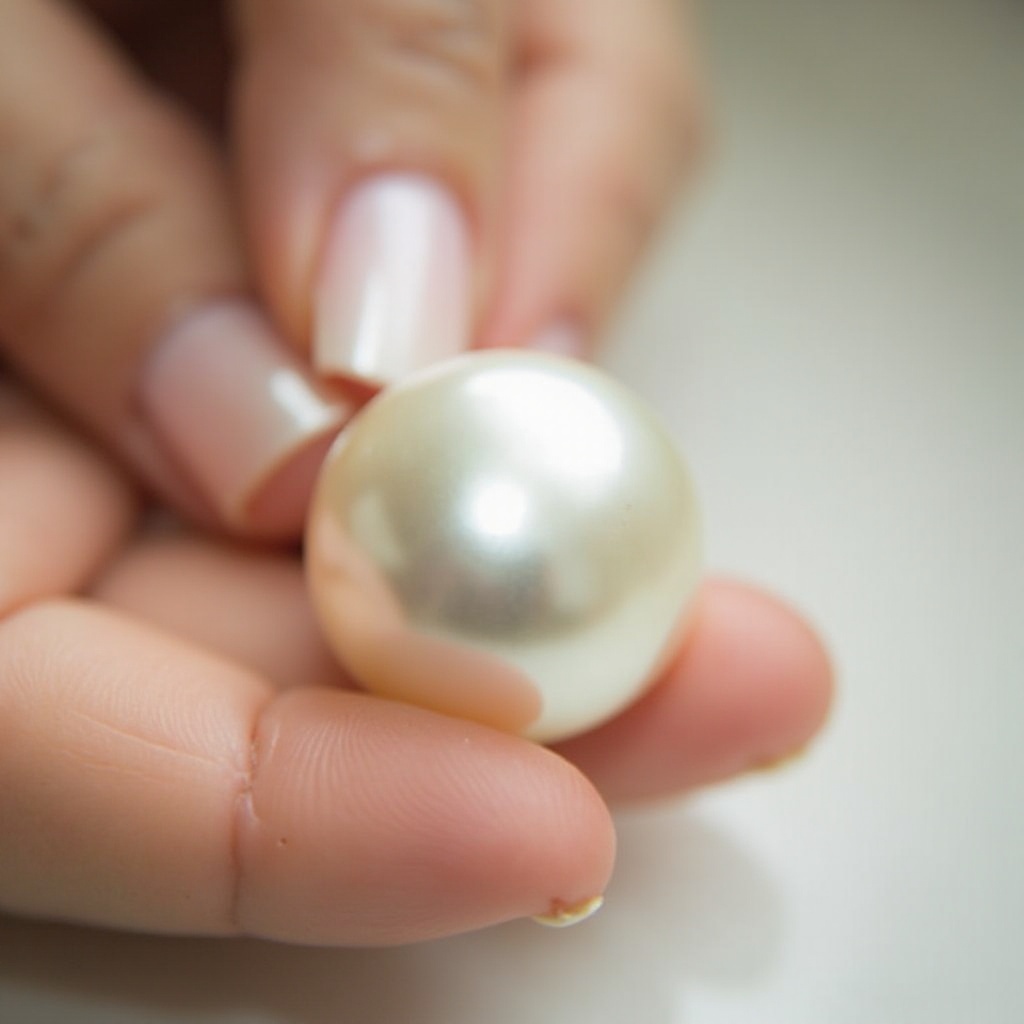
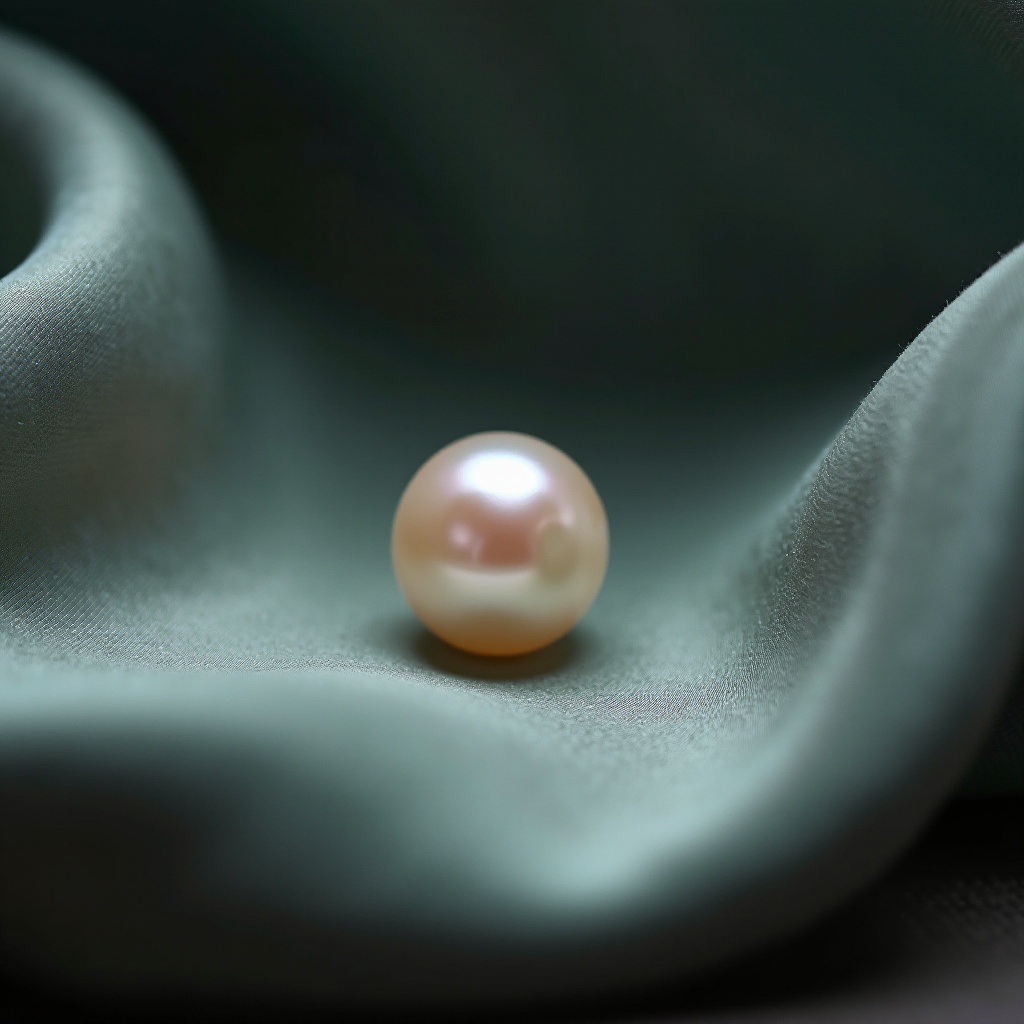
A pearl, on the other hand, is an organic gem produced inside the shell of certain mollusks. Pearls are admired for their luster and smooth, elegant appearance. They are often used in necklaces, earrings, and bracelets, providing a softer, more classic look compared to diamonds.
Platinum is a precious metal, known for its strength, density, and natural white color. It is commonly used for jewelry settings, particularly to hold gemstones like diamonds. Platinum is durable, hypoallergenic, and resistant to tarnishing, making it an excellent choice for engagement rings and wedding bands.
In summary, diamonds are gemstones, pearls are organic gems, and platinum is a metal, each serving different roles in jewelry based on their unique characteristics.
Why Is Platinum So Expensive?
Platinum is expensive due to several factors. First, it is a rare metal, much scarcer than gold, which makes its supply limited. Mining platinum is also more challenging and costly, as it requires extracting it from deep within the Earth.
Additionally, platinum’s density and purity add to its cost. It is often used in its near-pure form (typically 95%), meaning fewer impurities need to be removed compared to other metals. This higher purity increases production costs.
Platinum’s durability and resistance to tarnish make it a desirable choice for fine jewelry, especially engagement rings and wedding bands. Its natural white sheen, hypoallergenic properties, and ability to securely hold gemstones further enhance its appeal, contributing to higher prices.
Lastly, platinum’s status as a luxury metal plays a role in its pricing. It is often considered a symbol of wealth and prestige, driving demand for its use in high-end jewelry.
Is Platinum Undervalued?
Platinum is not necessarily undervalued, but its market price is often lower than gold despite its rarity and durability. Several factors influence platinum’s price, including market demand, economic conditions, and the supply chain.
While platinum is rarer than gold and more difficult to mine, its demand tends to fluctuate. For instance, platinum is used in various industrial applications, including automotive catalysts, which can impact its price based on economic cycles and technological advancements.
Gold, by contrast, has a more consistent demand due to its widespread use in jewelry and as a financial asset. As a result, platinum's price often lags behind gold's, even though its intrinsic qualities make it a superior material for certain uses, like fine jewelry.
In conclusion, while platinum might seem undervalued compared to gold, its price is influenced by complex factors beyond its rarity and quality, including market dynamics and industrial use.
Is Platinum Stronger Than Steel?
Platinum is not stronger than steel in terms of tensile strength. Steel, specifically high-carbon steel, is known for its superior strength and ability to withstand more force before breaking. It is commonly used in construction, tools, and machinery due to its high tensile strength.
However, platinum is denser and more durable in terms of resistance to wear and tarnishing, making it more suitable for jewelry. While steel is stronger in a structural sense, platinum is often preferred in fine jewelry due to its rarity, luster, and hypoallergenic properties.
In summary, steel is stronger in terms of tensile strength, but platinum excels in durability, aesthetic appeal, and its ability to hold gemstones securely.