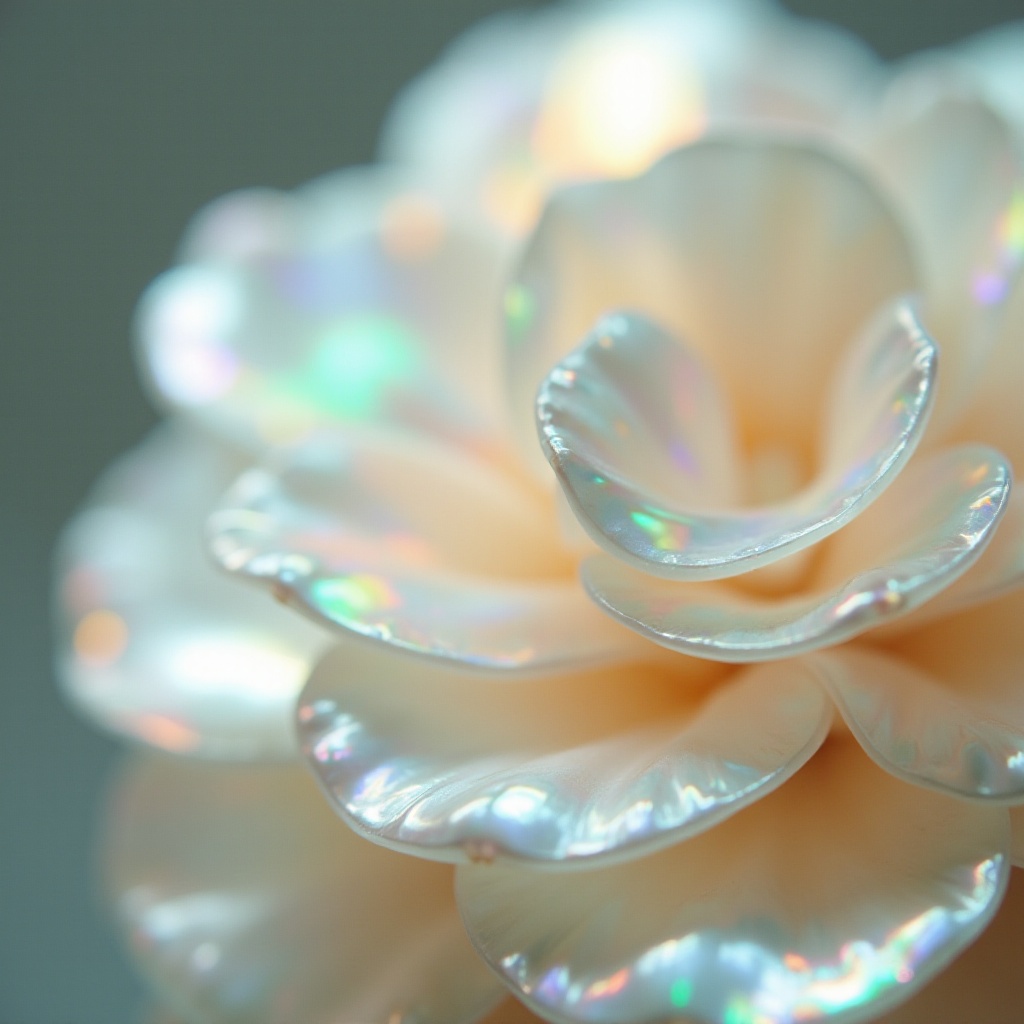
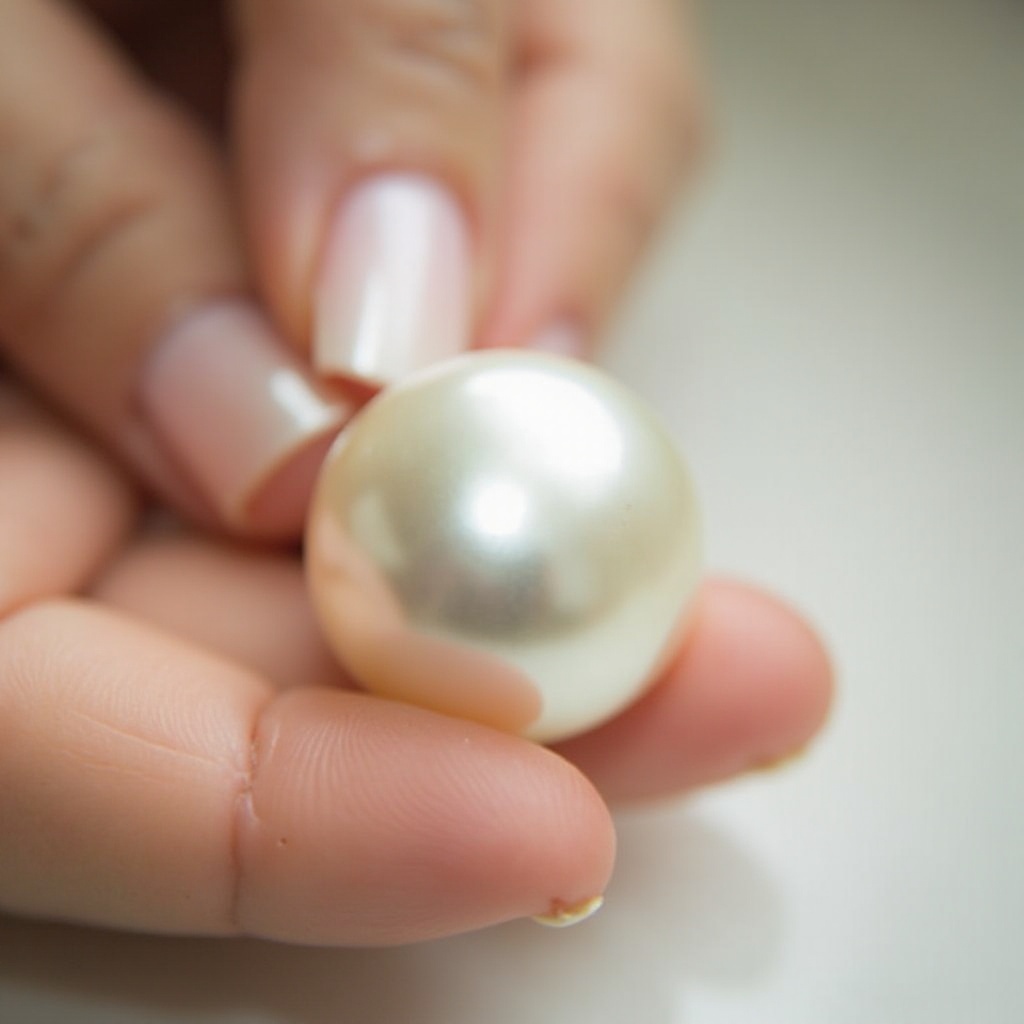
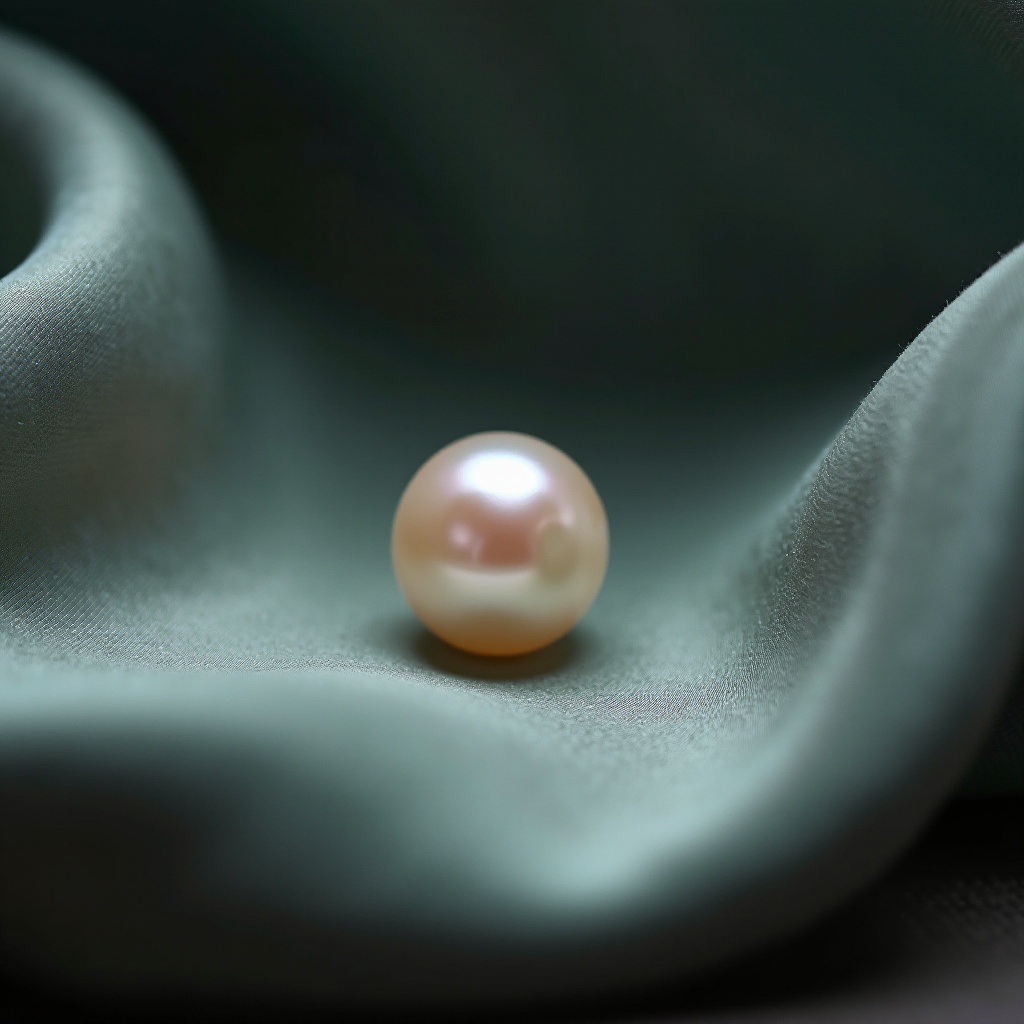
Rock crystal is a clear, colorless variety of quartz, often used in jewelry and decorative objects. It is highly prized for its transparency, brilliance, and hardness, making it a popular choice for both aesthetic and practical purposes.
While rock crystal is technically the same as quartz, it differs in its lack of color or impurities. It can be faceted to create sparkling gems or carved into ornamental shapes. Due to its durability and clarity, rock crystal is often used as a gemstone in rings, necklaces, and bracelets.
It is also historically significant, with ancient civilizations using rock crystal for various purposes, from amulets to carving intricate sculptures. Modern use of rock crystal in jewelry and design remains widespread due to its beauty, affordability, and versatility.
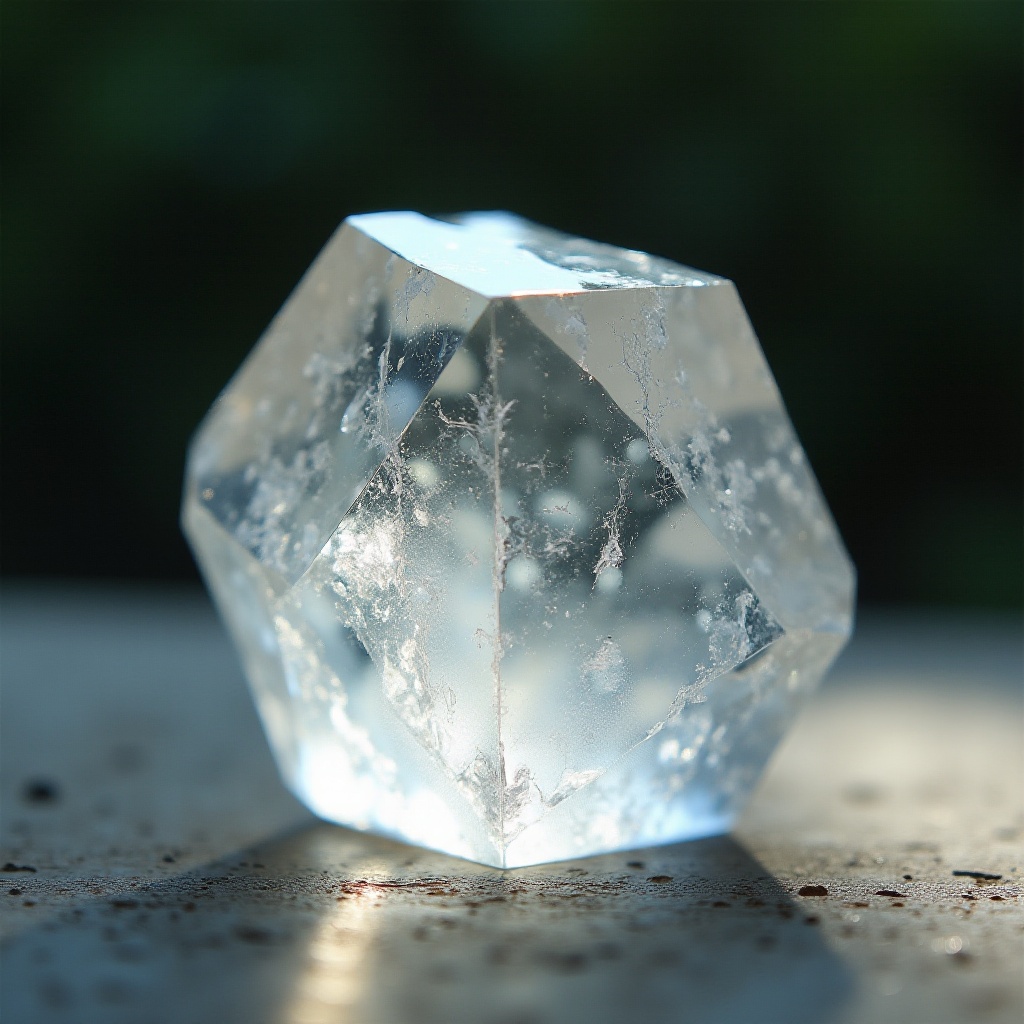
What Is Crystal Quartz?
Crystal quartz, also known as clear quartz, is a transparent, colorless variety of quartz. It is one of the most common and versatile minerals on Earth. Known for its clarity and brilliance, crystal quartz is used in a variety of applications, including jewelry, healing, and electronics.
In the jewelry industry, crystal quartz is highly valued for its aesthetic appeal. Its natural transparency allows light to pass through, creating a brilliant sparkle. It can be cut into various shapes, such as cabochons, beads, and faceted gems, making it ideal for rings, necklaces, and bracelets.
Aside from its beauty, crystal quartz is believed to have healing properties, often used in metaphysical practices to amplify energy, enhance clarity, and promote emotional balance. Although it is a relatively affordable gemstone, its unique qualities make it a popular choice for both decorative and spiritual purposes.
What Is the Rarest Crystal?
Crystal quartz, also known as clear quartz, is a transparent, colorless variety of quartz. It is one of the most common and versatile minerals on Earth. Known for its clarity and brilliance, crystal quartz is used in a variety of applications, including jewelry, healing, and electronics.
In the jewelry industry, crystal quartz is highly valued for its aesthetic appeal. Its natural transparency allows light to pass through, creating a brilliant sparkle. It can be cut into various shapes, such as cabochons, beads, and faceted gems, making it ideal for rings, necklaces, and bracelets.
Aside from its beauty, crystal quartz is believed to have healing properties, often used in metaphysical practices to amplify energy, enhance clarity, and promote emotional balance. Although it is a relatively affordable gemstone, its unique qualities make it a popular choice for both decorative and spiritual purposes.
How Do You Make a Crystal?
The rarest crystal is typically considered to be painite, a borate mineral first discovered in Myanmar. For many years, it was thought to be the rarest mineral on Earth, with only a few known specimens.
Painite is a brownish-red crystal that is exceptionally rare due to its scarcity in nature. It was once listed in the Guinness World Records as the rarest mineral, and even today, only a small number of painite crystals are known to exist.
Other rare crystals include red beryl, taaffeite, and benitoite. Red beryl, also known as "scarlet emerald," is extremely rare, with a scarcity much higher than diamonds. Taaffeite, a violet gemstone often mistaken for spinel, is another incredibly rare crystal. Benitoite, known for its striking blue color, is only found in California and is also considered one of the rarest gemstones.
What Is the Difference Between Lead Crystal Vs Crystal?
Lead crystal and crystal differ primarily in the composition and properties of the material. Lead crystal contains lead oxide, typically around 24% or more, which enhances its weight, brilliance, and clarity. This makes lead crystal more reflective and gives it a "sparkling" appearance. It also has a higher density, making it more durable.
On the other hand, regular crystal, also known as soda-lime glass or simply "crystal glass," is made without lead. It is often composed of silica, soda, and lime. While it can still have a brilliant look, it lacks the same weight and sparkle as lead crystal. Crystal glass is less expensive and more eco-friendly compared to lead crystal.
Both types are used in decorative items and jewelry, but lead crystal is often preferred for its aesthetic appeal in fine glassware and ornaments. However, due to health concerns with lead, some manufacturers now produce lead-free crystal, which mimics the qualities of lead crystal without the risk.
What Is the Difference Between Crystal Vs Gem?
The primary difference between a crystal and a gem lies in their formation, structure, and use. Crystals are solid substances that have a structured arrangement of atoms, molecules, or ions in a repeating pattern. They form naturally through geological processes and can be found in a variety of shapes and sizes. Crystals are often valued for their appearance, energy properties, and metaphysical benefits.
Gems, on the other hand, are specific types of crystals that are rare, durable, and cut or polished to be used in jewelry or as ornamental objects. While all gems are crystals, not all crystals are gems. Gems, like diamonds, rubies, and emeralds, are highly prized for their beauty, rarity, and durability.
In summary, while crystals are naturally occurring minerals with a structured arrangement, gems are a subset of crystals that have been selected for their aesthetic qualities and ability to withstand wear, often cut and polished for use in jewelry.
Is a Crystal a Gem?
A crystal is not necessarily a gem, though all gems are crystals. Crystals are naturally occurring solid substances with a structured arrangement of atoms or molecules, forming in various shapes. They can be found in many forms, including minerals like quartz or amethyst.
A gem, on the other hand, refers to a specific type of crystal that is rare, durable, and aesthetically pleasing. Gems, such as diamonds, rubies, and sapphires, are selected for their beauty and are often cut and polished for use in jewelry.
While crystals have inherent beauty, not all crystals meet the criteria of being a gem. For a crystal to be considered a gem, it must possess certain qualities such as rarity, clarity, and durability, making it suitable for ornamental use.
What Is the Most Expensive Crystal?
The most expensive crystal is generally considered to be the rare and stunning Taaffeite. While Taaffeite is often mistaken for spinel due to its similar appearance, it is much rarer and more valuable. Found in shades of violet, red, and pink, Taaffeite can command prices exceeding $35,000 per carat.
Other rare and expensive crystals include jadeite, a variety of jade prized for its intense green color and rarity, and benitoite, known for its striking blue hue. These crystals are highly valued not only for their beauty but also for their scarcity.
The prices of these crystals depend on factors such as size, quality, color, and origin. Taaffeite, for instance, is valued for its extreme rarity, while jadeite’s price is influenced by its stunning color and historical significance in various cultures.
What Is the Most Powerful Crystal?
The most powerful crystal is often considered to be Clear Quartz, known for its versatility and strong energetic properties. It is believed to amplify energy, enhance clarity, and provide healing benefits. Many practitioners of crystal healing consider Clear Quartz to be the "master healer" due to its ability to work on all levels, emotionally, physically, and spiritually.
Other powerful crystals include Amethyst, known for its calming and protective qualities, and Black Tourmaline, believed to absorb negative energy and provide grounding. Both of these are highly regarded in metaphysical circles.
However, the "most powerful" crystal can vary depending on personal beliefs and intended use. Each crystal is thought to have unique properties that may resonate differently with individuals.
Where to Get Pure Crystal Mhw?
In Monster Hunter World (MHW), Pure Crystals are an item that can be obtained from mining nodes in specific regions. The best locations to find them are in the Rotten Vale, where mining outcrops have a higher chance of yielding Pure Crystals.
Another method to obtain Pure Crystals is by completing certain quests or investigations. Some quests, especially those involving higher-level monsters or specific challenges, reward players with Pure Crystals upon completion.
Additionally, players can use the Expedition mode to explore and gather materials, including Pure Crystals, from various mining spots within the Rotten Vale. It’s important to use mining tools and explore thoroughly to maximize your chances of finding them.
Keep in mind that the drop rate for Pure Crystals can be relatively low, so persistence is key in gathering them for crafting or upgrading weapons and armor.
Crystal Healing Does It Work?
Crystal healing is a practice based on the belief that crystals can influence energy fields around the body and promote physical, emotional, and spiritual healing. Many people claim that crystals help with stress relief, emotional balance, and even pain management.
However, the scientific evidence supporting crystal healing is limited. While some studies suggest potential benefits from the placebo effect or the calming ritual of using crystals, there is no concrete proof that crystals themselves have therapeutic properties.
Despite the lack of scientific validation, crystal healing remains popular among individuals seeking alternative therapies. Many users report feeling more relaxed or emotionally balanced after using crystals, though these effects could also be attributed to personal belief or mindfulness practices.
Ultimately, whether crystal healing "works" can vary from person to person, as its effectiveness largely depends on individual experiences and beliefs.
What Determines the Shape of a Crystal?
The shape of a crystal is determined by its internal atomic structure and the way its molecules or atoms are arranged. As a crystal forms, these atoms align in a repeating pattern, which results in the characteristic shape of the crystal.
The environment in which the crystal forms also influences its shape. Factors such as temperature, pressure, and the availability of space can affect how the crystal grows. For example, in confined spaces, crystals may develop into more irregular shapes, while in open spaces, they can form well-defined geometric shapes.
The type of crystal also plays a role. Different minerals have unique crystal systems, such as cubic, hexagonal, or tetragonal, which determine their overall shape. For instance, a diamond, which forms in a cubic system, naturally grows in a cubic shape, while quartz, which forms in a hexagonal system, develops into long, prism-like shapes.
Ultimately, both the atomic structure and environmental conditions play a critical role in shaping a crystal.
What Does a Crystal Symbolize?
Crystals have various symbolic meanings across cultures, often representing healing, protection, and spiritual growth. Many people believe that crystals can help balance energies, promote emotional healing, and enhance clarity of mind. Each crystal is thought to hold unique properties based on its color, structure, and history.
For example, amethyst is commonly associated with peace, balance, and spiritual growth, while rose quartz symbolizes love, compassion, and emotional healing. Clear quartz, known for its clarity, is often considered a master healer and is believed to amplify energy.
Crystals are also seen as symbols of strength and resilience. Their ability to withstand pressure and time makes them a powerful metaphor for personal growth and endurance. Many people use crystals as tools for meditation, manifestation, and spiritual protection, believing they can connect them with higher energies or strengthen their intentions.
Ultimately, the symbolism of a crystal depends on individual beliefs, but they are often seen as powerful, positive tools for enhancing well-being and connection to the earth and the universe.
Is Lead in Crystal Safe?
Lead in crystal can be safe to use when handled properly, but it poses potential health risks if consumed or ingested. Lead crystal, which contains lead oxide, is commonly used in fine glassware, but the lead content can leach out over time, especially when exposed to acidic substances or prolonged use.
The risk is minimal if lead crystal is used for decorative purposes or occasional drinking, but it is not recommended for regular use with food or beverages, especially acidic liquids like wine or juice. Continuous exposure to lead can lead to health problems, including lead poisoning.
To ensure safety, avoid using lead crystal for food storage or prolonged contact with food and beverages. Many manufacturers now offer lead-free crystal alternatives that retain the aesthetic appeal of traditional lead crystal without the associated risks. These alternatives are a safer option for those concerned about lead exposure.
Does Crystal Have Lead in It?
Not all crystals contain lead, but some types of crystal, particularly lead crystal, do. Lead crystal is a specific type of glass that includes lead oxide, typically around 24% or more, which enhances its clarity, weight, and brilliance. It is commonly used in fine glassware and jewelry.
However, many crystals, such as quartz, amethyst, and garnet, do not contain any lead. These crystals are naturally occurring minerals, and their properties are shaped by their atomic structure and the environment in which they form.
It's important to note that lead crystal is different from other types of crystal. Lead-free alternatives are also available for those who want the aesthetic qualities of crystal without the potential risks associated with lead exposure.