Sterling silver is a high-quality silver alloy composed of 92.5% pure silver and 7.5% other metals, usually copper. This blend gives the silver added strength and durability, making it suitable for use in jewelry, cutlery, and other products.
The high silver content ensures it retains a lustrous appearance, while the small amount of alloy prevents it from being too soft. Sterling silver is widely preferred for its balance of beauty, affordability, and resilience. Over time, it can tarnish, but proper care can help maintain its shine.
Does Sterling Silver Tarnish?
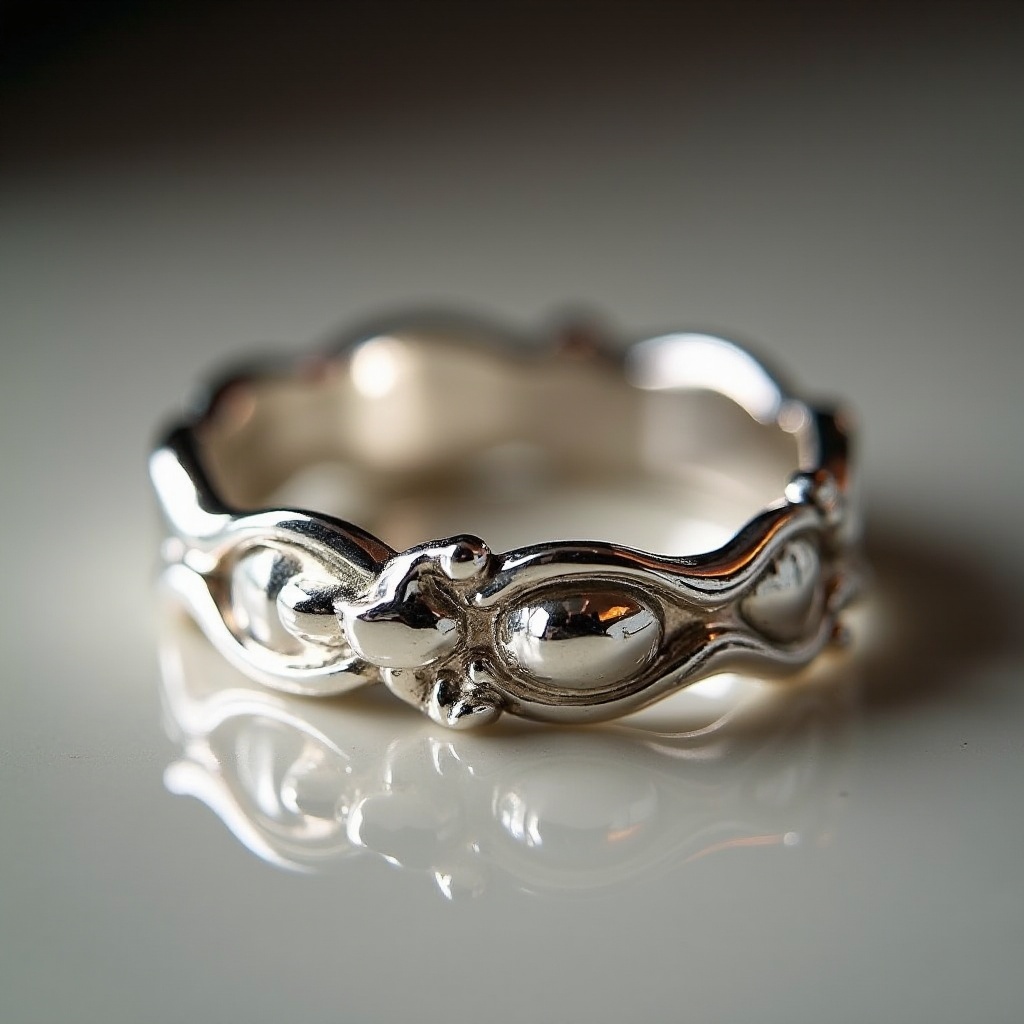
Yes, sterling silver can tarnish over time. Tarnishing occurs when the silver reacts with sulfur and oxygen in the air, forming a layer of silver sulfide on its surface.
The 7.5% alloy content, usually copper, accelerates this process. However, tarnish is not permanent and can be easily removed using a silver polish cloth or cleaner. Regular cleaning and proper storage in anti-tarnish pouches or cloths can help reduce tarnishing.
To prevent tarnish, it's also advised to avoid exposing sterling silver to harsh chemicals, moisture, or excessive air.
Does Sterling Silver Turn Green?
Yes, sterling silver can turn green over time, but this is typically due to the reaction between the alloy, particularly copper, and the acids in sweat, lotions, or air moisture.
When copper reacts with these substances, it forms copper oxide, which can leave a greenish stain on the skin. This is more common in high-humidity conditions or when the jewelry is exposed to prolonged contact with skin.
To prevent this, avoid wearing sterling silver when swimming, using lotions, or in humid environments. Regular cleaning and proper storage can help maintain its appearance and prevent discoloration.
Sterling Silver Vs Silver: What Is the Difference?
The main difference between sterling silver and silver lies in their composition. Sterling silver is an alloy made up of 92.5% pure silver and 7.5% of other metals, typically copper, which enhances its durability.
Pure silver, or fine silver, consists of 99.9% silver, making it softer and more prone to scratching and bending. Because of its higher silver content, fine silver has a brighter appearance but is not as resilient for everyday use as sterling silver.
Sterling silver is preferred for jewelry and items requiring strength, while pure silver is often used for high-end applications or decorative items.
How Much Is Sterling Silver Worth?
The value of sterling silver fluctuates based on the market price of silver, which is determined by factors like supply, demand, and global economic conditions. As of now, sterling silver typically costs around 60-75% of the price of pure silver per ounce.
To calculate its value, multiply the current market price of silver by the percentage of silver in sterling (92.5%). For example, if the price of silver is $25 per ounce, sterling silver would be valued at approximately $23.13 per ounce.
However, the value of sterling silver jewelry or items can also depend on factors like craftsmanship, design, and brand reputation.
How to Polish Sterling Silver?
To polish sterling silver, start by cleaning it with a mild dish soap solution and a soft cloth to remove dirt and oils. Dry the silver thoroughly with a separate clean cloth.
Next, use a silver polish cloth or a special sterling silver polish to gently buff the surface in a circular motion. This will help remove tarnish and restore shine. For intricate designs, use a soft brush to reach small crevices.
For heavy tarnish, a silver cleaner or paste can be used, but always follow the manufacturer's instructions. After polishing, store the silver in an anti-tarnish cloth or pouch to keep it looking its best.
Is Sterling Silver Magnetic?
No, sterling silver is not magnetic. Since it is primarily composed of 92.5% pure silver and 7.5% other metals like copper, neither silver nor copper is magnetic.
Magnetic materials, such as iron, nickel, or cobalt, are not present in sterling silver, so it will not attract magnets. If a piece of jewelry appears to be magnetic, it may contain other materials or alloys that are magnetic, rather than sterling silver.
Can You Shower with Sterling Silver?
It is not recommended to shower with sterling silver jewelry. While sterling silver is durable, frequent exposure to water, soap, shampoo, and other chemicals can cause tarnishing, discoloration, and potential damage over time.
Water and moisture can also loosen any settings or cause corrosion, particularly if the jewelry has been exposed to chlorine or saltwater. To prolong the life and appearance of sterling silver, it's best to remove it before showering or swimming and store it in a dry place.
Is Sterling Silver Waterproof?
Sterling silver is not waterproof. While it is a durable material, constant exposure to water can lead to tarnishing and potential damage. Water, especially when combined with soap, chlorine, or salt, can cause sterling silver to lose its shine and may accelerate tarnishing.
To maintain its appearance, it's best to remove sterling silver jewelry before swimming, showering, or engaging in activities where it may be submerged in water. Proper care and storage can help preserve its beauty.
How to Test Sterling Silver?
To test sterling silver, start by checking for a hallmark or stamp. Authentic sterling silver is usually stamped with "925" or "Sterling," indicating it is 92.5% pure silver.
You can also perform a magnet test. Since sterling silver is non-magnetic, it won't be attracted to a magnet. However, this test is not foolproof, as some non-silver alloys can also be non-magnetic.
For a more accurate test, use a silver testing solution or acid test, which reacts with the metal to confirm if it's sterling silver. Another option is the ice cube test; silver conducts heat efficiently, so placing an ice cube on a silver piece will make it melt faster compared to other metals.
What Percent Silver Is Sterling Silver?
Sterling silver is composed of 92.5% pure silver, with the remaining 7.5% made up of other metals, typically copper. The silver content of sterling silver is denoted as "925," which indicates that 92.5% of the alloy is pure silver.
The addition of copper or other metals helps increase the durability and strength of sterling silver, making it more suitable for use in jewelry and other everyday items.
Does Sterling Silver Change Colors?
Yes, sterling silver can change colors over time. The primary reason for this is tarnishing, which occurs when the metal reacts with sulfur, oxygen, and other elements in the air. This leads to the formation of a dull, dark layer on the surface.
Sterling silver may also develop a yellowish or greenish tint, particularly when it comes into contact with moisture, skin oils, lotions, or certain chemicals. While tarnishing is a natural process, it can be cleaned and polished to restore its original appearance.
Is Sterling Silver or Stainless Steel Better?
Choosing between sterling silver and stainless steel depends on factors like appearance, durability, and price. Sterling silver, composed of 92.5% pure silver, is valued for its bright, shiny finish and is a popular choice for jewelry. However, it is softer and prone to tarnishing over time.
Stainless steel, on the other hand, is more durable, resistant to tarnish, and does not require as much maintenance. It also tends to be more affordable and is hypoallergenic, making it a great option for those with sensitive skin.
In terms of aesthetics, sterling silver has a luxurious look, while stainless steel has a modern, sleek appearance. If you prioritize durability and low maintenance, stainless steel might be the better option. If you're looking for traditional elegance and are willing to maintain it, sterling silver is a great choice.
Can You Put Sterling Silver in Dishwasher?
It is not recommended to put sterling silver in the dishwasher. The high heat, harsh detergents, and exposure to water can cause tarnishing and damage the silver over time. Additionally, the dishwasher's mechanical action may scratch or dent the jewelry or other items.
To preserve the shine and integrity of sterling silver, it is best to wash it by hand using a mild soap solution and a soft cloth. After washing, dry the silver thoroughly to avoid moisture buildup and tarnishing.
Why Does Sterling Silver Tarnish?
Sterling silver tarnishes due to a chemical reaction between the silver and sulfur compounds in the air, which forms a layer of silver sulfide on the surface. The 7.5% alloy content, usually copper, also contributes to the tarnishing process.
Exposure to moisture, sweat, lotions, perfumes, and air pollutants can accelerate tarnishing. The tarnish appears as a dull or dark layer, which can be removed with proper cleaning. While tarnishing is a natural process, proper care can help slow it down.
How Do You Tell Sterling Silver from Silver Plate?
To distinguish sterling silver from silver-plated items, look for a hallmark or stamp. Sterling silver is typically marked with "925" or "Sterling," indicating it is 92.5% pure silver. Silver-plated items, on the other hand, usually lack these marks or have a less specific stamp like "EP" (electroplated).
Another way to test is by checking the weight. Sterling silver is heavier and more substantial than silver-plated items. Additionally, if the item tarnishes over time, it is more likely to be sterling silver, as silver plating will wear off and expose the base metal beneath.
Is Sterling Silver Durable?
Yes, sterling silver is relatively durable, but it is softer than other metals like stainless steel. The alloy, which consists of 92.5% pure silver and 7.5% copper or other metals, provides added strength and resilience.
However, while durable, sterling silver can still be scratched, bent, or tarnished over time, especially with frequent exposure to harsh chemicals or rough handling. To maintain its durability, it is important to care for sterling silver properly by cleaning and storing it in a safe place.
What Is Gold Plated Sterling Silver?
Gold-plated sterling silver refers to sterling silver jewelry or items that have been coated with a thin layer of gold. The process typically involves electroplating, where a layer of gold is applied over the surface of sterling silver to give it a gold-like appearance.
While the underlying metal is sterling silver (92.5% pure silver), the gold plating provides a more affordable alternative to solid gold. However, the gold plating can wear off over time, especially with frequent use, exposing the sterling silver beneath.
What Is Oxidized Sterling Silver?
Oxidized sterling silver is sterling silver that has been intentionally darkened or aged through a chemical process. This is achieved by applying a solution that accelerates the natural tarnishing process, creating a darkened patina on the surface.
The oxidized finish enhances the design and gives the jewelry a vintage, antique, or rustic look. It is commonly used in designs with intricate detailing to emphasize texture and contrast. While the darkened layer can fade over time, it can be restored with a re-oxidizing treatment if needed.
Why Is Sterling Silver So Cheap?
Sterling silver is relatively affordable compared to precious metals like gold and platinum because it is not as rare. The cost of sterling silver is primarily based on the market price of silver, which fluctuates based on supply and demand.
Additionally, sterling silver is an alloy, with only 92.5% of it being pure silver. The remaining 7.5% consists of other metals, typically copper, which helps reduce the cost while increasing durability. While sterling silver is a high-quality material, its pricing is much lower due to these factors compared to other precious metals.