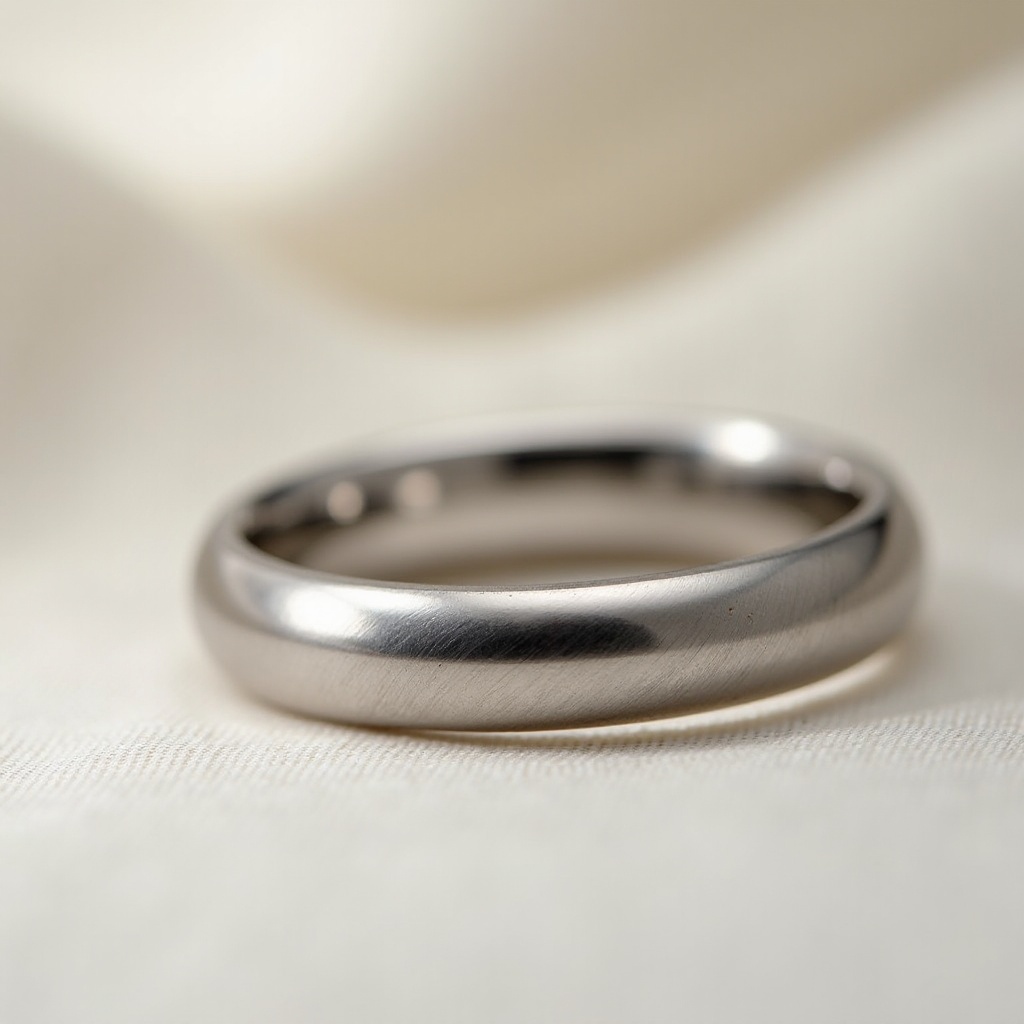
Titanium jewelry is crafted from titanium, a strong, lightweight, and durable metal. Known for its resistance to corrosion and scratches, it is often used in rings, bracelets, and necklaces. Titanium is hypoallergenic, making it an excellent choice for individuals with sensitive skin.
The metal's sleek, modern look and ability to withstand daily wear make it popular for both casual and formal jewelry. It is also more affordable compared to precious metals like gold or platinum, making it a budget-friendly option.
Titanium can be anodized to create different colors, adding versatility to its aesthetic appeal. Due to its strength, titanium jewelry is also lightweight, making it comfortable for long-term wear.
Is Tungsten Stronger Than Titanium?
Yes, tungsten is stronger than titanium. Tungsten has a higher tensile strength, making it more durable and resistant to scratches. It is about 10 times stronger than gold, and while titanium is strong, it is more flexible, which allows it to bend under extreme pressure rather than break.
However, tungsten's increased hardness makes it more prone to cracking under impact compared to titanium, which is more resilient. Both metals are excellent choices for jewelry, but tungsten is often favored for its superior hardness and scratch resistance, while titanium is prized for its lightweight and flexibility.
Titanium Vs Tungsten Jewelry: Which Is Better?
Titanium and tungsten jewelry each have distinct advantages that make them better suited for different buyers. Tungsten is harder and more scratch‑resistant than titanium, making it ideal for those who want jewelry that stays polished and shows minimal wear. Its weightier, solid feel also appeals to people who prefer a substantial piece. However, tungsten is more brittle and can crack or shatter if dropped hard.
Titanium is significantly lighter and more flexible, offering superior comfort for everyday wear. It is highly corrosion‑resistant and hypoallergenic, which benefits those with sensitive skin. While it scratches more easily than tungsten, minor marks can often be buffed out. Titanium’s modern, matte finish is also popular for contemporary styles.
In summary, tungsten is better for maximum scratch resistance and durability, while titanium is better for comfort, flexibility, and long‑term wearability.
Does Titanium Corrode?
Titanium is highly resistant to corrosion, which is one of its standout features. It forms a protective oxide layer when exposed to air, preventing further degradation. This makes titanium jewelry highly durable, even in harsh environments such as saltwater.
Unlike other metals, titanium does not rust or tarnish over time. Its resistance to corrosion makes it a popular choice for both jewelry and industrial applications. However, while titanium itself doesn’t corrode, other materials combined with it, like coatings or alloys, may experience wear or damage.
Does Titanium Oxidize?
Titanium can oxidize, but it doesn’t rust like other metals. When exposed to air, titanium forms a thin oxide layer on its surface, which protects the metal from further oxidation and corrosion. This oxide layer gives titanium its durability and resistance to wear.
The oxide layer on titanium can also create an attractive matte or glossy finish, and it can be anodized to produce different colors. However, titanium’s oxidation is a protective process, not a deteriorating one, and it doesn’t compromise the metal's structural integrity.
What Are the Long-term Effects of Titanium in Body?
Titanium is highly biocompatible, which means it is generally safe for long-term use in the body. It is commonly used in medical implants, such as joint replacements and dental work, without causing adverse reactions.
Over time, titanium does not degrade or corrode in the body, and it is well-tolerated by most people. The metal does not react with body fluids, making it a reliable choice for surgical implants. However, some individuals may experience an allergic reaction to titanium alloys, although this is rare.
When used in jewelry, titanium is hypoallergenic and unlikely to cause skin irritation. Its durability and resistance to wear make it ideal for long-term wear. There are no significant long-term health risks associated with titanium when used properly in the body.
Does Titanium Tarnish?
Titanium does not tarnish in the traditional sense. Due to its resistance to corrosion and oxidation, it maintains its appearance over time. The metal forms a protective oxide layer when exposed to air, which prevents further degradation.
Unlike silver or gold, titanium does not require polishing to keep its shine. It is highly resistant to scratches and tarnish, making it a low-maintenance option for jewelry. However, the oxide layer on titanium can sometimes become dull over time, which can be easily buffed out.
Overall, titanium’s durability and tarnish-resistant properties make it a popular choice for long-lasting jewelry.
Does Titanium Jewelry Rust?
Titanium jewelry does not rust. One of titanium's key properties is its resistance to corrosion, making it highly durable in various environments, including exposure to water and air. Unlike iron-based metals, titanium forms a protective oxide layer when exposed to oxygen, which prevents rust and further corrosion.
This corrosion-resistant feature ensures that titanium jewelry retains its appearance and structural integrity over time. Whether worn daily or exposed to harsh elements like saltwater, titanium remains rust-free, making it an ideal choice for long-lasting jewelry.
What Are the Titanium Jewelry Pros and Cons?
Titanium jewelry offers several advantages. It is lightweight yet strong, making it comfortable to wear while maintaining durability. It is also highly resistant to corrosion, tarnishing, and rust, which ensures long-lasting wear. Titanium is hypoallergenic, making it suitable for individuals with sensitive skin. Additionally, it can be anodized to create different colors, adding versatility to its designs.
However, there are some drawbacks to titanium jewelry. It is more difficult to resize compared to softer metals, meaning adjustments may require professional help. While titanium is durable, it can scratch more easily than some other metals, such as tungsten. Furthermore, titanium jewelry tends to have a more modern, industrial look, which may not appeal to everyone, especially those who prefer traditional precious metals like gold or silver.
Is Titanium Heavy?
Titanium is not heavy compared to many other metals, such as gold, platinum, or tungsten. It is known for its lightweight properties, making it comfortable to wear, especially for extended periods. Despite its strength and durability, titanium is about 45% lighter than steel.
This lightness makes titanium an excellent choice for jewelry, as it offers a sturdy yet comfortable option for rings, bracelets, and necklaces. Its strength, combined with its lightweight nature, gives titanium jewelry a modern, practical appeal.
Is Diamond Stronger Than Titanium?
Yes, diamond is stronger than titanium. Diamond is the hardest known natural material, scoring a 10 on the Mohs scale of hardness, which measures a material's ability to resist scratching. In comparison, titanium ranks much lower on this scale, around 6.
While titanium is incredibly strong and durable, especially considering its lightweight nature, diamond's hardness makes it much more resistant to scratches and damage. However, titanium is more flexible and less brittle than diamond, meaning it’s less likely to crack or shatter under pressure.
Stainless Steel Vs Titanium Jewelry: Which Is Better?
Both stainless steel and titanium offer unique benefits for jewelry, making each better suited for different preferences. Titanium is lighter than stainless steel, making it more comfortable for extended wear. It is also highly resistant to corrosion, tarnishing, and rust, ensuring long-term durability.
On the other hand, stainless steel is heavier and stronger, offering a more solid, substantial feel. It is more affordable than titanium and is also resistant to corrosion, though it may tarnish over time with exposure to certain elements.
In summary, if you value lightweight comfort and hypoallergenic properties, titanium may be the better choice. If you prefer a heavier, more affordable metal with a robust, classic feel, stainless steel could be ideal. Both metals are excellent for daily wear and long-lasting jewelry.
Is Titanium More Expensive Than Gold?
No, titanium is not more expensive than gold. Titanium is a more affordable metal used in jewelry, known for its strength, corrosion resistance, and lightweight feel. In contrast, gold is a precious metal with intrinsic value tied to market pricing per ounce, making it significantly more expensive.
Titanium’s cost remains relatively stable and lower because it is more abundant and not driven by the same investment demand as gold. Gold’s price fluctuates based on global markets, often costing many times more per gram than titanium. For buyers seeking value and durability without a high price tag, titanium jewelry is a budget‑friendly alternative to gold.
Is Titanium More Valuable Than Gold?
No, titanium is not more valuable than gold. Gold has been a precious metal for centuries, valued for its rarity, historical significance, and use in various industries, including jewelry and investments. Its market price is significantly higher than titanium's.
Titanium is a strong, lightweight, and corrosion-resistant metal, but it is much more abundant and less expensive than gold. While titanium offers excellent durability and is highly popular for jewelry, its value is much lower due to its abundance and lower demand in the global market.
What Color Is Desert Titanium?
Desert titanium refers to titanium that has been anodized to achieve a specific color, typically a warm, earthy tone resembling the colors of a desert landscape. The color can range from golden browns to deep copper hues, with subtle variations depending on the anodizing process.
The anodization process creates a thin oxide layer on the titanium, which reflects light in different ways to produce these vibrant colors. Desert titanium is often used in jewelry for its unique, natural look, making it a popular choice for rings, bracelets, and other accessories.
Is Titanium Good for Jewelry?
Yes, titanium is an excellent choice for jewelry. It is lightweight, strong, and highly resistant to corrosion, making it durable for everyday wear. Its hypoallergenic properties also make it ideal for those with sensitive skin.
Titanium can be anodized to produce various colors, adding a unique aesthetic to rings, bracelets, necklaces, and other jewelry pieces. It is also more affordable compared to precious metals like gold or platinum, while still offering a modern and sleek look.
While titanium is scratch-resistant, it may show minor marks over time, but these are often less noticeable than with softer metals. Overall, titanium is a reliable and stylish option for both men's and women's jewelry.
Is Titanium Jewelry Expensive?
Titanium jewelry is generally not considered expensive compared to precious metals like gold, platinum, or diamonds. The cost of titanium is relatively low because it is abundant and more affordable to source and work with than rarer metals.
However, the price of titanium jewelry can vary based on factors like design complexity, craftsmanship, and any additional materials used (e.g., gemstones, custom engraving). While titanium jewelry offers durability and modern appeal, it remains a cost-effective alternative for those seeking high-quality pieces without the hefty price tag of precious metals.