Titanium piercing jewelry refers to body jewelry made from titanium, a lightweight, durable, and corrosion-resistant metal. Known for being hypoallergenic, it is an ideal choice for individuals with sensitive skin or those prone to allergic reactions. Titanium piercing jewelry is commonly used for earrings, nose rings, eyebrow rings, and other body piercings.
This material offers a wide range of colors due to anodizing, including silver, gold, and vibrant hues. It is also highly resistant to tarnishing, making it a long-lasting option for piercings. Titanium is also known for being biocompatible, reducing the risk of irritation or infection.
With its strength and versatility, titanium is favored for both aesthetic appeal and comfort. It's often the preferred material for initial piercings due to its safety and minimal risk of allergic reactions.
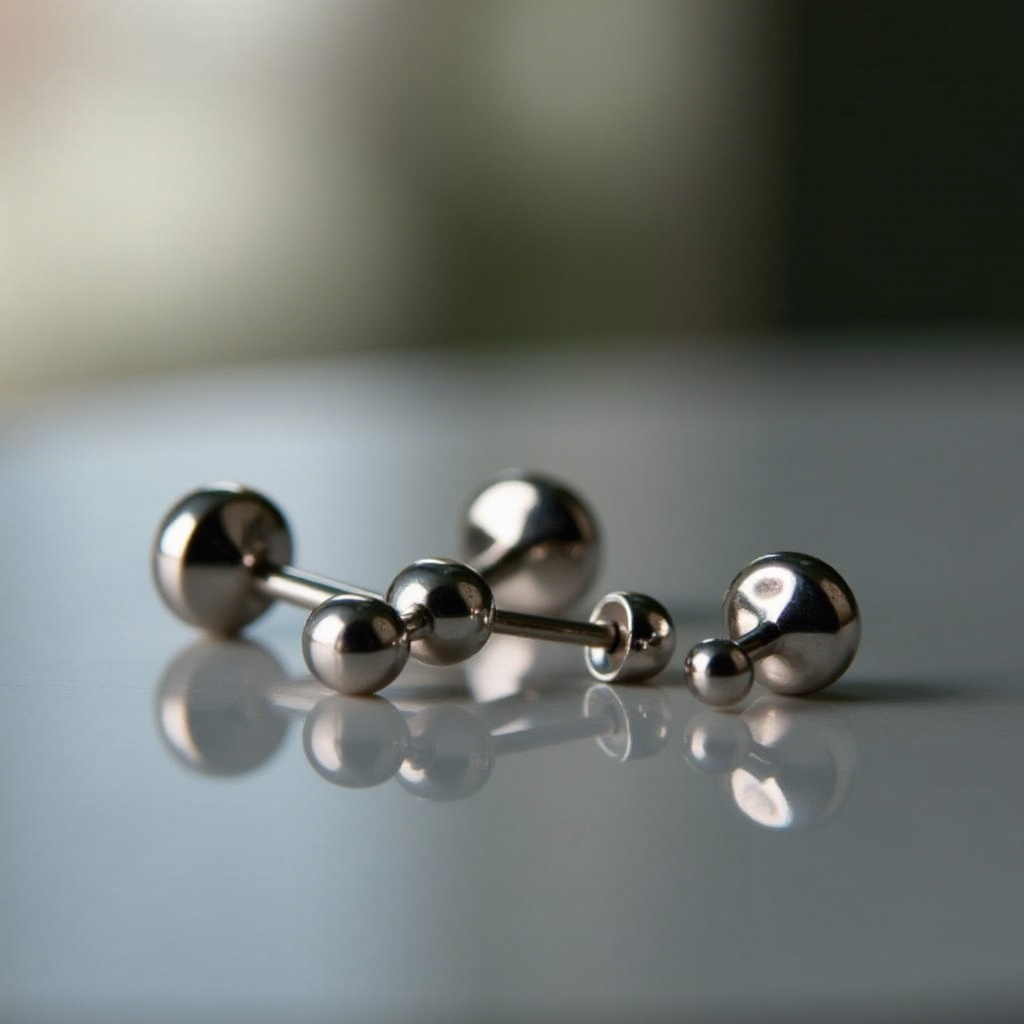
Where to Buy Titanium Belly Button Rings?
There are many reputable places to buy titanium belly button rings, both online and in physical stores. Online retailers often offer the widest selection of styles, sizes, colors, and hypoallergenic options.
Online Jewelry & Body Jewelry Stores
- Specialized body jewelry shops like Urban Body Jewelry offer a wide range of titanium belly rings designed for piercings. citeturn0search0
- Pierced Universe has affordable implant‑grade titanium belly button rings in many designs. citeturn0search3
- BodyCandy carries titanium options alongside other belly ring styles. citeturn0search2
- BodyArtForms offers high‑quality titanium belly piercing jewelry in various finishes. citeturn0search4
- OUFER Body Jewelry’s titanium navel rings are budget‑friendly and hypoallergenic. citeturn0search6
- Painful Pleasures sells precision‑machined titanium belly rings in many sizes. citeturn0search12
Alternative Online Options
- Etsy is a good choice for unique or custom handmade titanium belly button jewelry from independent sellers. citeturn0search5
- Large marketplaces like Amazon also list titanium belly rings from multiple brands (check reviews before buying). citeturn0search11
In‑Person Options You can also check local piercing studios, tattoo shops, or jewelry stores that stock body jewelry — they often carry implant‑grade titanium rings and can help ensure correct sizing. citeturn0search11
What Are the Best Titanium Nose Rings?
Here are some of the best titanium nose rings widely recommended for quality, comfort, hypoallergenic wear, and style:
Top Titanium Nose Ring Picks
- Titanium Nose Studs (L‑Shaped or Screw) – Classic style that sits snugly in nostril piercings; implant‑grade titanium reduces irritation and is ideal for sensitive skin. These studs are versatile, comfortable for daily wear, and often available with small gemstone accents. citeturn0search1
- Titanium Hoops & Clicker Rings – Great for minimalist or statement looks; seamless or hinged clicker designs maintain secure fit and hygiene. Lightweight titanium makes these easy to wear all day without irritation. citeturn0search1turn0search8
- Captive Bead & Segment Rings – Popular for nostril or septum, combining style with a secure fit. Titanium’s hypoallergenic properties make these excellent for new piercings or long‑term everyday use. citeturn0search1
When choosing a titanium nose ring, prioritize implant‑grade titanium (ASTM F136) for best biocompatibility and minimal allergic reaction. citeturn0search2
Tips for Selection
- Ensure correct gauge and diameter to fit your piercing comfortably.
- Consider internally threaded or threadless designs for easier insertion and less tissue irritation. citeturn0search2
These titanium options balance durability, skin safety, and style — making them some of the best choices for titanium nose jewelry in 2026. citeturn0search1
Where to Buy Titanium Nose Rings?
You can buy titanium nose rings from a variety of trusted online and in‑person retailers that specialize in body jewelry. Implant‑grade titanium options are ideal for sensitive skin, new piercings, and everyday wear. citeturn0search1turn0search2
Top Online Places
- BodyArtForms: Wide selection of titanium nose studs, hoops, and clickers in many sizes and finishes. citeturn0search1
- Urban Body Jewelry: Offers anodized and classic titanium nose rings, studs, and hoops with stylish designs. citeturn0search2
- Pierced Universe: Implant‑grade titanium nose rings and studs in various shapes (L‑bend, hoops, push‑in). citeturn0search5
- Body Candy: Trendy and hypoallergenic titanium nose rings with gem and hinged options. citeturn0search4
- Etsy: Unique or custom handmade implant‑grade titanium nose rings from independent sellers. citeturn0search3
- OUFER Body Jewelry: Affordable titanium noses studs and rings, many sold in sets. citeturn0search7
Other Options
- Rosery Poetry: Smaller boutique‑style titanium nose rings, studs, and chains with implant‑grade material. citeturn0search8
- Local piercing studios and jewelry stores often carry quality titanium nose jewelry and can help ensure correct sizing.
Always check material details to ensure implant‑grade titanium (ASTM F136) for best allergy‑friendly performance. citeturn0search14
What Are Titanium Nipple Rings?
Titanium nipple rings are body jewelry specifically designed for nipple piercings, made from titanium, a strong, lightweight, and corrosion-resistant metal. Known for its hypoallergenic properties, titanium is ideal for those with sensitive skin or those prone to allergic reactions.
These rings come in various styles, including barbells, circulars, and captive bead designs, allowing for a range of aesthetics and comfort. Titanium nipple rings are durable, lightweight, and offer a smooth, polished surface that reduces irritation.
One of the main benefits of titanium nipple rings is their resistance to tarnishing and fading, ensuring that the jewelry maintains its appearance over time. They are also favored for initial piercings, as they help minimize healing complications. Many titanium nipple rings feature anodized finishes, allowing for various color options, from classic silver to vibrant hues.
Overall, titanium nipple rings provide both aesthetic appeal and comfort, making them a popular choice for individuals seeking high-quality, safe, and long-lasting body jewelry.
Can You Be Allergic to Titanium?
While titanium is known for being hypoallergenic, it is rare, but possible, to have an allergy or sensitivity to the metal. Titanium itself is generally well-tolerated by most people, as it is biocompatible and resistant to corrosion and staining.
Allergic reactions to titanium are typically caused by traces of other metals in the alloy, such as nickel. Titanium used for body jewelry is usually high-grade (ASTM F136), which contains minimal impurities, reducing the risk of allergic reactions. However, some individuals may still experience irritation or sensitivity, particularly if the titanium alloy contains nickel or other alloys.
If you suspect an allergy to titanium, symptoms might include redness, itching, swelling, or a rash around the pierced area. In such cases, it is recommended to switch to pure titanium or opt for nickel-free titanium jewelry. Always ensure that you are using high-quality, implant-grade titanium for body jewelry, as it is designed to minimize allergic reactions.
What Are the Symptoms of an Allergic Reaction to Titanium?
An allergic reaction to titanium is rare, but it can happen, usually due to trace metals like nickel in titanium alloys. The symptoms of an allergic reaction to titanium may include:
- Redness and swelling around the piercing or jewelry site.
- Itching or rash, which can be localized or spread to surrounding areas.
- Pain or tenderness at the piercing or jewelry contact points.
- Dryness or peeling skin around the affected area.
- Increased sensitivity or irritation when the jewelry moves or is touched.
If any of these symptoms occur, it is essential to remove the titanium jewelry and consult with a healthcare professional. They may recommend switching to high-quality, nickel-free titanium jewelry or other materials like surgical steel or niobium, which are hypoallergenic.
In most cases, these reactions are not severe, but it's important to address them promptly to avoid infection or further complications.
Is Titanium Toxic?
Titanium is not considered toxic to the human body. It is widely used in medical devices, body jewelry, and implants because of its biocompatibility, meaning it does not cause harmful reactions when in contact with the body.
Titanium is resistant to corrosion and does not rust, which minimizes any potential risk of exposure to harmful substances. It is also non-reactive with body fluids and tissues, making it safe for use in a variety of medical and cosmetic applications.
However, allergic reactions to titanium can occur in rare cases, especially when alloys containing nickel or other metals are used. These reactions are typically mild and include symptoms like redness, itching, or swelling.
In general, titanium is regarded as a safe, non-toxic material, and it is commonly used for implants, body piercings, and prosthetics without posing any significant health risks.
Is Titanium Safe in the Body?
Titanium is widely regarded as safe for use in the body due to its biocompatibility. It is commonly used in medical implants, surgical devices, and body jewelry because it does not cause adverse reactions in most individuals. Titanium is resistant to corrosion, non-reactive with body fluids, and highly durable, making it ideal for long-term implantation.
As a hypoallergenic metal, titanium is particularly beneficial for those with sensitive skin or allergies to other metals like nickel. The metal’s smooth surface reduces the risk of irritation or infection when used in body piercings or as part of prosthetics.
In rare cases, some individuals may experience an allergic reaction to titanium alloys that contain trace metals, such as nickel. However, these reactions are generally mild and can be addressed by using nickel-free, high-grade titanium jewelry or medical implants.
Overall, titanium is considered safe for use in the body, with minimal risk of harmful side effects, making it the material of choice for a variety of medical and cosmetic applications.
Is Titanium Hypoallergenic?
Yes, titanium is considered hypoallergenic and is highly suitable for individuals with sensitive skin or those prone to allergic reactions. Titanium is biocompatible, meaning it is well-tolerated by the body and does not cause irritation or sensitivity in most cases.
Unlike some metals, such as nickel or copper, titanium does not trigger allergic reactions like rashes, swelling, or redness. This makes titanium an excellent choice for body jewelry, including earrings, nose rings, and piercings, as well as medical implants.
However, it is important to note that some titanium alloys may contain trace amounts of other metals like nickel, which could potentially cause reactions in a small number of individuals. To ensure the highest level of safety, it’s recommended to choose implant-grade titanium (ASTM F136) that is free from harmful alloys. This guarantees the hypoallergenic properties of the material.
Is Titanium Safe for Piercings?
Yes, titanium is considered safe for piercings due to its biocompatibility and hypoallergenic properties. It is widely recommended by professionals for new piercings, as it is less likely to cause irritation or allergic reactions compared to other metals.
Titanium is durable, lightweight, and resistant to corrosion, making it an ideal material for body jewelry, especially for sensitive areas like the ears, nose, and belly button. Its smooth surface reduces friction, promoting faster healing.
Titanium jewelry, especially implant-grade titanium (ASTM F136), is designed for safe use in the body. This grade is free from harmful alloys like nickel, further minimizing the risk of reactions. The metal’s resistance to tarnishing ensures that it remains safe and attractive over time.
Overall, titanium is a top choice for body piercings, providing both comfort and safety for the wearer.
Is Titanium Antimicrobial?
Titanium is not inherently antimicrobial, but it does have some natural resistance to bacteria and other pathogens due to its corrosion-resistant and biocompatible properties. While it does not actively kill or neutralize microbes like some antimicrobial metals (e.g., copper or silver), titanium's non-reactive surface makes it less likely to harbor bacteria, especially in medical or body jewelry applications.
The smooth surface of titanium reduces the potential for bacteria to accumulate, making it a safer option for piercings, implants, and prosthetics. This makes it a favorable material for long-term wear, as it minimizes the risk of infection during the healing process.
However, titanium should not be relied upon as an antimicrobial agent. For added protection, it’s important to maintain proper hygiene and care of piercings or titanium implants to prevent bacterial buildup and reduce the risk of infection.
Can You Pierce with Titanium?
Yes, you can pierce with titanium, and it is actually a highly recommended material for initial piercings. Titanium is favored by professional piercers due to its hypoallergenic and biocompatible properties, making it ideal for individuals with sensitive skin or those prone to allergic reactions.
Titanium is lightweight, durable, and corrosion-resistant, making it an excellent choice for body jewelry that will remain in place during the healing process. It promotes faster healing compared to other metals, as it is less likely to cause irritation or infection.
When selecting titanium jewelry for a new piercing, it's important to choose implant-grade titanium (ASTM F136), which is free from harmful alloys like nickel. This ensures the highest safety and reduces the risk of reactions.
In summary, titanium is an excellent material for piercing, offering comfort, safety, and durability throughout the healing period.