White sapphire is a colorless variety of the sapphire gemstone, a member of the corundum family. It is composed of aluminum oxide and is known for its durability, ranking 9 on the Mohs hardness scale. White sapphires are often used as a more affordable alternative to diamonds in engagement rings and other fine jewelry due to their similar appearance.
While not as brilliant as diamonds, white sapphires still exhibit a strong sparkle, and their clarity and colorless appearance make them a popular choice in modern jewelry. Unlike diamonds, white sapphires are less expensive and are considered a more ethical choice, as they are often lab-created. White sapphires can be found in various jewelry pieces, including rings, necklaces, and earrings.
How Does Diamond Vs White Sapphire Compare?
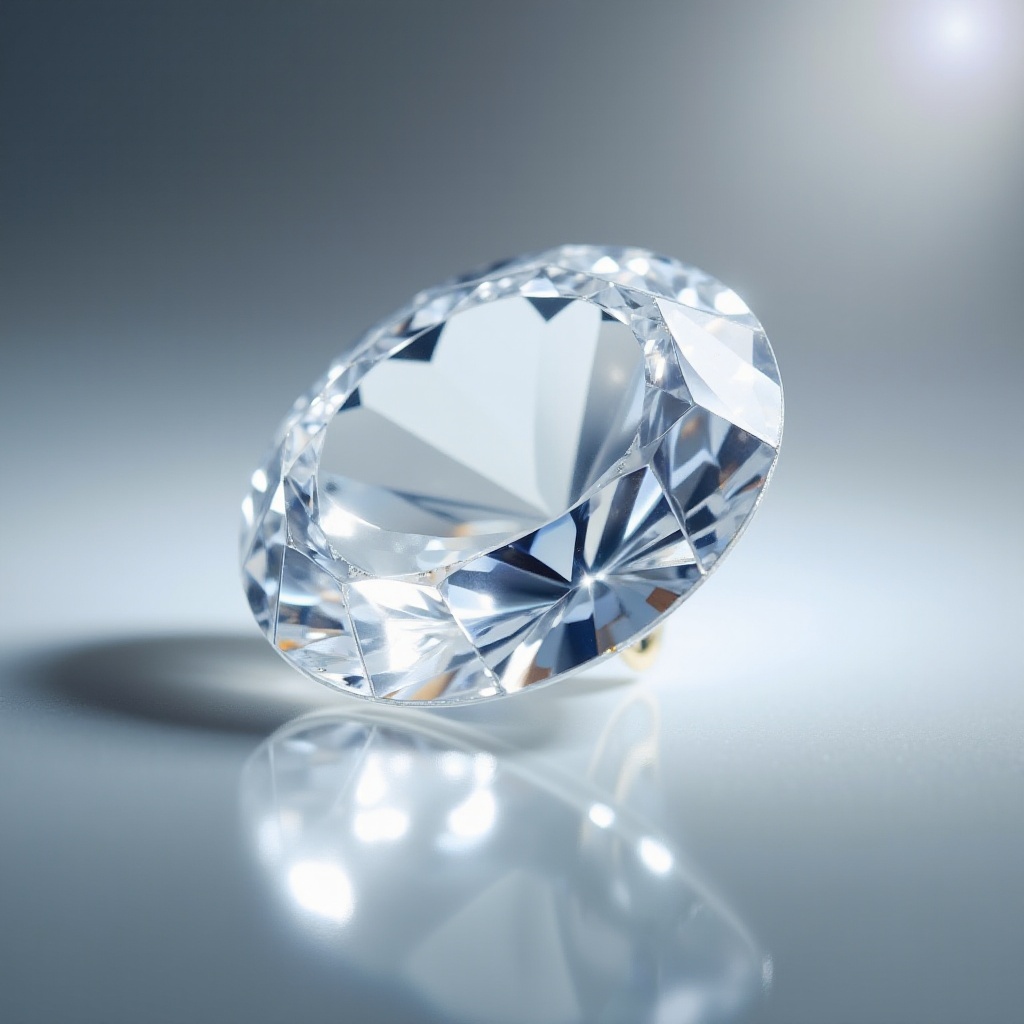
Diamonds and white sapphires are both popular choices for fine jewelry, but they differ in several key aspects. Diamonds are formed under extreme pressure and are composed of pure carbon, making them the hardest natural material on the Mohs scale, ranking 10. This gives diamonds superior durability and brilliance, making them the top choice for engagement rings.
White sapphires, on the other hand, are a more affordable alternative. Although they are also durable, ranking 9 on the Mohs scale, they are less brilliant and sparkle less than diamonds. White sapphires have a subtle shine and a more subdued appearance.
In terms of cost, diamonds are significantly more expensive than white sapphires due to their rarity, hardness, and popularity. White sapphires offer a similar colorless look at a fraction of the price, making them a preferred choice for those seeking a budget-friendly, ethical option.
While diamonds are often seen as the ultimate symbol of luxury, white sapphires are a practical choice for those who desire a similar aesthetic without the high cost.
Does White Sapphire Get Cloudy?
White sapphires can become cloudy over time, but this is typically due to external factors such as dirt, oil, or other residues that accumulate on the surface. Unlike diamonds, which maintain their brilliance with minimal care, white sapphires require regular cleaning to preserve their clarity and appearance.
The cloudiness that sometimes appears in white sapphires is not caused by internal flaws but by the buildup of substances on the stone's surface. Proper cleaning, such as using a mild soap solution and a soft cloth, can help restore the sapphire's clarity and shine.
In contrast to diamonds, which can maintain their brilliance for a longer period due to their hardness, white sapphires may show signs of wear and dullness more easily. Regular maintenance and care, including avoiding harsh chemicals or physical damage, can prevent or reduce cloudiness, allowing the sapphire to maintain its beautiful, colorless appearance.
Is White Sapphire Real?
Yes, white sapphire is a real gemstone. It is a natural variety of sapphire, which belongs to the corundum family, the same family that includes rubies. White sapphires are composed of aluminum oxide and are colorless, giving them a similar appearance to diamonds.
White sapphires are often used as an alternative to diamonds in jewelry due to their similar look and lower cost. They are naturally occurring, though they can also be lab-created in controlled environments. Both natural and lab-created white sapphires are considered real gemstones.
While white sapphires are real and genuine gemstones, they are distinct from diamonds. They differ in terms of hardness, brilliance, and sparkle, with diamonds being the hardest and most brilliant material. Despite these differences, white sapphires are highly valued for their durability and their ability to mimic the appearance of diamonds at a more affordable price.
Is White Sapphire Good for Everyday Jewelry?
Yes, white sapphire is a good choice for everyday jewelry due to its durability. With a hardness of 9 on the Mohs scale, it is second only to diamonds in terms of scratch resistance. This makes it suitable for rings, bracelets, and necklaces worn daily.
While white sapphires are durable, they may require regular cleaning to maintain their clarity, as they can accumulate dirt and oils from daily wear. They are less brilliant than diamonds but still offer a sparkling, colorless appearance.
For everyday use, white sapphires are an excellent alternative to diamonds, offering a similar aesthetic at a more affordable price. However, they should still be handled with care to avoid damage from harsh chemicals or impacts. Regular maintenance can help keep them looking their best.
Do White Sapphires Look Like Diamonds?
Yes, white sapphires do resemble diamonds in appearance, primarily due to their colorless and transparent nature. Both gemstones have a similar visual appeal, making white sapphires a popular, more affordable alternative to diamonds in fine jewelry.
However, while they share a similar color and clarity, white sapphires differ in terms of brilliance and sparkle. Diamonds are more brilliant due to their superior light dispersion, which creates more intense sparkle. White sapphires, while still eye-catching, have a more subdued shine compared to diamonds.
The differences are more noticeable in direct light, where diamonds tend to have more fire and brilliance. White sapphires have a more subtle luster, but for those seeking a diamond-like appearance on a budget, they are a great option.
Are White Sapphires Valuable?
White sapphires are valuable, but they are generally less expensive than diamonds. Their value depends on factors such as size, quality, and origin. While they are durable and visually appealing, they do not command the same high prices as diamonds.
White sapphires are often sought after for their affordability compared to diamonds, especially in engagement rings and fine jewelry. They offer a similar colorless appearance but at a fraction of the cost. Additionally, lab-created white sapphires tend to be more affordable than natural ones.
Despite being less expensive, white sapphires are still considered precious gemstones. Their value is determined by factors like clarity, cut, and carat weight. High-quality white sapphires with good color and clarity can still fetch a higher price, but they remain a more budget-friendly option than diamonds.
Is White Sapphire a Diamond?
No, white sapphire is not a diamond. While both are colorless gemstones, they belong to different mineral families. White sapphire is a variety of the corundum family, made of aluminum oxide, while diamonds are composed of pure carbon.
Diamonds are the hardest natural material, ranking 10 on the Mohs scale of hardness, whereas white sapphires rank 9. This makes diamonds more durable and brilliant due to their superior light dispersion. White sapphires, though durable, have a more subdued sparkle.
Though white sapphires are often used as an affordable alternative to diamonds in jewelry, they are distinct gemstones with different characteristics. They share a similar appearance but differ in terms of hardness, brilliance, and overall value.
What Is the Meaning of White Sapphire?
White sapphire is a gemstone that symbolizes purity, wisdom, and spiritual enlightenment. It is a colorless variety of sapphire, belonging to the corundum family, and is often associated with calmness and clarity of mind.
In the world of gemstones, white sapphires are believed to bring mental clarity and enhance one’s ability to make clear decisions. They are also thought to promote balance and inner peace, making them a popular choice for those seeking emotional stability.
While white sapphires do not carry the same traditional symbolism as diamonds, they still represent strength, resilience, and wisdom. Their significance in jewelry can also reflect a desire for lasting beauty and durability, thanks to their hardness and timeless appearance.
How Does White Sapphire Cost Vs Diamond Compare?
White sapphires are significantly more affordable than diamonds. While diamonds can cost thousands of dollars per carat, white sapphires are generally priced at a fraction of that cost. This price difference is due to the rarity and superior qualities of diamonds, such as their exceptional brilliance and hardness.
The cost of a white sapphire depends on factors like size, clarity, and whether it's natural or lab-created. Even high-quality white sapphires are typically much more budget-friendly compared to diamonds.
For those seeking a diamond-like appearance at a lower price point, white sapphires are an attractive alternative. Despite the cost difference, white sapphires still offer durability and a similar colorless look, making them ideal for engagement rings and other fine jewelry.
What Are Lab Created White Sapphires?
Lab-created white sapphires are gemstones that are synthetically produced in a laboratory using high-pressure, high-temperature methods or chemical vapor deposition. They are made from the same material as natural white sapphires—aluminum oxide—but are created without the need for mining.
These lab-grown stones have the same physical, chemical, and optical properties as their natural counterparts. They are virtually indistinguishable from natural white sapphires, both in appearance and durability. Lab-created white sapphires are typically more affordable than natural ones, making them an attractive option for those seeking a cost-effective alternative.
In addition to being more affordable, lab-created white sapphires are considered an ethical and environmentally friendly choice, as they do not involve the mining process. They are widely used in fine jewelry, offering the same aesthetic appeal as natural stones but at a fraction of the price.