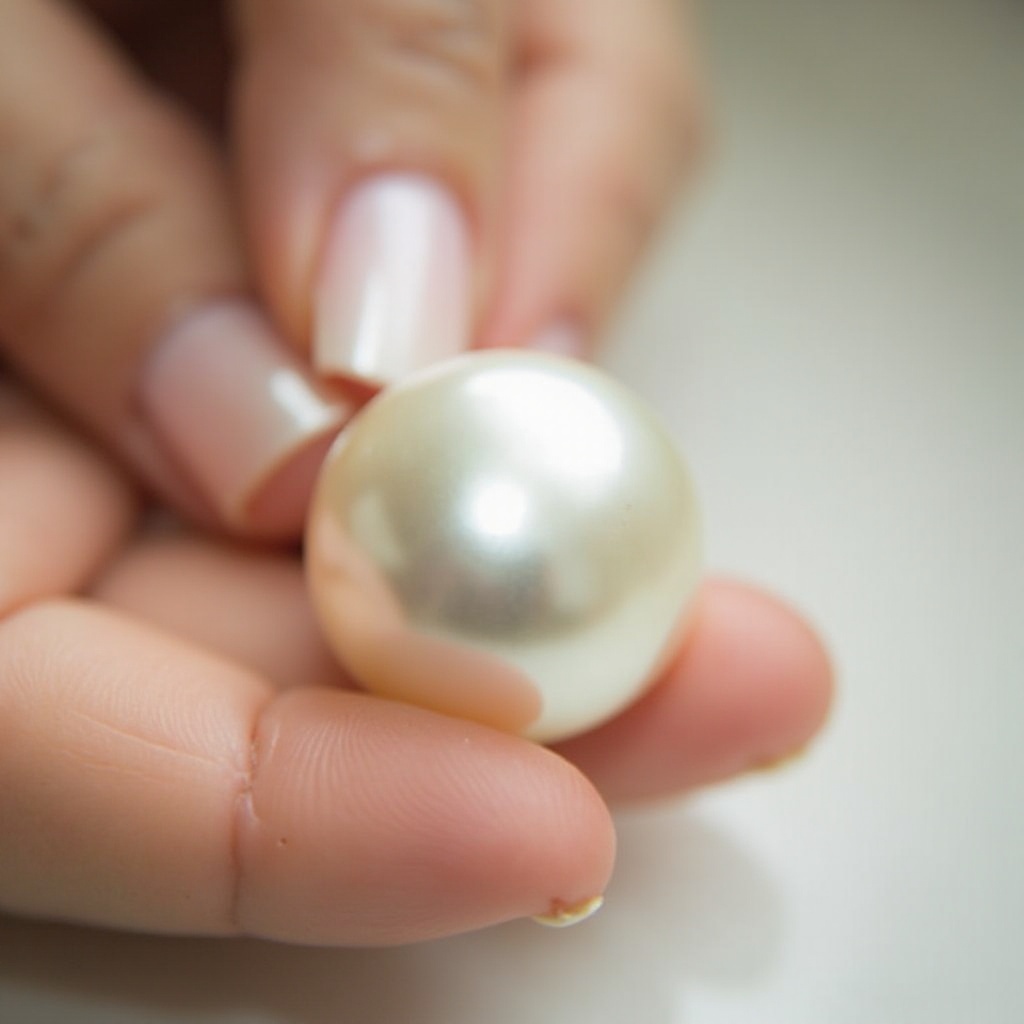
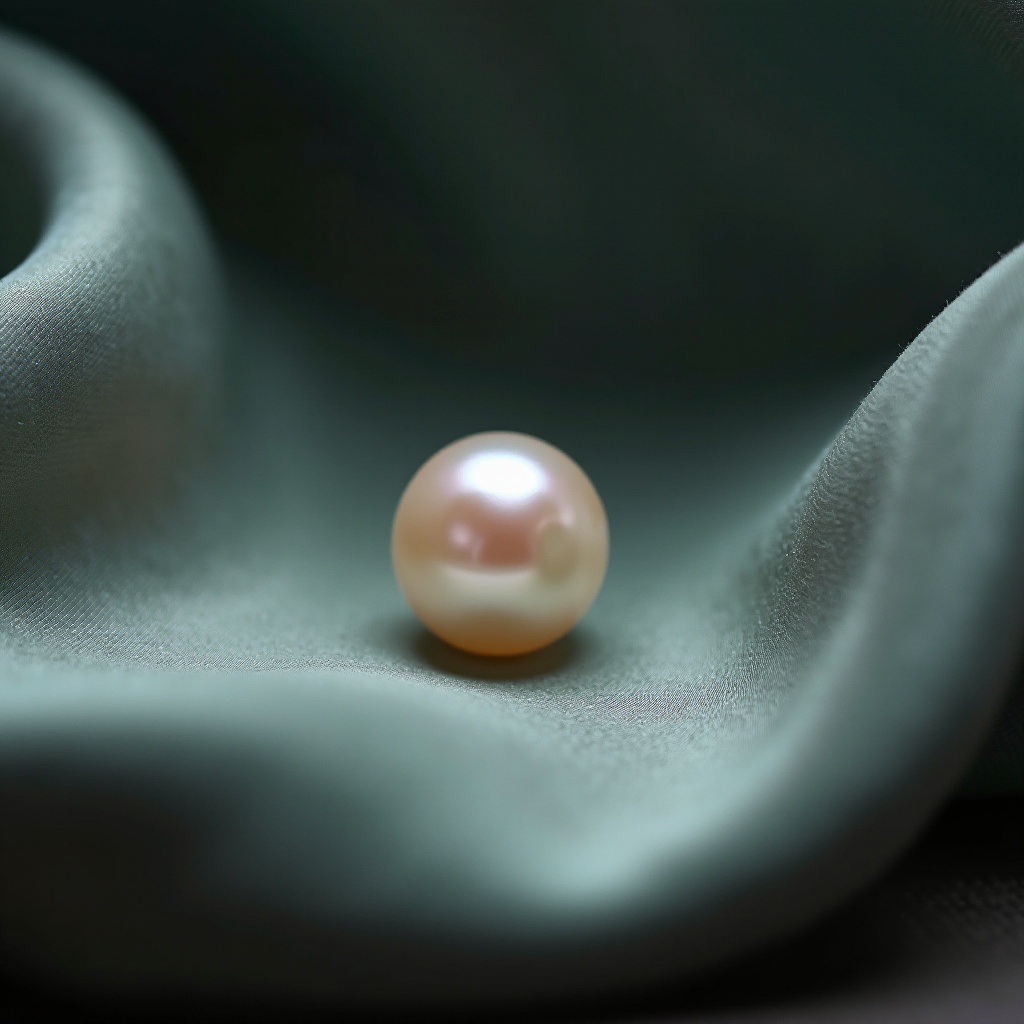
A pearl is a natural gemstone produced within the soft tissue of a living shelled mollusk, such as an oyster or mussel. It forms when an irritant, like a grain of sand, enters the mollusk's shell. In response, the mollusk secretes layers of nacre, a substance made of calcium carbonate, around the irritant. Over time, these layers build up, creating a pearl.
Pearls are highly valued for their lustrous appearance and are used in jewelry, including necklaces, earrings, and rings. They come in various types, such as freshwater, saltwater, and cultured pearls, with color, shape, and size being influenced by the mollusk species and the environment in which the pearl forms. Pearls have a timeless appeal, symbolizing elegance, luxury, and refinement in the jewelry industry.
Is Pearl a Birthstone?
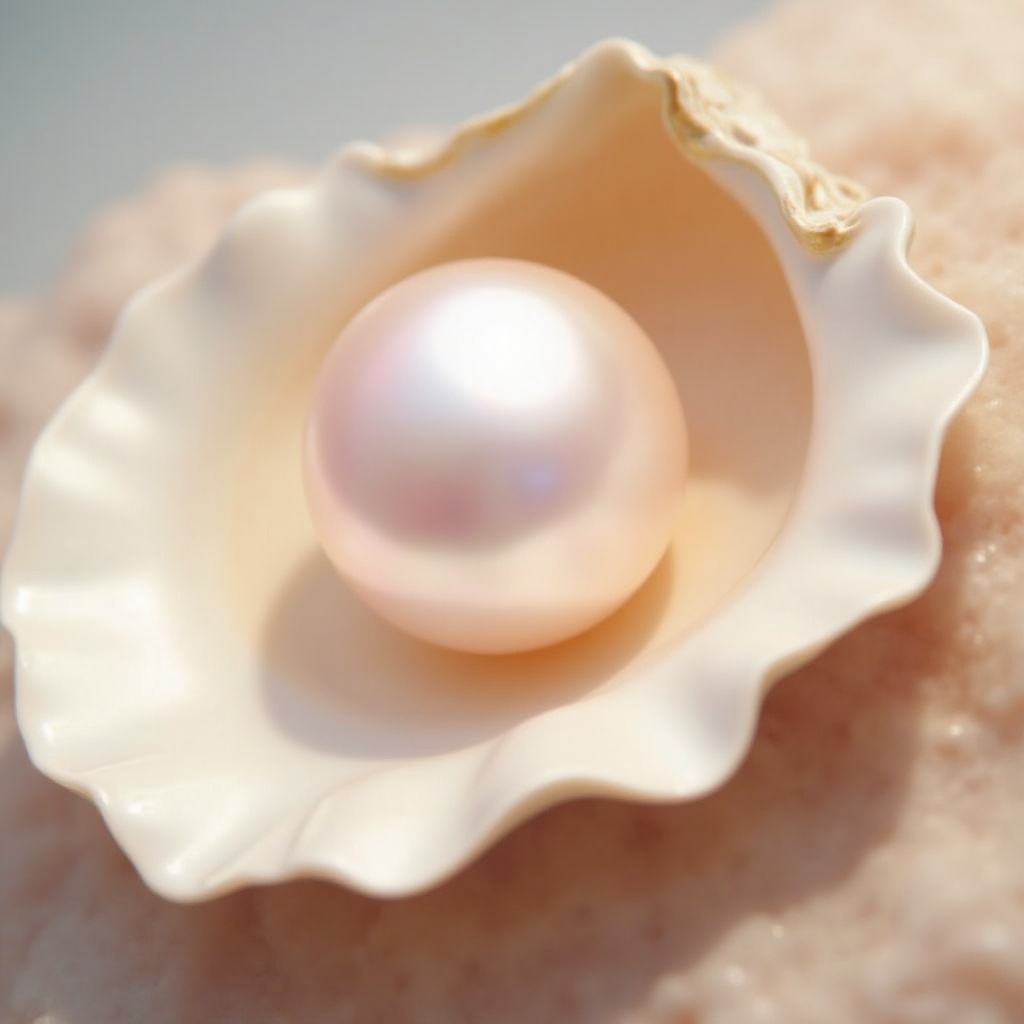
Yes, pearl is considered a birthstone for the month of June. It is one of the traditional birthstones, representing purity, innocence, and beauty. Pearls are unique in that they are the only gemstone created by living organisms.
As a June birthstone, pearls are associated with various positive qualities, such as promoting emotional balance and calmness. Their soft, lustrous appearance symbolizes wisdom and sincerity, making them a popular choice for jewelry, especially in rings, necklaces, and earrings.
In addition to their connection with birthstones, pearls have been cherished for centuries for their timeless beauty and are often seen as a symbol of elegance and sophistication.
Is Pearl a Mineral?
No, a pearl is not considered a mineral. While minerals are naturally occurring inorganic substances, pearls are organic gems formed by living organisms. They are produced inside the soft tissue of mollusks, like oysters or mussels, as a response to an irritant.
Pearls are primarily composed of nacre, a substance made of calcium carbonate and organic proteins. The process of pearl formation is biological, distinguishing them from minerals, which are inorganic and formed through geological processes. Despite this, pearls are highly valued and sought after in the jewelry industry for their unique beauty and lustrous appearance.
Is a Pearl a Stone?
No, a pearl is not considered a stone. While it is often used in jewelry, it is an organic gem formed by living organisms, specifically mollusks like oysters and mussels. Pearls are created when an irritant, such as a grain of sand, enters the mollusk's shell, and the mollusk secretes layers of nacre around it.
Stones, on the other hand, are typically inorganic materials, often minerals or rocks, formed through geological processes over time. Pearls differ from these in both their composition and formation. However, due to their beauty and durability, pearls are still highly regarded in the jewelry industry, often used in necklaces, earrings, and rings.
Is a Pearl a Mineral a Rock or Neither?
A pearl is neither a mineral nor a rock. Unlike minerals, which are inorganic, and rocks, which are composed of one or more minerals, pearls are organic gems. They are formed by living organisms, such as mollusks like oysters and mussels.
Pearls develop when an irritant, such as a grain of sand, enters the mollusk's shell. In response, the mollusk secretes nacre, a substance made of calcium carbonate and organic proteins, around the irritant, gradually forming a pearl.
This biological process sets pearls apart from both minerals and rocks. While they are highly valued in the jewelry industry for their beauty and luster, they are classified as organic gems rather than minerals or rocks.
What Month Is Pearl Birthstone?
Pearl is the birthstone for the month of June. It is one of the traditional birthstones and is highly regarded for its unique, organic origin. Pearls are formed within mollusks, such as oysters and mussels, when they produce layers of nacre around an irritant.
As a June birthstone, pearls are associated with purity, innocence, and beauty. They are also believed to bring emotional balance and calm to the wearer. The timeless elegance and lustrous shine of pearls make them a popular choice in jewelry, including rings, necklaces, and earrings, especially for those born in June.
How Hard Is a Pearl?
A pearl is relatively soft compared to many other gemstones. On the Mohs scale of hardness, pearls typically range between 2.5 and 4.5. This means they are more fragile than diamonds, rubies, or sapphires, which can rank as high as 9 on the scale.
The softness of pearls makes them susceptible to scratching, so they require careful handling and storage. It's advisable to keep pearls away from harsh chemicals, abrasive surfaces, and excessive heat. To maintain their beauty, pearls should be cleaned gently and stored separately from other jewelry to avoid damage.
Are Real Pearls Heavy?
Real pearls are generally not heavy. They are relatively lightweight compared to many other gemstones and metals used in jewelry. The weight of a pearl depends on its size, with larger pearls being slightly heavier, but they remain light in comparison to other materials.
Most pearls, even the larger ones, feel comfortable to wear in jewelry like necklaces, earrings, and rings. Due to their lightweight nature, pearls are often preferred in designs where comfort and elegance are key. However, their weight can vary based on the type and size of the pearl.
How Are Pearls Graded?
Pearls are graded based on several factors, including luster, surface quality, shape, size, and color. These characteristics are crucial in determining the overall value and quality of a pearl.
- Luster: Refers to the shine and reflectiveness of the pearl's surface. High-quality pearls have a bright, mirror-like luster.
- Surface Quality: Graded based on the presence of imperfections or blemishes. The fewer blemishes, the higher the quality.
- Shape: Pearls can be round, semi-round, baroque, or other shapes. Round pearls are the most valuable.
- Size: Larger pearls tend to be more valuable, though size alone doesn’t determine quality.
- Color: Pearls come in a variety of colors, including white, black, pink, and gold. The desirability of color depends on market trends and personal preference.
These grading factors are assessed individually and combined to determine the overall grade of the pearl, with AAA being the highest quality.
What Is Pearl's Zodiac Sign?
Pearl is associated with the zodiac sign Cancer, which spans from June 21 to July 22. As a June birthstone, pearl symbolizes traits linked to Cancer, such as sensitivity, intuition, and emotional depth.
People born under Cancer are believed to possess nurturing qualities and a strong connection to family and home. Pearls, with their soft luster and calming nature, reflect these characteristics, making them an ideal gemstone for Cancer individuals. Pearls are thought to bring peace, balance, and protection to those born under this sign.
How Long Do Pearls Last?
Pearls can last for many years, even centuries, if properly cared for. Unlike many other gemstones, pearls are organic and require special attention to maintain their luster and appearance over time.
The longevity of pearls depends on factors such as exposure to chemicals, humidity, and handling. With proper care, such as avoiding exposure to harsh chemicals, cosmetics, and perfumes, pearls can last a lifetime. Regular cleaning with a soft cloth and storing them in a soft pouch or jewelry box helps prevent scratches and damage.
Though pearls are durable, they are more delicate than other gemstones, so they may show signs of wear over time. With proper care, however, they can remain beautiful and valuable for generations.