White gold and silver are both popular metals used in jewelry, but they differ significantly in composition and appearance. White gold is an alloy, typically made by combining yellow gold with metals like palladium, nickel, or silver. It is often coated with rhodium to enhance its shine and durability. White gold has a warmer, richer hue compared to silver and is generally more expensive.
Silver, on the other hand, is a naturally occurring metal, often alloyed with copper to form sterling silver. It has a brighter, cooler tone and is more prone to tarnishing, requiring regular polishing. While white gold is known for its strength and luxury, silver is more affordable and easier to maintain but may require more care over time.
In summary, white gold is more durable and offers a more elegant appearance, while silver is more budget-friendly but needs more maintenance due to its tendency to tarnish.
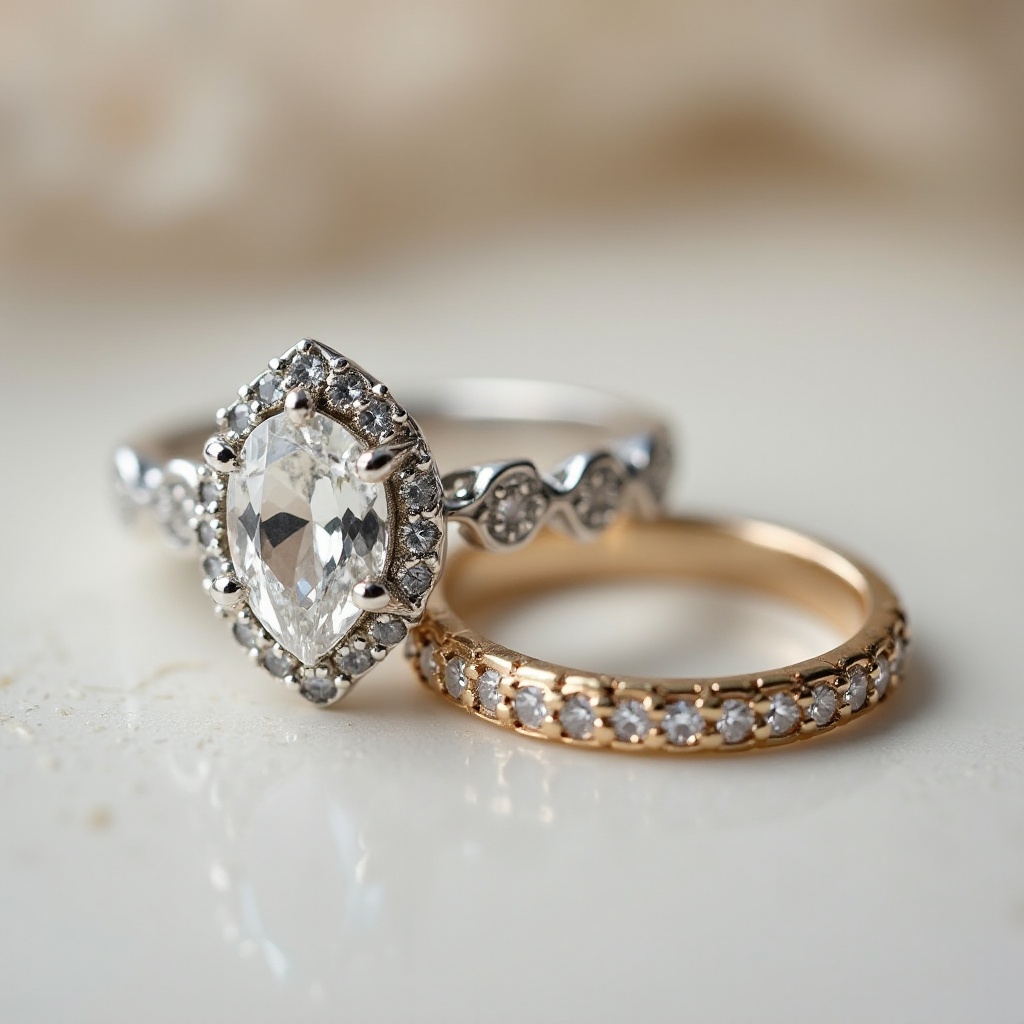
What Is the Difference Between White Gold and Silver?
White gold and silver are distinct metals used in jewelry, each with unique characteristics. White gold is an alloy made by mixing yellow gold with metals like palladium, nickel, or silver, often coated with rhodium for added shine. It has a warmer, richer hue compared to silver and is typically more durable and expensive.
Silver, typically in its sterling form, is a naturally occurring metal alloyed with copper to increase its strength. It has a brighter, cooler appearance but tends to tarnish over time, requiring regular cleaning.
In terms of cost, white gold is generally more expensive due to its gold content and durability, while silver is a more budget-friendly option. White gold is ideal for those seeking a luxurious, lasting finish, while silver suits those looking for a more affordable, though higher-maintenance, choice.
Does White Gold Look Like Silver?
White gold and silver share a similar appearance due to their bright, silvery-white color, but there are subtle differences between the two. White gold has a slightly warmer tone due to the gold content, which gives it a richer, more luxurious appearance.
Silver, particularly sterling silver, has a brighter, cooler hue and tends to have more of a reflective, shiny finish. Over time, silver can tarnish, which causes its color to dull, while white gold, often coated with rhodium, maintains its shine longer.
In conclusion, while white gold and silver may look alike at first glance, white gold offers a more elegant and durable finish, whereas silver tends to appear slightly brighter but requires more maintenance.
What's the Difference Between White Gold and Silver?
White gold and silver differ in their composition, appearance, and durability. White gold is an alloy made by combining yellow gold with metals like palladium or nickel. It has a warmer, richer tone and is often coated with rhodium for a reflective finish. White gold is more durable and resistant to tarnishing, making it a more luxurious choice.
Silver, on the other hand, is a naturally occurring metal, often alloyed with copper to form sterling silver. It has a cooler, brighter hue and is more prone to tarnishing over time, requiring regular maintenance.
In terms of price, white gold is generally more expensive than silver due to its gold content and durability. While silver is an affordable option, it requires more care to keep its shine intact. White gold, being more durable, is ideal for those seeking longevity and elegance in their jewelry.
What Is the Visual Difference Between White Gold and Silver?
The visual difference between white gold and silver lies in their tone and finish. White gold has a slightly warmer hue due to its gold content, giving it a richer, more elegant appearance. It is often coated with rhodium, enhancing its shine and creating a smooth, reflective surface.
Silver, particularly sterling silver, has a brighter, cooler appearance with a more reflective finish. It tends to look more vibrant but can lose its shine over time due to tarnishing. Silver is also more prone to scratches and may require frequent polishing.
In summary, while both metals have a similar silvery-white color, white gold tends to have a warmer, more luxurious tone, while silver is brighter but less durable.
Is White Gold Better Than Sterling Silver?
Whether white gold is better than sterling silver depends on personal preferences and specific needs. White gold is more durable and resistant to tarnishing, making it a better option for long-lasting jewelry. It also has a warmer, more luxurious appearance and is often used in high-end designs.
Sterling silver, on the other hand, is more affordable and has a brighter, cooler appearance. However, it is more prone to tarnishing and scratching, requiring regular maintenance to maintain its shine.
In terms of price, white gold is typically more expensive than sterling silver due to its gold content and higher durability. If you're looking for a more luxurious, long-lasting piece, white gold may be the better choice. If you're on a budget and don't mind regular upkeep, sterling silver is a great option.
How to Tell the Difference Between White Gold and Silver?
To tell the difference between white gold and silver, start by examining the metal’s color and tone. White gold has a warmer, slightly yellowish hue, while silver appears cooler and brighter. White gold is often coated with rhodium, giving it a smooth, reflective finish that looks more polished.
Next, check for markings. White gold typically has a hallmark, such as 14K or 18K, indicating its gold content, while silver jewelry is usually stamped with "925," signifying it is sterling silver.
Another difference is the weight. White gold tends to be heavier than silver due to its higher density and gold content. Finally, if you notice tarnishing, it is likely silver, as silver tarnishes over time, whereas white gold remains shiny for longer due to its rhodium coating.
Is White Gold the Same As Silver?
No, white gold is not the same as silver. While both metals have a silvery-white appearance, they differ significantly in composition, durability, and value. White gold is an alloy made by combining yellow gold with metals like palladium, nickel, or silver. It is often coated with rhodium for a shiny finish and is more durable and expensive.
Silver, on the other hand, is a naturally occurring metal, commonly alloyed with copper to form sterling silver. It is more affordable, has a brighter appearance, and is more prone to tarnishing over time.
In summary, while they may look similar, white gold is more luxurious, durable, and resistant to tarnishing, whereas silver is more affordable but requires more maintenance.
Is Sterling Silver or White Gold Better?
The choice between sterling silver and white gold depends on your priorities. White gold is more durable and resistant to tarnishing due to its gold content and rhodium coating, making it ideal for long-lasting, low-maintenance jewelry. It also has a more luxurious, warmer appearance, often preferred in high-end designs.
Sterling silver, while more affordable, has a brighter, cooler appearance but is prone to tarnishing and requires more maintenance. It is a great option if you're on a budget or prefer a lightweight metal but may need regular polishing.
In terms of cost, white gold is typically more expensive than sterling silver. If you prioritize durability, longevity, and luxury, white gold may be the better choice. However, if you're looking for an affordable option and don't mind extra care, sterling silver could be a suitable alternative.
White Gold Vs Silver Price: Which Is More Expensive?
White gold is generally more expensive than silver. This is because white gold is an alloy that combines gold with other metals like palladium or nickel, and it often undergoes rhodium plating for added durability and shine. The price of gold significantly contributes to its higher cost.
In contrast, silver, particularly sterling silver, is more affordable due to its lower raw material cost. While sterling silver is durable, it requires more maintenance, as it tarnishes over time.
Overall, white gold is considered a luxury metal, making it the more expensive option compared to silver.
Does Gold or Silver Go Better with White?
Both gold and silver can complement white, but the choice depends on the desired aesthetic. Silver pairs well with white, offering a cooler, modern look. The bright, reflective nature of silver enhances the clean, crisp appearance of white, making it ideal for minimalistic or contemporary designs.
Gold, particularly white gold, creates a warmer, more luxurious contrast with white. The richness of gold adds depth and elegance, making it suitable for more traditional or high-end jewelry designs.
In summary, if you prefer a sleek, cool look, silver complements white well. For a more elegant, warmer tone, gold (especially white gold) is a great choice.